REVIEW · TEA CEREMONY EXPERIENCES
Kyoto Japanese Tea Ceremony Experience in Ankoan
Book on Viator →Operated by KYOTO Japanese tea ceremony experience in ANOAN, Chinese/English OK! · Bookable on Viator
Quiet rooms, big manners, and matcha. This Kyoto experience at ANKOAN slows your day down fast, starting with a welcome tea and real conversation about how Japanese tea culture works. One of the standouts is the host’s friendly teaching style (with strong English), so etiquette doesn’t feel like a test.
I like the hands-on format. You watch the demonstration, then you make your own matcha and learn the key steps firsthand—exactly the kind of practical souvenir that’s harder to forget than a photo. I also appreciate the small group size (up to 8), which keeps the pace calm and gives you room to ask questions.
One note before you book: it’s not recommended if you have knee pain. The ceremony involves sitting closely and participating in the procedure, so this is worth thinking about up front.
In This Review
- Key points to know before you go
- Entering Ankoan in Kyoto: A calm tea studio you can actually enjoy
- Welcome tea and tea-manners chat with Yuka
- Watch, copy, then make matcha: the most satisfying part
- Second matcha tearoom time: tasting and pairing with wagashi
- Ikebana at the same studio: a different art, same mindset
- What you learn beyond matcha: culture, phrases, and communication
- Practical stuff that affects your experience (timing, photos, mobility)
- Value check: is $32.84 a good use of time in Kyoto?
- Should you book the Ankoan tea ceremony experience?
- FAQ
- How long is the tea ceremony experience in ANKOAN?
- What does the experience cost?
- Is transportation included?
- Can I make matcha myself?
- Is coffee or tea included?
- How big is the group?
- Is it suitable for people with knee pain?
Key points to know before you go
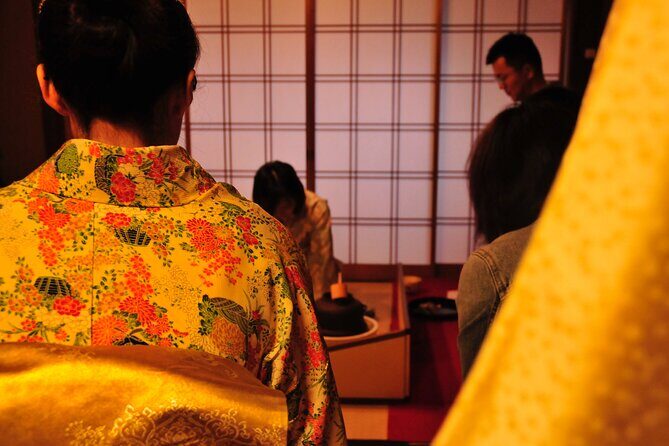
- Small group (max 8): more personal attention and a quieter feel
- Welcome tea with conversation: you start relaxed, not rushed
- Demonstration first, then you make matcha: hands-on from start to finish
- Wagashi + matcha tasting: you pair flavors, not just learn steps
- Step-by-step guidance: you’re coached through making matcha properly
- Indoor photos allowed: you can capture the room and your finished matcha
Entering Ankoan in Kyoto: A calm tea studio you can actually enjoy
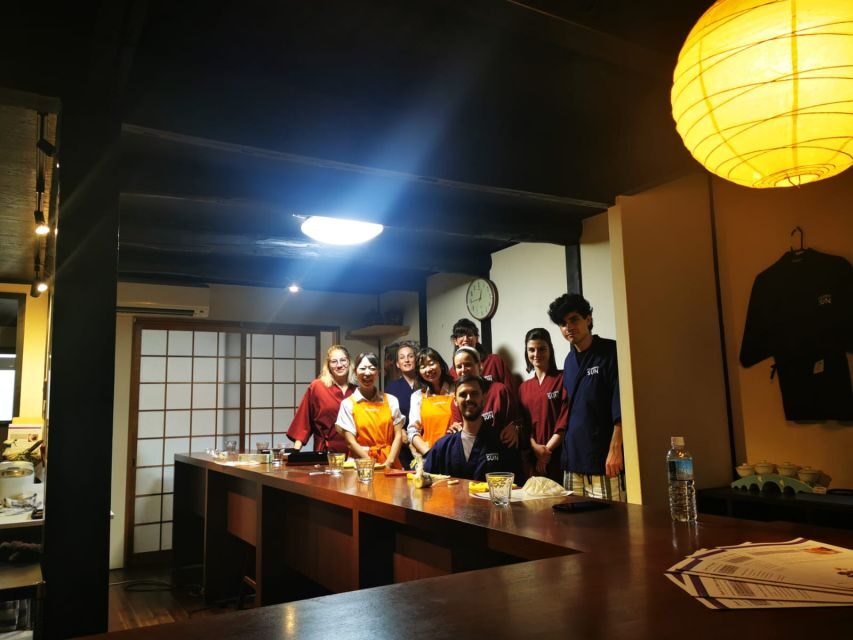
This tea ceremony experience takes place in the ANKOAN studio in Kyoto’s Kita Ward, at Murasakino Monzenchō, 63 (603-8216). The location is close to public transportation, so you’re not stuck relying on a taxi the whole time—still, you will handle your own arrival and departure because private transportation isn’t included.
The whole experience is short and focused: it runs about 1 hour (approx.), with descriptions of a 90-minute service. Either way, it’s designed as a concentrated cultural reset. That matters in Kyoto, where you can easily burn your energy hopping between sights. Here, you get a more intentional rhythm: arrive, settle in, learn, taste, and then make your own tea before you move on.
Another practical plus: you can take pictures indoors freely. The room and the process are naturally photogenic, but the bigger win is that you won’t feel like you’re interrupting anything by snapping a shot during the appropriate moments.
Finally, this is a mobile ticket experience. That’s a small detail, but on the ground it makes check-in easier—no hunting for paper.
You can also read our reviews of more tours and experiences in Kyoto.



Welcome tea and tea-manners chat with Yuka
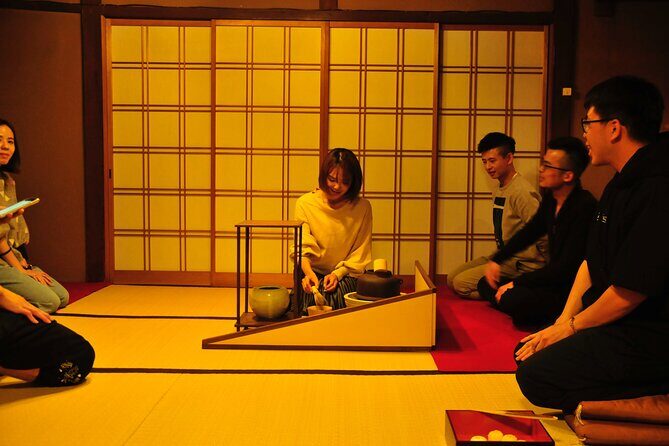
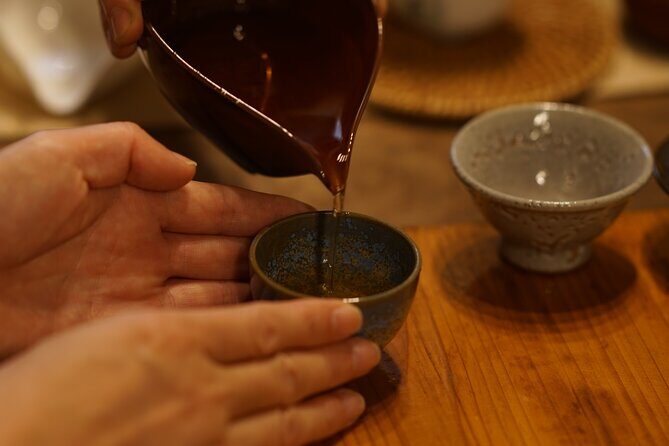
Your session begins with welcome tea served so you can cool down from the day’s walking and get comfortable right away. In the description, that first tea is made by Yuka, and the idea is simple: you sit, sip, and talk before you get into the formal parts of the ceremony.
This is where the experience becomes more than matcha trivia. You’re not just watching a “show.” You’ll get an explanation of the specific parts and manners behind Japanese tea ceremony. That includes learning what’s being communicated through actions—how the ceremony creates a shared tone between host and guests.
You’ll also likely have time for casual questions and discussion. The descriptions emphasize conversation around culture—things like how Japanese people live and how Japanese culture came into being. One family mentioned their kids were able to take part comfortably, and the host adjusted the experience to keep things enjoyable. So if you want culture without feeling stiff, this is built for that.
Tip: come with one or two simple questions. Even a basic curiosity—why certain steps happen in a specific order—gets a better answer when you ask it directly.
Watch, copy, then make matcha: the most satisfying part
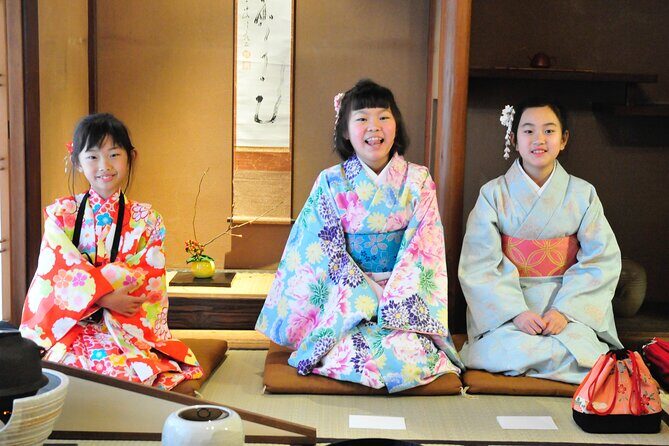
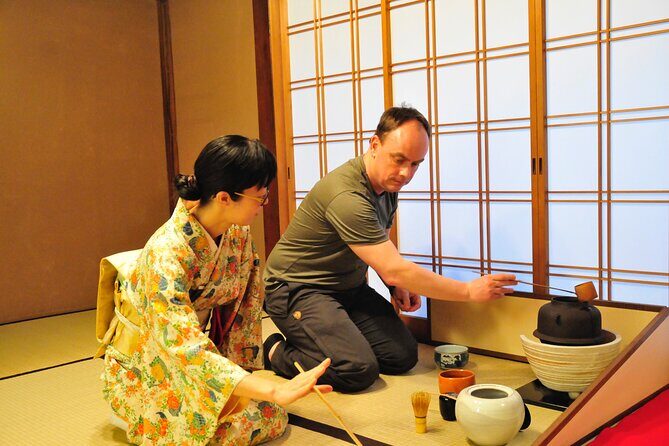
After the welcome tea and the manners intro, the experience moves into the core moment: the tea master’s demonstration. Then you switch roles. You don’t just learn vocabulary; you follow along and model the essential procedure.
The guidance is described as step-by-step, with the teacher staying close so you can get it right. One review specifically highlighted a watch-one, teach-one approach. That’s exactly how you want a hands-on workshop to run: calm pace, clear coaching, and no awkward guesswork.
You’ll prepare matcha yourself. The process is physical—mixing and whisking with the right focus—so it sticks in your memory. And then the experience continues with a tasting moment, where your tea is tasted by others. That gives the session a little sense of ceremony beyond the mechanics: you’re participating in a real ritual, not just performing for a camera.
One extra practical detail: you’re not thrown into silence. The host’s English is emphasized in feedback, and conversation is part of what makes the ritual feel human. If you’re worried you’ll feel lost because you don’t know tea terminology, don’t be. The instruction is structured around doing the steps.
Second matcha tearoom time: tasting and pairing with wagashi
There’s a special rhythm built into the session: you move to another matcha tearoom after the initial introduction. In that setting, you watch the process of making matcha again and then get to taste matcha along with wagashi.
This matters because it changes the activity from a single lesson to a mini “journey” through how tea flavor is experienced. You’re not only learning how to make matcha; you’re also learning how it tastes when served properly—plus how sweets (wagashi) balance the bitterness and richness of matcha.
The experience is described as creating a harmonious, pure tea space. You feel that in the way the session is paced: tasting comes after explanation and making, not before. It helps you understand what you just did and how it should feel in practice.
If you’re sensitive to strong flavors: matcha is intense by nature, so you may want to take slow sips and let the wagashi guide the balance.
Ikebana at the same studio: a different art, same mindset
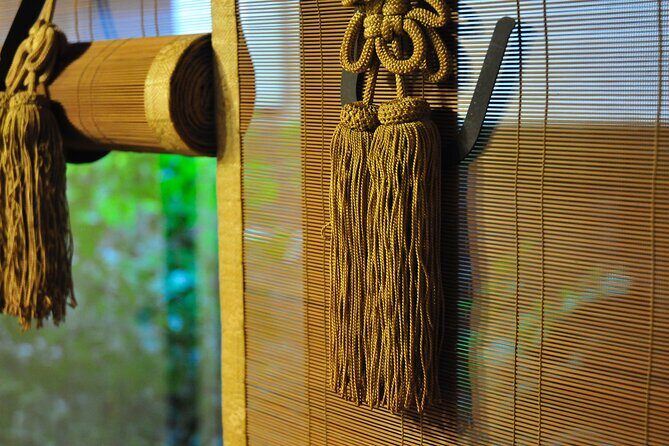
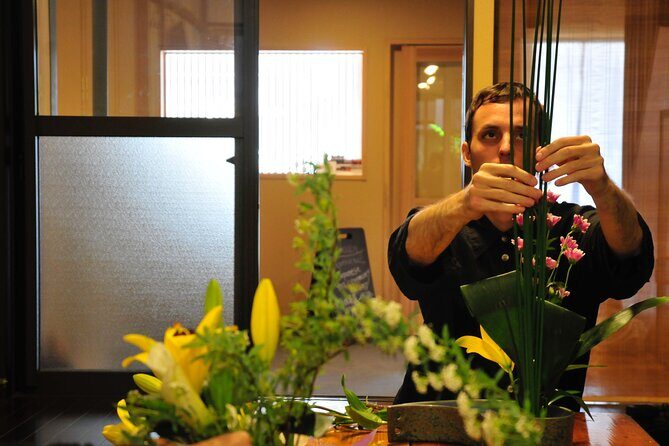
The session is offered in the ANKOAN studio, where you can reserve tea ceremony alongside ikebana. That’s a nice pairing for Kyoto, because it links two Japanese art forms that both rely on attention, restraint, and seasonality.
The data here is brief on technique specifics for ikebana, but the key point is that the studio experience can include it. If you’re the type who likes artsy crafts but still wants something cultural and grounded, this add-on can make your time there feel fuller without turning it into a long, tiring program.
How it fits the tea ceremony vibe: both activities ask you to slow down and notice details. Even if ikebana is shorter or more structured than tea, it supports the same calm tone of the room.




What you learn beyond matcha: culture, phrases, and communication
A strong tea ceremony session doesn’t end when you stop whisking. The best part here is the discussion around meaning—how the ceremony connects to daily life and cultural values.
You’ll hear explanations about how Japanese tea culture formed and how Japanese people live, plus how tea ceremony creates a shared moment. One review also mentioned learning symbols and phrases used during tea ceremony. That’s the sort of detail you can’t easily “Google later,” and it helps you recognize the ritual when you see it in real life.
A big theme is communication across cultures. The experience isn’t just about bringing you into Japan’s traditions; it’s about making it a two-way experience. The host’s conversation style and English skills come through in the feedback—so you’re not stuck guessing what’s happening. You can ask, respond, and connect.
If you’re coming from a hectic itinerary, this is a genuinely good brake pedal. You’ll likely leave with more than matcha taste—more context for what you saw.
Practical stuff that affects your experience (timing, photos, mobility)

Let’s make this workable on your trip.
Time: Expect roughly 1 hour or about 90 minutes. Either way, this is short enough to fit between Kyoto highlights, temples, or a nearby meal.
Group size: The maximum is 8 travelers. That’s small. It helps with questions, and it keeps the tea-room atmosphere calmer.
Photos: You can take indoor photos freely. Don’t go wild with loud shutter sounds, but it’s not treated like a strict no-phone zone.
Mobility: It’s not recommended for those with knee pain. If sitting low and being still for portions of the ceremony might be a problem, consider skipping this and choosing a different format.
Food and drinks included: The experience includes coffee and/or tea. During the tea ceremony itself, you’ll taste matcha and wagashi as part of the session flow.
Transportation: Private transportation isn’t included, so plan your own route to the ANKOAN address in Kita Ward.
Value check: is $32.84 a good use of time in Kyoto?
At $32.84 per person, this isn’t a “watch and walk away” cultural stop. You’re paying for instruction, guided participation, and the tasting experience—welcome tea at the start, matcha making during the ceremony, plus wagashi during tasting segments.
What makes it feel like value is the mix:
- small-group setting (up to 8)
- hands-on matcha preparation you can repeat
- coaching and conversation in Chinese/English (and strong English support in feedback)
- the studio calm, plus indoor photo freedom
Could you spend less on tea somewhere else in Kyoto? Sure. But you’d be buying a drink, not learning a ritual step-by-step with a host guiding the meaning.
One more practical value: it’s booked about 12 days in advance on average, so if your dates are tight, don’t wait until the last minute.
Should you book the Ankoan tea ceremony experience?
Book it if you want a calmer Kyoto moment where you learn by doing. The big reasons: hands-on matcha, a welcoming host (including Yuka for the welcome tea), strong language support, and the small group size that keeps things personal.
Skip or reconsider if knee pain could be an issue, or if you’re looking for something long and deep-tea-nerd technical. This experience is designed for clarity and comfort in a short time, not for an all-day tea immersion.
If you want a meaningful break from temple-hopping—where you leave with matcha knowledge you can actually use—this is an easy yes.
FAQ
How long is the tea ceremony experience in ANKOAN?
It’s listed as about 1 hour (approx.), and the service is also described as 90 minutes. Either way, plan for a short, focused session.
What does the experience cost?
The price is $32.84 per person.
Is transportation included?
No. Private transportation isn’t included, but the meeting point is near public transportation.
Can I make matcha myself?
Yes. You’ll watch the demonstration and then prepare matcha yourself as part of the experience. You’ll also have matcha tasting during the session.
Is coffee or tea included?
Yes. The experience includes coffee and/or tea.
How big is the group?
This experience has a maximum of 8 travelers, which keeps it small and more interactive.
Is it suitable for people with knee pain?
No. It’s not recommended for those with knee pain.