REVIEW · TEA CEREMONY EXPERIENCES
Kyoto: Private Tea Ceremony at local home with tea master
Book on GetYourGuide →Operated by Kangetsu Kyoto · Bookable on GetYourGuide
Kyoto slows down in one perfect tea room. I love the certified tea master teaching the meaning behind every movement, and I love the focus on Uji matcha plus two types of traditional sweets. The main catch: the room has strict rules (no perfume, long clothes, socks, no jewelry, and no short skirts or shorts), so you’ll want to prepare before you arrive.
This is a private, one-hour experience in a local home in central Kyoto, very close to Nijo Castle and the Kyoto Imperial Palace area. The session starts from Sakura 日本文化体験, and you get English or Japanese guidance throughout—so even if you’re new to tea ceremony, you won’t feel lost.
This setup also aims to be welcoming and practical: it can accommodate LGBTQ, halal, vegan, and various allergies. One more thing to know: recording is not allowed (video and audio), and the pace can feel like it has to stick to the schedule, so keep your questions tight.
In This Review
- Key highlights
- Kyoto Tea Ceremony in a Local Home Near Nijo Castle
- Starting at Sakura 日本文化体験: How the Timing Works
- Meet the Certified Tea Master and Learn the Philosophy Behind Each Step
- Utensils Class: Chawan, Chasen, and Chashaku (and Why You Should Care)
- Hands-On Matcha Preparation: How the Ceremony Becomes Personal
- Seasonal Sweets: Two Traditional Varieties That Pair With the Tea
- Etiquette Rules That Keep the Tea Room Calm (and What to Do Before You Go)
- Price and Value: Is $101 for One Hour Worth It?
- Who Should Book This Private Kyoto Tea Ceremony?
- Should You Book It? My Straight Answer
- FAQ
- How long is the Kyoto private tea ceremony?
- Where is the meeting point, and how close is it to Nijo Castle?
- What’s included in the tea ceremony?
- Can the ceremony accommodate halal, vegan, LGBTQ, or allergies?
- What languages does the instructor speak?
- What should I wear or bring to follow the tea room rules?
- Is this experience suitable for kids?
Key highlights
- Private one-hour tea ceremony in a real neighborhood home near Nijo Castle
- Uji, Kyoto matcha served as two cups, plus a hands-on whisking moment
- Certified tea master-led instruction with history, utensils, and etiquette
- Two types of seasonal sweets served with tea, made to complement your matcha
- Beginners welcome with clear explanations, a demonstration, and Q&A time
- Built for inclusion with options for halal, vegan, LGBTQ, and various allergies
Kyoto Tea Ceremony in a Local Home Near Nijo Castle
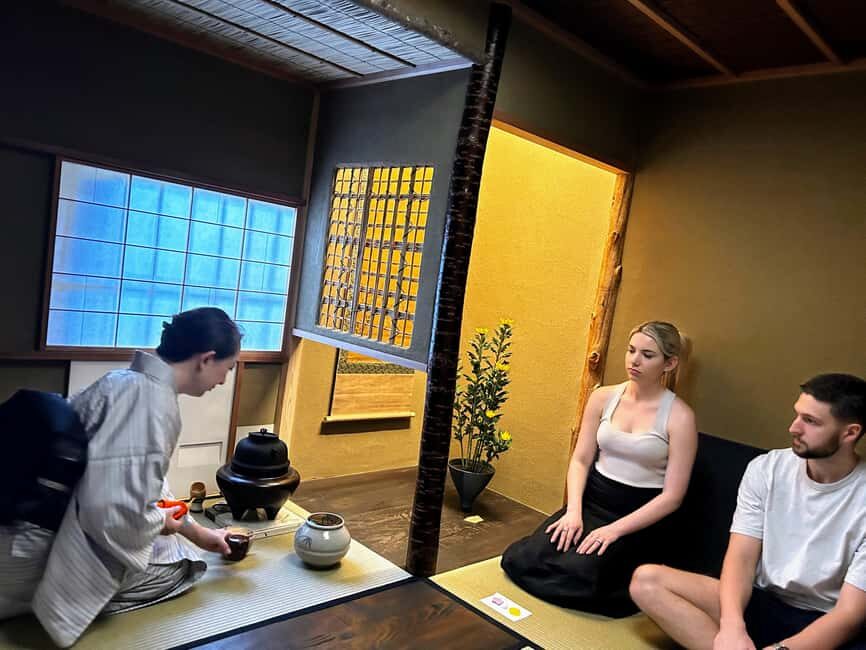
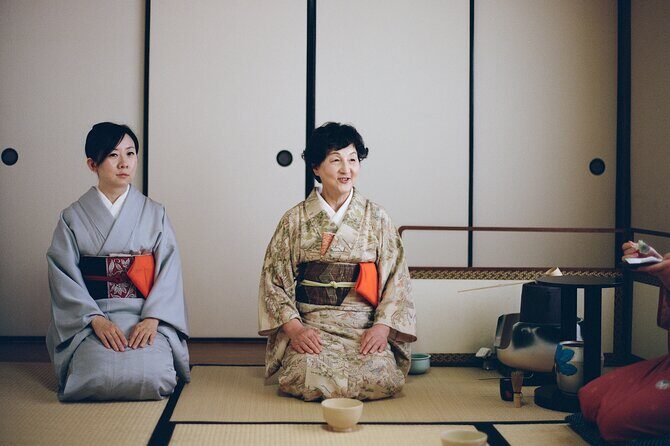
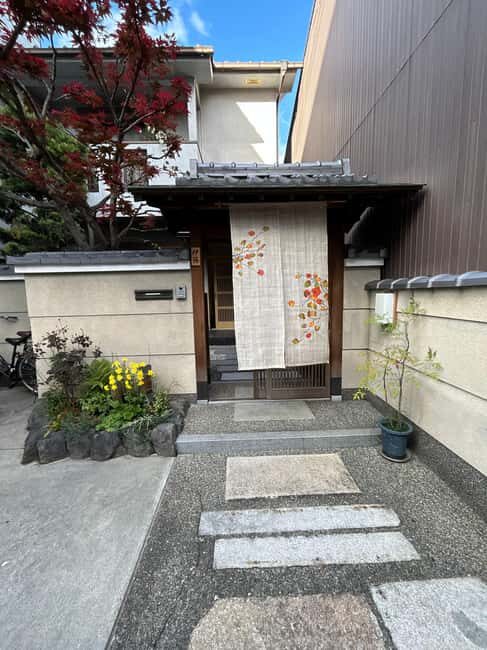
If you picture a tea ceremony as something stiff or museum-like, this experience is a good reality check. You’ll do it in a private home-style setting in central Kyoto, close enough to Nijo Castle and the Kyoto Imperial Palace that you can pair it with an easy day of sightseeing.
What makes the location matter is the feel. A home tea room tends to make the whole process seem less like performance and more like everyday respect—quiet, careful, and unhurried in tone. I also like that the experience is explicitly designed for beginners, with simple explanations rather than a hard-to-follow script.
The private format is another big value point. In a one-hour window, having a dedicated tea master guide you step-by-step means you’re not competing with a larger group for attention. You’ll also get hands-on time with matcha, not just watching.
The only drawback is practical: the tea room rules are strict. Shorts, short skirts, hats, jewelry, strong fragrances, and even bare feet are all off the table. If you like to show up spontaneous in whatever you wore that day, you’ll want to plan ahead here.
You can also read our reviews of more private tours in Kyoto

Starting at Sakura 日本文化体験: How the Timing Works
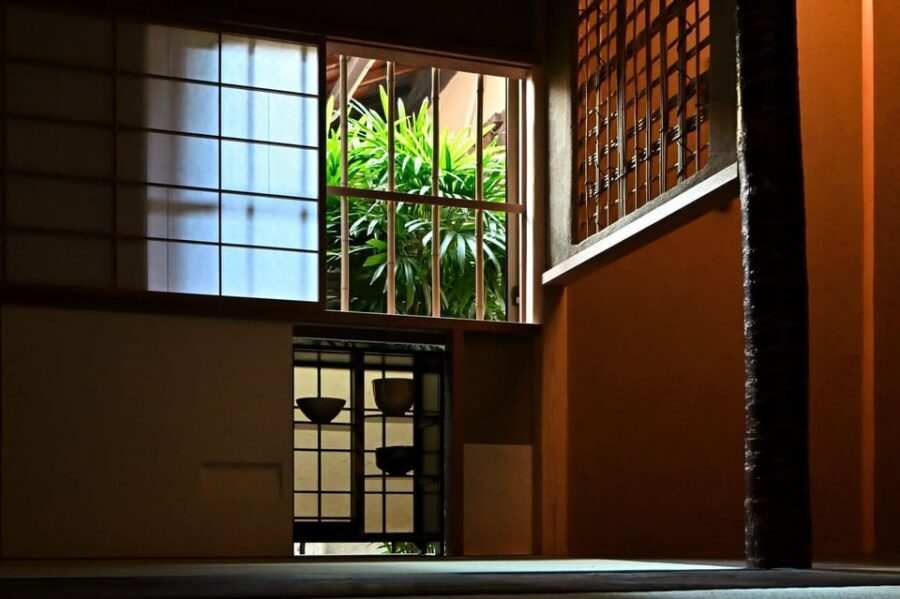
The experience begins at Sakura 日本文化体験. It’s close by foot to Nijo Castle and the Kyoto subway stop Nijojomae (about a 3-minute walk), and it’s also near the city bus Nijojomae stop (about 3 minutes on foot). If you’re coming from Kyoto Station, it’s about a 10-minute taxi ride.
That’s useful because it means you can build this into a normal Kyoto day without needing complex transfers. And since the tea ceremony itself lasts about an hour, you can time it between nearby sights around central Kyoto.
You’ll get orientation before you step into the tea room. The tea master provides information about the Japanese tea ceremony, and that framing helps you notice the details instead of just going through the motions. Then you’ll move into the ceremonial flow—folding the cloth, pouring the tea mindfully, and learning why each step matters.
Because the visit is short, I recommend you show up a few minutes early and keep your schedule relaxed. One small delay can feel bigger when the whole experience is only an hour.
Meet the Certified Tea Master and Learn the Philosophy Behind Each Step
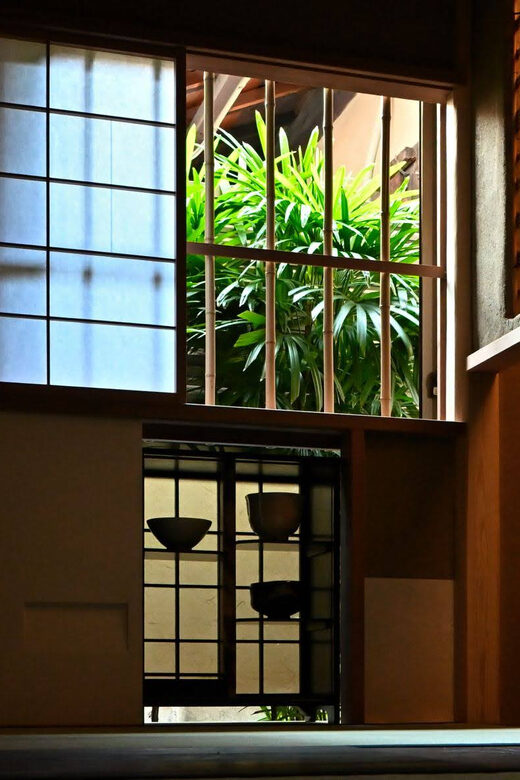
The tea master leading your ceremony is certified, born and living in Kyoto, and the instruction is given in English or Japanese. That matters because you’re not just learning actions—you’re learning how Kyoto culture explains those actions.
Expect a calm, respectful tone as you enter the tea room. The tea master will explain the purpose and philosophy behind the steps, using clear, beginner-friendly language. In practical terms, this means you’ll understand what you’re doing while you do it, rather than only hearing instructions after the fact.
You’ll also learn how tea ceremony connects to broader Japanese values—respect, tranquility, and mindful hospitality. Even if you don’t remember every term, you’ll likely remember the feeling: slow movements, attention to utensils, and a steady rhythm that makes conversation and distractions fade out.
A small consideration: because sessions are time-based, there can be less slack for long, winding questions at the end. If there’s something specific you care about (a utensil meaning, a step’s purpose, matcha technique), write it down mentally and prioritize it during the Q&A.
Utensils Class: Chawan, Chasen, and Chashaku (and Why You Should Care)
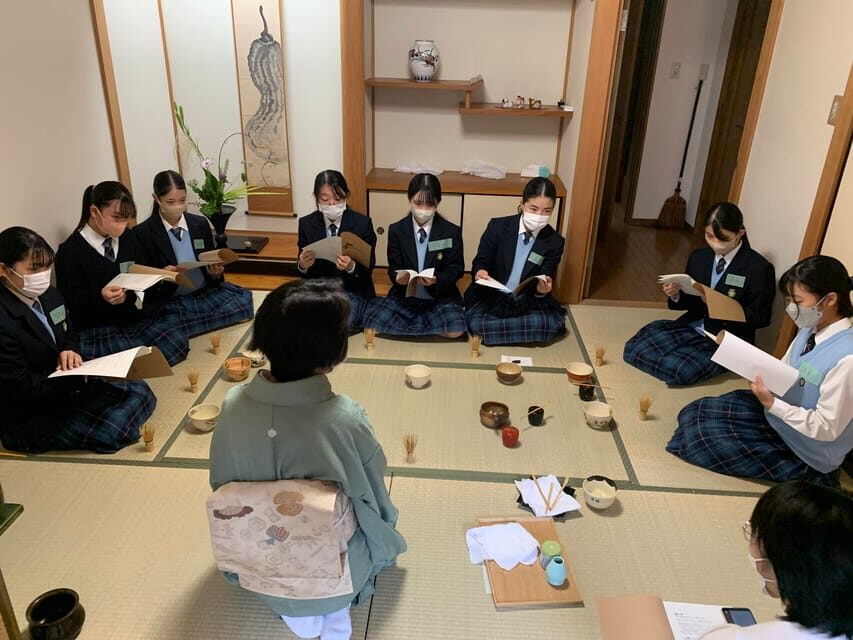
One of the most practical parts of this experience is the utensils lesson. You’ll learn about the roles and significance of the tea bowl (chawan), tea whisk (chasen), and tea scoop (chashaku). The tea master also explains care and basic handling tips, so the tools aren’t treated like props.
This section is genuinely useful because it gives you a way to look at tea ceremony outside the room. Instead of thinking matcha is just a drink, you start recognizing a whole system of objects, timing, and etiquette.
You’ll also pick up handling etiquette for the tea bowl and how to appreciate the tea properly. That includes the mindset behind manners—showing respect through your movements and your pace.
Even if you never become a tea hobbyist, this kind of explanation tends to make your future cultural experiences in Japan easier to read. You’ll notice how details are used to create comfort and respect, not just aesthetics.
Hands-On Matcha Preparation: How the Ceremony Becomes Personal
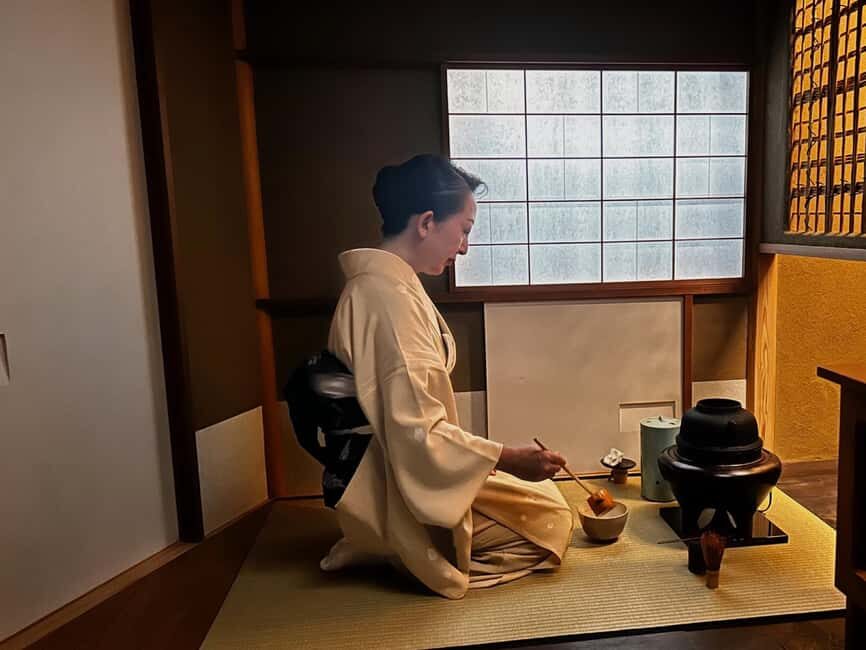
Watching a tea ceremony can be interesting. Whisking matcha yourself is where it becomes real.
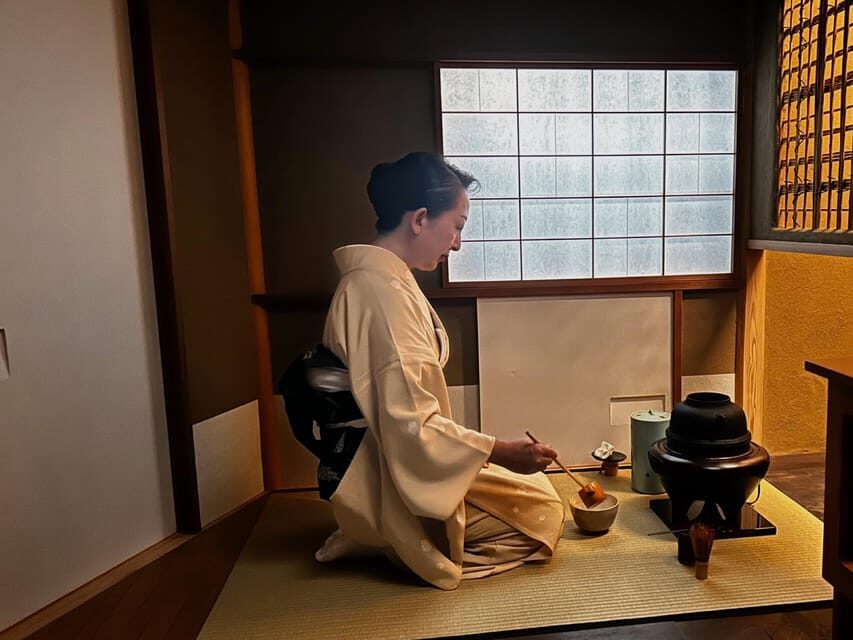
During the session, you’ll see a demonstration and then prepare matcha hands-on. You’ll experience the essence of the ceremony through the basic technique of whisking matcha, which helps you understand why the ceremony is so focused on timing and care. The tea master guides you through it at a pace that works for beginners.
You’ll serve and drink matcha as part of the ceremony too—two cups are included. That gives you a chance to compare how the tea feels as you shift from learning mode into tasting mode.
The matcha itself is high-quality and sourced from Uji, Kyoto. If you’re picky about matcha, this matters. Uji matcha tends to have a smoother character and a deeper green tone, and in a ceremony setting, that quality really affects your experience.
If you’re sensitive to routines, you might enjoy this more than you expect. The steps are structured, but your hands help anchor you in the moment.






Seasonal Sweets: Two Traditional Varieties That Pair With the Tea
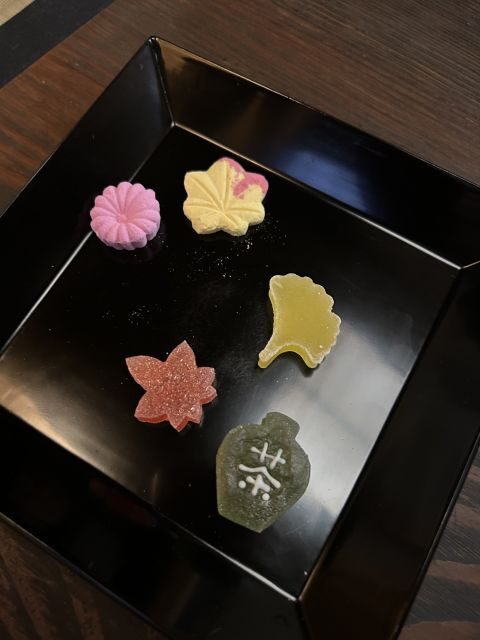
Tea ceremony isn’t just matcha. You’ll also enjoy two types of seasonal Japanese sweets. The sweets are served as dried traditional sweets, and they’re provided in varieties that are meant to complement the tea.
This is the part I like because it teaches balance. Matcha has bitterness and a grassy, umami edge. The sweets are designed to soften that feeling and make the whole sip-and-bite pattern feel intentional.
Since the sweets are served in two types, you’ll get more than one flavor profile rather than one single candy-like treat. It turns the tasting into a mini lesson: how sweetness, texture, and aroma can change how matcha lands on your palate.
If you have dietary needs, this is also where advance planning helps. The experience states it can accommodate halal, vegan, and various allergies, so you should tell them what you need ahead of time so the sweets are chosen safely.
Etiquette Rules That Keep the Tea Room Calm (and What to Do Before You Go)
The tea room rules are not the kind you want to figure out on the spot. Here are the key do’s and don’ts that will help you glide through the session.
You should bring and wear:
- Comfortable clothes
- Long pants (or a long skirt)
- Socks (shoes come off indoors)
You should avoid:
- Shorts and short skirts
- Hats
- Jewelry
- Sleeveless shirts
- Perfume and strong fragrances
You also shouldn’t do:
- Smoking or vaping
- Alcohol and drugs
- Video recording or audio recording
- Bare feet
If you’re a sock person, good news: socks are required. If you don’t have socks, the experience notes you can purchase socks on site.
One more practical tip: if you’re wearing perfume or scented lotion, wash it off or plan to skip it. The ceremony space is strict about fragrance, and you’ll want to be respectful of everyone in the room.
Price and Value: Is $101 for One Hour Worth It?
At $101 per person for a one-hour private experience, this isn’t a budget activity. But it also isn’t just a one-time photo opportunity.
Here’s where the value comes from:
- You get instruction from a certified tea master, in a private setting
- You receive two cups of matcha (not just a sip)
- You get two types of traditional sweets
- You learn utensils, etiquette, and the tea ceremony’s history and cultural background
- You get hands-on matcha preparation plus demonstration and Q&A
In other words, you’re paying for guidance and education, not only the tea. If you’ve ever sat through a cooking class and wondered what the instructor did behind the scenes, this is the tea version of that. The process has structure, and the teacher explains the meaning.
Could it feel rushed? Possibly near the end if the room is scheduled tightly. But if you go in knowing the session is short, you’ll likely find it focused rather than chaotic.
Who Should Book This Private Kyoto Tea Ceremony?
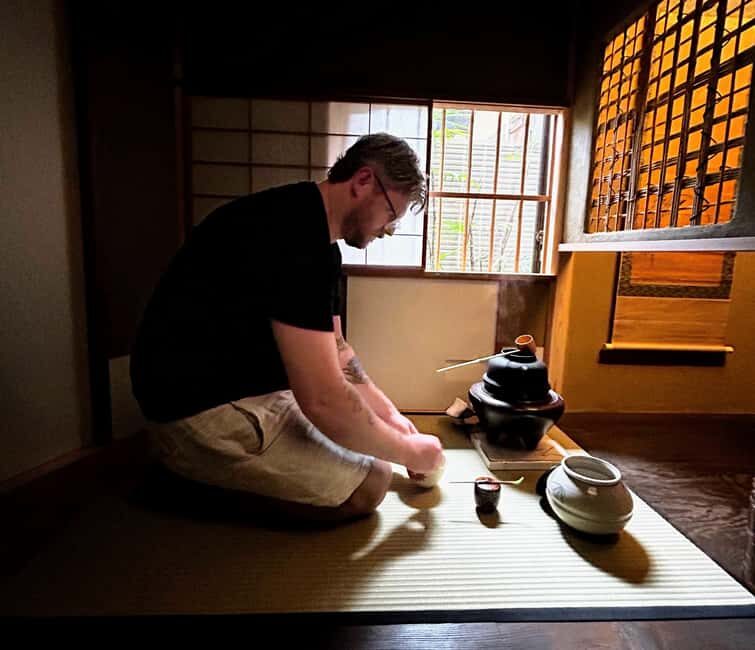
This experience fits best if you want:
- A calm cultural activity in Kyoto that’s not centered on crowds
- A real introduction to tea ceremony etiquette and tools
- Hands-on matcha preparation, not only observation
- A private setting where you can ask questions
- A format that can accommodate halal, vegan, LGBTQ, and allergies
It also tends to work well for travelers who prefer cultural experiences with clear rules. The ceremony has structure, and that structure is part of the charm.
The main mismatch is children under 13; the experience is not suitable for them. Also, if you strongly dislike clothing constraints, scent-free expectations, and no-recording rules, this may feel harder than it sounds.
Should You Book It? My Straight Answer
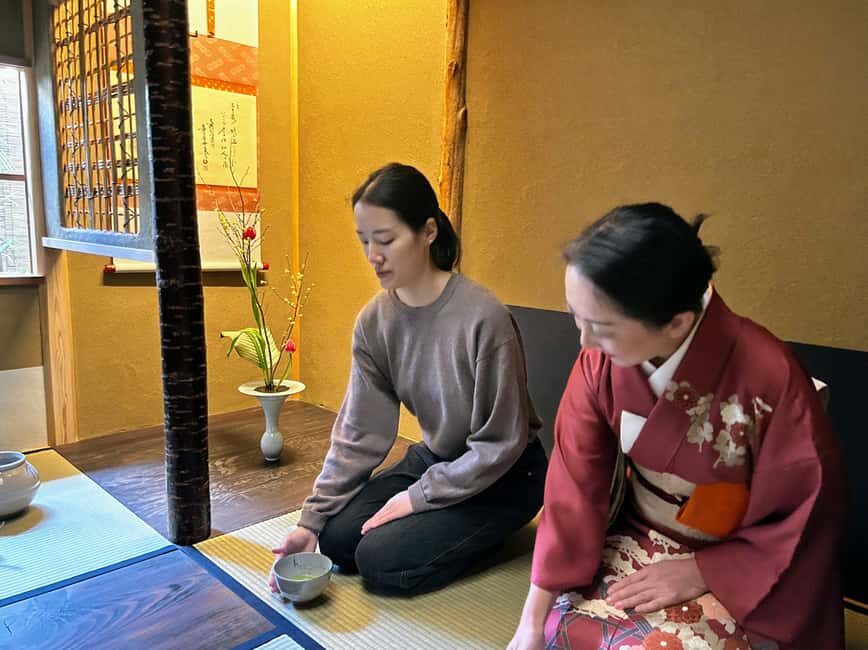
Yes, you should book it if you want Kyoto culture with real technique and real meaning. The private hour, the certified tea master instruction, Uji matcha, and the utensil-and-etiquette teaching give you more than a simple tasting.
Skip it (or choose another activity) if you’re planning to wear shorts or a short skirt, show up with perfume or strong fragrance, or you hate the idea of no video/audio recording. This ceremony runs on respect for the room, and those rules are non-negotiable.
If you’re already near Nijo Castle or Kyoto Imperial Palace, this is also a practical choice that doesn’t hijack your whole day.
FAQ
How long is the Kyoto private tea ceremony?
The experience lasts 1 hour.
Where is the meeting point, and how close is it to Nijo Castle?
The meeting point is at Sakura 日本文化体験. It’s about a 3-minute walk from Nijo Castle and the Nijojomae subway station, and about a 3-minute walk from the Kyoto city bus Nijojomae stop. It’s about a 10-minute taxi ride from JR Kyoto Station.
What’s included in the tea ceremony?
You’ll enjoy 2 cups of matcha and 2 kinds of Japanese traditional dried sweets. You also receive certification from a tea master and step-by-step instruction during the ceremony.
Can the ceremony accommodate halal, vegan, LGBTQ, or allergies?
Yes. The experience states it can accommodate LGBTQ, halal, vegan diets, and various allergies.
What languages does the instructor speak?
The instructor provides instruction in English and Japanese.
What should I wear or bring to follow the tea room rules?
Wear comfortable clothes with long pants or a long skirt, and bring socks. Shorts and short skirts are not allowed. Hats, jewelry, and sleeveless shirts are also not allowed. You should come without perfume and avoid strong fragrances. Shoes are not allowed indoors, so plan to be sock-ready.
Is this experience suitable for kids?
No. It is not suitable for children under 13.