REVIEW · ARASHIYAMA TOURS
Kyoto: Fushimi, Arashiyama – Bamboo, Monkey, Torii & Secrets
Book on GetYourGuide →Operated by JAPANIFY TOURS · Bookable on GetYourGuide
Torii gates, bamboo, and monkeys in one loop. You start at Fushimi Inari near Inari Station and climb Mount Inari with a bilingual local guide, with past groups calling out guides like Aron and Teri for photo timing and pacing.
I love that this tour hits the big-ticket Kyoto moments without feeling like a rushed checklist. You also get standout Arashiyama time, especially the bamboo forest and Tenryuji’s quiet garden.
One thing to plan for: the walk up to the Monkey Park is steep, and the day can feel long if you’re not used to lots of stairs.
In This Review
- Key things you’ll notice on this Kyoto loop
- Tour at a glance: what $88 buys you in Kyoto
- First stop: locating Inari Station and getting oriented fast
- Climbing Mount Inari through Fushimi Inari’s red torii gates
- Arashiyama Bamboo Grove: that famous forest feel, with real walking time
- Tenryuji Temple’s Zen garden: where you catch your breath
- Togetsukyo (Moon Crossing Bridge): classic river views in motion
- Monkey Park: the steep climb, wild monkeys, and big views
- How your guide changes the day: stories, pace, and photo help
- What to bring (and what to avoid) for a smooth Kyoto day
- Price and value: why $88 can feel fair here
- Who this Kyoto tour fits best (and who should consider alternatives)
- Should you book this Fushimi Inari + Arashiyama tour?
- FAQ
- Where does the tour start?
- Does the tour include entry fees for the sites?
- What is not included in the price?
- How long is the tour?
- Is the tour suitable for solo travelers?
- What language are the guides?
- Are video recordings allowed?
- What should I bring for the day?
Key things you’ll notice on this Kyoto loop
- Fushimi Inari Taisha’s torii gates: a walking climb where the shrine becomes the show
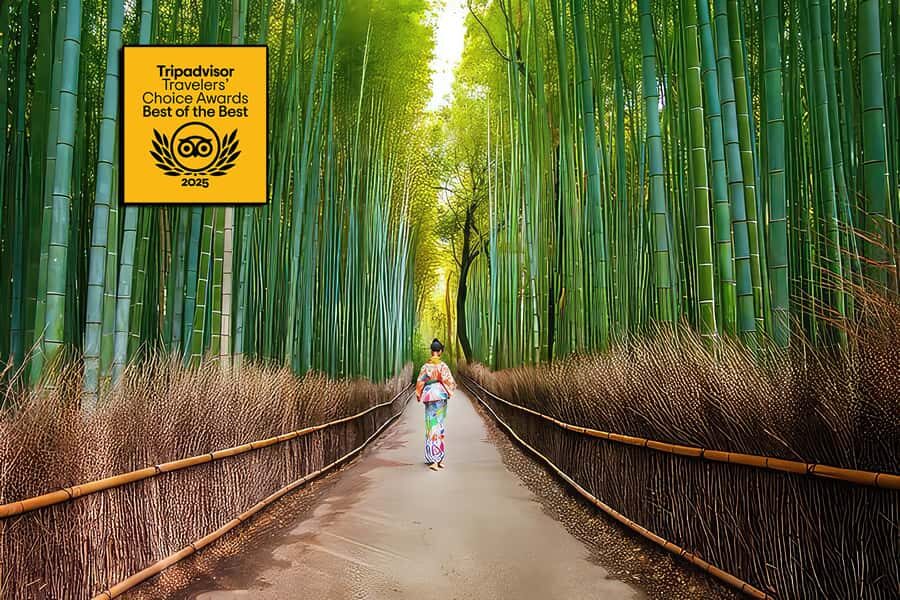
- Arashiyama bamboo grove: that tall, green corridor effect plus easy photo stops
- Tenryuji Temple garden: a calm Zen pause after busy streets
- Monkey Park climb: wild monkeys and panoramic views, with a real hill to earn them
- Togetsukyo (Moon Crossing) Bridge: classic river views in between nature stops
Tour at a glance: what $88 buys you in Kyoto
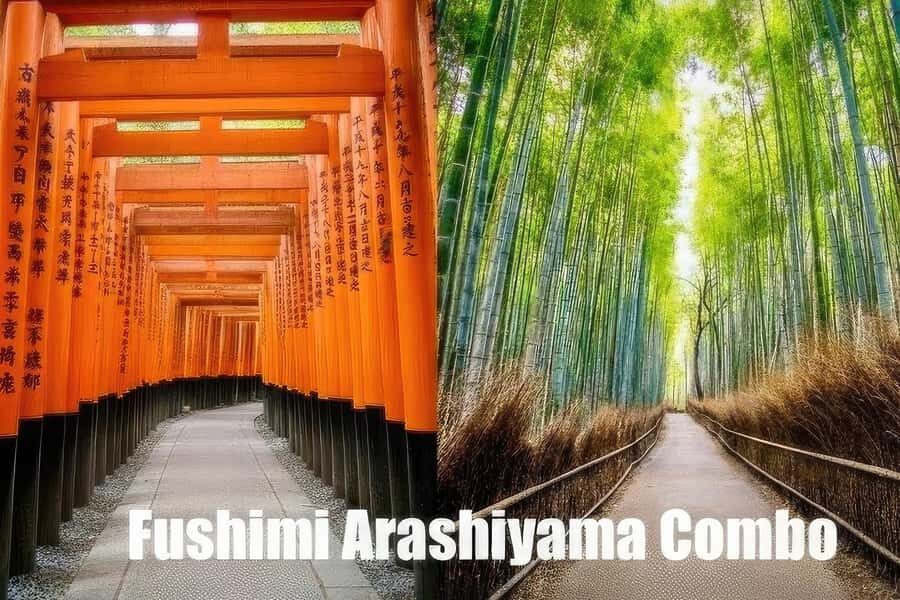
This is a Kyoto walking day that knits together two of the city’s most famous areas: Fushimi Inari and Arashiyama. The posted price is $88 per person, and for that you get the key sights plus a bilingual guide to keep you moving smartly.
From what people describe, the walking time is often around five hours, so it feels like “active sightseeing” rather than casual strolling. Train tickets are not included, and food drinks are not included either, so you’ll want a little cash plan for snacks along the way.
You meet in front of the gates at Inari Station, and the tour ends back at that same meeting point. There’s no pickup/drop-off, so plan to arrive on time and start the day on your feet.
You can also read our reviews of more tours and experiences in Kyoto.



First stop: locating Inari Station and getting oriented fast
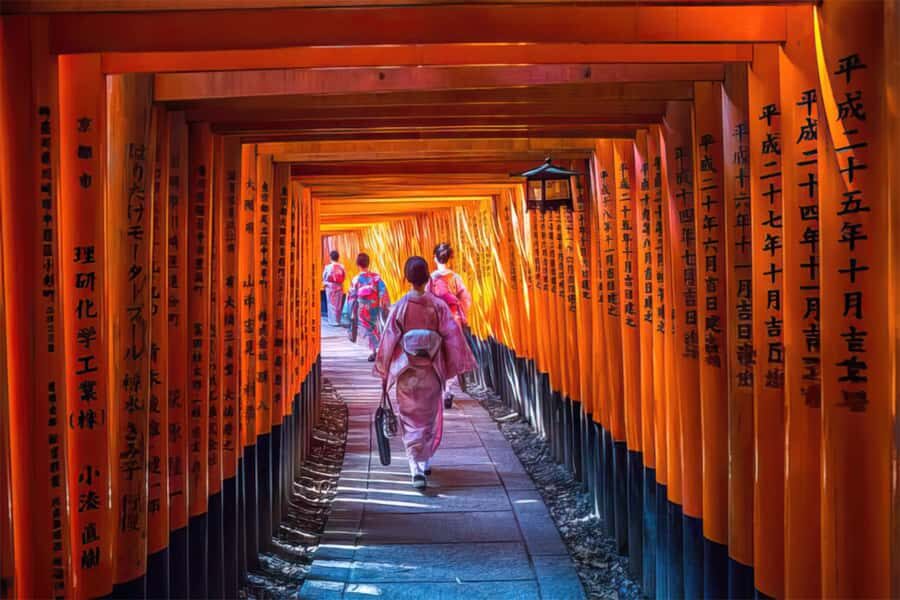
The tour starts at the gates by Inari Station, which is convenient because you can arrive, regroup, and begin without hunting for a meeting spot in the middle of a crowd. I like that the meeting is clear and you’re not left guessing where your group will assemble.
Early on, your guide typically sets the tone: how the torii path works, where to pause for photos, and how to handle the flow of people. On days with heat or rain, guides who’ve led this route for past groups have also made time for cooling off stops and shorter breaks.
If you’re the type who likes to “get bearings fast,” this setup helps a lot. You’ll still do your own walking, but you won’t waste the first chunk of your day figuring out logistics.
Climbing Mount Inari through Fushimi Inari’s red torii gates
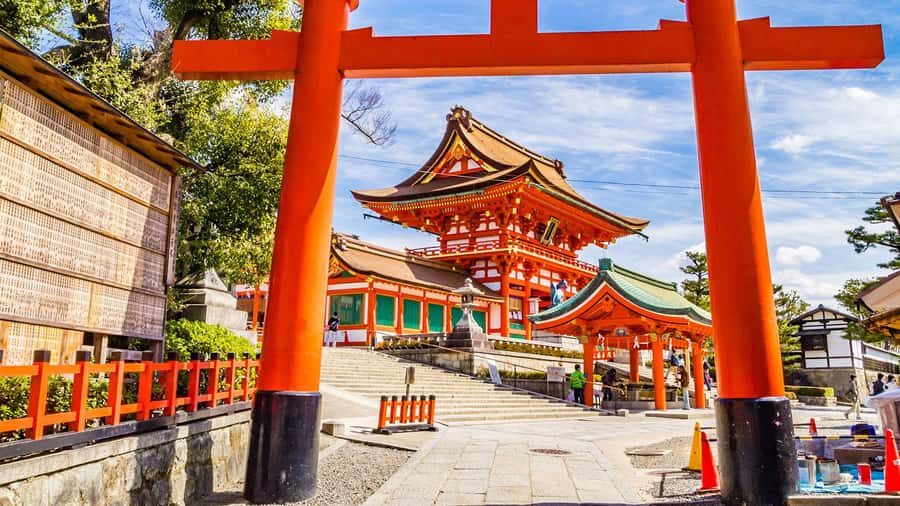
This is the heart of the tour. You’ll walk through the thousands of red torii gates at Fushimi Inari Taisha, winding up the sacred mountain as the shrine becomes a moving corridor of color.
What makes this section special is the rhythm. The path doesn’t just look scenic from one viewpoint; it keeps changing as you go higher, so your eyes always have something new to catch. With a local guide, you also get context for what you’re seeing instead of just “red gates, photo, move on.”
A practical note: the crowds at Fushimi Inari can be heavy at peak times, and the path naturally channels you in one direction. If you’re sensitive to crowds, pay attention to the timing your guide suggests for stopping and photographing so you don’t feel stuck.
Wear shoes you trust. This part is not just scenic—it’s walking, climbing, and standing on uneven ground at temple sites.
Arashiyama Bamboo Grove: that famous forest feel, with real walking time
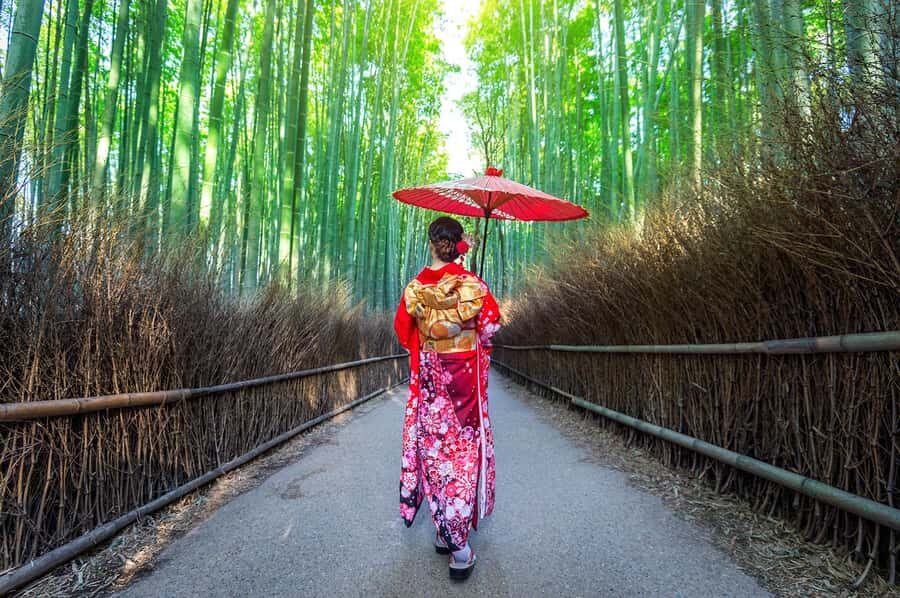
After Fushimi Inari, you head into Arashiyama for the bamboo forest experience. The bamboo grove is famous for a reason: the stalks rise high, the walkway funnels your attention forward, and the leaves create that soft rustle effect you can actually feel in the air.
People consistently highlight the bamboo as a “can’t miss” moment, and I agree it’s one of those sights where the photos look good because reality is good. The difference on a guided loop is that you’re more likely to get the right angles and not just stand at the first crowded spot.
This segment is also a useful reset. You go from shrine climb energy into a calmer, greener space where the pace can slow down. Still, expect walking—there are no shortcuts inside the grove, and your shoes matter.
If rain hits, don’t panic. Past groups have gone out on wet days, and one of the most helpful tips from guides is simply to be ready with proper rain gear and non-slip shoes so the day stays enjoyable.
Tenryuji Temple’s Zen garden: where you catch your breath
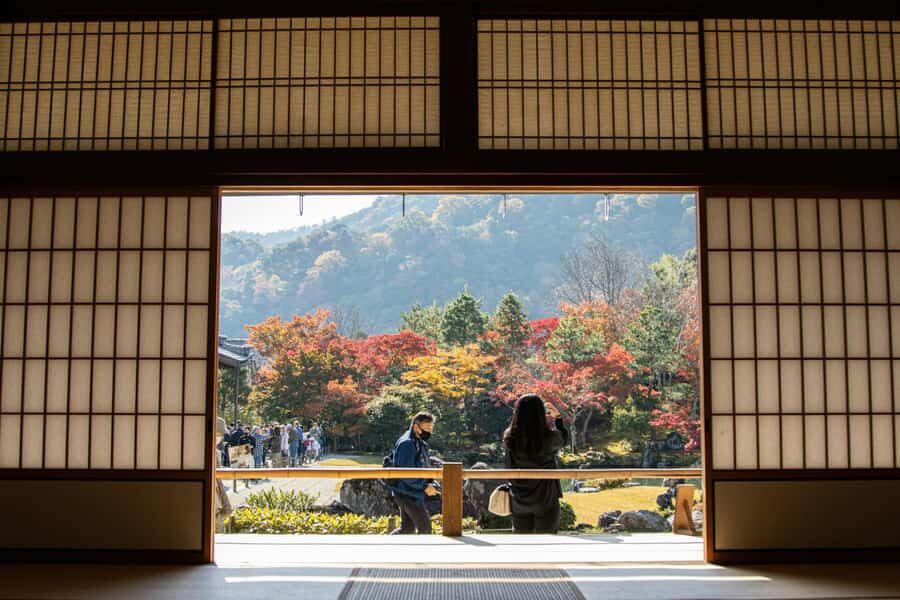
Next up is Tenryuji Temple garden, a serene Zen garden experience with entry included. This stop gives you a contrast: bamboo and shrine energy on one side, and a space designed for stillness on the other.
Tenryuji is also a UNESCO World Heritage Site, and the garden’s layout is known for its Zen-inspired design. You’ll feel the purpose in the pacing. Instead of rushing through, you get time to look, step back, and take in how the garden is arranged.
One more reason I like this stop: it’s a “mind reset.” After you’ve walked through high-drama scenery, the garden helps you switch your attention from landmark checking to quiet observation.
If the day is busy, the garden can still feel calmer than the main street zones. Your guide can help you find the views that make the photos look intentional instead of accidental.



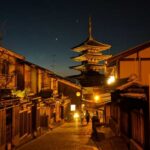
Togetsukyo (Moon Crossing Bridge): classic river views in motion
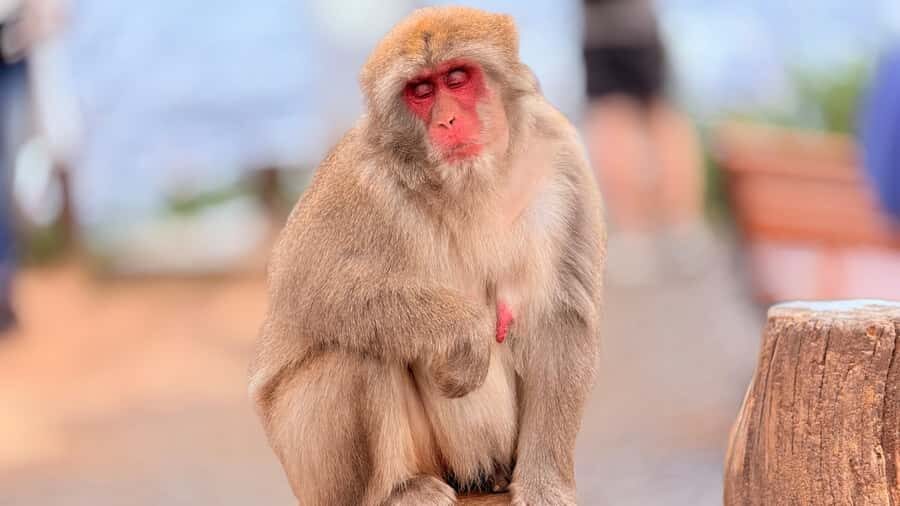
Then you cross the river area via Togetsukyo aka Moon Crossing Bridge. This bridge is one of Kyoto’s signature photo moments, and it works because it’s visually framed: water, reflections, and the sense of moving from one scene into another.
I like bridge stops on walking tours because they’re natural “breathers.” You regroup as a group, the scenery shifts, and you get those postcard views without needing to queue for a separate attraction.
On this route, the bridge also acts like a transition from temple and garden calm toward the monkey adventure. It’s the moment where the day goes from “Zen and architecture” back into “nature and wow.”
Monkey Park: the steep climb, wild monkeys, and big views
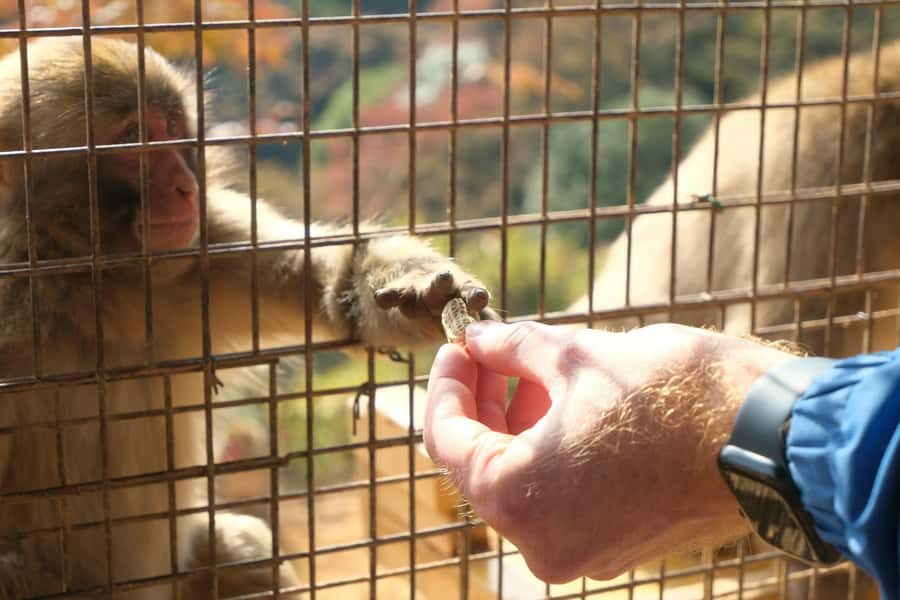
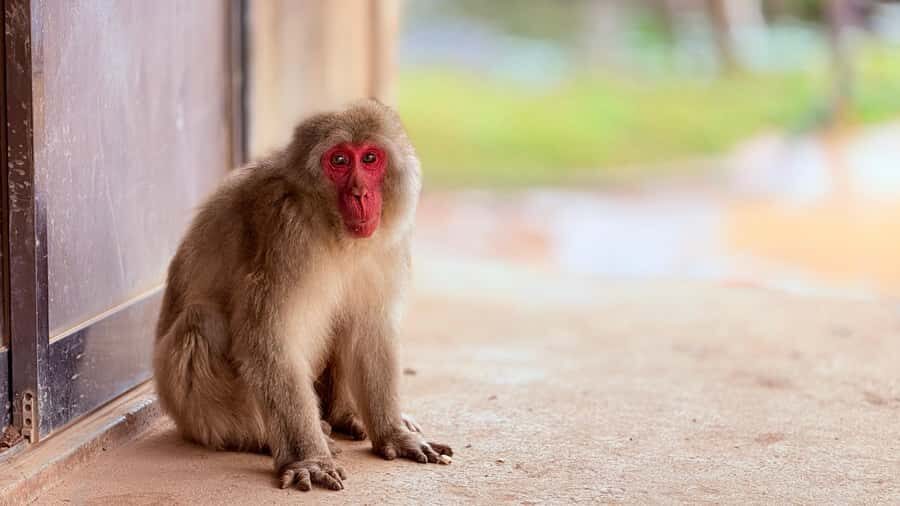
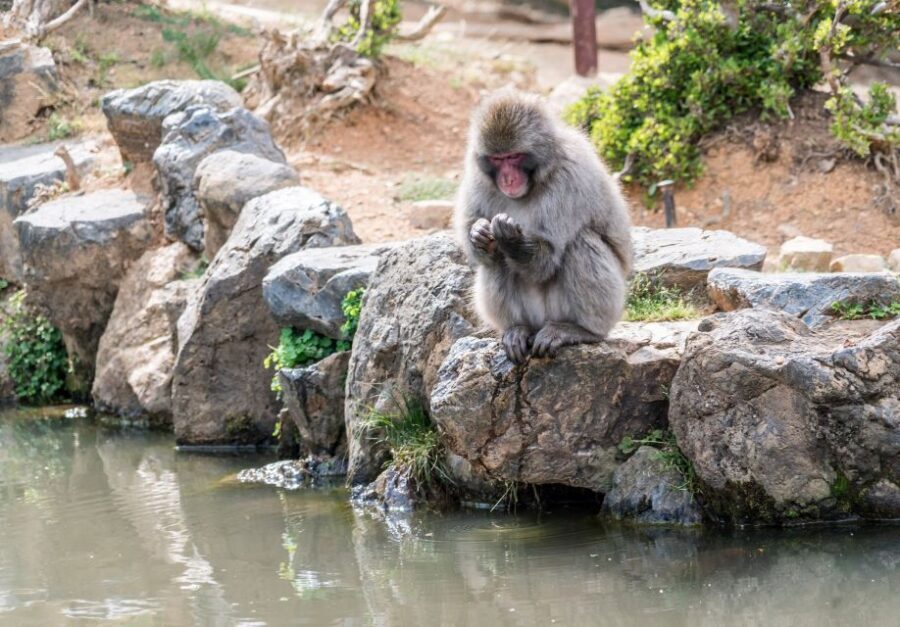
This is the section with the most physical effort. You climb up toward the Monkey Park, where wild monkeys roam and you can feed them—entry included. People have described this climb as energizing and steep, including one note calling out a steep climb route to the monkey area.
The view from up there is the payoff. You get a broader sense of Kyoto spread out in front of you, which changes how you think about the day—you’re no longer just walking within neighborhoods; you’re seeing the city as a whole.
Safety and behavior basics matter here. With wild animals, keep your items secure, listen closely to your guide’s instructions, and avoid sudden movements near the monkeys. The guide’s presence helps, but you still want your own common sense turned up.
If you have any balance concerns, take it slow. This is the part of the tour where “comfortable shoes” becomes “comfortable feet” and where you’ll want to pace yourself.
How your guide changes the day: stories, pace, and photo help
The strongest theme in the experience is the human factor: guides who keep things moving but not frantic, and who help you make the scenery look like it deserves your camera.
Past groups have specifically praised guide handling like Aron being professional and fun, and Teri or Max keeping pace with frequent chances to stop and cool off in heat. Others noted guides being patient with photos, waiting for the right angles, and answering questions without rushing anyone.
You’ll also get cultural storytelling while you walk. That’s what turns a tour from “I saw places” into “I understood what I saw.” The route includes quiet alleys and less obvious paths, so you’re not stuck doing only the most direct route between top sights.
Photo assistance shows up often too. People have said guides helped with iPhone photo tips and took photos for the group. And in at least a couple cases, guides added small extras like sake tasting or a snack stop such as pecan chocolate. Those extras may vary by guide and day, but the pattern is clear: your guide is trying to make the day feel personal.
If you care about learning and not just collecting stamps, this is a big part of the value.
What to bring (and what to avoid) for a smooth Kyoto day
This is a walking tour, so your packing list is about comfort and basic rules.
Bring:
- Comfortable shoes (you’ll be on foot a lot)
- Cash (it’s specifically called out)
Not allowed includes video recording, plus restrictions on baby strollers and non-folding wheelchairs/baby carriages. The tour also isn’t suitable for people with mobility impairments or wheelchair users.
Weather matters. One reviewer described a rainy day handled smoothly, but still emphasized that you’ll want the right rain gear and shoes. Another group pointed out intense heat, with the guide offering cool-off opportunities. Translation: Kyoto can be unpredictable, and the tour still involves steady walking.
If you’re the kind of traveler who likes long breaks, you might find this day more structured than you expect. The pace is guided, with stops, but it’s still designed as one continuous route.
Price and value: why $88 can feel fair here
At $88 per person, you’re paying for more than walking around. You’re paying for:
- A bilingual local guide
- Small-group touring
- Entry to major sites (Tenryuji garden, Monkey Park, and Fushimi Inari torii/gate route)
- The experience of moving between Arashiyama, temple gardens, a bridge, and the monkey lookout
What you don’t pay for is also clear: train fees and food drinks are not included. That’s normal for tours like this, but it changes how you budget. You’ll likely want to set aside money for lunch or snacks, even if the tour includes time to buy food.
For value, I’d focus on one thing: without a guide, you’d still be able to visit these places on your own, but you’d lose time-efficiency and context. The guide’s job here is to help you keep your route coherent, find good photo moments, and translate what you’re seeing into something you remember.
If you’re short on time in Kyoto and want the highlights connected in one go, $88 can be a good deal. If you have several days to explore slowly, you might choose to do parts independently and keep costs lower—though you’d still likely end up paying guides separately for the “story” part.
Who this Kyoto tour fits best (and who should consider alternatives)
This tour is a great fit if you want a high-impact Kyoto day. You’ll see iconic sights (Fushimi Inari and Arashiyama bamboo), add a Zen garden pause at Tenryuji, and finish with a fun wildlife stop at Monkey Park.
It’s especially good for:
- Photographers who want help with angles and timing
- Curious travelers who like legends and historical context
- People who can handle hills and a lot of walking
It may be less ideal if:
- You dislike steep climbs (the Monkey Park section is where reviews flag the challenge)
- You need mobility support or wheelchair access
- You’re very stroller-dependent (strollers are not allowed)
If you know you’ll enjoy a structured walking day, you’ll likely love how the tour connects the dots between Kyoto’s spiritual side and its natural side.
Should you book this Fushimi Inari + Arashiyama tour?
I’d book it if you want Kyoto essentials in one day and you like a local guide who keeps pace, helps with photos, and adds context as you walk. The combination of Fushimi Inari torii gates, the bamboo grove, Tenryuji’s Zen garden, Togetsukyo bridge views, and Monkey Park makes the route feel worth it.
I’d think twice if you’re not comfortable with the steep climb to the monkey area or if long outdoor walking in heat or rain will put you on edge. If you do book, plan your shoes like they’re the main attraction—and you’ll have a much better day.
If you want a Kyoto highlight route with the “wow” moments connected by story and timing, this one is a strong choice.
FAQ
Where does the tour start?
It starts at the meeting point in front of the gates of Inari station.
Does the tour include entry fees for the sites?
Yes. Entry is included for the Tenryuji Temple garden, Monkey Park, and the Mount Inari climb to see the red gates at Fushimi Inari.
What is not included in the price?
Train fees are not included, and food and drinks are not included.
How long is the tour?
It’s commonly described as about a five-hour walking experience.
Is the tour suitable for solo travelers?
Solo travelers can book, but a minimum of two guests is required. If only one guest is booked, the tour may be canceled with rescheduling or a full refund offered.
What language are the guides?
The tour is offered in English.
Are video recordings allowed?
No, video recording is not allowed during the activity.
What should I bring for the day?
Bring comfortable shoes and cash.