REVIEW · KYOTO
Home style Ramen and Homemade Gyoza in Kyoto
Book on Viator →Operated by Nariko's Kitchen · Bookable on Viator
Dumplings are better when you make them. In Kyoto, you cook home-style ramen soup and homemade gyoza inside a real house, learning step-by-step in a small group. It’s a hands-on way to understand Japanese flavors, not just watch someone else do it.
I love that you start from simple ingredients and go to the finished food: broth and gyoza skins are made from scratch. I also like the teaching style Nariko uses—patient, clear, and paced so everyone can keep up.
One thing to consider: the ramen soup uses dried fish, and you do not make ramen noodles here. If you need vegetarian food or you want noodle-making, this class may not fit.
In This Review
- Quick Highlights
- Kyoto’s Home-Style Ramen and Gyoza Lesson: The Point of Doing It In a House
- What You’ll Make (And What You Won’t): Ramen Soup, Not Noodles
- Price and Value: Why $118.92 Can Make Sense
- Nariko’s Teaching Style: Small Steps, Clear Timing, Less Stress
- From Broth to Dumpling Dough: The Real Skills You Take Home
- Building ramen soup flavor
- Making gyoza skins (wrappers) from scratch
- Cucumber pickles as a balancing act
- The 3.5-Hour Flow: How the Session Usually Feels
- Meeting Point at Matsugasaki: Getting There Without Losing Time
- Who This Class Is Best For (And Who Might Want Another Option)
- Kids, Knives, and Comfort Level: The Age Rule Matters
- Practical Tips for Getting the Most From It
- Book It or Skip It?: My Straight Answer
- FAQ
- What dishes do I learn to make in the class?
- Is this class vegetarian?
- Do you make ramen noodles here?
- How old do children need to be?
- How many people are in the class?
- What is the cancellation and change policy?
Quick Highlights
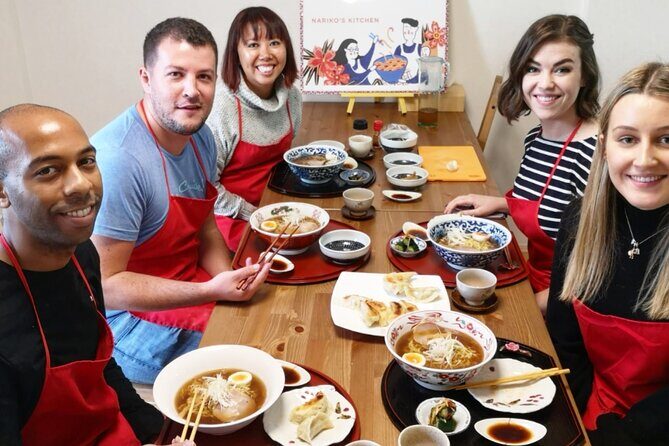
- Home cooking setup in Nariko’s kitchen, not a studio or showroom vibe
- Ramen soup from Nariko’s mother’s recipe, with dried fish as the base
- Gyoza wrappers from scratch (real dough work, not premade skins)
- Crisp, fried gyoza plus cucumber pickles to balance the meal
- Small class size (max 8) for more attention and calmer pacing
Kyoto’s Home-Style Ramen and Gyoza Lesson: The Point of Doing It In a House
This isn’t one of those classes where you assemble a few things and call it cooking. It’s a proper home-kitchen lesson where you make the core components yourself—soup, dumpling skins, filling, and the pickle side. That matters because ramen and gyoza are all about small decisions: how you portion, how you season, how you handle dough, and how you treat heat.
You’re also choosing a format that’s social without being chaotic. With a maximum of 8 people, you get the kind of teaching where you can ask questions and actually hear the answers. It’s the difference between learning and just getting fed.
And yes, the payoff is built in. You don’t just take ingredients home and hope you remember. You make food, then you eat what you made.
You can also read our reviews of more tours and experiences in Kyoto.

What You’ll Make (And What You Won’t): Ramen Soup, Not Noodles
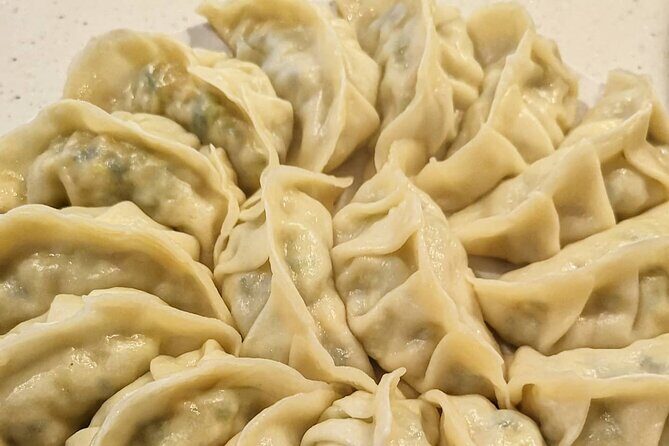
Here’s the menu, in plain terms:
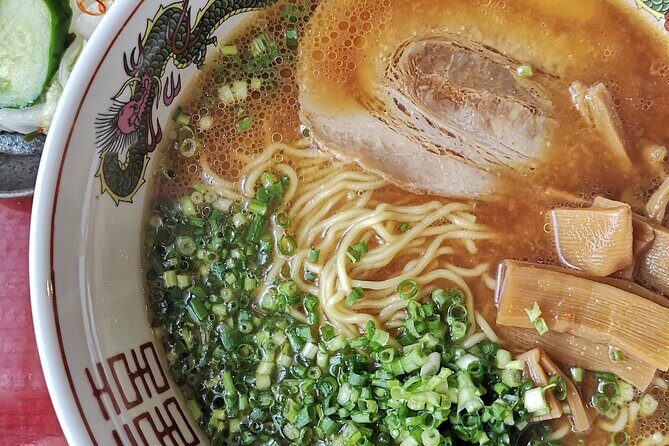
Ramen: You make ramen soup using Nariko’s mother’s recipe. You also need to know the base includes dried fish, which is common in ramen broths in Japan. The class focuses on the broth and flavor-building rather than noodle production.
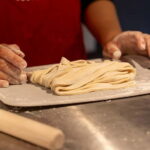
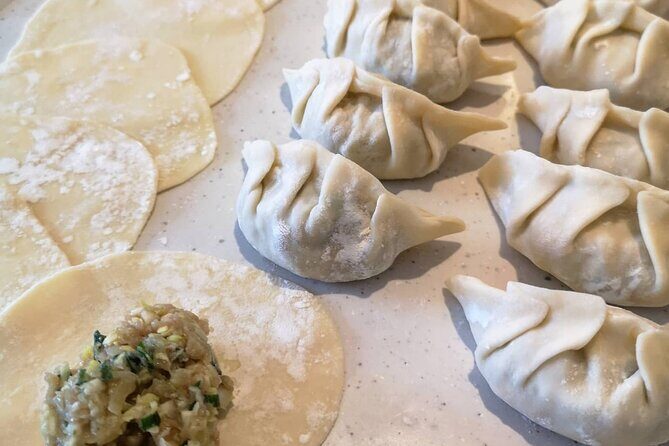
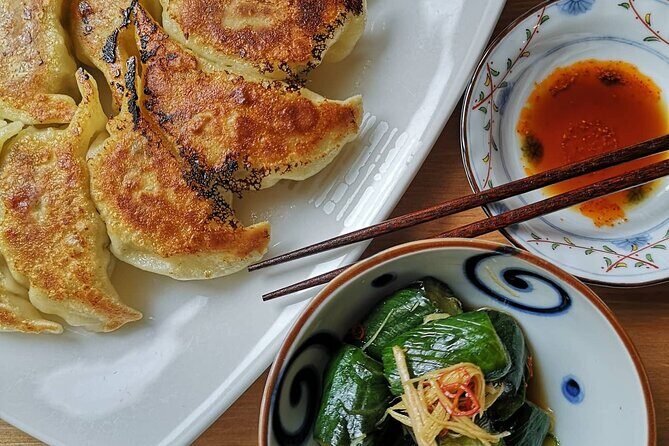
Gyoza: You make gyoza dumplings with homemade skins. That includes making the gyoza dough/wrapper from scratch. Then you fill, shape, and cook them. The style is fried gyoza, not boiled dumplings, so you get that crisp exterior people love.
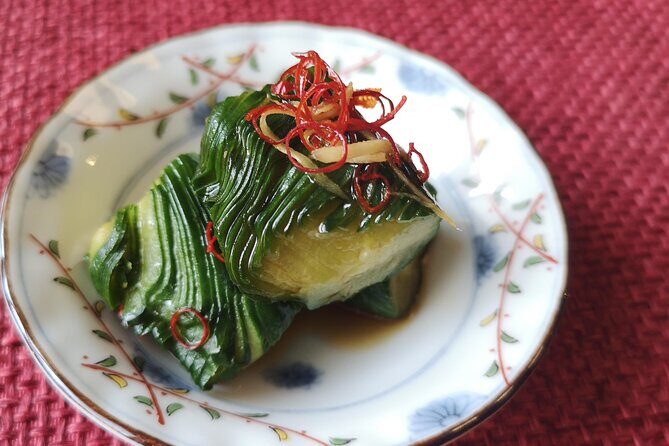
Cucumber pickles: You also make cucumber pickles as a refreshing side to cut through the savory richness.
What’s missing is also important. You do not make ramen noodles in this class. If you came for noodle-making specifically, you’ll be slightly disappointed. But if you want the part that really defines ramen—the broth—you’ll be in the right place.
Price and Value: Why $118.92 Can Make Sense
At $118.92 per person, this isn’t a bargain-bin experience. You’re paying for three things that are hard to replicate on your own:
First, you get real ingredient-to-dish instruction in a home kitchen. That means guidance on technique—especially dough work for dumpling skins—and that’s where most people struggle when they try later.
Second, you get to eat a full meal that you built. You’re not paying for a cookbook preview. You’ll taste what you made, not just view it.
Third, you’re learning skills you can repeat at home. Many people come away surprised at how approachable it feels once the steps click. And the class shares recipes after, so you can recreate the flavors later without guessing.
Bottom line: if you enjoy hands-on cooking, like dumplings, and want a calmer, small-group class with a real instructor, the price starts looking reasonable.
Nariko’s Teaching Style: Small Steps, Clear Timing, Less Stress
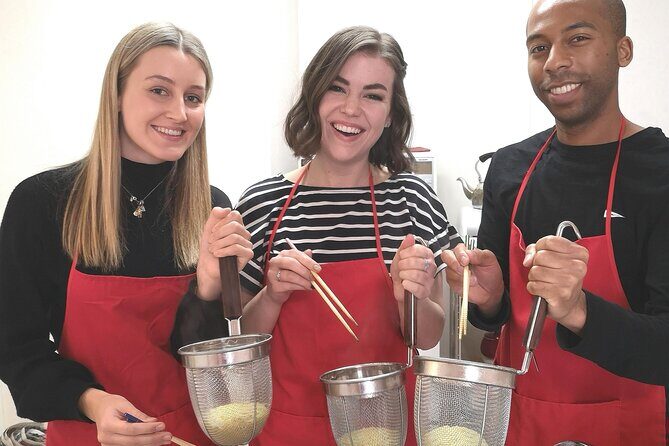
Nariko runs the class in a way that keeps you from feeling lost. The guidance is step-by-step, with time to follow along, and a pace that helps everyone keep up. In a cooking class, that’s not a minor detail. It’s the difference between learning something practical and turning out something edible but confusing.
The kitchen also tends to feel welcoming and orderly. People often highlight the home environment and the careful setup—ingredients prepared, stations laid out, and the space kept very clean. That helps you focus on the cooking instead of worrying about logistics or mess.
If you’re the type who likes to understand the why, this class fits. You’ll hear technique explanations in a way that’s easy to remember: how to handle gyoza dough, how to shape, and how to think about seasoning in ramen soup.
From Broth to Dumpling Dough: The Real Skills You Take Home
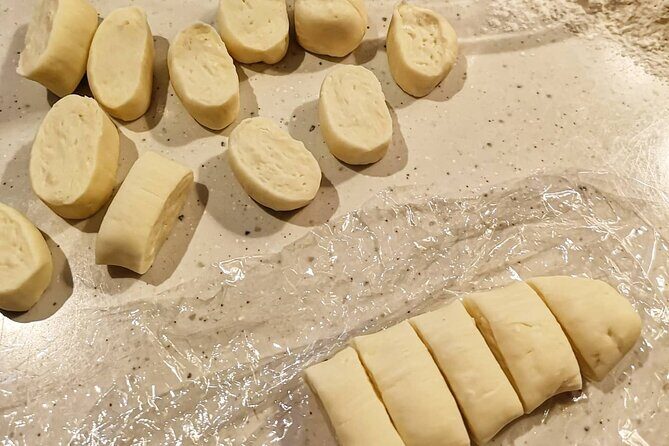
This is the heart of why the class is worth your time. You’re not only making food. You’re learning the framework behind it.




Building ramen soup flavor
You’re making ramen soup from scratch, using Nariko’s mother’s recipe. The key detail: the soup relies on dried fish. That’s why the class cannot be vegetarian—there’s no workaround offered here for that ingredient.
Even so, you’ll learn how broth flavor develops from the base and how you end up with a ramen-style soup that tastes complete. This is valuable because ramen broth is where “good ramen” and “decent ramen” diverge.
Making gyoza skins (wrappers) from scratch
This is the wow factor for a lot of people. Premade skins are convenient, but they don’t teach you anything about dough feel and thickness. Here, you make the wrappers, which helps you understand:
- how to manage dough texture
- how thin (or not) you need it
- how the dough behaves when shaping
Once you know that, gyoza stops feeling mysterious. Next time, you’ll be able to adjust and troubleshoot instead of relying on store-bought shortcuts.
Cucumber pickles as a balancing act
The pickle component matters because it teaches balance. Cucumber pickles bring acidity and crunch, which cuts through the savory, rich ramen and the deep flavor of fried dumplings. It’s also one of those sides that makes your homemade meal feel complete.
The 3.5-Hour Flow: How the Session Usually Feels
You’ll be in class for about 3 hours 30 minutes, starting at 10:00 am. It ends back at the meeting point.
In terms of rhythm, plan for a mix of:
- prep and ingredient handling
- hands-on dough and shaping work
- cooking time for gyoza
- tasting and eating together
Cooking classes often feel either rushed or slow. This one aims for steady pacing. The class is small enough that Nariko can keep you moving, while still taking the time to show key steps.
Also, you don’t walk away hungry. The meal includes what you cooked, plus enough food to feel satisfied without leaving you stuffed to the point of regret.
Meeting Point at Matsugasaki: Getting There Without Losing Time
You’ll meet at 5-6 Matsugasaki Rokunotsubochō, Sakyo Ward, Kyoto (606-0915) with a start time of 10:00 am. The activity returns you to the same meeting point.
The meeting area is described as being near public transportation, which helps. Kyoto can be tricky when you’re switching trains and buses, so I recommend you give yourself a little buffer and arrive early. A cooking class is not where you want to start the day sprinting.
You’ll also receive your confirmation within 48 hours of booking, depending on availability. And the experience uses a mobile ticket, so keep your phone charged and ready.
Who This Class Is Best For (And Who Might Want Another Option)
This class is a great match if:
- you like dumplings and want hands-on skill, not a demonstration only
- you want ramen flavor and technique, especially broth
- you enjoy learning in a small group where questions are welcome
- you want recipes you can take home and cook again later
It may not fit if:
- you need vegetarian food (the broth uses dried fish)
- you strongly want to make ramen noodles here (you don’t make noodles in this class)
- you’re planning to bring non-participating family members as spectators (space is limited, and only participants can attend)
Kids, Knives, and Comfort Level: The Age Rule Matters
If you’re traveling with family, read the rules carefully. The class requires participants to be older than 10 because knife use is part of the process. Kids should also be able to use a knife comfortably.
This isn’t a soft, kitchen-table “watch and snack” class. It’s a real cooking lesson, and that’s good for kids who can handle a hands-on step-by-step environment. For kids who don’t handle knives yet, you’ll likely want to plan a different experience.
Practical Tips for Getting the Most From It
A few things will help you get more out of your 3.5 hours:
- Come hungry, not rushed. You’ll work and taste, so plan your morning so you’re not fighting a clock.
- Ask questions early. If something feels odd—dough thickness, shaping, or timing—ask before you move on.
- Treat the pickle as part of the lesson. It’s there for a reason: balance.
- Plan for take-home use. Since recipes are shared after the class, think about what you’ll realistically cook again once you’re back home.
One extra practical note: Nariko can be helpful beyond the stove. Some people mention she assisted with dinner reservations during their stay, which can make a difference when you’re trying to fill your Kyoto evenings.
Book It or Skip It?: My Straight Answer
I’d book this class if you want a hands-on, home-style cooking experience in Kyoto with real technique—especially gyoza wrappers from scratch—and you’re comfortable with ramen broth that uses dried fish. The small group size and the way Nariko teaches make it feel manageable, even if it’s your first time working with dumpling dough.
I’d skip it if you need vegetarian food, if ramen noodles are your top priority, or if you’re hoping for a spectator-friendly “family outing” where others can watch without cooking.
If the rules fit your needs, this is the kind of class that gives you both a great meal that day and the confidence to cook Japanese food at home afterward.
FAQ
What dishes do I learn to make in the class?
You make home-style ramen soup, homemade gyoza (including gyoza skins/wrappers), and cucumber pickles.
Is this class vegetarian?
No. The ramen soup uses dried fish, and the class cannot be made vegetarian.
Do you make ramen noodles here?
No. The class focuses on ramen soup, and it does not make ramen noodles.
How old do children need to be?
Participants must be older than 10 because the class involves knife use.
How many people are in the class?
The class has a maximum of 8 travelers.
What is the cancellation and change policy?
The experience is non-refundable and can’t be changed for any reason. If the minimum number of travelers isn’t met and the experience is canceled, you’ll be offered a different date/experience or a full refund.