REVIEW · BIKE & E-BIKE TOURS
Kyoto Satoyama Cycling with Lunch and English Guide
Book on Viator →Operated by Kyoto Satoyama cycling tour · Bookable on Viator
Soba, shrines, and e-bikes in rural Kyoto. This Kyoto Satoyama cycling tour takes you out to Sonobe for a slow, scenic day of fields, river sounds, and shrine stops, led in English by locals like Maki, born and raised in the area. It’s also close enough to do as a real half-day escape from Kyoto City.
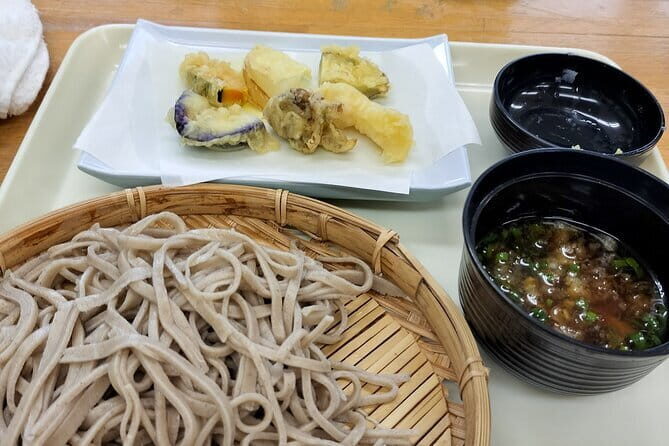
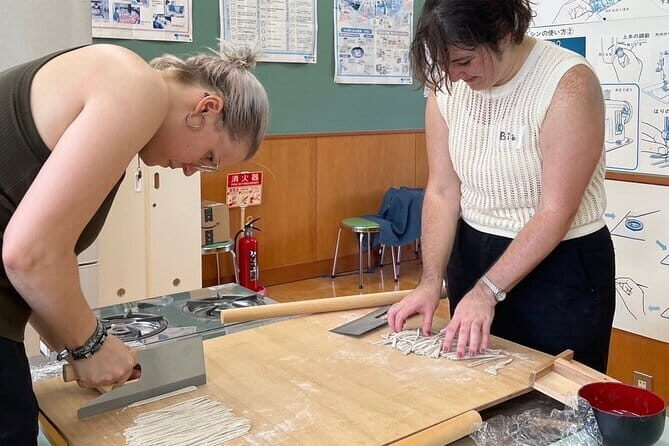
I especially like the hands-on food moment: soba noodle-making with locally harvested buckwheat, served hot in a simple setting that feels very local (tempura and rice balls are part of the meal). Then you can choose between a soba set meal (Course A) or a restaurant meal using local produce inside a traditional Japanese house (Course B).
One drawback to plan around: the tour needs good weather, and it can run longer if you add the Mario-area Mt. Komugi exploration. You’ll also spend part of your time pedaling between stops, so this isn’t the kind of day where you can pop in for just one quick thing.
In This Review
- Key Highlights You’ll Feel Fast
- Why Sonobe Satoyama Feels Like Another Side of Kyoto
- E-Bikes, Safety, and the Way the Day Flows
- Stop 1: Ikimi Tenmangu Shrine and Its Exam-Wish Focus
- Stop 2: Sonobe Castle Ruins That Now Act as a School Gate
- Stop 3: Soba Making at the Closed Elementary School Front
- Stop 4: Make Shrine and Tanba’s Farming Legacy Under a Thatched Roof
- Lunch Choices: Course A Soba Set vs Course B Traditional-House Produce
- Course A: Soba set meal style
- Course B: Local produce in a traditional Japanese house
- Dietary needs
- Extra Experiences Included: Kimono Photo, Koto, Spring Water, and Mario Mountain
- Price and Logistics: Is This Worth 15,000 Yen?
- Who This Tour Suits Best (and Who Should Rethink It)
- Should You Book Kyoto Satoyama Cycling with Lunch and an English Guide?
- FAQ
- How long is the Kyoto Satoyama cycling tour?
- What time does the tour start?
- Is the tour private?
- Where does the tour start and end?
- What are the two lunch course options?
- Do you make soba noodles during the tour?
- Are there vegan, vegetarian, or allergy-friendly meal options?
- What sites are included in the tour stops?
- What extra experiences can I add?
- What happens if the tour is canceled due to bad weather?
Key Highlights You’ll Feel Fast
- English guidance from local Sonobe people like Maki, with clear explanations at every stop
- E-bike riding on countryside roads, typically 10–20 minutes between points
- Hands-on soba making using buckwheat harvested locally
- Shrines with specific themes: learning at Ikimi Tenmangu, farming at Make Shrine
- Lunch options that match the local rhythm, from soba set meals to a traditional-house restaurant
- Free add-ons you can pick at the start: kimono photo, Koto, spring water, Castle visit, and possibly Mario Mountain
Why Sonobe Satoyama Feels Like Another Side of Kyoto
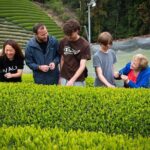
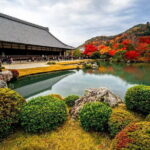
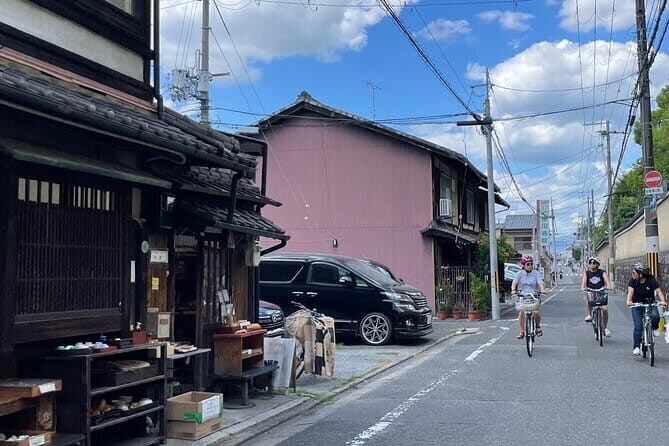
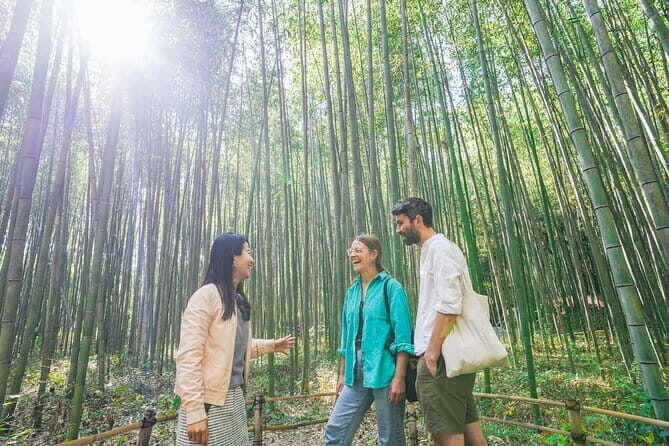
Kyoto City is famous for temples, but Sonobe is where the pace slows down. This tour takes you into the satoyama countryside around Sonobe, where you’re meant to notice ordinary things: birdsong, a flowing river, and views of mountains and fields between stops.
What helps is the structure. You’re not doing a museum marathon. Instead, you cycle for short stretches, then pause for a shrine, ruins, or a meal moment that actually teaches you something. It’s a nice match if you’ve already spent a day in central Kyoto and want your second half-day to feel more like real life outside the tourist core.
And because it’s an English guide experience with a local perspective, you’re not just seeing places—you’re getting the point of them. Guides like Maki can explain why people visit and what’s meaningful about the setting, from the exam prayers at Tenmangu shrines to agriculture-focused worship.
You can also read our reviews of more cycling tours in Kyoto Prefecture

E-Bikes, Safety, and the Way the Day Flows
This is an e-bike tour, which matters because the route is outdoors with countryside roads and some natural variation in terrain. Electric assistance keeps the experience fun instead of tiring, especially if you’re not used to biking or you’re traveling with family.
The tour time is listed as about 4 to 5 hours, and that includes cycling time between each stop (roughly 10 to 20 minutes). That’s a realistic half-day: long enough to feel like you escaped Kyoto City, short enough that you won’t feel wrecked afterward.
A practical detail that comes up in the experience: they take comfort and safety seriously. There’s mention of safety equipment and preparation for the weather, including disposable hand warmers and neck warmers in cold conditions. That’s the kind of detail that changes how pleasant the ride feels.
Because this is a private tour (only your group participates), the pace can fit your group better than the typical large-group bus day. You might see it run with bigger groups too—one example included 16 people with students and children—which suggests the format can handle different group sizes as long as your group wants the same kind of countryside day.
Stop 1: Ikimi Tenmangu Shrine and Its Exam-Wish Focus
Your first stop is Ikimi Tenmangu Shrine, and the key detail is the shrine’s purpose. It’s described as the oldest Tenmangu shrine in Japan, and it enshrines Sugawara no Michizane, the figure associated with the god of learning. People visit with the simple, understandable goal of praying for success in exams.
Why this stop is worth your time: it gives your countryside day an actual cultural anchor. You’re not just cycling through “pretty” areas—you’re visiting a place with a clear identity and a reason people come. Even if you don’t know much Japanese history, you’ll quickly get the theme once your guide frames it.
Time is short here—about 10 minutes—so it works as a gentle start. You’re warming up your legs on the e-bike, then transitioning into quiet shrine etiquette without it turning into a long detour.
Stop 2: Sonobe Castle Ruins That Now Act as a School Gate
Next comes the ruins of Sonobe Castle. This stop has a very specific claim: it’s described as the last castle built in Japan. Today, parts of it are used as the main gate of Sonobe High School, which makes the whole thing feel grounded and lived-in rather than frozen in the past.
You’ll see remaining structures such as:
- the main gate
- castle walls
- turrets
- a guardhouse
This stop lasts about 20 minutes, with free admission. For many people, the value here is how the “castle” concept becomes something you can still recognize in daily life. You’re getting the visual language of fortifications, but you’re also seeing how history sits inside modern routines.
A small consideration: because it connects to a school area, it’s smart to keep your group tidy and follow your guide’s cues for where to stand and how to move through the space.
Stop 3: Soba Making at the Closed Elementary School Front
This is the heart of the day for many visitors: the soba experience at the closed elementary school front area (listed as 旧摩気小学校前(バス)). It’s hands-on and very practical.
Here’s what you can expect:
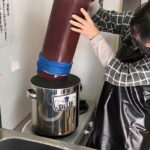
- buckwheat flour harvested locally is used
- you’ll experience making soba noodles
- the soba is freshly boiled
- tempura and rice balls are served
The time block is the longest on the route: about 1 hour 50 minutes. That length is important. Soba-making isn’t a quick “watch and clap” activity. It’s the kind of stop where you get a real feel for the process—even if you’re not a cook at home.
Why this matters for value: it turns lunch into an experience, not just a meal break. You learn where the main ingredient comes from, then you eat it while it’s still hot.
If you choose Course A, this stop pairs with a soba set meal. Course B is different (more on that below), but the soba stop itself is still part of the core structure you’ll feel during the tour.

Stop 4: Make Shrine and Tanba’s Farming Legacy Under a Thatched Roof
After lunch, you head to Make Shrine. The theme here is agriculture. The shrine enshrines the god of agriculture from the Tanba region, which historically supported the food supply of Kyoto.
There’s also a standout architectural detail: the main hall’s roof is described as a traditional thatched roof. Even if you’re not an architecture person, that look tends to slow you down. It makes the shrine feel like it belongs to the region’s rural working life rather than only to a tourism postcard.
This stop is about 30 minutes, free admission. It’s a good rhythm shift after food, and it fits the day’s overall structure: learning, fortification/guarding, food-making, and then agriculture and sustenance.
Lunch Choices: Course A Soba Set vs Course B Traditional-House Produce
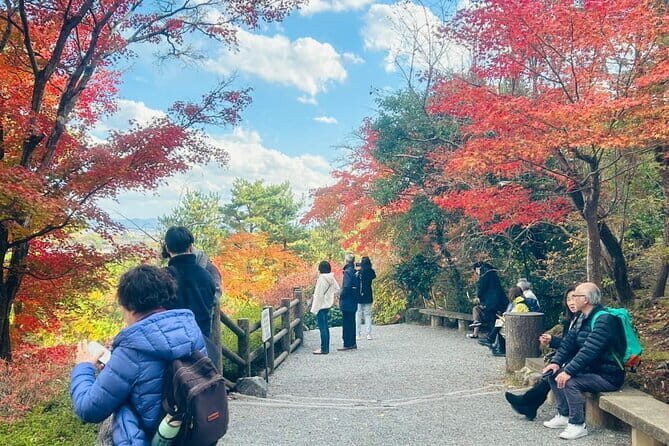
Lunch is one of the biggest decisions you’ll make on this tour, and it’s not just about taste. It’s about the kind of day you want.
Course A: Soba set meal style
If you want a more hands-on, craft-forward experience, Course A pairs naturally with the soba-making flow. You get the tactile part of the process and then a soba-focused set meal.
This is ideal if you:
- enjoy food activities
- want a clear “from ingredient to finished dish” arc
- like the idea of eating what you made
Course B: Local produce in a traditional Japanese house
Course B shifts the focus to a restaurant meal using local produce in a traditional Japanese house setting.
This fits if you want:
- a calmer food segment with more emphasis on eating
- a taste of what the region considers classic, without making the noodles yourself as the main event
Dietary needs
If you have dietary restrictions, good news: vegan, vegetarian, and allergy-friendly meals are available upon request. That matters because countryside meals can sometimes be rigid. Here, you can plan ahead with the operator and ask so the meal fits your needs.
Extra Experiences Included: Kimono Photo, Koto, Spring Water, and Mario Mountain
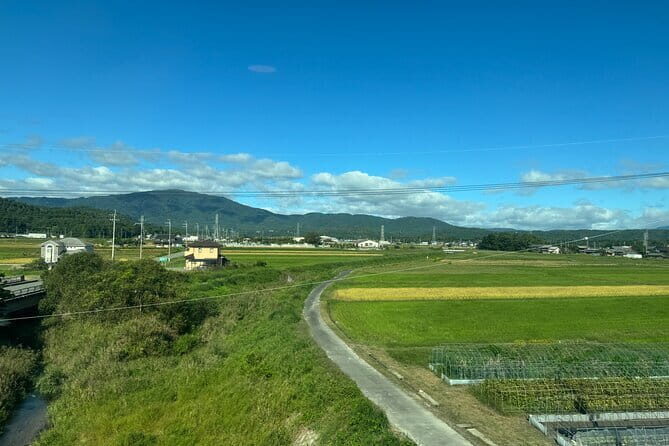
One reason this tour is good value is that you don’t just get a fixed checklist. You can choose extra experiences that are included in the tour price—typically two or three extra options selected at the start.
Examples of extras you can add:
- Castle visit
- Shinto shrine worship
- Drinking spring water (over a small mountain)
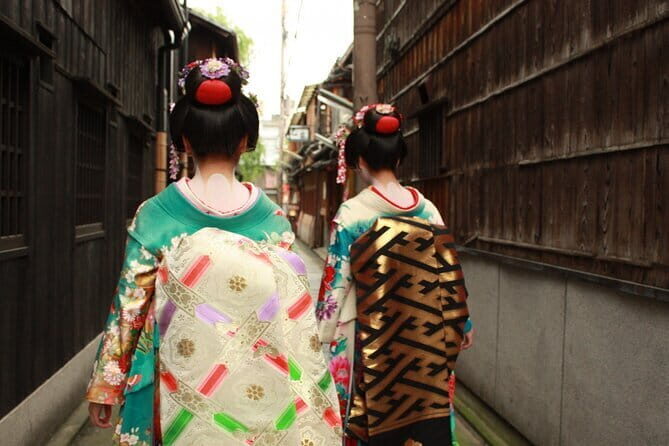
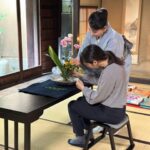
- Photo in a kimono
- Playing the Koto (Japanese traditional instrument)
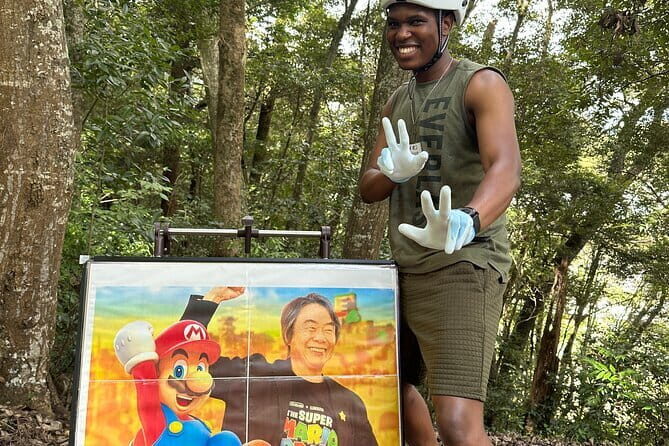
- Mario Mountain exploration
The Mario-related option is important for your timing. It’s specifically mentioned that exploring Mt. Komugi, the birthplace of Mario, may push the tour past 2 PM. So if you’ve got a later train, dinner reservation, or something scheduled, ask your guide early how they plan the order.
Also, these extras are a good way to personalize the day. Want a photo moment? Go for kimono. Want a small culture activity? Koto. Want something active but not intense? spring water walk might be your pick, since it involves moving over a small mountain.
Price and Logistics: Is This Worth 15,000 Yen?
The participation fee is 15,000 yen per person (listed around $78.83). On paper, that’s not a “cheap” half-day. In practice, it can feel fair because the tour wraps several things into one package:
- English guide support throughout
- e-bike riding for a countryside route
- multiple site visits with free admission at the listed stops
- lunch built around your chosen course (soba set meal or traditional-house local produce)
- included add-ons like kimono photo and Koto, depending on what you select
When a tour includes both transportation (e-bike) and a structured food experience, the cost is easier to justify. You’re paying for coordination and a guide who knows the local rhythm.
Logistically, you start at Mizobe-6-21 Sonobechō Oyama Higashimachi, Nantan, Kyoto 622-0041, Japan with a 10:00 am start time, and the tour ends back at the meeting point.
This tour also notes it’s near public transportation. So you shouldn’t need to rent a car. Still, it’s smart to plan to be at the meeting place a few minutes early so your group can settle in and get ready to ride.
Finally, there’s a weather dependency. The experience requires good weather, and if it’s canceled due to poor conditions, you’ll be notified by 5:00 PM the day before, then offered another date or a full refund. In other words: don’t plan this as the one trip that has to happen no matter what.
Who This Tour Suits Best (and Who Should Rethink It)
This Kyoto Satoyama cycling experience is a strong fit if you want a blend of culture and food, with actual movement through the countryside.
You’ll likely enjoy it if:
- you like practical sightseeing (short stops, clear themes)
- you want a rural Kyoto day without needing to navigate trains and local routes alone
- you want an e-bike that makes the ride easier
- you’re curious about soba and regional food
- you want English guidance from locals, not just signage and maps
It might be less ideal if:
- you hate biking, even with electric assist
- you’re trying to fit in a very tight schedule and can’t tolerate the possibility of a longer finish (like Mt. Komugi exploration)
- you’re traveling only when weather is uncertain and can’t reschedule
One more thought: it’s flexible enough for different group types. The setup has worked for family groups and also larger school-style groups, which is a good sign if you’re traveling with kids or a mixed-age group.
Should You Book Kyoto Satoyama Cycling with Lunch and an English Guide?
If you want a countryside Kyoto day that feels real—shrines, local food, and e-bike riding—the answer is yes, with a simple condition: pick the course that matches your mood.
Choose Course A if you want the hands-on soba-making focus plus a soba set meal. Choose Course B if you’d rather enjoy local produce in a traditional-house restaurant setting.
Then add extras thoughtfully. Kimono photo and Koto are great if you want culture beyond sightseeing. If you’re adding Mario Mountain exploration, keep your schedule flexible because the tour may run past 2 PM.
Finally, treat weather as part of the plan. When it’s clear, this kind of rural cycling day is exactly what you hoped Kyoto would feel like beyond the city center. When the weather turns, the good part is that the operator plans for it with rescheduling options and full refund if needed.
FAQ
How long is the Kyoto Satoyama cycling tour?
The tour is about 4 to 5 hours in total, and that includes travel time by bicycle between stops.
What time does the tour start?
The start time is 10:00 am.
Is the tour private?
Yes. It’s a private tour/activity, and only your group participates.
Where does the tour start and end?
It starts at Mizobe-6-21 Sonobechō Oyama Higashimachi, Nantan, Kyoto 622-0041, Japan and ends back at the meeting point.
What are the two lunch course options?
Course A includes hands-on soba noodle-making and a soba set meal. Course B features local produce at a restaurant in a traditional Japanese house.
Do you make soba noodles during the tour?
Yes. There is a stop that lets you experience making soba noodles using locally harvested buckwheat flour and enjoy freshly boiled soba.
Are there vegan, vegetarian, or allergy-friendly meal options?
Yes. Vegan, vegetarian, and allergy-friendly meals are available upon request.
What sites are included in the tour stops?
The tour includes Ikimi Tenmangu Shrine, the ruins of Sonobe Castle, the closed elementary school soba-making spot, and Make Shrine.
What extra experiences can I add?
You can choose two or three extra experiences included in the tour price, such as a Castle visit, Shinto shrine worship, drinking spring water, a kimono photo, playing the Koto, or Mario Mountain exploration.
What happens if the tour is canceled due to bad weather?
If canceled because of poor weather, you’ll be notified by 5:00 PM the day before. You can choose transportation by car or reschedule for another date, or cancel for a full refund.