REVIEW · WORKSHOPS
Kyoto Michelin Ramen Workshop or Painting Ramen Essentials
Book on GetYourGuide →Operated by Musoshin Fit inc. · Bookable on GetYourGuide
There’s something about making ramen that makes dinner feel like a project. This Musoshin workshop brings you into the process with hands-on noodle making and an optional painting-and-bake twist that turns a meal into a souvenir you can use.
I especially love how the team works from real production habits: noodles made every morning, broth cooked for hours, and ingredients kept in-house. You’ll also get great people skills in the room, with instructors like Koki, Makoto, Shin, Momo, Shima, Patti, Yaya, and Rose showing up in different sessions, plus extra care when kids or special diets are involved. One consideration: the workshop space can feel tight, so if you’re going with a larger group, you may want to plan on sharing a small work area.
In This Review
- Key highlights worth marking on your map
- Kyoto ramen class with Musoshin: what the experience really is
- Meeting, timing, and how the class flows in real life
- Painting your ramen essentials: spoons, bowls, and kiln-baked souvenir power
- The noodle-making hour: hands-on steps that make ramen click
- What’s in the broth: why their method tastes deeper
- Vegetarian and vegan ramen options: keeping the class inclusive
- Dinner after the class: drink, ramen, and a tight connection to what you made
- Price and value at $54: what you’re getting for the money
- Small-space reality check: who should plan for the cramped moments
- Who this Kyoto ramen workshop suits best (and who might not)
- Tips to get the most from your session
- Should you book Musoshin’s Kyoto ramen workshop?
- FAQ
- What does the workshop include?
- Is there painting or decorating, or is it only ramen making?
- Can I get vegetarian or vegan ramen?
- Is there gluten-free support?
- If I paint a bowl, can I take it home?
- What languages are offered?
Key highlights worth marking on your map

- A Michelin-nominated Musoshin connection: Musoshin Ramen in Toronto has been nominated for Michelin for three straight years, and the workshop ties into that standard.
- Noodles and broth made in-house: noodles made daily, rested overnight; soup takes 12 hours; soy sauce and roast pork are handmade.
- Optional custom dishware: design a bowl (and in some options spoons or other items), then bake it in a kiln for free and pick it up next day.
- Family friendly, hands-on format: focused for about an hour of noodle making, plus time for painting or assembly.
- Vegetarian and vegan ramen options: you can swap in plant-based versions without dropping the class experience.
- Diet support shows up in real examples: at least one class included celiac-friendly gluten-free noodles and a separate gluten-free soup.
Kyoto ramen class with Musoshin: what the experience really is
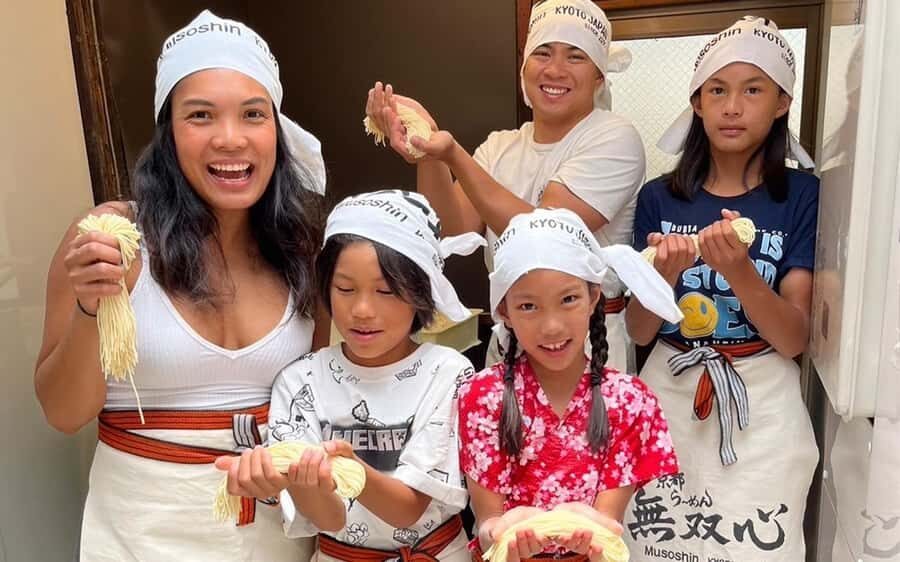
This is a class run by Musoshin Ramen, which started in Kyoto in 2022 and now has multiple restaurants across Kyoto and Toronto. The big idea is simple: they don’t just teach ramen as a concept. They teach it as a process you can repeat.
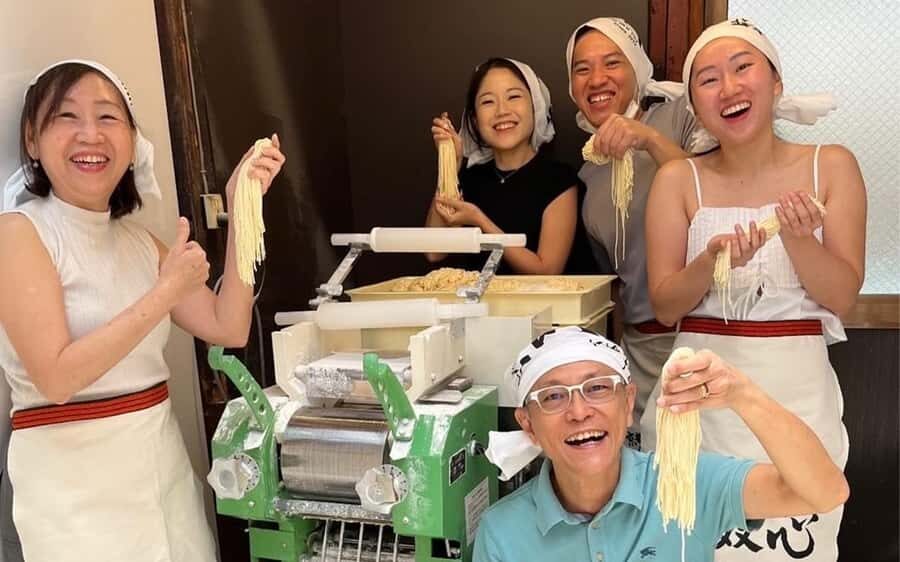
For you, that means you’re not standing back watching someone else work. You’ll get your hands involved in the steps that usually happen off-camera. Based on how the workshop is described, you should expect about an hour focused on noodle making, plus additional time for either decorating (painting essentials) or ramen assembly and eating.
If you like food experiences that feel tied to real standards, the Michelin connection matters. Musoshin in Toronto has been nominated for Michelin for three consecutive years, and the workshop is framed around that same approach—consistent recipe, consistent technique, and a restaurant meal right after.
You can also read our reviews of more tours and experiences in Kyoto

Meeting, timing, and how the class flows in real life
You’ll start at a meeting point that can vary depending on the option you book, and the experience ends back at that same meeting location. That flexibility is useful when you’re planning your Kyoto day, but it also means you should treat the exact spot as something you confirm after booking.
The flow typically feels like two halves:
- Create (either design/painting and/or hands-on noodle work).
- Eat (your ramen served at the Musoshin restaurant).
One of the nice parts here is that the class isn’t trying to be a full-day cooking school. Reviews describe it as focused and paced well enough for kids, while still giving adults enough process to feel like they learned something real. If you want an activity that doesn’t steal your whole evening, this fits.
Painting your ramen essentials: spoons, bowls, and kiln-baked souvenir power
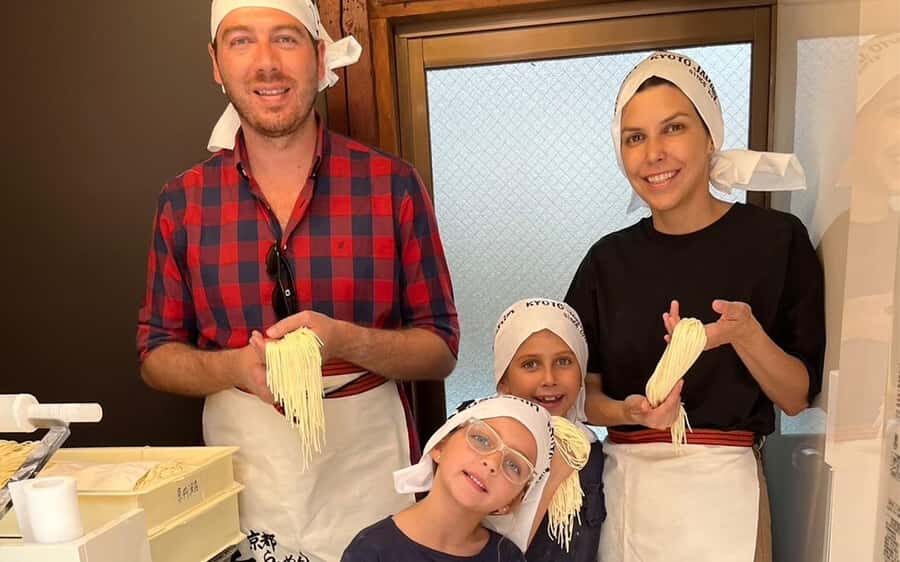
One version of the experience centers on decorating. You may paint a ramen spoon, a bowl, and/or other workshop items depending on the option. You’ll also get a Musoshin bandana used in the workshop, plus an apron in some options.
This part is more than arts and crafts. Painting a tool you’ll associate with ramen helps you remember the taste and technique later. You’re not just eating a bowl; you’re building a small link to it.
The coolest practical perk: if you design a bowl, Musoshin will bake it in a kiln for free, and you can pick it up the next day. That’s a big deal in Kyoto, where many food souvenirs are either edible once or purely decorative. Here, you’re creating something functional that you can bring home.
One small tip from experience-sharing: if you use lighter or specific colors (like pink), you may need to apply paint a bit thicker so it shows up properly. That’s the kind of detail that saves you from a disappointing souvenir.
The noodle-making hour: hands-on steps that make ramen click
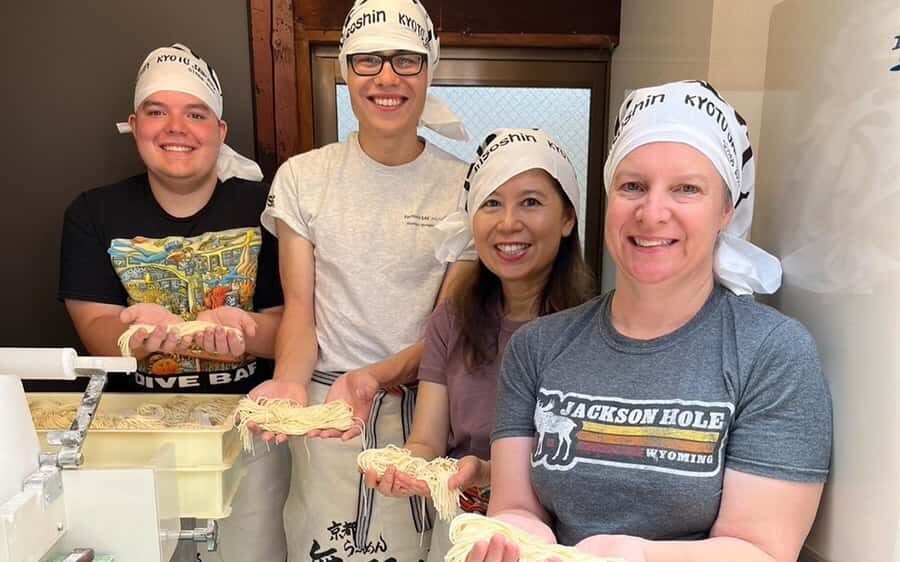
The heart of the workshop is the noodle-making process. Musoshin makes noodles every morning, then lets them sit overnight so they’re ready for the next day’s ramen. In class, you’ll learn the basic recipe and the steps behind rolling and shaping.
You’ll also see why ramen noodles aren’t just dough. The timing and texture matter. Letting noodles rest overnight changes how they handle when cooked, and you’ll feel that logic during the process even if you don’t take the noodles home to cook that same day.
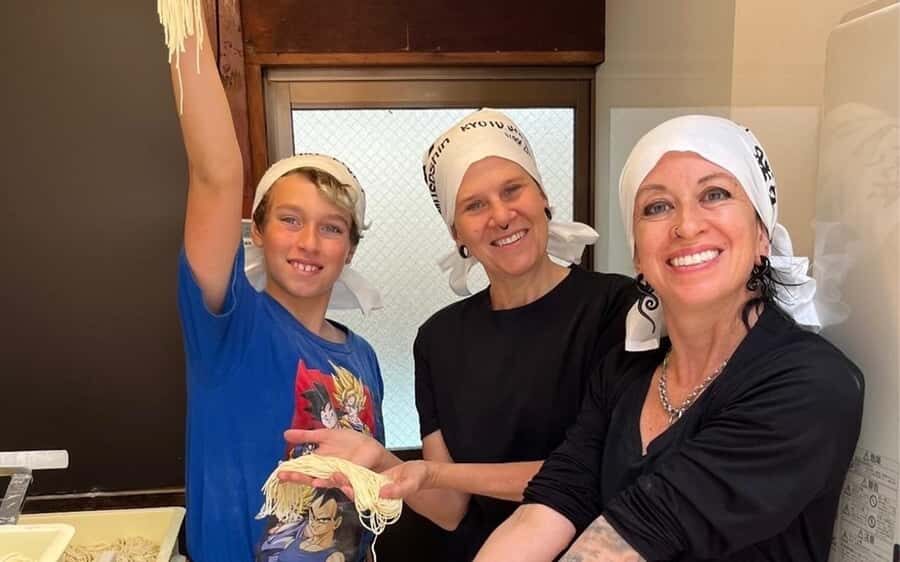
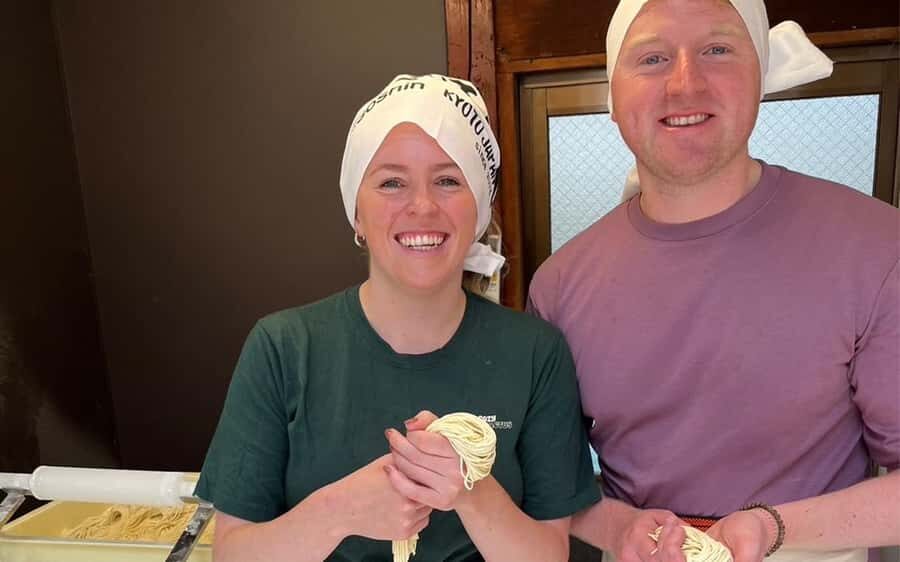
Most classes are described as hands-on and relaxed, with instructors guiding you through multiple steps and encouraging full participation. That makes it especially good if you’re traveling with kids, because they can do more than watch.
A practical consideration: noodle-making is physical. Expect a little mess and a little focus. If you’re someone who hates getting flour on your sleeves, bring a calm attitude. The payoff is that you’ll be able to explain what you did afterward, and you’ll understand why ramen tastes the way it does.
What’s in the broth: why their method tastes deeper
The class doesn’t stop at noodles. Musoshin’s approach emphasizes long fermentation-style work and careful ingredient handling.
Here’s what they highlight:
- Their ramen soup is cooked for 12 hours.
- Their ramen soy sauce is handmade.
- Their roast pork is handmade.
Even if you don’t cook it yourself in class, you benefit because the meal after is tied to the same discipline. For you, that means your experience isn’t divided into two unrelated moments—class and then random restaurant food. You taste the result of the process they taught.
This is also where the experience can become more meaningful if you’re a ramen fan who’s eaten the usual tourist bowls. When you understand the time commitment behind broth and the fact that soy sauce and pork are handmade, you start tasting technique instead of just salt.






Vegetarian and vegan ramen options: keeping the class inclusive
Musoshin offers vegetarian and vegan ramen options, which matters because it lets you stay part of the same experience rather than sitting out the meal portion.
In practical terms, you should expect that the workshop can accommodate at least plant-based ramen versions. If you have dietary preferences, check what’s available for your booked option so you’re not relying on last-minute fixes.
There’s also evidence of stronger accommodation. One example in the experience stories includes handling celiac disease by using gluten-free noodles and making a separate gluten-free soup. That doesn’t prove every session can do every diet perfectly, but it does tell you the team takes special needs seriously and communicates to make it work.
Dinner after the class: drink, ramen, and a tight connection to what you made
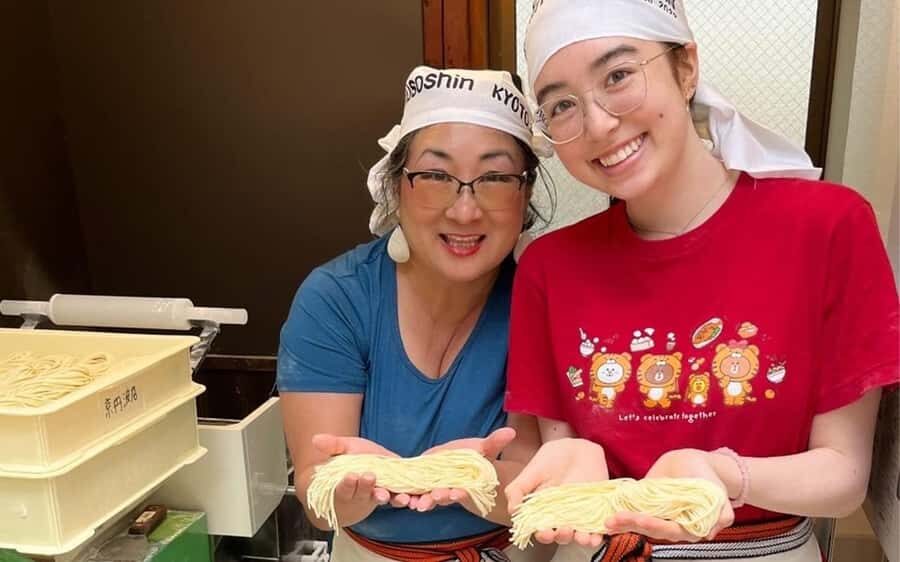
After you finish the hands-on portion, you’ll head to the Musoshin restaurant to eat ramen. A drink at the Musoshin Ramen restaurant is included, and you’ll get your meal right after learning the process.
This matters for two reasons:
- You’ll taste what you just learned while the steps are still fresh in your mind.
- You avoid the common travel problem where cooking classes turn into a scramble for dinner plans.
The restaurant part is also convenient. Reviews describe it as straightforward, with the class and meal linked in a way that feels efficient without feeling rushed.
And yes—the ramen is the point. People consistently describe it as some of the best they had in Kyoto, which lines up with the shop’s emphasis on 12-hour soup and in-house ingredients.
Price and value at $54: what you’re getting for the money
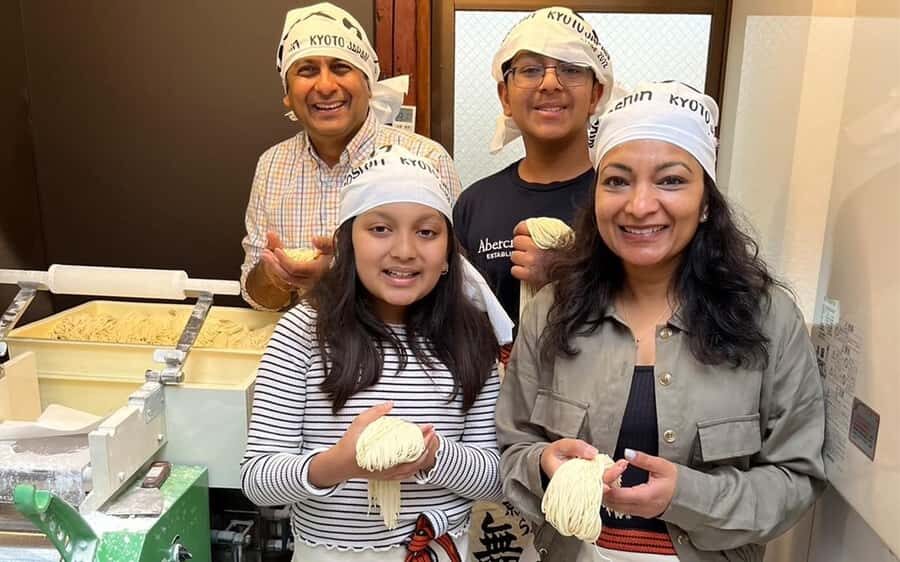
At $54 per person, this isn’t the cheapest activity in Kyoto. But it’s also not just a themed show.
You’re paying for several value blocks at once:
- A hands-on workshop (not just a demonstration).
- A meal at a Musoshin restaurant afterward, including a drink.
- A production story you can taste: noodles made on-site and broth cooked for 12 hours.
- Optional souvenir value: kiln-baked custom bowl design can turn this into something you keep and use.
If you’re traveling as a family, the class can also work as a “one activity, multiple wins” option. Kids get a tactile experience. Adults get technique and flavor context. And you leave with ramen, not just memories.
If you’re traveling solo and already know you want a ramen meal, the value shifts toward how much you enjoy learning by doing. If you love food process, it’s a strong pick. If you only want the easiest meal with no cooking effort, you may prefer a restaurant dinner and save your time.
Small-space reality check: who should plan for the cramped moments
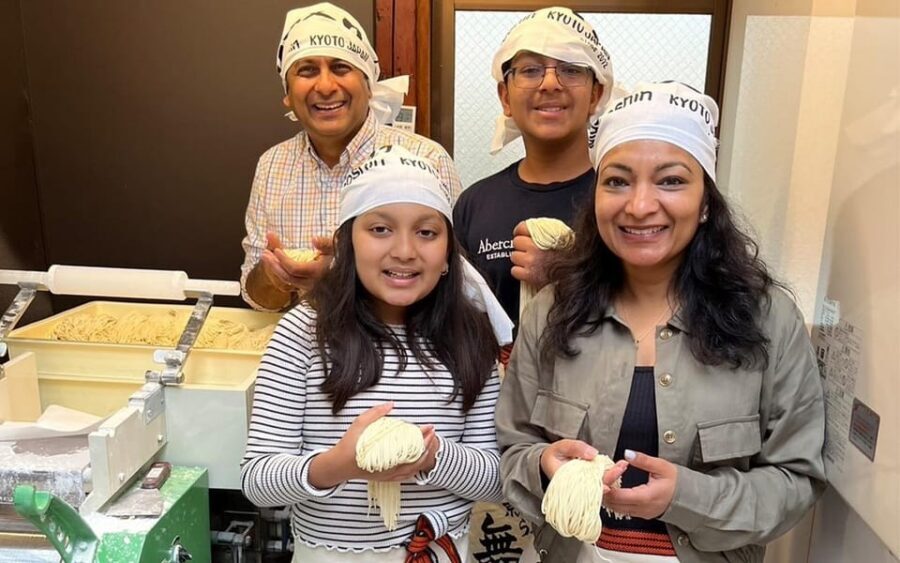
One drawback that shows up clearly: the workshop space can be extremely small. In at least one experience, a group mixing happened during the class and created a cramped feeling for a family of four.
So here’s my practical advice:
- If you’re traveling with a larger group, keep your expectations flexible.
- If you’re sensitive to tight quarters or limited personal space, consider booking earlier in the day and keeping your group smaller.
- For families with young kids, cramped space isn’t automatically a deal-breaker. It can actually help keep everyone focused on the steps. Just be prepared for shoulder-to-shoulder moments.
Who this Kyoto ramen workshop suits best (and who might not)
Book this if you:
- Want a hands-on food activity that explains the why behind ramen flavor.
- Are traveling with kids who can follow steps and enjoy working with their hands.
- Enjoy food craft and want to learn the noodle recipe basics, not just eat.
You might skip it if you:
- Hate small rooms and crowded work areas.
- Are only interested in eating and don’t want to participate in prep.
- Expect to take home cooked noodles from the workshop itself. This class focuses on learning and then eating at the restaurant, with the noodles you make described as not eaten immediately in at least one account.
Tips to get the most from your session
A few small moves will help your class feel smoother:
- Wear sleeves you don’t mind getting messy. Noodle dough is sticky; even careful handling leaves traces.
- If you’re designing a bowl or spoon, apply paint a bit thicker for visibility, especially with lighter colors.
- Ask about diet options in advance. Musoshin offers vegetarian/vegan ramen options, and there are examples of gluten-free accommodations, so you’ll want your preferences confirmed before you arrive.
- Bring a camera or phone, but keep your hands free during noodle steps. The class encourages hands-on work, and you’ll enjoy it more if you’re present.
Should you book Musoshin’s Kyoto ramen workshop?
Yes, I’d book it if your Kyoto trip includes ramen on your must-eat list and you want more than a bowl—you want the process. The combination of hands-on noodle making, in-house ingredients (including 12-hour soup), and a restaurant meal right after is a strong package for $54.
I’d think twice only if small, tight workspaces would stress you out. If that’s your situation, consider choosing a smaller group size or aiming for a time slot that feels less packed.
If you want a practical, memorable Kyoto food day—one where you learn, eat, and possibly take home a kiln-baked bowl—this is an easy yes.
FAQ
What does the workshop include?
You get Musoshin Ramen as part of the experience, a Musoshin bandana used in the workshop, and a drink at the Musoshin Ramen restaurant. Depending on your option, you may also have items like a spoon and/or bowl, plus an apron.
Is there painting or decorating, or is it only ramen making?
There are options that include painting (such as designing or painting ramen essentials like bowls and spoons) along with the ramen workshop experience. The class format can vary by option booked.
Can I get vegetarian or vegan ramen?
Yes. Vegetarian and vegan ramen options are available.
Is there gluten-free support?
The information provided includes an example where the team supported celiac disease with gluten-free noodles and a gluten-free soup prepared for the person. If you need gluten-free, it’s smart to confirm details during booking.
If I paint a bowl, can I take it home?
Yes, if your option includes it. Your designed bowl can be baked in a kiln for free, and you can pick it up the next day.
What languages are offered?
The workshop is available in English and Japanese.