REVIEW · EVENING EXPERIENCES
Experience Japan’s Traditional Culture Night Tour in Kyoto
Book on Viator →Operated by JTB Global Marketing & Travel Inc. · Bookable on Viator
You only have a few hours, but Kyoto gives you a whole night. This tour strings together Gion Corner performances, a lantern-lit walk through historic streets, and a candlelit tea ceremony in central Gion. It is a clean way to see what Kyoto tradition looks like in one evening.
I love that you get guided context from a National Government Licensed English guide, not just silent sightseeing. I also like the pacing: time for the stage at Gion Corner, a real neighborhood stroll on Hanamikoji Street, and then the quieter ryokan courtyard experience for tea and dinner.
One thing to consider is logistics. The tour starts at Good Nature Hotel Kyoto, and you’ll have travel and waiting time built into the 4-hour block, so plan to be flexible and show up a few minutes early.
In This Review
- Key highlights you’ll notice fast
- A 5:05 pm rhythm for Gion, stages, and tea
- Gion Corner: the mini-theater of Kyoto performing arts
- Hanamikoji Street and the Gion Shimbashi walking segment
- Ryokan Yoshi-Ima tea in Kurenaitei: quiet, candlelit, and close
- Zen-style vegetarian dinner: what’s included and what to watch for
- Price and value: what you’re actually paying for
- Logistics that can make or break your night
- Who should book this Kyoto Traditional Culture Night?
- Should you book this Kyoto Traditional Culture Night Tour?
- FAQ
- What is the total duration of the tour?
- What time does the tour start in Kyoto?
- How much does the tour cost?
- Where do you meet, and where does the tour end?
- What is included in the price?
- Are drinks with dinner included?
- What happens at Gion Corner?
- Does the performance vary by season?
- Is the dinner vegetarian-friendly?
- Are there age limits for participants?
- Can I cancel for a full refund?
Key highlights you’ll notice fast
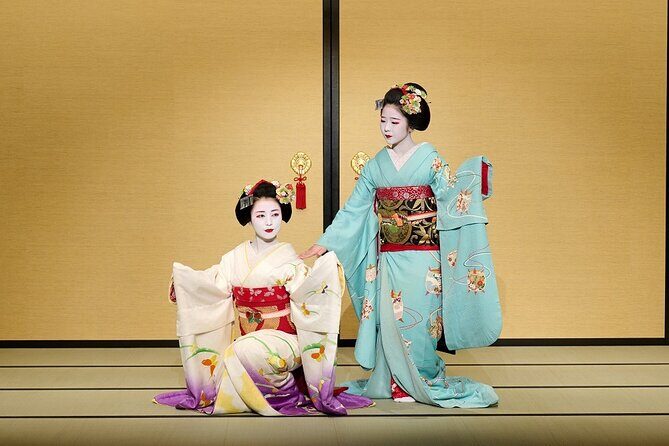
- Gion Corner at night: dance, tea ceremony, flower arrangement, koto, bugaku, kyogen, plus either bunraku or noh depending on the season
- A preserved Gion walk: Hanamikoji-dori with traditional teahouses and a stop near the Gion Shimbashi preservation area
- Candlelit tea ceremony: held in a dedicated tea room at Ryokan Yoshi-Ima (Kurenaitei)
- Zen-style vegetarian dinner: Buddhist-style meal included after your tea, with a few important ingredient notes
- Small group size: capped at 24 travelers, which helps the night feel less chaotic
- 4-hour total time block: about 2 hours 50 minutes of planned activities, with extra time for travel and performance waiting
A 5:05 pm rhythm for Gion, stages, and tea
This experience runs in the evening, starting at 5:05 pm. The total time you’re planning for is about 4 hours, and that includes the time it takes to get from place to place and to wait for show timings. The actual content you’ll do is around 2 hours 50 minutes, so you are not trapped in a long bus ride or stretched schedule.
The value is that several parts of Kyoto’s tradition are packaged together: the public “stage” side at Gion Corner, then the slower, more intimate ritual at a ryokan, followed by dinner. If you’re trying to build a Kyoto plan without spending half your evening figuring out routes, this is a practical option.
Pricing is $175.60 per person, and it is not just paying for entry. Included are admission fees, a Japanese-style dinner, and the guide interpreter fee. Drinks with dinner are not included, so if you want alcohol or specialty beverages, you’ll pay extra.
You can also read our reviews of more evening experiences in Kyoto

Gion Corner: the mini-theater of Kyoto performing arts
Gion Corner is the anchor of the night. You start there and spend about 50 minutes. Think of it as Kyoto tradition in a compact program: multiple arts in one sitting, guided so you can understand what you’re watching instead of guessing.
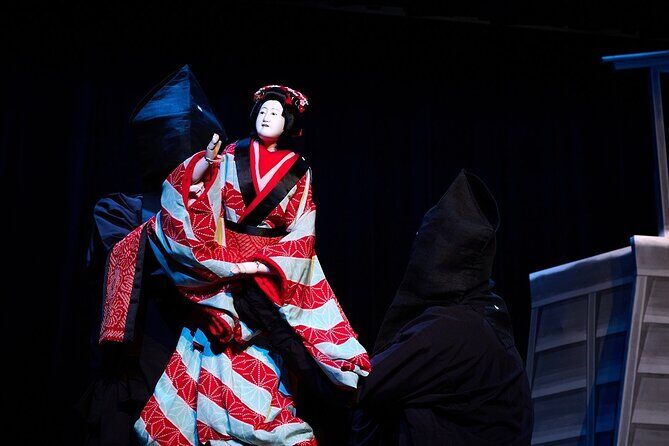
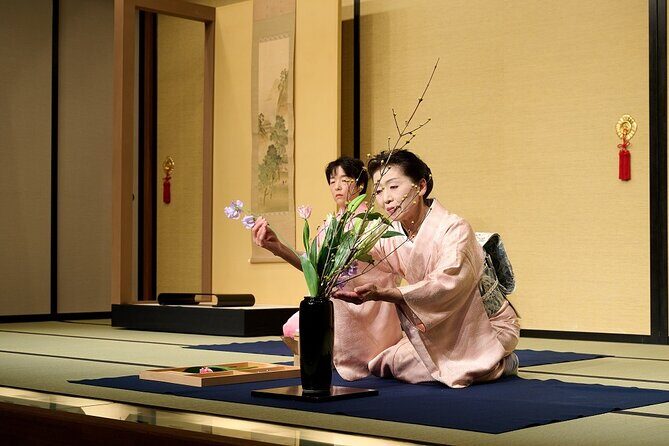
Depending on the season, the program changes. From Mar. 15 to Nov. 30, you can see a traditional Kyoto dance, a tea ceremony segment, flower arrangement, koto music, bugaku (court dance and music), and kyogen (traditional Japanese comic theater), plus either bunraku or noh. From Dec. 1 to Mar. 14, the lineup includes the Kyoto dance, tea ceremony, flower arrangement, koto, bugaku, and kyogen, with bunraku/noh not listed for that winter program.
This seasonal swap matters. If you’re traveling in winter, you’ll get a slightly different mix of performance types than someone going in summer or fall. Either way, it’s designed so you experience several styles without needing separate tickets. Also note that the content can change, so treat it as a program, not a guaranteed exact script.
One extra perk worth knowing: customers can take a commemorative photo with the maiko. That’s not a small thing in Gion, where you often feel like you’re just passing by the real action. Here, it’s part of the experience flow, so you’re not scrambling for the moment.
A potential drawback: performances run on their own timing. Because the tour block includes waiting time for show scheduling, your evening pace may feel different than a self-guided walk where you can stop and start freely. Still, having an English guide helps you make that waiting feel useful instead of empty.
Hanamikoji Street and the Gion Shimbashi walking segment
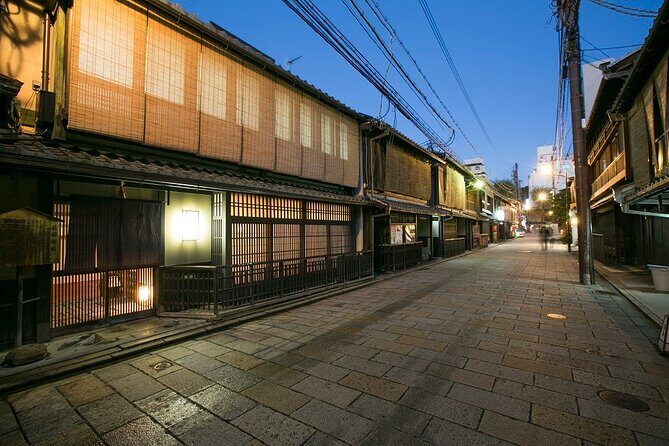
After Gion Corner, you shift gears to the neighborhood side. You’ll walk for about 30 minutes from Hanamikoji-dori toward Gion Shimbashi, which is an Important Preservation District for Groups of Traditional Buildings.
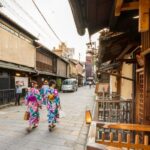
This part is where the tour does something self-guided trips often struggle with: it turns your eyes toward the small things. Historic teahouses and traditional storefront rhythm show up more clearly when you’re with someone who can point out what you’re seeing and why it matters. You also get a sense of the atmosphere after dark, especially with the streets illuminated by paper lanterns, which is when Gion feels most storybook.
What you should know is that you’re not going on a long hike. This walk is short, on purpose. It’s meant to connect the stage experience to the ryokan ritual without burning time before dinner. If you like photography, you’ll likely use this segment to get street shots while the lighting is still good.
Ryokan Yoshi-Ima tea in Kurenaitei: quiet, candlelit, and close
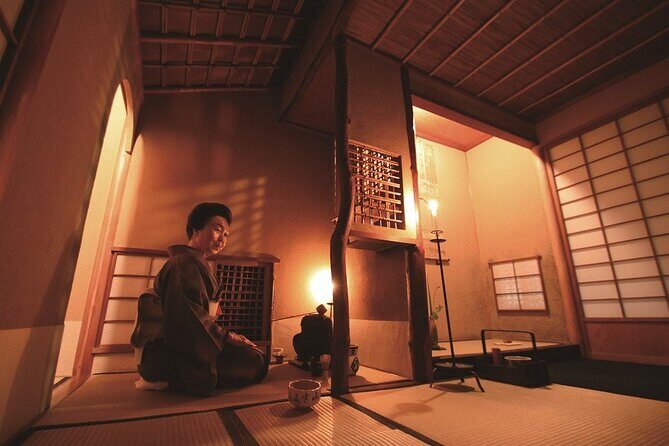
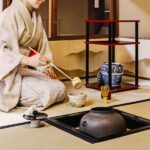
The most peaceful part of the evening is the tea ceremony at Ryokan Yoshi-Ima, specifically in the tea ceremony room called Kurenaitei. This stop runs about 1 hour 30 minutes, and it is candlelit—so the vibe shifts from public theater to calm ritual.
The tea ceremony is where the tour becomes less about checking off sights and more about slowing down. The guide’s role matters here too. When you understand the order and meaning behind the gestures, you feel less like an observer and more like you’re participating in the moment, even if you’re simply watching.
Because this is a private evening tea ceremony setup as described, you’ll usually feel less like you’re in a crowded demo line. That makes a difference if you’ve done other cultural shows where you stand shoulder-to-shoulder and the room feels like a waiting area.
Practical note: candlelit spaces are often dim. If you wear glasses, expect slightly lower light. If you’re sensitive to low-light conditions, you might want to set expectations for photos and video quality.
Zen-style vegetarian dinner: what’s included and what to watch for
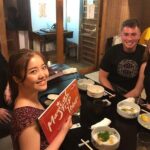
Dinner comes after your tea. It’s described as a Zen-style vegetarian dinner reflecting Buddhist culinary traditions, and it is included. You also get miso soup and rice served as part of the meal.
Here is the important part for anyone managing food needs. The meal is vegetarian friendly, and the tour says they welcome vegetarian participants. But bonito stock is used in the tempura dipping sauce. They do offer a workaround: salt can be used instead of the tempura dipping sauce.
They also provide specifics about the tempura components: tofu, namafu (wheat gluten), yuba tofu skin, and seasonal vegetables such as eggplant, lotusroot, ginger, and shiitake mushrooms. If you’re vegetarian but also avoid fish products strictly, you should make sure you request the salt alternative so the bonito stock doesn’t show up for you.
One limitation you should be aware of: requests for Muslim-friendly meals, Indian thali meals, or allergy-friendly meals are not accepted. So if you have allergies or follow a religious dietary requirement beyond vegetarian, this may be the wrong fit.
After dinner, the tour ends at Ryokan Yoshi-Ima in the center of Gion. That’s handy. You can walk off your meal and keep exploring without needing another pickup.





Price and value: what you’re actually paying for
At $175.60 per person, this tour isn’t cheap on paper. But you’re paying for a bundle:
- Admission fees to Gion Corner
- A private candlelit tea ceremony setup at the ryokan
- A dinner that’s specifically described as Buddhist-style vegetarian
- A National Government Licensed English guide
- A group size cap of 24 travelers, which helps with comfort
If you were booking these pieces separately, you’d likely spend time and money coordinating tickets, venues, and timing. Here, the tour handles the flow. That time-saving is part of the value, especially if you’re only in Kyoto for a short window and want a guided experience that still leaves you free after dinner.
It also helps that the tour includes waiting time planning, so you’re not stuck stressing about when to be seated for a performance. The evening is structured, and that structure can be a relief.
Logistics that can make or break your night
This is where small details matter, and the tour has a few that you’ll want to respect.
First, the meeting point is Good Nature Hotel Kyoto (Inarichō area), and the tour ends at Ryokan Yoshi-Ima in central Gion. That is convenient for staying in the same general neighborhood, but it does mean your start location may feel removed from Gion proper. If you’re using transit, you’ll want to arrive early enough to settle your nerves before the start time of 5:05 pm.
Second, the tour uses a mobile ticket, which is straightforward. You just need to have your ticket ready when you meet up. Confirmation is received within 48 hours of booking, subject to availability.
Third, there’s been a change in how the group reaches Gion Corner for some start dates. The provider updated transportation from taxi to walking starting in December 2024. That’s the kind of practical tweak that can save time and reduce stress during rush hour. If your travel dates fall before that change, you may still experience a different first-leg transfer plan, so keep an eye on the exact instructions you receive after booking.
Finally, performances and tea ceremony schedules can create waiting. You should treat the full 4-hour window as part of the experience, not extra time you didn’t want. When you’re ready for that, the evening feels smooth instead of rushed.
Who should book this Kyoto Traditional Culture Night?
I think this tour fits best if you want a guided evening that checks three boxes at once: performance, neighborhood atmosphere, and a ritual meal.
You’ll likely enjoy it if:
- You want to understand what you’re seeing at Gion Corner rather than just watching movements
- You like the idea of candlelit tea rather than a quick photo stop
- You prefer a small-group night plan with about 24 travelers maximum
- You want dinner included so you’re not hunting for a Buddhist-leaning vegetarian option late in the evening
It may be less ideal if you have strict dietary needs beyond vegetarian. The tempura dipping sauce includes bonito stock unless they adjust it using salt instead, and they don’t accept allergy-friendly or certain religious meal requests.
It also may not suit families with very young kids. Participants under 7 years old may not participate, and anyone under 18 needs written parental permission. If you’re traveling with minors, make sure you follow those requirements before booking.
Should you book this Kyoto Traditional Culture Night Tour?
If you’re choosing between a self-guided Gion stroll and a structured cultural evening, I’d lean toward this tour when you want maximum meaning per hour. Gion Corner gives you a fast introduction to multiple art forms, the lantern-lit walk helps you feel the neighborhood at night, and the candlelit tea ceremony brings you into a slower rhythm you just don’t get from wandering alone.
I would only hesitate if you’re very particular about dietary restrictions beyond vegetarian, or if the idea of fixed show timings makes you uncomfortable. Also, if you hate any chance of getting time-wasted in transit, double-check how your start will work on your dates.
Overall, for a first-timer or anyone who wants Kyoto tradition packaged in a tight evening, it’s a strong choice—especially because the end point puts you right back in Gion after dinner.
FAQ
What is the total duration of the tour?
The total tour duration is about 4 hours. The planned activities add up to about 2 hours 50 minutes, with extra time for travel and waiting for performances.
What time does the tour start in Kyoto?
The start time is 5:05 pm.
How much does the tour cost?
The price is $175.60 per person.
Where do you meet, and where does the tour end?
You meet at Good Nature Hotel Kyoto and the tour ends at Ryokan Yoshi-Ima after dinner.
What is included in the price?
Admission fees, a Japanese-style dinner, and the National Government Licensed English guide interpreter fee are included.
Are drinks with dinner included?
Dinner time drink charges are not included.
What happens at Gion Corner?
You watch traditional performance arts including Kyoto dance, tea ceremony, flower arrangement, koto music, bugaku, kyogen, and either bunraku or noh depending on the season. A commemorative photo with the maiko is also mentioned.
Does the performance vary by season?
Yes. The program changes between Mar. 15 – Nov. 30 and Dec. 1 – Mar. 14, and either bunraku or noh is performed depending on the season.
Is the dinner vegetarian-friendly?
The dinner is described as Buddhist vegetarian cuisine, but bonito stock is used in the tempura dipping sauce. The tour notes that salt can be used instead of the tempura dipping sauce.
Are there age limits for participants?
Children under 7 years old (0–6) may not participate, and minors have written parental permission requirements.
Can I cancel for a full refund?
Yes, you can cancel up to 24 hours in advance for a full refund.