REVIEW · KINKAKUJI (GOLDEN PAVILION) TOURS
Kyoto: Kinkakuji, Golden Pavilion Guided Tour
Book on GetYourGuide →Operated by DeepExperience, Inc. · Bookable on GetYourGuide
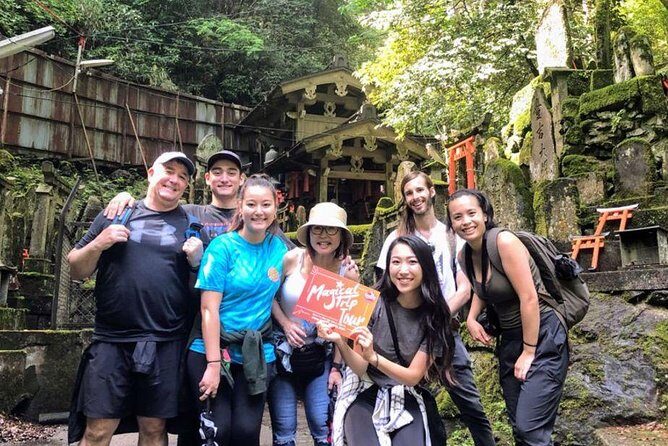
Kyoto’s Golden Pavilion looks better with context. A guided walk through Kinkaku-ji gives you the best viewpoints fast, and I love how the gold-leaf glow over the pond becomes way more meaningful once your guide explains what you’re seeing. The other big win is the people factor: guides like Tomoko, Julien, and Teppei turn a crowded temple stop into a chatty, organized visit where you know where to look and why it matters.
The one drawback to plan for is crowding. If you go around the busiest parts of the day, Kinkaku-ji can feel like a highlight reel in motion, so you’ll want to lean on the guide for timing and angles instead of trying to freestyle.
If you like temples but also like getting value for your time, this format makes sense: Kinkaku-ji first for photos and architecture, then Ryōan-ji for a second stop with a guided lens.
In This Review
- Key things you’ll enjoy most
- Kinkaku-ji’s Golden Pavilion: Why the Pond Reflection Is the Real Hook
- How the Tour Handles Timing: 90 to 210 Minutes Without Feeling Rushed
- Choosing Your Start Point: Sōmon vs Yamazaki-an
- Kinkaku-ji Visit: Photo Stop, Guided Stories, and Time to Wander
- What you’ll do at Kinkaku-ji
- Why the guide matters here
- Crowd reality check
- Ryōan-ji After Kinkaku-ji: A Second Guided Lens
- Drop-Off Options: Ending at Sōmon or Ryōan-ji’s Entrance
- English and Japanese Guides: What You Gain From a Real Person
- Price and Value: Is $64 Worth 90 to 210 Minutes in Kyoto?
- Tips to Make Your Visit Easier (And Better Photos)
- Go for angles, not just landmarks
- If you can, avoid the peak crowd window
- Use the guide for more than facts
- Expect a human pace
- Who This Tour Fits Best
- Should You Book This Kyoto Golden Pavilion + Ryōan-ji Tour?
- FAQ
- How long is the Kyoto Kinkaku-ji Golden Pavilion guided tour?
- What does the tour include?
- Which places are visited?
- What is the price per person?
- What languages are available for the guide?
- Is this tour private or small group?
- Where do we meet the guide?
- Where do we get dropped off?
- Is there a photo stop at Kinkaku-ji?
- Can I cancel if my plans change?
Key things you’ll enjoy most
- Golden Pavilion reflections: the pond shots are the main event, and your guide helps you aim for the best views
- Fast, focused pacing: an around-1.5-hour guided block keeps you from wandering in circles
- Real guide personality: English-speaking guides such as Julien and Tomoko are repeatedly praised for their clarity and friendly energy
- Garden and teahouse time: you get time for the grounds and a calmer pause at the teahouse area
- Helpful photo support: several guides actively help guests with photos and timing in busy spots
- Religion + architecture explained: some guides connect the site’s visual design to Buddhist and Shinto ideas
Kinkaku-ji’s Golden Pavilion: Why the Pond Reflection Is the Real Hook
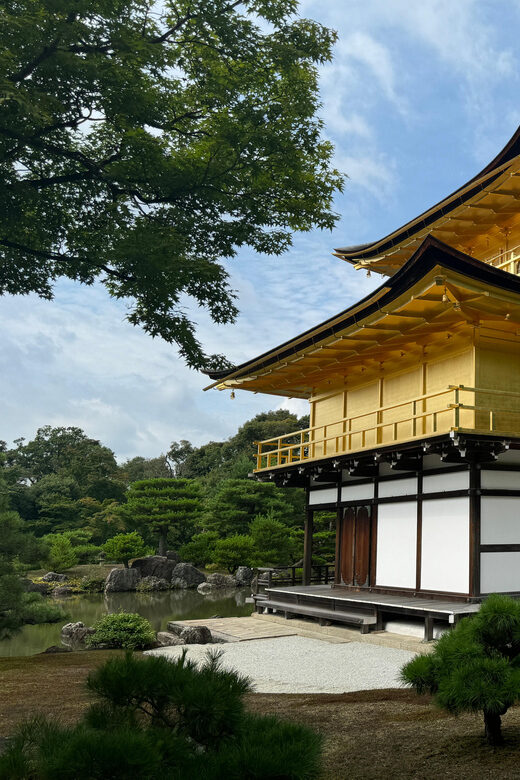
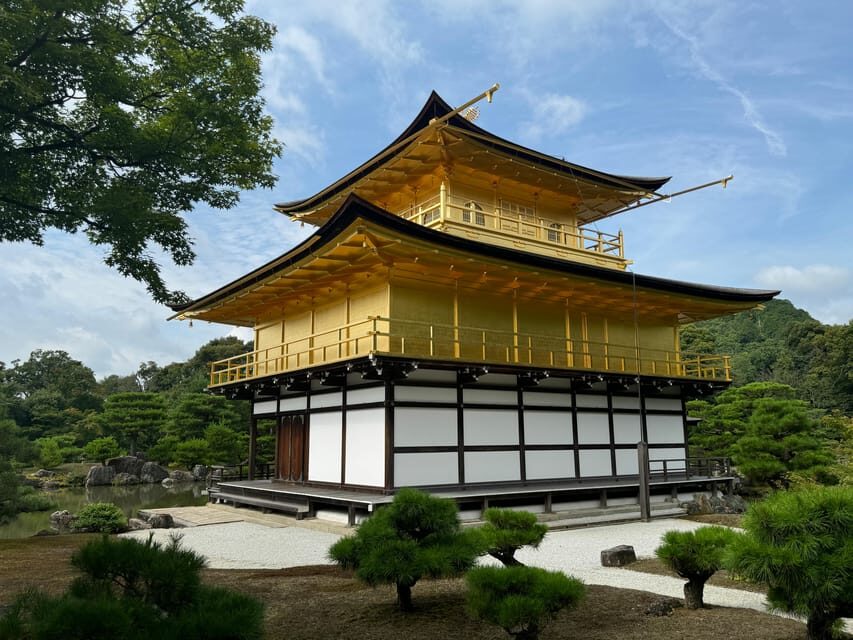
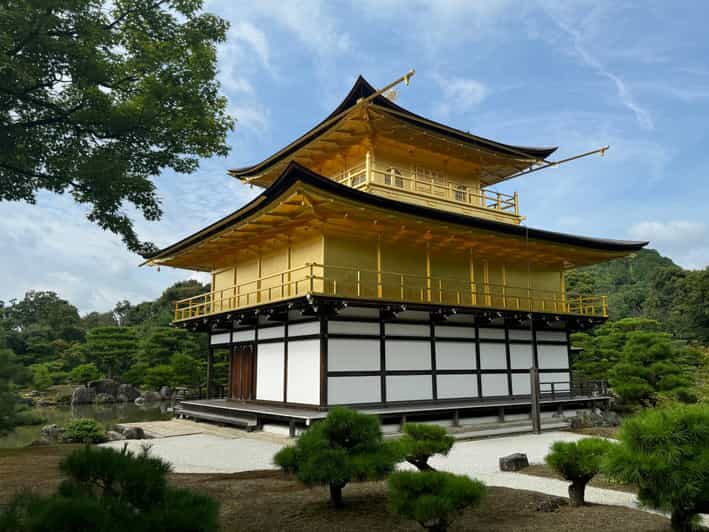
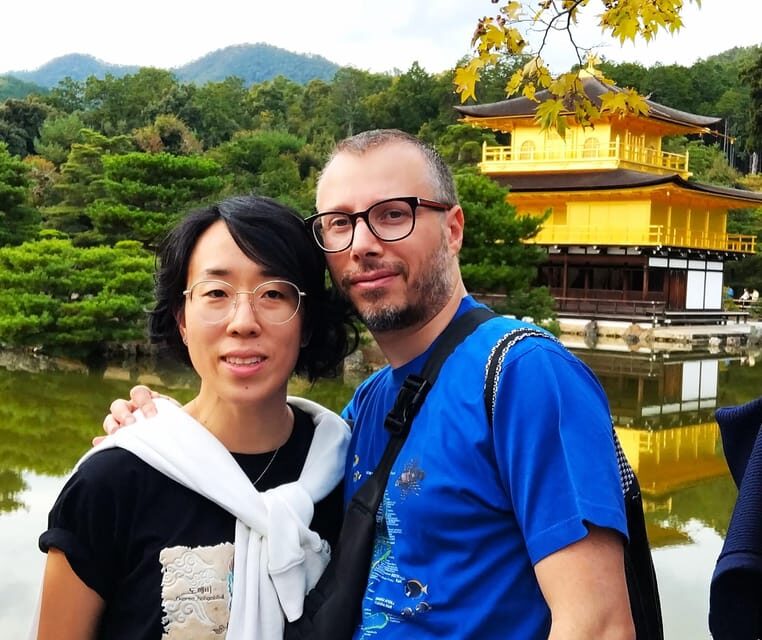
Kinkaku-ji, also called the Golden Pavilion, is one of those Kyoto sights that looks instantly impressive even if you know nothing about it. The top two floors are coated in gold leaf, so the building can shimmer as you move around it. Then you hit the payoff: the way the pavilion sits across the pond makes your photos feel like you’ve stumbled into a movie still.
What makes this tour more satisfying than a solo visit is the pacing plus explanation. A guide helps you understand what you’re looking at instead of just absorbing shiny surfaces. That matters here, because Kinkaku-ji isn’t only a pretty facade. The architecture and layout are part of why the reflections work so well, and once someone points out those relationships, the whole scene clicks into place.
I also like that the visit isn’t just one quick stare. You get time for the gardens and the general temple grounds, plus a chance to slow down near the pond. And yes, there’s even a small teahouse area included in the experience, which gives you a short breather from the photo push.
One more practical point: the crowd is real. Mark specifically warned that going in the middle of the day can mean heavier congestion. If that’s your only time window, plan to treat the guide like your crowd-control system. If you can pick a gentler time slot, you’ll move more comfortably, but either way, the tour structure keeps you from losing your place.
You can also read our reviews of more guided tours in Kyoto


How the Tour Handles Timing: 90 to 210 Minutes Without Feeling Rushed
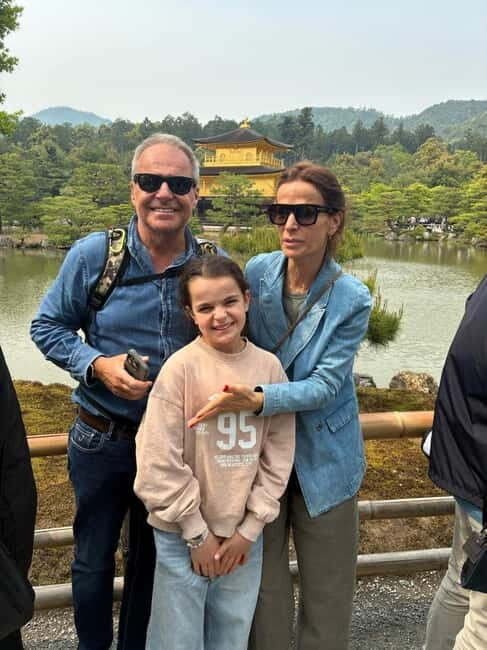
The duration shows a wide range: 90 to 210 minutes. That doesn’t mean you’re getting a mystery experience. It means the tour can fit different combinations and time allocations depending on the option you book and how long the guided segments are for your group.
Here’s the practical takeaway for you: do you want a quick hit, or do you want more breathing room?
- If you choose a shorter option, you’ll still benefit from the guide. You’ll focus on the Kinkaku-ji highlights and move efficiently toward the next stop or finish point.
- If you choose the longer end of the range, you’ll get more time for guided context and the second temple stop (Ryōan-ji).
Either way, the structure is designed to help you see without feeling like you spent half your trip lining up for the wrong angle. The best part is the guide-led rhythm: photo stop, walk, story, and then a bit of time to actually enjoy what you’re looking at.
Choosing Your Start Point: Sōmon vs Yamazaki-an
You’ll see two possible starting locations: 総門 (Sōmon) and やまざき庵.
That matters because Kyoto can drain your energy if you’re constantly repositioning yourself. Starting closer to the action means less time walking and more time watching.
If you’re the type who likes to arrive, orient, and then go straight into the sights, Sōmon is an obvious choice. If you prefer an easier meetup where you can settle in without extra searching, やまざき庵 may feel more convenient. The tour notes also say meeting points can vary by booking option, so double-check your confirmation details before you leave.
Kinkaku-ji Visit: Photo Stop, Guided Stories, and Time to Wander
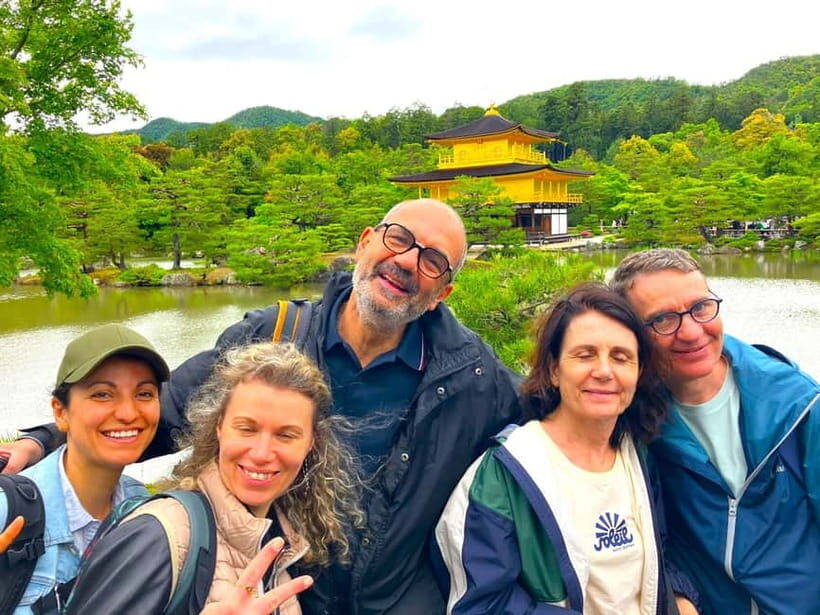
This is where the tour’s promise shows up: you get to see the Golden Pavilion and its most photographable moments without wasting your limited time.
What you’ll do at Kinkaku-ji
- A photo stop so you can focus on the pond reflection and the pavilion’s look
- A guided sightseeing segment that helps you understand the site’s design and background
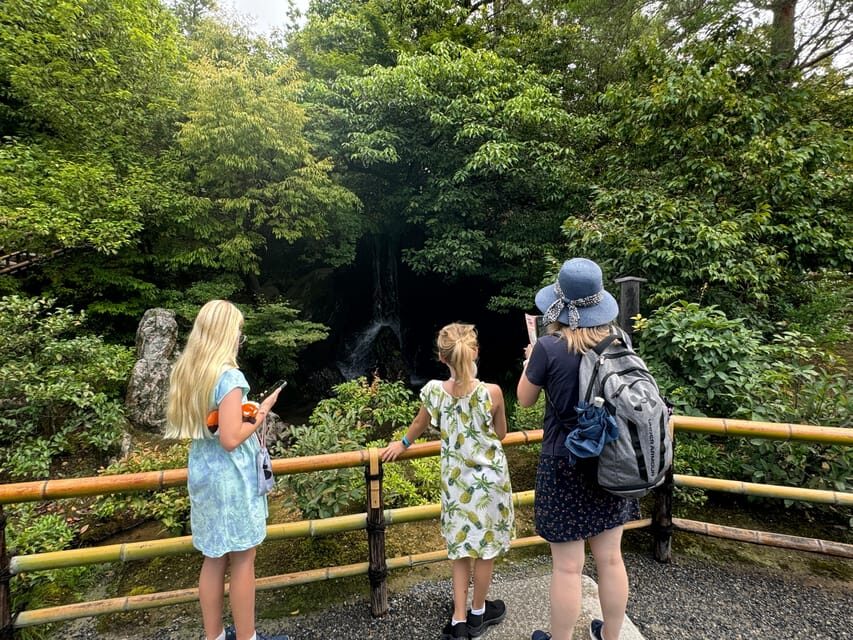
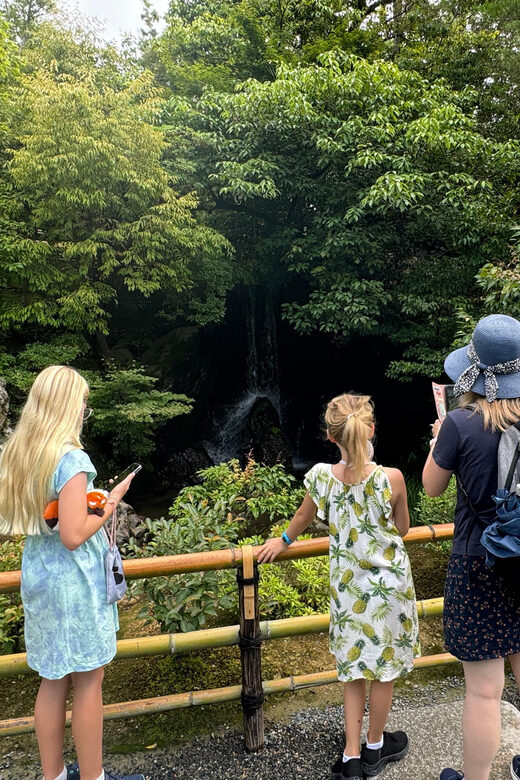
- Time to walk the gardens and take in the calm areas of the grounds
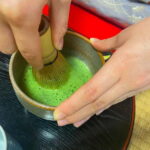
- A bit of relaxed time near the teahouse area, which breaks up the temple-photo circuit


Why the guide matters here
Temple visits can go two ways. Either you get swept up in pretty visuals and then forget what you learned five minutes later, or you stop and read everything and end up a little overwhelmed.
A good guide finds the third path: clear stories tied to what you’re actively seeing. That’s exactly what shows up in the guide feedback, from Julien’s well-prepared history and architecture explanations to Juraj and Tomoko’s knowledgeable storytelling. Some guides also bring in broader cultural context, including connections to Buddhist and Shinto ideas, which gives you a more complete picture than the building alone.
If you’ve ever stood in front of something famous and thought, I know it’s important, but I don’t know why, this is the fix.
Crowd reality check
Even with a guide, it’s Kyoto. Kinkaku-ji is popular. So you should expect movement, noise, and people lining up for the same angles. The upside is that your guide can help you time your stops so you can still get your photos and your calm moments, instead of treating the whole place like a queue.
Ryōan-ji After Kinkaku-ji: A Second Guided Lens
After Kinkaku-ji, the tour continues with Ryōan-ji for another guided block (listed as about 1.5 hours).
You might be thinking: if Kinkaku-ji is the star, why add Ryōan-ji?
Two reasons that tend to pay off:
- Contrast helps your brain remember. When you see one temple famous for its gold shimmer and pond reflections, then you shift to a second temple, your understanding of Kyoto’s temple culture feels less like a one-night stand and more like a pattern.
- Guided time keeps you from missing the quiet parts. Not every temple experience is about one obvious centerpiece. A guide helps you notice what to watch for and how to interpret the spaces you’re walking through.
Just keep expectations grounded: the details about Ryōan-ji here are about the guided visit itself, not a promise of special access. Your goal is to leave with better recognition of how Kyoto temples think about form, space, and meaning.
Drop-Off Options: Ending at Sōmon or Ryōan-ji’s Entrance
You’ll also have two drop-off points listed: 総門 (Sōmon) and 龍安寺山門 (Ryōan-ji Sanmon area).
This affects your next steps. If you’re planning to wander right afterward, ending near Ryōan-ji can be handy. If you want to pivot back toward the Sōmon area and keep your momentum, dropping at Sōmon makes that easier.
Because the tour states that meeting and drop-off can vary by option booked, treat your confirmation details as the source of truth for exact locations.
English and Japanese Guides: What You Gain From a Real Person
The tour lists English and Japanese guide options, and the guide feedback shows a consistent theme: guides who explain clearly, stay patient, and answer questions.
Here are the types of strengths you should look for in a tour like this:
- Clear communication: several guides got praise for very good English
- Preparation: guides described as well-prepared and organized in how they explain what you’re seeing
- Question-friendly vibe: people mention guides who stay patient and answer even smaller curiosity questions
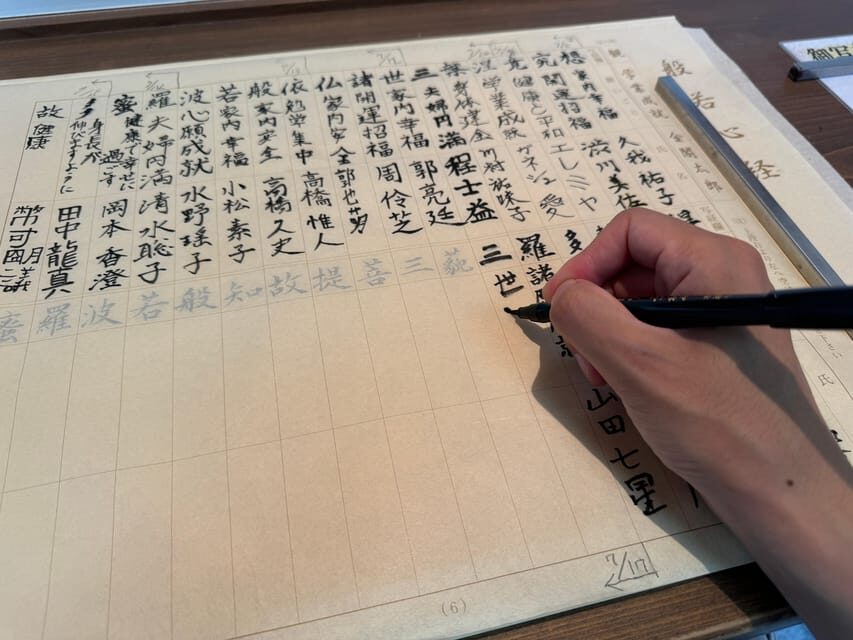
- Extra helpfulness: one guide helped with a wish-writing activity, and another was helpful finding lunch nearby
You don’t need your guide to be a walking textbook. You do need them to help you interpret what’s in front of you. Based on the feedback, that’s exactly the quality you’re likely to get.
Price and Value: Is $64 Worth 90 to 210 Minutes in Kyoto?
At $64 per person, you’re paying for three things that matter in Kyoto: the guide’s time, the included admission to Kinkaku-ji, and the structured experience.
Here’s how I’d judge value:
- If you’re visiting from a busy itinerary and you want to see the top Kinkaku-ji sights quickly, a guided format can save you stress. You pay, but you also buy back time and clarity.
- If you enjoy learning while walking, the guide’s storytelling helps you turn a shiny photo stop into something you can explain afterward.
- If you’d rather wander solo with zero structure, you might feel this is extra. But even then, the Kinkaku-ji crowd factor is real, and a guide helps you avoid the most common “we waited in the wrong spot” frustration.
The sweet spot for this tour is someone who wants a high-impact Kyoto temple experience that still feels guided, not robotic.
Tips to Make Your Visit Easier (And Better Photos)
You don’t need fancy gear. You need timing and awareness.
Go for angles, not just landmarks
Kinkaku-ji’s best photos come from the relationship between the pavilion and the pond. That means you should watch where the water lines up with the building as you move, instead of snapping only one direction.
If you can, avoid the peak crowd window
Mark’s comment about midday crowding is the clearest caution here. If you have any flexibility, choose a time that feels less intense. If you don’t, lean into the guide’s pacing.
Use the guide for more than facts
Some guides actively help with practical things like photo positioning. That matters because in busy places, your best angle might last ten seconds. Your guide can help you get there at the right moment.
Expect a human pace
One guide was described as waiting a bit when someone needed a toilet break and adjusting the timing a little. That’s normal. Plan to be flexible rather than treating the visit like a strict subway schedule.
Who This Tour Fits Best
This Kyoto experience makes the most sense if you:
- Want Kinkaku-ji + Ryōan-ji in one guided run
- Like your temple visits explained, not just photographed
- Prefer a private or small-group vibe
- Would rather spend 90 to 210 minutes confidently moving through a famous place than winging it and losing time
It’s also a great option for families, based on feedback that highlights patience and an enjoyable tone for kids. If you’re traveling with a younger person, having someone help keep things fun and understandable can turn a temple into a win for everyone.
Should You Book This Kyoto Golden Pavilion + Ryōan-ji Tour?
Book it if you want a structured, guide-supported way to see Kinkaku-ji at its best, especially the pond-reflection moment. The $64 price feels more justified when you value the guide’s ability to connect the visuals to meaning, and when you want to avoid getting stuck in crowd frustration.
Skip it only if you’re the type who prefers long, independent wandering with no storytelling and no photo planning. In that case, you might feel you could do it on your own.
If you’re unsure, here’s the simplest decision rule: if you want the temple to be more than a postcard, this guided format is a strong match.
FAQ
How long is the Kyoto Kinkaku-ji Golden Pavilion guided tour?
The tour duration is listed as 90 to 210 minutes, depending on the option and available starting times.
What does the tour include?
You get a live tour guide plus admission to Kinkaku-ji (Golden Pavilion).
Which places are visited?
The tour includes Kinkaku-ji and also a guided visit to Ryōan-ji.
What is the price per person?
The price is listed as $64 per person.
What languages are available for the guide?
Guides are available in English and Japanese.
Is this tour private or small group?
Yes. The group type is listed as private or small groups available.
Where do we meet the guide?
The meeting point may vary depending on the option booked. Two starting location options listed are 総門 and やまざき庵.
Where do we get dropped off?
Drop-off points may vary depending on your option. Two drop-off locations listed are 総門 and 龍安寺山門.
Is there a photo stop at Kinkaku-ji?
Yes. The plan includes a photo stop at Kinkaku-ji.
Can I cancel if my plans change?
The tour offers free cancellation up to 24 hours in advance for a full refund.