REVIEW · KYOTO
Kimono and Yukata Experience in Kyoto
Book on Viator →Operated by Kyoto Kimono Rental Rei · Bookable on Viator
Getting dressed in a kimono changes your whole day. I like that you get a professional fitting first, so you’re not wrestling with the wrap like a DIY disaster. I also love the photo-ready route through Gion side streets and nearby shrines like Yasaka Shrine, with time set aside to enjoy it at walking pace. One heads-up: the base price covers rental and fitting, while hair, makeup, and upgrades add up quickly.
You’ll choose your outfit at the shop, get adjusted by staff, and then head out in traditional clothing. Plan to return by around late afternoon (the shop says earlier than 6 pm), so your best strategy is a simple walking day with smart breaks.
This experience is flexible with multiple time slots, which matters in Kyoto when crowds and weather can shift fast. If it’s drizzly, you’ll still want to go, but bring the right attitude and footwear expectations.
In This Review
- Key highlights you’ll care about
- Where you start in Kyoto: the Gion meeting point
- What’s included for the $25-ish price (and what isn’t)
- The dressing process: quick, efficient, and surprisingly physical
- Choosing between kimono and yukata: what you’re really deciding
- A simple route through Gion and shrines like Kiyomizu-dera
- Hair and makeup upgrades: worth it for photos, watch the timing
- Comfort reality check: sandals, heat, and walking in layers
- Group size and staff support: what “small” feels like
- Price value: when it feels fair, when it feels nickel-and-dime
- Where you’ll end up: changing back and resetting your day
- Who should book this kimono and yukata experience
- Should you book Kyoto Kimono Rental Rei for your Kyoto day?
- FAQ
- What’s included in the booking price?
- Can I add hair styling or makeup?
- Do I need to know how to wear a kimono?
- Where do I meet the tour staff?
- How long can I wear the kimono or yukata?
- Is there staff support in English?
- Are there size options for men, women, and children?
- What if the weather is bad?
- Can I cancel for a refund?
Key highlights you’ll care about
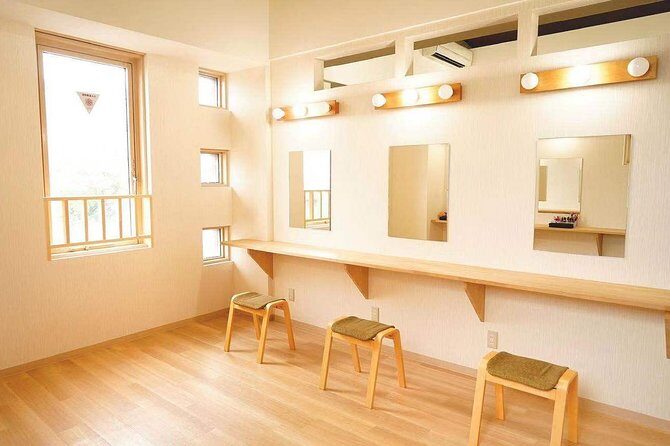
- Professional kimono fitting: Staff handle the fit so you don’t have to guess the wrapping.
- Optional hair and makeup: Add-ons cost extra, but many people find it worth it for pictures.
- A self-paced shrine day: You’ll head out through classic Kyoto neighborhoods with nearby shrine stops like Kiyomizu-dera and Heianjingu.
- Multiple time slots: Choose what works with your sightseeing rhythm.
- Small group size: Max 14 travelers, which usually keeps the dressing flow moving.
- Rental is your outfit for the day: Not a quick photo-op only—built for time on foot.
Where you start in Kyoto: the Gion meeting point
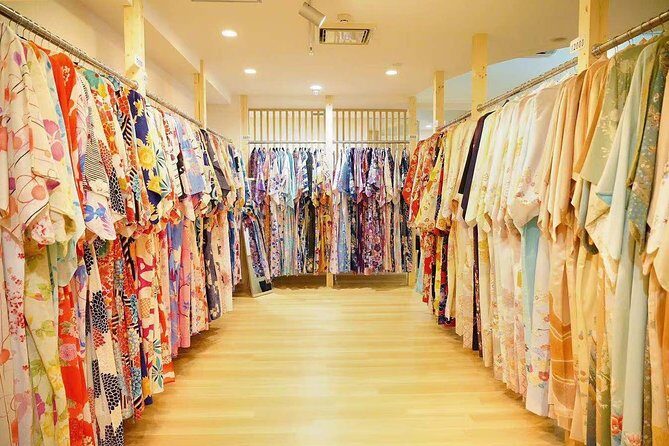
Your meet-up is in Gion, at Kyoto Kimono Rental Rei, located on Umemotochō (address given as 605-0064, Higashiyama Ward). This part of Kyoto is charming, but it can also be a little confusing if you’re navigating on foot and the building isn’t obvious at first glance.
One practical tip: before you go, save the address and study the directions in advance. A couple of people have found the shop harder to locate than they expected, including confusion about floors. When you arrive, look for the specific shop entrance and follow staff instructions rather than guessing.
Good news: you’re near public transportation. That helps a lot, because you’ll want a smooth start to match the rest of your day’s plans.
You can also read our reviews of more tours and experiences in Kyoto.


What’s included for the $25-ish price (and what isn’t)
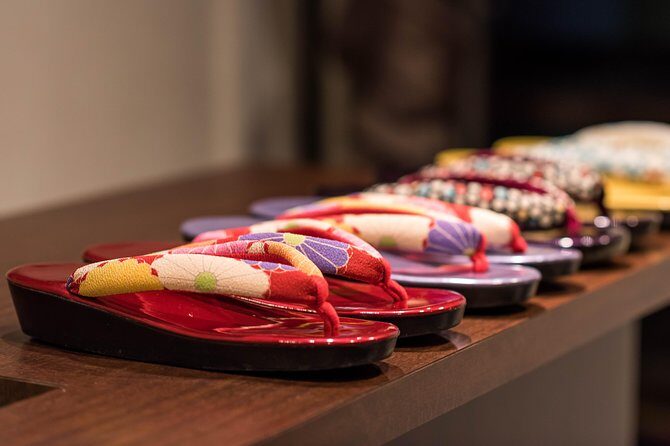
At this price point, you’re paying for the core “kimono day” experience:
- Kimono or yukata rental
- Professional kimono fitting
That’s the foundation. Optional add-ons are separate, including:
- Hair styling: 1650 yen
- Makeup: 5500 yen
And then there are extras people often choose after they arrive—think nicer outfit options, accessories, and things that make photos look more polished. This is where value can either feel great or feel like constant upselling, depending on your mindset.
My advice: decide your budget before you step inside. If you want just the outfit + fit, you can keep it simple. If you want a full “event look” for photos, accept that it’s going to cost more and go in with a plan.
The dressing process: quick, efficient, and surprisingly physical
The flow is designed to get you out the door and enjoying Kyoto.
First you’ll select your kimono or yukata from the shop’s selection. Then comes the part that makes this worth booking: a staff fitting. You’re not just getting handed clothes. You get adjusted so the garment sits right and doesn’t collapse as you walk.
If you add hair styling and makeup, the shop schedules time for it. One thing to know: the store experience can feel fast when everything goes smoothly, but timing is still real. If you’re aiming for photos at a specific hour, plan to show up a little early and avoid booking a tight sequence of other activities right before.
Also, dress the right way underneath. You may need to change down to underwear during fitting and dressing, so wear something easy to remove and comfortable to sit with briefly. Shorts underneath are a smart move if you’re shy or just want less mental effort.
Choosing between kimono and yukata: what you’re really deciding

Both are traditional, but they create different vibes on the street.
- Kimono tends to look more formal and photo-drama heavy.
- Yukata is lighter and usually feels easier for warmer weather.
Either way, the big decision is how many layers you’re okay wearing while walking Kyoto streets. Real kimonos can be warm, and you’ll be moving. Sandals also aren’t built for long “I’m walking all day” comfort the way regular shoes are.
If you’re visiting in hot weather, aim for breathable under-layers and consider hydration and shaded breaks. If you’re visiting in cooler months, ask how the shop expects you to dress underneath for warmth, because the kimono itself won’t solve the temperature.
A simple route through Gion and shrines like Kiyomizu-dera
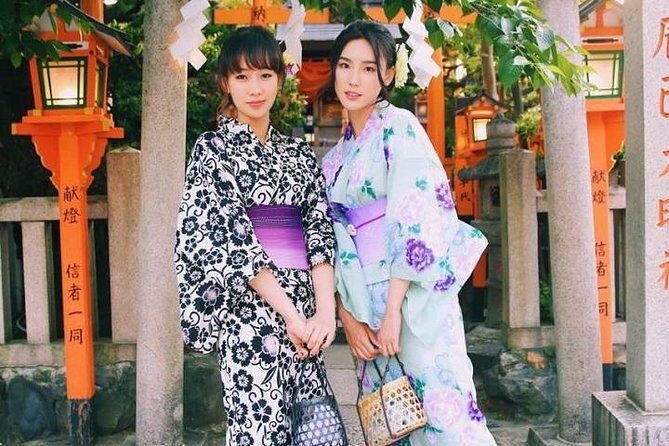
After fitting, you head out wearing your outfit. The experience is flexible, meaning you’re not trapped on a rigid bus-and-guide schedule. Think of it as: dressing happens at the shop, then you explore at your own pace.
From there, your plans can naturally connect to classic Kyoto scenery:
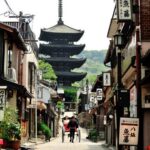
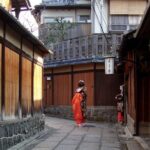
- Gion-area streets for atmosphere and street-level photos
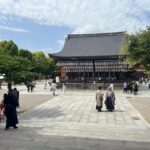
- Yasaka Shrine (Gion Shrine) nearby as a common stop
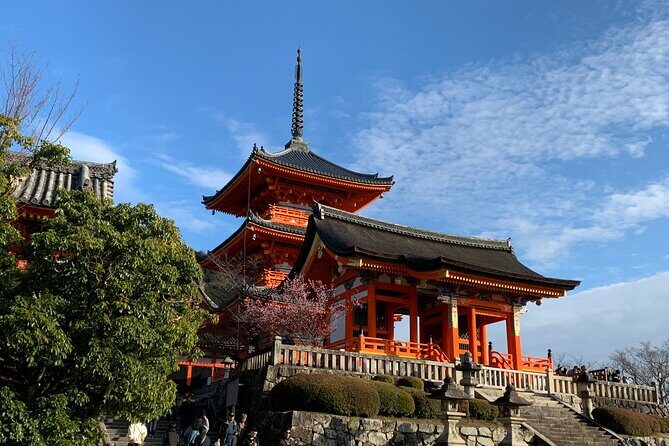
- Kiyomizu-dera and Heianjingu Shrines as the larger shrine visits included in the overall plan
Here’s how to make this work without stress. Kyoto’s shrine area can be busy, and footwear matters. Pick one “anchor” shrine moment (like Kiyomizu-dera), then fill the rest of your time with Gion streets and a second shrine closer by, such as Heianjingu.
And go for a real walking pace. The point isn’t to speed-run. It’s to move through the city while dressed as part of the scene.


Hair and makeup upgrades: worth it for photos, watch the timing
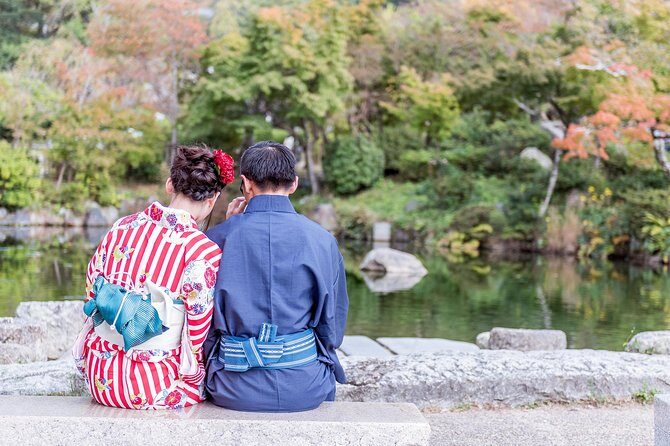
If you want your kimono look to go from nice to camera-ready, the optional hair and makeup are the big difference-makers.
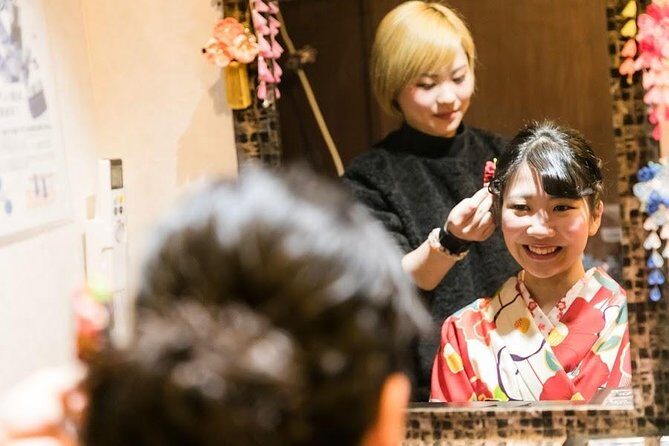
People consistently recommend upgrading hair styling, especially if you’re planning portraits or want that finished, styled-in-Kyoto feeling. Makeup also helps because kimono photos often look best when your face is camera-friendly under daylight.
Timing matters, though. Some schedules include optional services but aren’t built for long, complicated changes. If you’re adding both hair and makeup, show up on time and don’t treat it like a casual add-on. When you do it right, you get a stronger transformation before you hit the streets.
Budget-wise: hair is 1650 yen and makeup is 5500 yen. Add-ons can easily change the trip cost, but they’re still cheaper than most “full photo session” alternatives.
Comfort reality check: sandals, heat, and walking in layers
Let’s talk bluntly about comfort. Kimonos look amazing, but they’re not designed for marathon walking in modern shoes-and-socks logic.
Expect:
- Sandals aren’t always comfy for long distances, especially if you’re used to sneakers.
- The outfit can get hot because it’s structured and layered.
- You’ll want a plan for where you pause—Kyoto is a city of short stops and long walks.
One small trick that helps with photos and weather: bring a clear umbrella. It keeps you dry and still lets light through for softer images. If the day is drizzly, the streets feel different in a good way, and photos can look softer and less harsh.
Group size and staff support: what “small” feels like
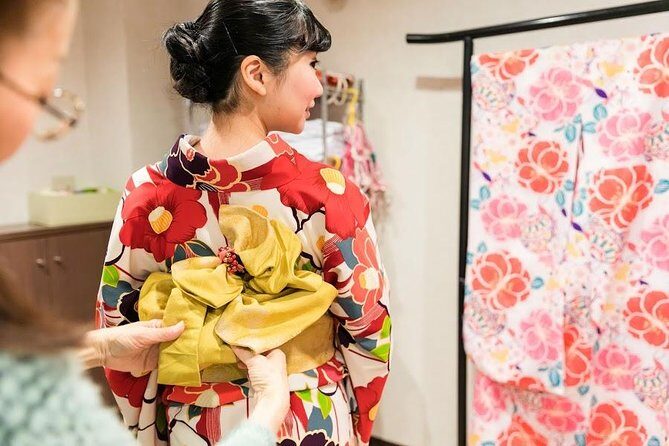
This experience caps at 14 travelers. That matters because dressing can take time, and you don’t want to stand around with your sleeves half-on while a line grows.
Staff availability includes English-speaking, Chinese-speaking, and Japanese-speaking team members. Even if you speak only a little, you’ll get guided through the process.
The tone you’ll experience depends on the specific staff member you interact with. Most people find the process friendly and efficient. But the safest approach is to be direct: tell them what you want, ask quick questions about timing, and confirm what time you need to return.
Price value: when it feels fair, when it feels nickel-and-dime
Is it worth $25.43? For the base rental and fitting, it’s a strong value. You’re basically paying to have:
- a real traditional outfit
- correctly fitted by professionals
- ready for street photos and shrine visits
Where the cost shifts is in upgrades. The shop includes hair styling and makeup as optional extras, and other upgrades can stack quickly. Some people feel the add-ons are constant and wish the base selection felt broader. Others are happy because they treat upgrades as optional and only buy what they want.
My rule: if kimono day is a once-in-a-trip memory for you, consider upgrading hair for sure if you care about photos. Makeup is optional depending on your style and comfort. If you’re cost-sensitive, skip extras and invest that money in better transport between sights.
Also keep payment in mind. There’s a note from a customer that credit cards may carry a 10% fee in the shop. If that matters to you, bring cash.
Where you’ll end up: changing back and resetting your day
After you’ve roamed in kimono, you return to the shop to change back into your clothes. The experience ends back at the meeting point.
The main thing to plan around is the return time. The info says earlier than 6 pm, and some visits have required you back before late afternoon. If you want to avoid rushing, build your schedule with a buffer and don’t plan a long final stop right before your change-back time.
If you’re solo, consider how you’ll handle photos. The shop can help you get started, but you’ll likely still want a plan for pictures when there’s no one holding the camera. A friend, a selfie stick, or asking someone nearby for a quick shot can solve it fast.
Who should book this kimono and yukata experience
This fits best if you want:
- an easy, guided-by-staff fitting without learning how to wear a kimono
- a flexible day in Kyoto with classic neighborhood scenery
- photos that look like you planned them, not like you stumbled into a costume shop
You’ll probably love it if you’re visiting Gion and shrines anyway, because the outfit turns ordinary walking into a stronger memory.
It’s less ideal if you hate shopping-style add-ons, if you’re very sensitive about comfort in sandals, or if you’re on a tight schedule where even an extra 15–30 minutes can wreck your plan.
Should you book Kyoto Kimono Rental Rei for your Kyoto day?
I’d book it if you want the real kimono experience without the stress. The biggest strength is the professional fitting that helps you look right and walk better than most first-timers expect. If you’re photo-focused, the optional hair styling is the upgrade I’d prioritize.
I would skip or minimize add-ons if you’re budget-tight or if you’re the type who gets irritated by pricing decisions during the experience. Also, wear the right underwear plan and expect to wear sandals for a while.
If you’re flexible about timing and you can handle warm layers, this is an efficient way to add something distinctly Kyoto to your trip—without turning your day into a logistics headache.
FAQ
What’s included in the booking price?
The booking includes kimono or yukata rental and a professional kimono fitting. Hair styling and makeup are optional add-ons.
Can I add hair styling or makeup?
Yes. Hair styling costs 1650 yen and makeup costs 5500 yen.
Do I need to know how to wear a kimono?
No. Staff fit and adjust the kimono for you, so you won’t have to figure out how to wear it correctly.
Where do I meet the tour staff?
You meet at Japan, 605-0064 Kyoto, Higashiyama Ward, Umemotochō, 270 プレステージ祇園 (Kyoto Kimono Rental Rei). The tour ends back at the same meeting point.
How long can I wear the kimono or yukata?
Your time depends on the time slot you choose, and the experience runs for about 1 to 9 hours. The shop requires you to return earlier than 6 pm.
Is there staff support in English?
Yes. English-speaking, Chinese-speaking, and Japanese-speaking staff are available.
Are there size options for men, women, and children?
Yes. Women range from 140cm to 175cm, men from 170cm to 185cm, and children around 100cm.
What if the weather is bad?
The experience requires good weather. If it’s canceled due to poor weather, you’ll be offered a different date or a full refund.
Can I cancel for a refund?
Yes, free cancellation is available up to 24 hours in advance for a full refund.