Gion feels personal at walking speed. In just 3 hours, you move from Kyoto’s lantern-lined lanes into temple courtyards, river bridges, and preserved streets—while a local guide explains how the city’s past still shows up in daily life.
I love how the tour links what you see to geisha culture and the routines behind it, not just the costume. I also like the route’s mix of famous landmarks (like Chion-in) and calmer side streets where you can slow down, look closely, and catch stories you’d miss on your own—ending at Kiyomizu-dera’s Niomon Gate for a satisfying finale.
One consideration: there are lots of steps, so this isn’t a great match if your fitness level is low.
In This Review
- Why This Gion Walk Works So Well
- Key Highlights at a Glance
- Getting Oriented: Starting at Ben’s Cookies Kyoto Shijo
- Crossing Gion’s Edge: Gion Tatsumi Bridge
- Chion-in: Kyoto’s Big-Temple Scale With Human Stories
- Maruyama Park: A Breather Between Stories
- Hōkan-ji Temple: A Smaller Stop With Quick Impact
- Ninenzaka and Sannenzaka: The Streets That Teach You How to Look
- Kiyomizu-dera Niomon Gate: A Big Finale That Feels Like an Exit
- Price and Value: Why $25 Can Make Sense for This Route
- What the Guide Really Adds to the Experience
- Steps, Fitness, and How to Keep the Day Comfortable
- Who This Tour Is Best For
- Booking Tips That Keep Your Day Smooth
- Should You Book Kyoto: Gion Geisha District Walking Tour and Hidden Gems?
- FAQ
- How long is the Kyoto Gion Geisha District Walking Tour?
- What is the price per person?
- Where does the tour start and how do I find the guide?
- Where does the tour finish?
- Is the tour guide available in English?
- What should I bring?
- Are alcohol and drugs allowed during the tour?
- Is this tour suitable if I have low fitness or difficulty with stairs?
Why This Gion Walk Works So Well
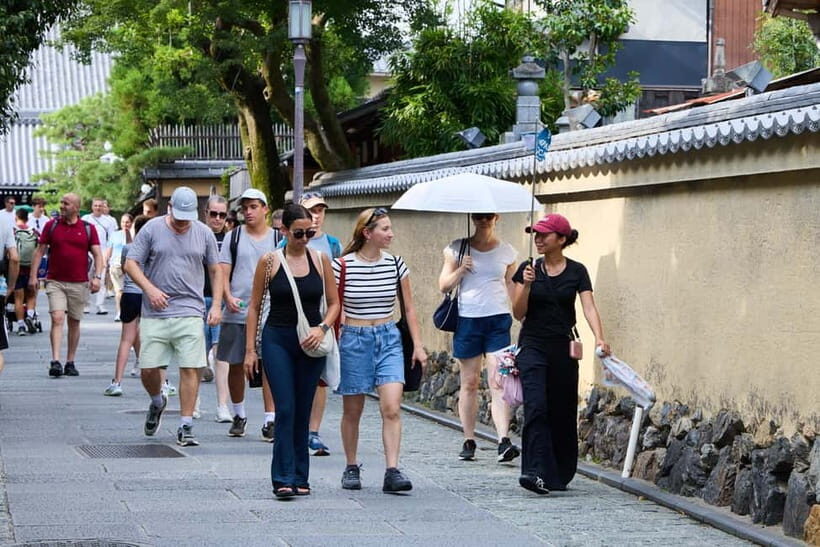
This tour is built for people who want more than photos. You’re not sprinting from stop to stop with a vague audio guide. You’re walking, asking questions, and getting context for why Kyoto looks the way it does—historic wooden townhouses, religious traditions, and the city’s shift from imperial capital to a modern cultural center.
And yes, it includes the kind of tucked-away moments that make Kyoto feel like a real place, not a theme park. Quiet shrines between buildings. Lanes that feel like they’re meant for locals. And a guide who keeps the story moving so you don’t get lost in details.
Key Highlights at a Glance

- Geisha culture explained in plain terms, including how maiko and geisha train and work
- Hidden shrines and quiet backstreets that aren’t the usual postcard line
- A route that covers major northern Higashiyama sights, with a strong geographic flow
- Expert live English guidance with room for questions and anecdotes
- A memorable end point at Kiyomizu-dera’s Niomon Gate, not a same-place return
You can also read our reviews of more walking tours in Kyoto


Getting Oriented: Starting at Ben’s Cookies Kyoto Shijo
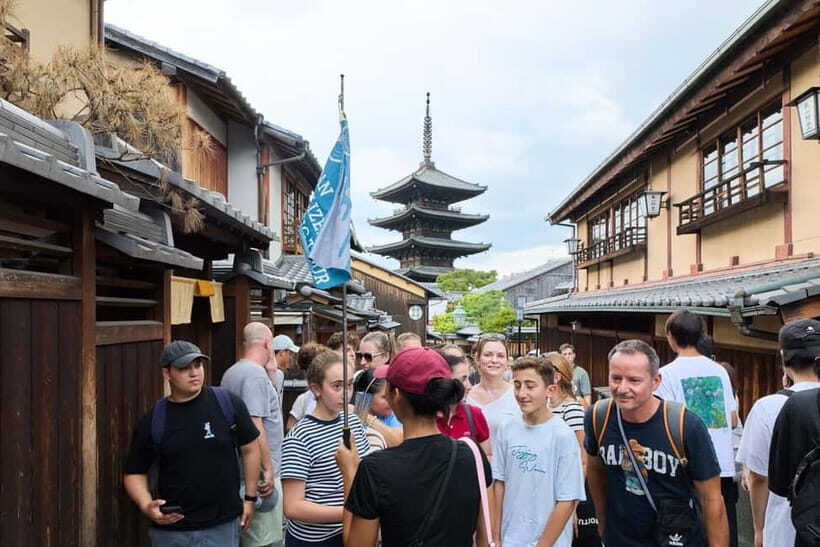
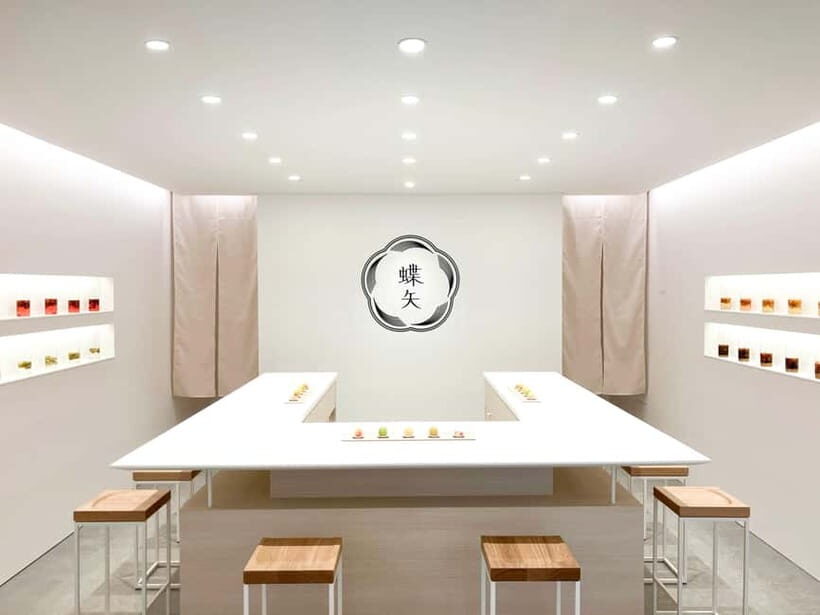
Your tour starts at Ben’s Cookies Kyoto Shijo. The guide meets you in front of the shop holding a sign, so you can find them without guesswork. It’s a practical kickoff point in a neighborhood where walking is the whole game.
This matters more than it sounds. When a tour begins with an easy meeting point, you waste less energy figuring things out and more energy watching the street-level details Kyoto is famous for: preserved architecture, narrow lanes, and those moments where you turn a corner and suddenly the city’s rhythm changes.
You’ll also set expectations early. The walk is designed to be storytelling-heavy, and it moves through areas that can involve stairs and elevation. If you know you tire fast, plan for pacing from the start.
Crossing Gion’s Edge: Gion Tatsumi Bridge
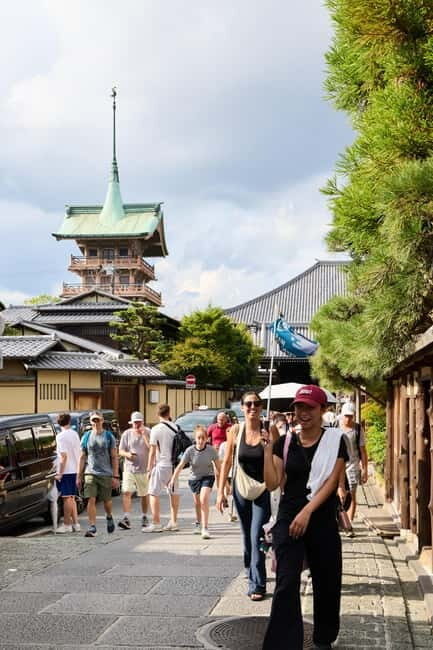
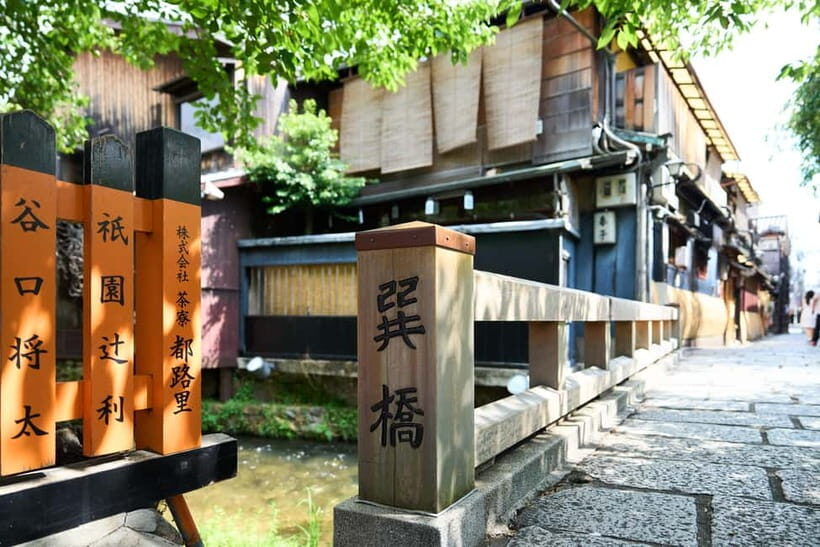
The first big sense of place comes at Gion Tatsumi Bridge, where you get a classic Kyoto viewpoint and a natural “reset” for the walking route. Bridges in Kyoto aren’t just scenery. They help frame how neighborhoods relate to water, movement, and old street patterns.
From here, the tour style is clear: you’re not just checking off a site. You’re learning what to notice. That could be how districts are named, how daily life sits alongside formal tradition, or how a single scene can lead into the bigger history of the city.
If you like your sightseeing to have a spine—something that keeps the day from feeling random—this is where the walk starts to earn it.
Chion-in: Kyoto’s Big-Temple Scale With Human Stories
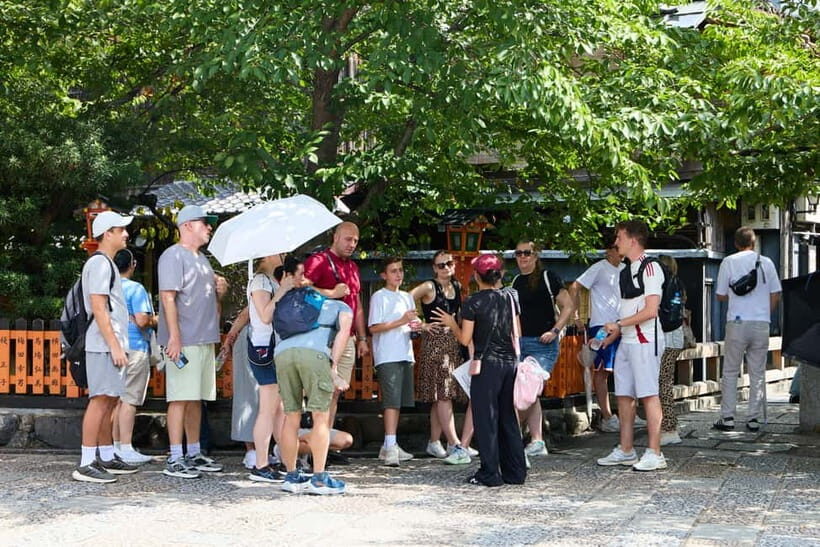
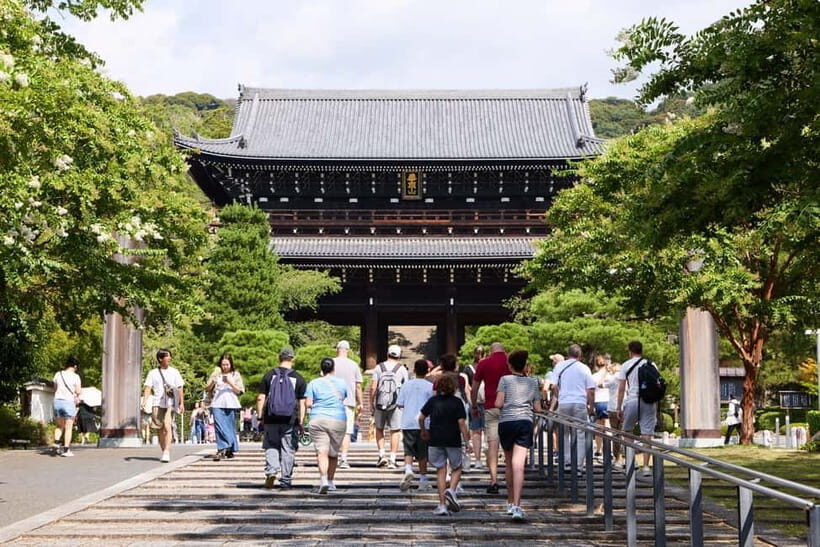
Next up is Chion-in, one of the major stops on the route. You get a guided visit there, with time to actually look around instead of doing the usual fast walk-through.
The value of Chion-in on this tour is that it anchors the cultural side of Kyoto. Geisha culture is the headline topic, but Kyoto is also religious, communal, and layered. A guide connects the dots between what you see on the street and Kyoto’s traditions—so you understand how multiple worlds coexist.
A potential drawback here is simple: temples can feel like they demand a lot of walking in a short time. The good news is your guide’s pacing helps. If you’re the type who likes to pause when something catches your eye, you’ll likely get those small moments.
Maruyama Park: A Breather Between Stories
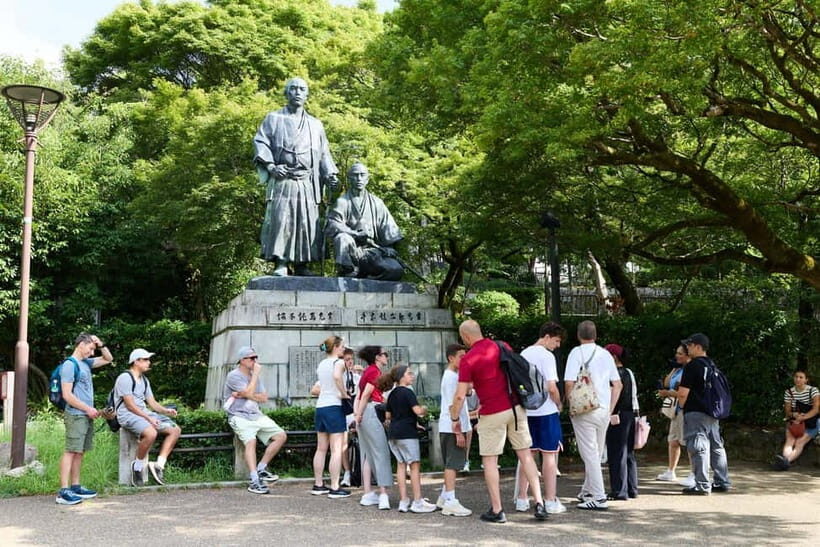
After Chion-in, you head to Maruyama Park. This stop works like a pressure valve. The tour is story-driven, and parks give you space to reset your eyes and your legs.
Even if you don’t treat Maruyama Park as a strict checklist item, it helps you understand Kyoto’s daily life. Parks are where people move through the city in a more casual rhythm, and that contrast can make the rest of the walk land better.
If your energy is limited, think of this as your cue to drink water and slow down for a minute. The tour includes water as a what-to-bring recommendation, and you’ll appreciate having it when the walking stacks up.




Hōkan-ji Temple: A Smaller Stop With Quick Impact
At Hōkan-ji Temple, the visit time is shorter—just 10 minutes. That can sound like a “blink and you miss it” stop, but on a guided walk, short doesn’t always mean shallow.
Instead, it often means your guide can point out what matters without burying you in details. You get a concise, focused look at temple atmosphere and the kind of religious context that makes Kyoto’s geisha district make more sense.
This is also a good stop for photographers who like getting a specific temple moment without losing the momentum of the day.
Ninenzaka and Sannenzaka: The Streets That Teach You How to Look
Then the tour moves into Kyoto’s walking-street zone: Ninen Zaka Path and Sannenzaka. These are famous lanes for a reason. The steep stone paths and the preserved-town feel make it easy to understand why people love this part of Higashiyama.
But the tour’s advantage is that it helps you slow down and notice. You’re not just passing storefronts. You’re learning how tradition and everyday life overlap in the street design, the rhythm of movement, and the surrounding spaces where religion and culture quietly show up.
One practical note: the walk includes lots of steps overall, and these streets are where that becomes more real. If you’re visiting during a busy day, expect people around you and keep your pace steady.
Kiyomizu-dera Niomon Gate: A Big Finale That Feels Like an Exit
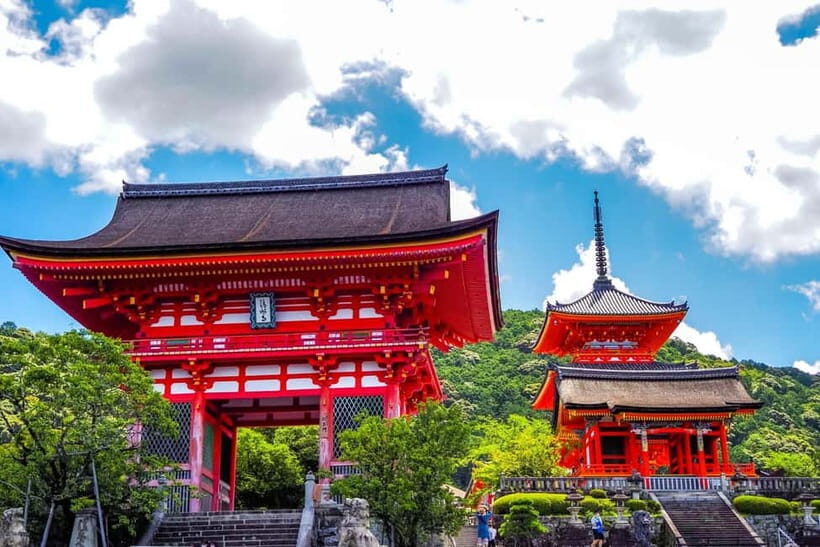
The tour finishes at Kiyomizu-dera Niomon Gate. This end point is the payoff for the day’s walking logic. You don’t end back where you started. You finish at one of Kyoto’s most recognizable temple entrances, which gives the whole walk a satisfying arc.
Ending here also changes how you can continue your day. Instead of thinking you’re done, you can treat it like you’ve reached a natural hub—perfect for deciding where to go next based on what your legs feel like doing.
If you want a finale that makes the route feel complete, this is a smart choice. You get the story-building stops earlier, and then you close with a landmark that visually sums up Kyoto’s blend of old and still-active tradition.
Price and Value: Why $25 Can Make Sense for This Route
The price is $25 per person for about 3 hours, with a live English guide included. For Kyoto, that’s often a fair trade when you consider what you’re getting.
You’re not paying for a single photo stop. You’re paying for:
- a guided explanation of geisha culture and how maiko and geisha train and work
- context for Kyoto’s religious traditions
- a route that strings together multiple major areas without you planning every turn
When you think of it that way, the cost starts to look less like an expense and more like a way to save mental energy. You get structure, story, and direction—plus hidden shrines and quiet backstreets that are hard to spot without local guidance.
What the Guide Really Adds to the Experience
The standout part of this kind of tour isn’t just the sites. It’s the conversation.
Guides on this walk (examples include Mr J and Ben) tend to connect history to what you’re seeing right now. That approach matters because geisha culture can sound distant if you only read about it. When a guide ties it to the actual spaces and the surrounding routines, the whole district becomes easier to understand.
Also, the tour format is English live guidance, which is important. If you like asking questions—about daily life in Japan, cultural traditions, or how Kyoto changed from imperial capital to modern cultural center—this style gives you space to do it without feeling rushed.
If you happen to be in a smaller group, you’ll likely get even more chances to talk. If your group is larger, the guide’s job is to keep everyone moving, but the core value stays the same: you’re still walking with explanations, not just walking beside a map.
Steps, Fitness, and How to Keep the Day Comfortable
This walk includes lots of steps, and it’s specifically noted as not suitable for people with low level of fitness. That doesn’t mean you have to be a marathon person—it means you should be honest about your own limits.
Here’s the practical mindset that helps:
- Pace yourself early, before you’re tired
- Plan to use breaks when they’re offered, especially at park moments
- Bring water (it’s explicitly recommended)
If your energy tends to drop quickly with stairs, consider whether this 3-hour route is the right match. Kyoto is gorgeous, but this tour is built on walking terrain, not flat ground.
Who This Tour Is Best For
You’ll likely love this if you:
- want context for geisha culture, not just geisha district photos
- enjoy historic districts where walking helps you understand the place
- prefer a guided flow through multiple key Higashiyama-area stops
- like turning questions into answers with an English-speaking guide
You might skip it if you:
- have mobility limits or struggle with lots of stairs
- prefer fully independent sightseeing with no structured route
Booking Tips That Keep Your Day Smooth
The tour is 3 hours long and runs on available starting times. It’s offered in English with a live guide. There’s also free cancellation up to 24 hours in advance, and a reserve-and-pay-later option, which helps if your schedule is still shifting.
One more rule you should note before you book: alcohol and drugs are not allowed on the tour.
Should You Book Kyoto: Gion Geisha District Walking Tour and Hidden Gems?
If you want Kyoto to feel like a place with rules, routines, and layered meaning, book this. The route is efficient. The guide adds context that makes the district click. And the finish at Kiyomizu-dera Niomon Gate makes the day feel complete instead of fragmented.
I’d skip it only if the stairs are a deal-breaker for you. Otherwise, it’s a strong choice for getting a structured, story-based introduction to Gion and the quieter cultural details around it—without needing to figure everything out on your own.
FAQ
How long is the Kyoto Gion Geisha District Walking Tour?
The tour lasts 3 hours.
What is the price per person?
It costs $25 per person.
Where does the tour start and how do I find the guide?
The meeting point is Ben’s Cookies Kyoto Shijo. The guide will be holding a sign in front of the shop.
Where does the tour finish?
The tour finishes at Kiyomizu-dera Niomon Gate.
Is the tour guide available in English?
Yes, the tour includes a live English tour guide.
What should I bring?
You should bring water.
Are alcohol and drugs allowed during the tour?
No, alcohol and drugs are not allowed.
Is this tour suitable if I have low fitness or difficulty with stairs?
The tour includes lots of steps, and it is not suitable for people with low level of fitness.