REVIEW · FOOD
Kyoto Fushimi District Food and History Tour
Book on Viator →Operated by Japan Tour Adventure · Bookable on Viator
Fushimi feels like Kyoto before the crowds. This tour takes you past the usual Fushimi Inari checklist to mix Inari footpaths with a real Gekkeikan distillery museum visit. You also get a smart food rhythm: taiyaki at the start, then sweets later, plus time to eat with your guide in the Ryoma shopping area.
I like that the story thread is clear and local, linking shrine beliefs to the Meiji-era turning points, not just photo stops. One thing to consider: there is no included lunch, so you’ll want to come ready for a guided meal break while the tour timing keeps moving.
In This Review
- Key Highlights You’ll Actually Notice
- Why This Fushimi District Tour Feels Different
- Price and What You Get for $78.04
- Getting Started at Fushimi Inari (And Finding Your People Fast)
- Stop 1: Fushimi Inari Taisha Beyond the Thousand Gates
- Stop 2: Gekkeikan Ōkura Sake Museum and the Story of Export
- Stop 3: Fushimi Canal Walk for a Breather
- Stop 4: Battle of Fushimiguchi Trace and the Meiji Turn
- Stop 5: Teradaya Historic Site and Sakamoto Ryoma’s Near-Assassination Story
- Stop 6: Ryoma Shopping Street for Food and Local Shopping
- Stop 7: Fushimimizu Kagura (Sweets Stop) and a Mini Reset
- The Guide Experience: What Matters in Real Life
- Who Should Book This Tour (And Who Might Skip It)
- Practical Tips for Getting the Most Out of It
- Should You Book This Kyoto Fushimi Food and History Tour?
- FAQ
- How long is the Kyoto Fushimi District Food and History Tour?
- Where does the tour start and where does it end?
- What time does the tour begin?
- How much does the tour cost?
- What’s included in the price?
- Is lunch included?
- What ticket format do you receive?
- Is French guaranteed for the guide?
- How big is the group?
- What happens if the tour has to be canceled due to minimum participants?
Key Highlights You’ll Actually Notice
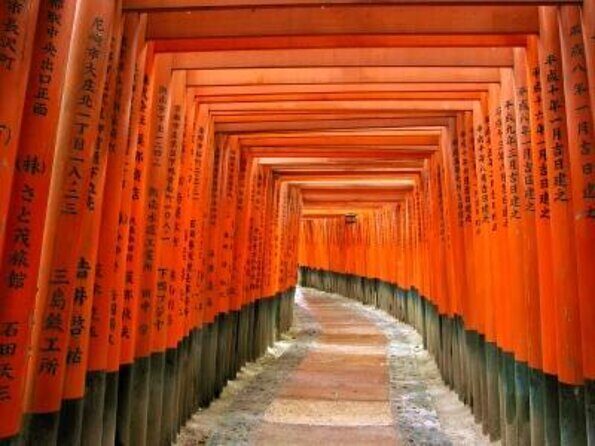
- Fushimi Inari without the all-day crowds, including lesser-known side spots around the shrine grounds
- Gekkeikan Ōkura Sake Museum, centered on the old distillery story and overseas export legacy
- Outdoor time along the Fushimi canal, with a traditionally Kyoto feel that’s easy to slow down for photos
- Battle and Ryoma history in short, digestible stops, not lectures that drag on
- Sweet-and-coffee-friendly rhythm, with taiyaki plus additional sweets and a built-in pause afterward
- Small group size (max 10) that keeps the pace human and the questions flowing
Why This Fushimi District Tour Feels Different
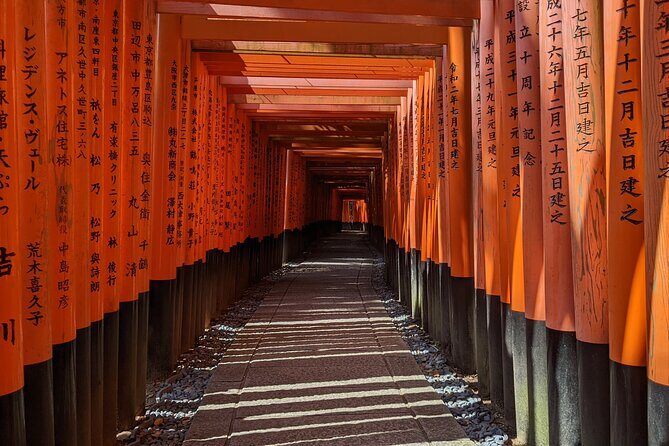
Kyoto has a few high-drama landmarks, but Fushimi has a quieter kind of gravity. This area is close to Kyoto Station, yet it doesn’t feel like it’s been fully “packaged” for international visitors. The payoff is a tour that feels like a local walk with context.
I especially like the way it uses food as a history tool. You don’t just learn about sake as a product; you see it as part of daily life, local identity, and even Japan’s broader story. The same goes for the shrine and the Ryoma-era stops: you get enough background to make the sites click, then you’re still moving.
A second thing I like: the tour is designed to keep variety without going chaotic. You’ll have a good mix of indoor and outdoor time—shrine grounds, a museum, a canal walk, historic traces, and a shopping street for snacks and a meal.
You can also read our reviews of more food & drink experiences in Kyoto
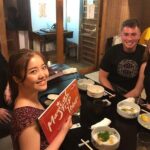
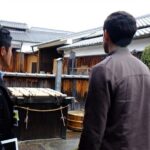
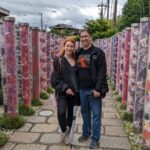
Price and What You Get for $78.04
At $78.04 per person for about five hours, the value comes from what’s built in. This isn’t just “guiding.” You also get:
- Entrance to the Gekkeikan Ōkura Sake Museum
- Entrance to the Teradaya Historic Site
- 1 taiyaki per person
- Snacks up to 2 sweets per person at the cafe stop
- Shopping/translation assistance, including help navigating what to order or where to go
Lunch is the only major gap. You’ll be directed to eat with your guide around the Ryoma shopping street, but you should budget for your meal there. If you like the idea of trying a few bites and learning while you walk, this pricing makes sense. If you’re hoping for a full meal included, plan on paying extra.
Also note the group size ceiling: 10 people max. That matters more than people think. A small group keeps the guide’s attention less scattered and makes it easier to stop for questions without feeling rushed.
Getting Started at Fushimi Inari (And Finding Your People Fast)
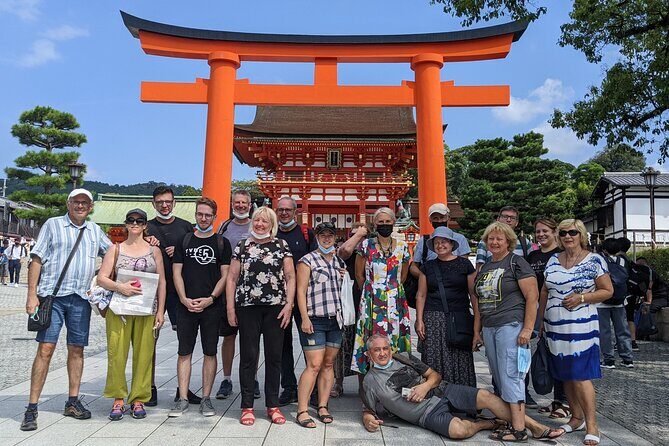
The tour starts at the fox statue at the entrance to Fushimi Inari Taisha. It’s a practical meeting point because it’s famous, easy to recognize, and close to local transit options. The tour starts at 9:30 am and runs about 5 hours, wrapping back at the same meeting point.
You’ll likely appreciate the “mobile ticket” setup. It’s one less thing to handle while you’re walking in busy areas. And with a route that loops back to the original start point, you’re not stranded across town at the end.
Pace-wise, it’s a walking tour with a few short stops and several focused segments. It’s not described as a long hike, but you should still expect comfortable walking shoes. The canal section is outdoors, and that kind of stop usually means you’ll want to linger for photos.
Stop 1: Fushimi Inari Taisha Beyond the Thousand Gates
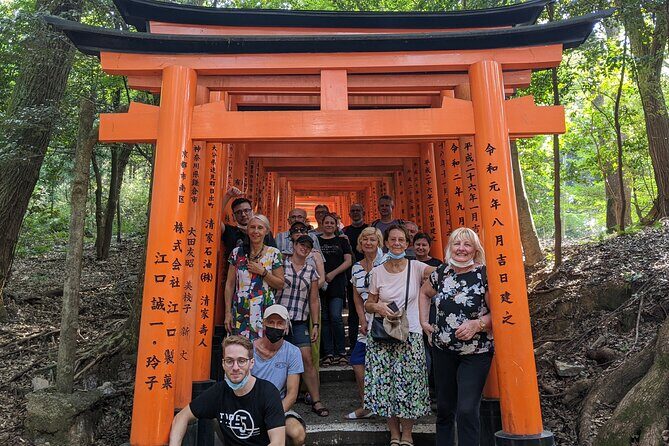
Yes, Fushimi Inari Taisha is the big name. But the tour’s angle is what makes it useful: you’ll learn about the spirit origin of Inari, and you’ll get shown hidden spots that most people miss.
That’s the real value here. The shrine complex can be overwhelming if you treat it like a checklist. With a guide, you understand what you’re looking at and why it matters. Even if you’ve seen Inari before, you’ll likely enjoy the extra context and those less obvious corners where the mood feels more local and less Instagram-only.
What to watch for: this stop lasts about one hour. If you want extra time for your own wandering, you’ll still have some freedom later, but you may not get long stretches of free roam at this first location.
Stop 2: Gekkeikan Ōkura Sake Museum and the Story of Export
Next up is the Gekkeikan Ōkura Sake Museum, tied to an old distillery and sake culture. The focus isn’t just “how sake is made.” You also hear about the significance of being the first distillery to export Japanese alcohol overseas.
If you’re a sake lover, this stop gives you a grounded reason to care. Sake can feel abstract until you connect it to craft, local history, and the business side of Japan meeting the world. Even if you don’t plan to buy anything, the museum visit makes the later food and tasting moments feel less random.
The tour allots about one hour here, which is enough time to look around without dragging. The museum entrance is included, so you’re not doing paperwork or hunting for tickets while your group is moving on.
You can also read our reviews of more tours and experiences in Kyoto


Stop 3: Fushimi Canal Walk for a Breather
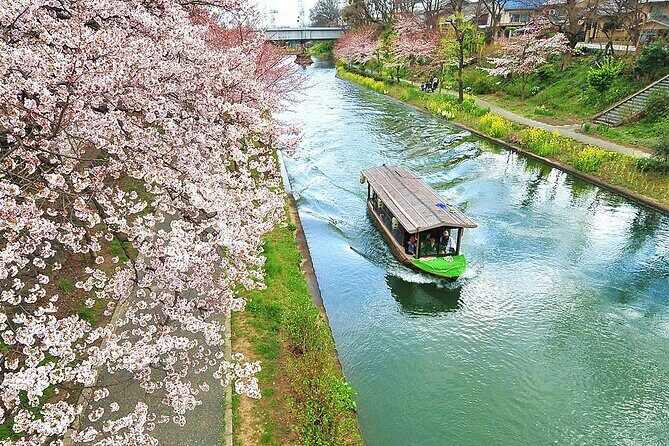
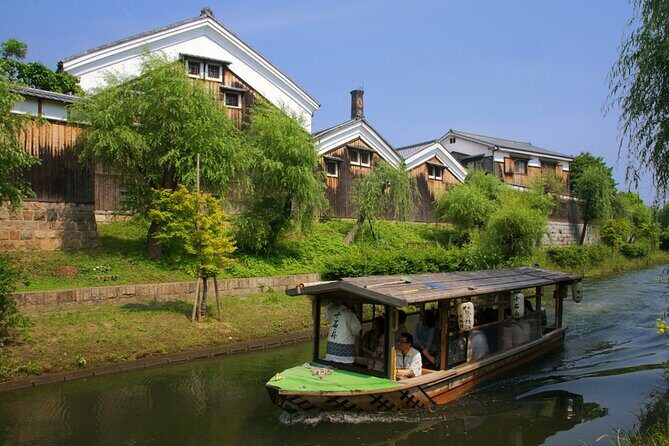
Then you shift outdoors to the Fushimi canal area. The description specifically points to enjoying the outdoors and seasonal cherry blossom scenery, plus the beauty of a traditional district vibe.
Even if you’re traveling in a non-blossom season, a canal walk is still a reset button. It breaks up shrine + museum energy and helps you absorb Fushimi at a human scale.
This stop is short—about 30 minutes—so treat it as a pause, not a full picnic plan. Come with a camera ready and expect some easy, low-pressure time rather than a structured “lecture.”
Stop 4: Battle of Fushimiguchi Trace and the Meiji Turn
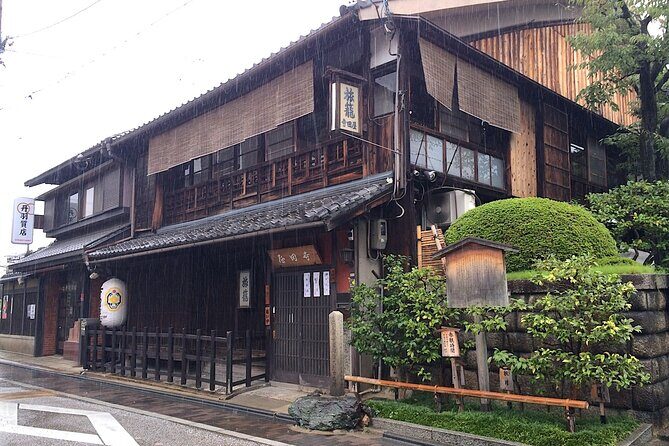
After the calm, the tour jumps into a concise history segment: the Battle of Fushimiguchi battlefield trace. You’ll hear the story of a battle that led toward the beginning of the Meiji restoration.
This is one of those stops where the time slot matters. It’s only about 15 minutes, so the guide has to hit the essentials and keep it understandable. That short duration is a good thing. You get the historical frame, then you move on before fatigue sets in.
If you’re the kind of person who loves politics and wars, you might want more time here. But as a tour rhythm, it’s smart: a little big-picture context goes a long way when the rest of your day is hands-on and food-oriented.
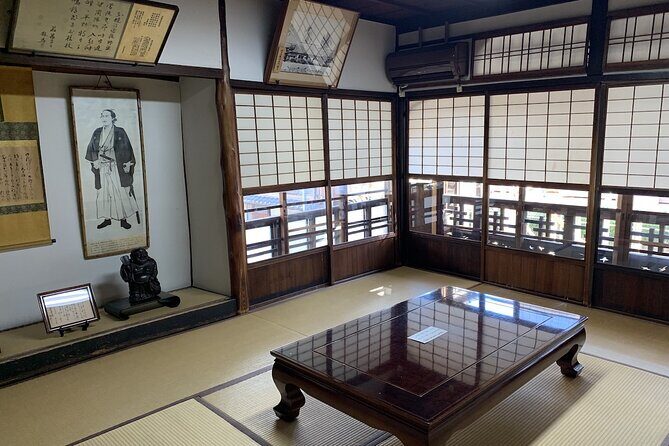
Stop 5: Teradaya Historic Site and Sakamoto Ryoma’s Near-Assassination Story
The next stop is the Teradaya Historic Site, tied to Sakamoto Ryoma. The story angle here is dramatic: he nearly got assassinated in his room by the Shinsengumi, and he barely managed to escape.
This kind of storytelling is exactly why the tour works for people who aren’t pure history students. You’re not stuck in dates on a screen. You’re learning through a human narrative, which makes it easier to remember later.
Entrance to Teradaya is included, and the stop lasts about 30 minutes. That’s enough time to connect with the story and see what’s there without feeling like you’re trapped inside. If you prefer slower history, you can still take photos and read the key points at your own pace during this block.
Stop 6: Ryoma Shopping Street for Food and Local Shopping
After the historic sites, you head to 竜馬通り商店街 (Ryoma Shopping Street). The tour positions it as an alternative to the more famous Nishiki Market style—except it keeps its authenticity and doesn’t feel “flattened” for tourists.
You’ll have about 1 hour 10 minutes here. That’s a generous chunk, and it’s the tour’s practical payoff: you get help with ordering and translation, plus time to walk the street, snack, and choose what you want for lunch.
A key detail: lunch is not included in the tour price. The guide assists you with finding and eating lunch around this area. If you like meals that feel local rather than generic, this is where the day clicks.
What to watch for: shopping streets can be tempting if you want souvenirs. If you’re carrying shopping bags or planning to take trains after, pace your buying so you don’t feel overloaded by mid-afternoon.
Stop 7: Fushimimizu Kagura (Sweets Stop) and a Mini Reset
You finish with 伏水菓蔵 本店, a traditional sweets stop. After the sake museum, historic stops, and shopping street energy, this is a built-in reset moment.
You’ll enjoy Japanese sweets here, and it’s also described as the perfect time to get coffee. Coffee and/or tea drinks are not listed as included, so treat coffee as an optional extra you can add on if you want that second wind.
This final segment is about 30 minutes. It’s long enough for a sweet and some breathing space, but short enough that the tour can wrap back cleanly.
The Guide Experience: What Matters in Real Life
The biggest difference between a good tour and a forgettable one is how the guide handles the day. In this case, the guides are described as covering at least English and Japanese, with French only as an added option depending on availability.
If you’re hoping for a guide francophone, it’s smart to plan ahead. The tour can’t guarantee French for shared tours because the group can mix nationalities, and English becomes the priority. The best move is to contact in advance so you can confirm French availability for your specific date.
Also, one guide name that comes up is Remi. He’s praised for being thoughtful and informative, and he’s also noted for helping people with rail plans. That extra support matters if you’re juggling transfers while trying to get food and history right.
Who Should Book This Tour (And Who Might Skip It)
This is a great fit if you want:
- Sake culture plus real historical context in one morning
- A route that feels less like a high-speed “look and go”
- Time to eat with guidance, instead of wandering hungry and guessing
It’s also attractive for solo visitors, with one caution: the tour has a 2 guest minimum. If there aren’t enough participants, your tour might be canceled and you’d be offered another date/experience or a full refund.
If you hate group schedules and prefer total freedom, this may feel like structure you don’t need. And since lunch isn’t included, food-phobic people who want a fully paid meal may find it slightly annoying.
Practical Tips for Getting the Most Out of It
A few small moves will help you enjoy the whole arc of the day:
- Wear comfortable shoes. You’re walking a shrine area, a canal, and shopping streets across multiple stops.
- Bring a loose plan for lunch. You’ll eat during the Ryoma Shopping Street time, so don’t lock into a preset restaurant before the guide suggests options.
- If you want French, ask early. Shared-group language balance is unpredictable, and availability is the only way to be sure.
- Use the guide for ordering help. Since translation/shopping assistance is part of the experience, take advantage of it, especially if you want sweets or drink pairings.
Should You Book This Kyoto Fushimi Food and History Tour?
I think you should book this tour if you like a day that blends food with real place-based history—and you want it in a smaller group. The included museum visits and sweets help the value, and the route makes sense for people who want to see Fushimi as more than a single shrine photo stop.
Skip it if you want only one famous site, zero walking, or a fully included lunch. Also skip if language support is your top priority and you can’t plan for the French availability limits in shared groups.
If you’re staying near Kyoto Station and want a morning that feels local, this is a strong bet. You’ll leave with memories that aren’t just gates and buildings, but a connected story you can still repeat on the train.
FAQ
How long is the Kyoto Fushimi District Food and History Tour?
It runs for about 5 hours.
Where does the tour start and where does it end?
It starts at the fox statue at the entrance to Fushimi Inari Taisha. It ends back at the meeting point.
What time does the tour begin?
The start time is 9:30 am.
How much does the tour cost?
The price is $78.04 per person.
What’s included in the price?
You get full guiding, 1 taiyaki per guest, entrance to the Gekkeikan Ōkura Sake Museum, entrance to Teradaya Historic Site, shopping/translation assistance, and snacks of up to 2 sweets per guest at the cafe.
Is lunch included?
No. Lunch is not included, but you can eat at the Ryoma Shopping Street with your guide’s assistance.
What ticket format do you receive?
The tour uses a mobile ticket.
Is French guaranteed for the guide?
No, French can’t be guaranteed for shared tours because the group can mix nationalities. English is prioritized, and guides speak at least English and Japanese; French may be added if possible. Contact in advance to check availability for your date.
How big is the group?
The tour has a maximum of 10 travelers.
What happens if the tour has to be canceled due to minimum participants?
If the minimum number of travelers is not met (there is a 2-guest minimum rule), the tour may be canceled. You’ll be offered a different date/experience or a full refund. Free cancellation is available up to 24 hours before the start time for a full refund.