REVIEW · SAMURAI EXPERIENCES
Kendo and samurai experience in Kyoto
Book on Viator →Operated by Atelier NIN · Bookable on Viator
Two hours to swing like a samurai. This kendo and sword session in Kyoto is built for beginners and still feels real: you practice with training swords, learn the rules and discipline, and get hands-on technique from an instructor. I also like that the class is small and personal, with time for photos and videos so you leave with more than just a memory.
One thing to consider: the big moment—cutting a tatami mat—may be restricted or may not happen depending on current rules, and the uniform set-up can vary by session. That doesn’t mean the class isn’t fun. It just means you should manage expectations before you go in.
If you want a break from temple lines and castle stairs, this is a calmer, more practical side of Japan’s feudal-era culture. You’re shown how to handle swords safely, you learn by doing, and you leave with a better sense of what makes kendo more technique than brute strength.
In This Review
- Key points before you book
- Where the class happens: studio NIN near Shugakuin
- Getting suited up: the samurai look and your teacher’s pace
- Kendo basics with bamboo practice swords: the technique lesson
- Sword handling progression: from safer replicas to katana cutting
- Tatami cutting reality check: what you should verify
- Price and time: is $105.68 worth it for you?
- What you’ll learn beyond swinging a sword
- Who should book this kendo and samurai session
- Should you book Atelier NIN’s kendo class in Kyoto?
- FAQ
- How long is the kendo and samurai experience?
- Where do I meet for the class?
- Do I need martial arts experience?
- What training equipment do you use?
- Is tatami mat cutting included?
- What’s the group size like?
- Is the ticket mobile and is cancellation flexible?
Key points before you book

- Beginner-friendly sword handling: no martial arts experience needed, and you start with safer training tools.
- Small-group feel (up to 15): you’re more likely to get your teacher’s full attention than in large demos.
- Real practice gear: bamboo practice swords, foam swords, and blunt replica blades, plus authentic training equipment.
- Photo and video time: your instructor helps capture your samurai moment.
- Tatami-cutting isn’t 100% guaranteed: some sessions include it, others don’t, so confirm ahead.
Where the class happens: studio NIN near Shugakuin
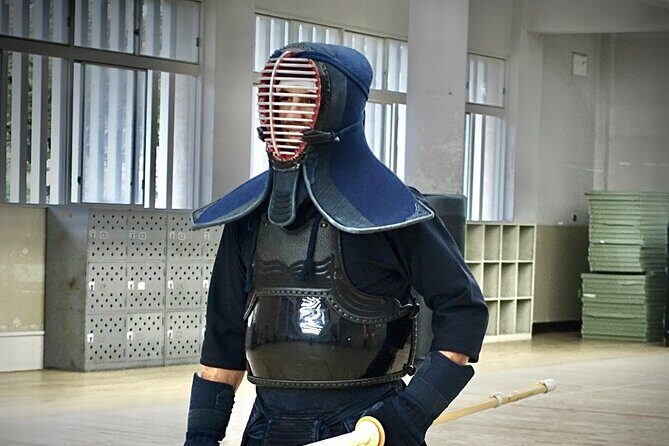
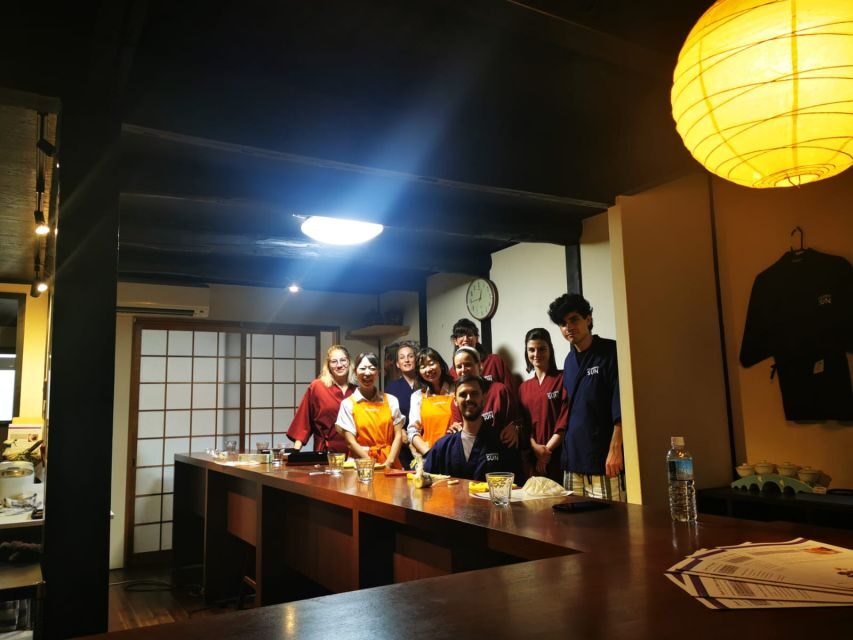
The meeting point is studio NIN (修学院16 Shūgakuin Daidōchō, Sakyo Ward, Kyoto 606-8037). This area is on the quieter side of Kyoto, near the Shugakuin Imperial Villa zone, so you get a more local feel than the most tourist-packed neighborhoods.
Here’s the practical catch: the studio can be a little hard to find, especially if you’re relying on wandering streets with fewer landmarks. Plan a little buffer time. If you’re arriving late, you don’t want to cut your practice time short.
Good news for logistics: it’s near public transportation, and the activity runs on a 2-hour (approx.) block, so it fits neatly between sightseeing days.
You can also read our reviews of more tours and experiences in Kyoto.


Getting suited up: the samurai look and your teacher’s pace
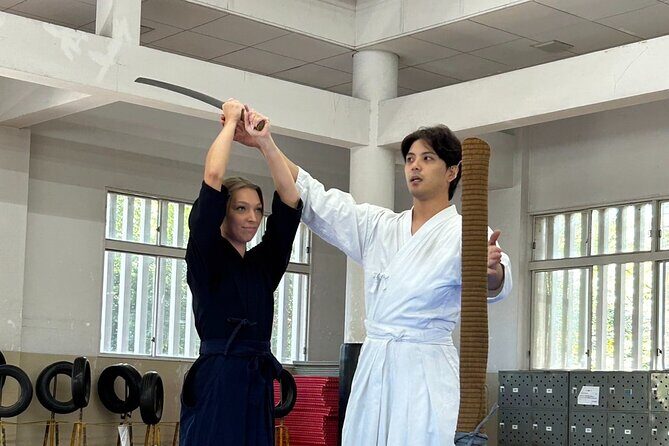
When you arrive, expect a guided lead-in before you start swinging. The whole tone is no-pressure, with step-by-step coaching so you know what to do and why you’re doing it. Several instructors are reported by name in past sessions (you might meet people like Kengo or Taka, depending on scheduling), and the common thread is patience with beginners.
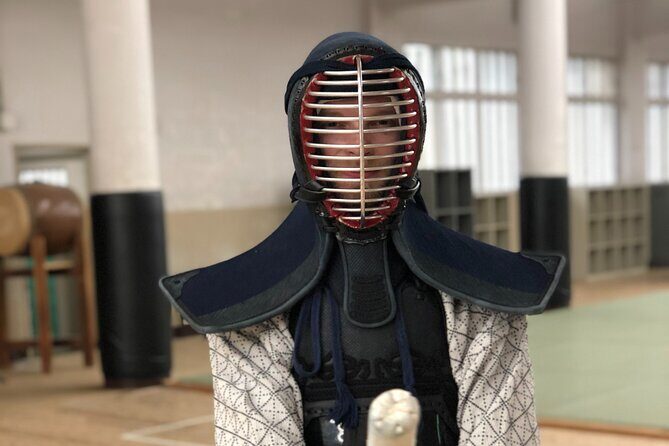
You’ll wear authentic training gear. Some people love the full costume-up experience; one person noted only seeing part of the uniform set-up (like getting to see one helmet). That variability matters because the costume is part of the fun factor for many first-timers.
You’ll also get help with photos and videos, which is a big plus if you want your kendo moment documented. Just remember: if you spend time dressing and photographing, it can affect how long you personally spend drilling sword technique.
Kendo basics with bamboo practice swords: the technique lesson
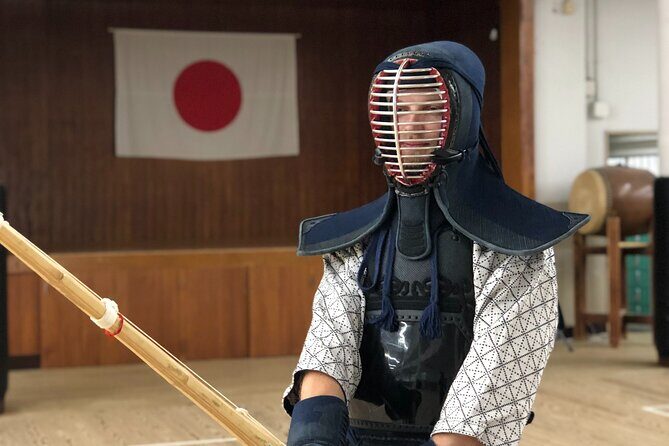
This class doesn’t start by throwing you into advanced moves. You begin with fundamentals: grip, posture, and movement basics—the kind of building blocks that make kendo feel logical instead of chaotic.
You’ll practice with training tools like bamboo practice swords (and other safer replicas). This is where you’ll learn the difference between just waving a stick and performing controlled, repeatable motions. A theme that comes up again and again: kendo rewards technique over strength. That’s good news for real life—your arms don’t have to be made of steel.
If you’re lucky with timing and group energy, you may also get a chance for light sparring against each other using practice weapons. Even without sparring, you still get coached on how to execute basics efficiently, and how to stay safe while doing it.
Sword handling progression: from safer replicas to katana cutting
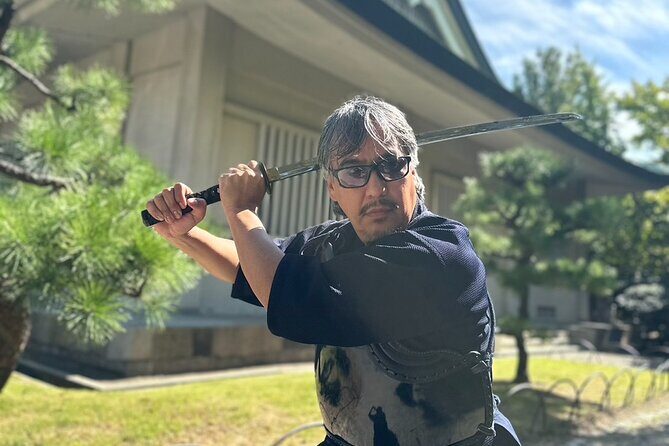
The session is designed like a ladder. You work your way from safer training gear toward the more dramatic sword moment. The materials you might use include bamboo practice swords, foam swords, and blunt replica blades—all meant to teach handling without the danger of live steel.
Then comes the part people remember most: a cutting exercise. Some sessions include cutting a tatami mat using a katana-like setup (often described as tameshigiri, the cutting practice). Others report that the tatami cutting wasn’t offered at the end of their class.
If tatami cutting is part of your session, you’ll want to watch how the instructor sets it up and explain your position and timing. Cutting isn’t about power. It’s about alignment, distance, and a clean execution the instructor can correct in real time.
Tatami cutting reality check: what you should verify
This is the one detail that can swing your satisfaction.
Some past participants say they did cut a tatami mat, even describing it as a highlight. Others say the listing sounded like tatami cutting would be included, but due to legal or availability changes in Japan, they weren’t able to do it.
So here’s how you handle it like a smart traveler:
- Ask whether tatami-cutting is included for your exact date.
- If it isn’t available, ask what the final cutting alternative is (if any).
- If you care about the full samurai look, ask whether the complete training uniform is provided or if it’s partial in your time slot.
This isn’t you being difficult. This is you making sure the $105.68 experience you book matches the memory you’re hoping to leave with.




Price and time: is $105.68 worth it for you?
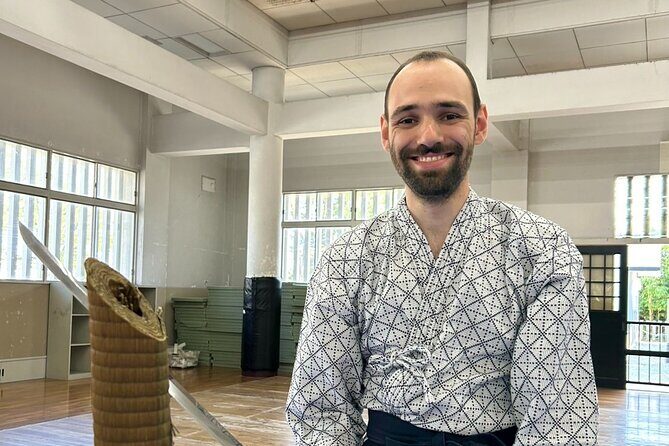
At $105.68 per person for about 2 hours, you’re paying for more than casual entertainment. You’re paying for:
- Close instruction and supervision (small group, max 15)
- Authentic training gear
- Hands-on practice with multiple types of swords
- A guided cultural explanation of samurai discipline and the kendo mindset
- Help capturing photos and videos
Where it can feel pricey: if your session includes lots of dressing and extra photo stops, you may wish you spent a bit more time drilling sword technique. One person also felt the dojo space and setup didn’t match the expectation of a polished venue.
Where it feels like a bargain: if you’re new to kendo and want a structured start—this is a fast path to learning posture, grip, and basic movement in a safe way. It’s also a rare “get physical, learn technique, then do a dramatic finishing moment” style experience in Kyoto.
Net take: it’s great value if you go in expecting a guided practice class with a possible cutting highlight, not a guaranteed Hollywood ending.
What you’ll learn beyond swinging a sword
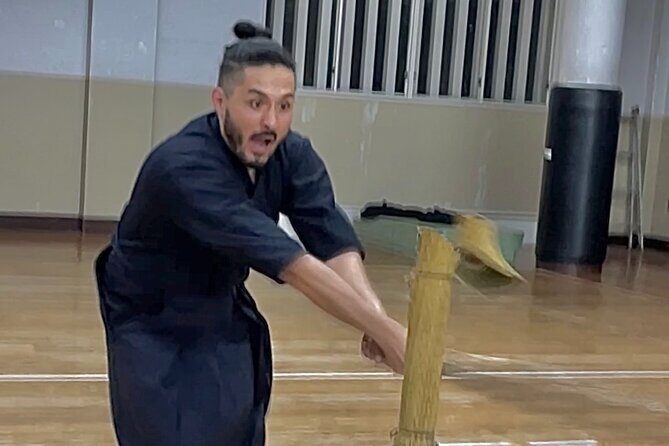
This class isn’t only about the motion. You’re also taught what kendo is trying to cultivate: discipline, respect, and control.
In practice, that means you learn things like:
- How to take the sword in and out properly
- Correct stance and posture so you don’t turn the lesson into random arm flailing
- Basics of kendo rules and tradition
- How to cut more efficiently, focusing on form rather than brute force
And there’s the cultural layer. You’ll hear about the spirit of samurai training—how repeated, precise practice builds the mindset. If you’re the type who likes the “why” as much as the “what,” you’ll likely appreciate the explanation side of the class too.
Even better: if you’re a fan of samurai stories, the experience can feel like a real-world version of the scenes you’ve watched. One participant even mentioned dreaming of doing it for years, tied to an anime-style samurai inspiration.
Who should book this kendo and samurai session
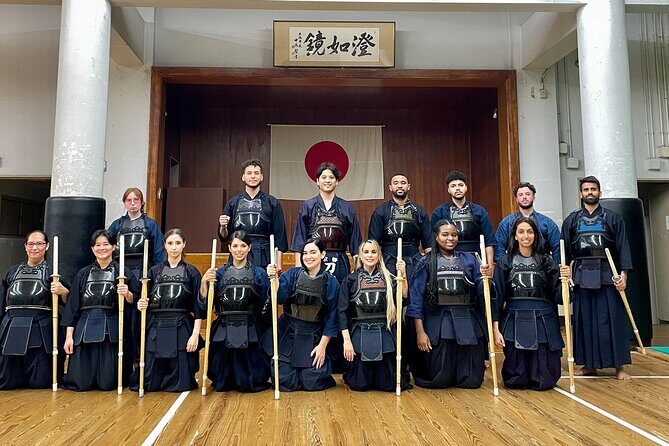
This experience fits best if you:
- Want hands-on learning instead of just watching a demo
- Are a beginner and need structured coaching (no experience needed)
- Like small-group interactions where the instructor can correct you
- Want a memorable Kyoto activity that’s different from temples and shopping streets
It may be less ideal if you:
- Only want the tatami-cutting moment and nothing else will satisfy you—because it may not happen every time
- Need a pristine, big-facility studio vibe; the setting can be small and feel more like a private training space
- Worry about language. Some instructors speak English well (one person credited an instructor with very good English), while another experience noted communication could be harder. Bring patience, and if you like, keep a translation tool handy.
Should you book Atelier NIN’s kendo class in Kyoto?
If you want a real skill moment in Kyoto, I think you should seriously consider booking it—especially if you go with the right expectations. This is a beginner-friendly class with hands-on sword practice, instruction, and a strong photo-op atmosphere.
Just do two things before you commit:
1) Confirm whether tatami cutting is included for your date.
2) Ask what uniform and final cutting setup looks like so you don’t feel let down by mismatched expectations.
If those checks align, you’ll likely love it for the exact reason many people highlighted: the lesson sticks because you do it, not because someone talks at you. You’ll leave knowing how to hold and move with a sword safely, and with at least one moment that feels like a samurai scene.
FAQ
How long is the kendo and samurai experience?
It runs for about 2 hours.
Where do I meet for the class?
You start at studio NIN (修学院16 Shūgakuin Daidōchō, Sakyo Ward, Kyoto 606-8037). The activity ends back at the meeting point.
Do I need martial arts experience?
No. The experience is described as suitable for people with no martial arts experience, and the instructor helps you.
What training equipment do you use?
The class uses training tools such as bamboo practice swords, foam swords, and blunt replica blades, and you wear training gear.
Is tatami mat cutting included?
It may not be available in every session. Some people report they did tatami cutting, while others say it was not offered, so it’s smart to verify for your date.
What’s the group size like?
The activity has a maximum of 15 travelers, and the structure is meant to keep the class focused with the instructor’s attention.
Is the ticket mobile and is cancellation flexible?
Yes, you get a mobile ticket. There is free cancellation if you cancel up to 24 hours in advance for a full refund.