REVIEW · ARASHIYAMA TOURS
KYOTO: Golden Pagoda, Bamboo Forest, Arashiyama (Italian)
Book on GetYourGuide →Operated by Agenzia Turisti Italiani in Giappone · Bookable on GetYourGuide
Kyoto in five hours feels efficient, yet thoughtful. You’ll hit the Golden Pagoda at Kinkaku-ji and walk in the Sagano Bamboo Forest with an Italian-speaking native Kyoto guide who ties the sights to how people lived then and now. I like that the focus isn’t just photo stops; it’s context for a place that can otherwise feel like a blur of temples and streets.
Two things I really like about this experience: first, the native Kyoto guide answers questions as you go, so you can actually make sense of what you’re seeing. Second, the tour handles the key logistics—transport and entrance fees for the scheduled monuments—so you’re not piecing together tickets and routes mid-day.
One possible drawback: you’ll be moving on a tight half-day schedule. If you like slow wandering, you may want to plan a longer follow-up day near Arashiyama or Kinkaku-ji so this doesn’t feel like a quick taste.
In This Review
- Key highlights you’ll care about
- Kyoto Station meeting point: start in the right place
- Sagano Bamboo Forest: the walk that makes Kyoto feel real
- What you’ll do here
- Practical considerations
- Kinkaku-ji Golden Pagoda: understand the preserved setting
- What can feel different here
- The Italian-speaking native guide: the real engine of the tour
- Between stops: the transport rhythm that keeps your day short
- Price and value: what $117 buys you in Kyoto
- Who should pick this Kyoto half-day plan
- Should you book: Golden Pagoda + Bamboo Forest with an Italian guide?
- FAQ
- Where do I meet for the tour?
- What language is the tour guide?
- How long is the experience?
- What are the main places visited?
- How do you get between stops?
- Is transportation included in the price?
- Are entrance fees included?
- Where does the tour end?
- Is there a cancellation policy?
- Is the tour wheelchair accessible?
Key highlights you’ll care about
- Sagano Bamboo Forest for 1 hour with guidance plus time for sightseeing and shopping nearby
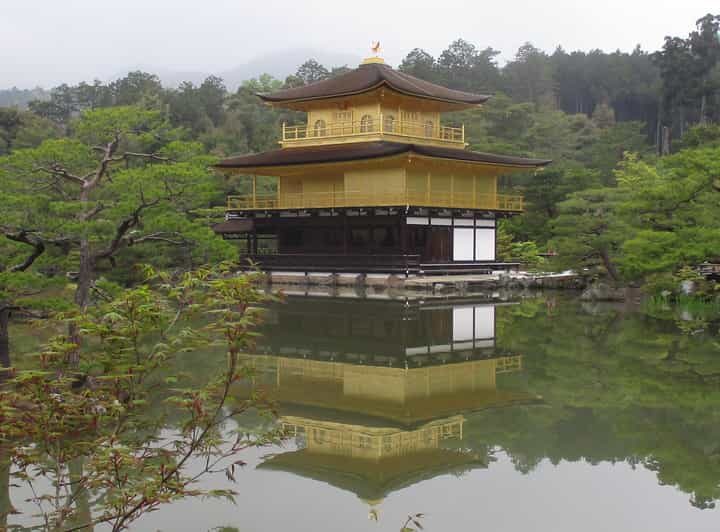
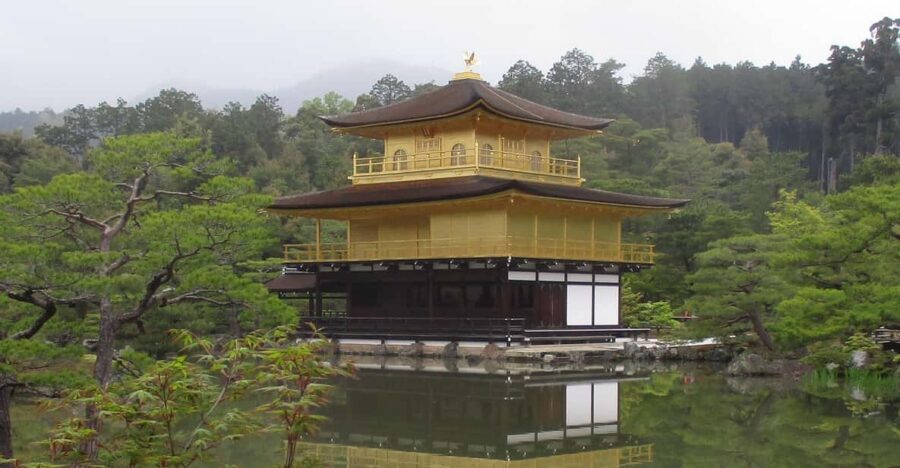
- Kinkaku-ji Golden Pagoda for 1 hour so you have time to understand what you’re looking at
- Italian-speaking native Kyoto guide who explains daily life, not just famous monuments
- Efficient transport routing (trains, bus/coach, and subway) that keeps your day compact
- Ends at Kyoto Station with freedom to leave partway through if you want
Kyoto Station meeting point: start in the right place
This tour is built around Kyoto Station. You meet at the North entrance, the Karasuma-guchi side, at a specific spot between the four escalators—near the cab (not bus) terminal area. The helpful clue is that from your meeting point you can see Kyoto Tower ahead, toward the top left.
That detail matters more than you’d think. Kyoto Station is huge, and when a plan runs on a tight window, finding the group fast is everything. You also get an email the day before with the meeting confirmation and meeting point details, which keeps last-minute confusion low.
You can also read our reviews of more tours and experiences in Kyoto.



Sagano Bamboo Forest: the walk that makes Kyoto feel real
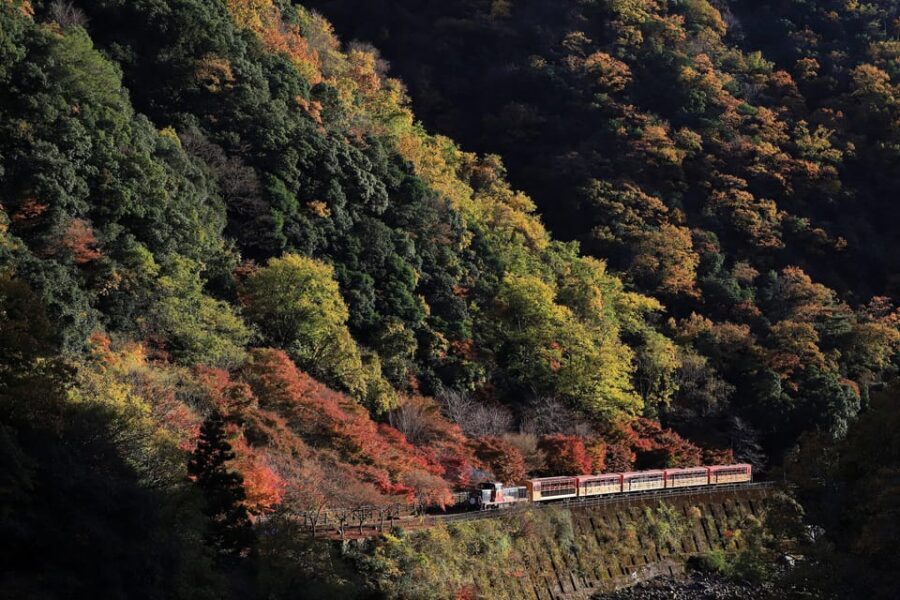
After you’re together, you start with about a 20-minute train ride toward the Sagano area. Then it’s straight into the heart of it: the Sagano Bamboo Forest, with around 1 hour on-site.
This portion is more than a stroll. You’re not just looking at bamboo; you’re learning how preserved environments connect to daily life and past social worlds. The tour frames what you see in terms of historical Kyoto—why certain areas became retreats or held meaning for aristocrats, literati, and even the samurai class. That’s a big shift from the usual bamboo-forest approach, which can feel like a checklist.
What you’ll do here
- You’ll follow a guided route through the Sagano area and the bamboo area itself
- You’ll have time for sightseeing and shopping nearby
Practical considerations
Wear shoes that handle a bit of walking. Bamboo sights can mean uneven ground and slow-moving photo traffic, so comfort beats style here. Also, because the tour is time-boxed, you’ll want to keep your eyes open as the guide points out what to notice—like how the bamboo walk changes the mood of a space.
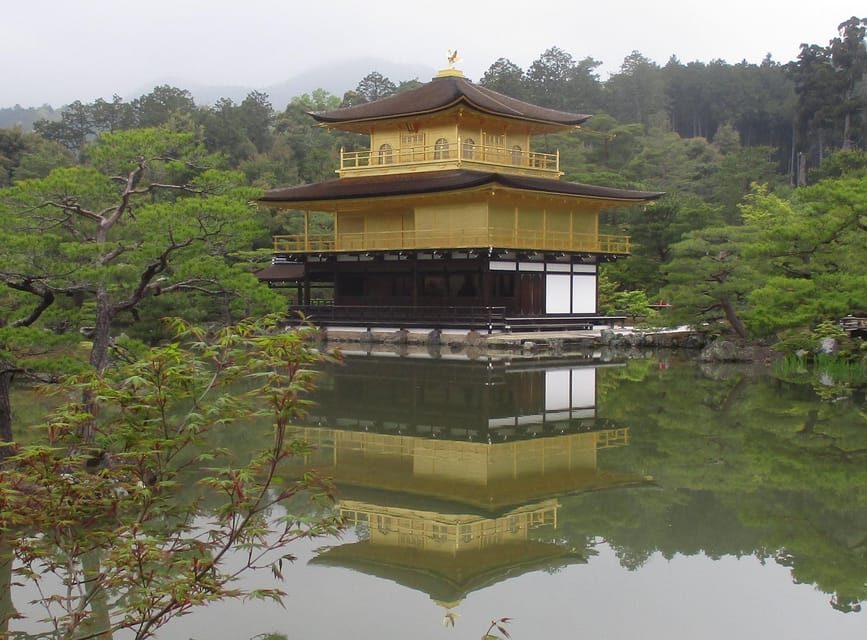
Kinkaku-ji Golden Pagoda: understand the preserved setting
Next comes the big temple payoff: Kinkaku-ji, the Golden Pagoda. You’ll travel by bus/coach for about 15 minutes to get there.
You get about 1 hour at Kinkaku-ji with guided time. This is where the tour’s “history and daily life” angle really earns its place. The visit is framed around the northwestern suburbs of Kyoto—places tied to the vacationing and retired lives of the imperial house relatives, aristocrats, and literati. In other words, you’re learning why these landscapes mattered, not just that they look impressive.
You’ll also get a guided explanation of the preserved environment—how the temple setting reflects continuity, taste, and power in older Kyoto. The guide doesn’t stop at dates. They connect the dots between the past and what you see around you now, and they’re set up to answer your questions on the spot.




What can feel different here
Kinkaku-ji is famous, so you might expect it to feel like a crowded spectacle. What you can control is how you experience it. With a guide who talks about what the preserved setting meant for people of rank and culture, you’ll likely feel less like you’re standing in front of an attraction—and more like you’re reading a living chapter of Kyoto.
The Italian-speaking native guide: the real engine of the tour
The strongest part of this experience is the guide. You’re traveling with an Italian-speaking guide who’s a native Kyoto expert. That matters because Kyoto isn’t just “old.” It’s layered, and a fluent explanation in your own language helps you process it quickly.
The tour is built around questions. You’re encouraged to ask about history, culture, and daily life, and the guide answers in a way that’s easy to follow. This is also where the tour avoids the usual lecture vibe. The guide ties what you see to daily life and to how different classes lived—especially the contrast between aristocrats, literati, and the samurai class.
One more detail that stands out from the general feedback on this type of guided style: the guide’s preparation and friendliness tend to be a big part of why people feel satisfied. If you care about getting “why” with your “wow,” this is the tour format that usually delivers.
Between stops: the transport rhythm that keeps your day short
This tour is designed as a half-day loop. From Sagano, you return and move onward in short legs: another 20-minute train segment, then a 15-minute bus/coach to Kinkaku-ji, and later a mix that includes subway/metro for about 15 minutes back toward Kyoto Station.
The schedule is compact, which is exactly why it works for first-time visitors. You get two of Kyoto’s big signature areas—Arashiyama/Sagano and Kinkaku-ji—without trying to brute-force public transit yourself.
And here’s a practical perk: the tour ends at Kyoto Station, but you’re free to leave halfway. That means if you decide you’d rather linger in one area, you’re not locked into staying until the very end just to avoid “missing the return.”
Price and value: what $117 buys you in Kyoto
At $117 per person for about 5 hours, you’re paying for time plus local guidance. In Kyoto, that value often comes down to one simple question: do you want to spend your limited hours navigating and figuring out routes—or do you want someone to handle the moving parts?
This tour includes:
- transportation and entrance fees for the monuments visited during the scheduled route
- the services of an Italian-speaking native Kyoto guide
- a structured half-day flow that covers Sagano Bamboo Forest and Kinkaku-ji
That combination is what makes the price feel reasonable for many people. Entrance fees and transit add up fast when you’re doing it piecemeal, and language support can also be the difference between “I saw it” and “I understood it.”
It’s also worth noting that the tour is listed as wheelchair accessible, which is a real consideration when you’re deciding how flexible your plans need to be.
Who should pick this Kyoto half-day plan
This tour is a good match if:
- you’re new to Kyoto and want a guided orientation that connects sights to context
- you prefer learning in Italian and want a guide who can answer your questions
- you want one efficient morning/afternoon that hits Sagano and Kinkaku-ji without planning transit around crowds
- you like your sightseeing with daily-life explanations, not only landmark facts
If you’re the type who wants to roam for hours without structure, you might find the pace a bit tight. But if you’d rather make smart use of limited time, this half-day format is built for that.
Should you book: Golden Pagoda + Bamboo Forest with an Italian guide?
I’d book this if you want Kyoto highlights with meaning, delivered in a language you can actually think in. The pairing of Sagano Bamboo Forest and Kinkaku-ji works well because they show two sides of Kyoto: one more atmospheric and nature-linked, the other iconic and tied to preserved cultural spaces.
Skip it—or treat it as a “taste” only—if you hate fixed schedules or you’re the kind of visitor who needs long, uninterrupted time on-site.
FAQ
Where do I meet for the tour?
You meet at Kyoto Station, North entrance (Karasuma-guchi). The exact spot is between the four escalators in front of the cab (not bus) terminal, toward the east just outside the central north entrance.
What language is the tour guide?
The tour includes a live tour guide in Italian.
How long is the experience?
The duration is listed as 5 hours, which fits a half-day plan.
What are the main places visited?
You’ll visit Sagano Bamboo Forest and Kinkaku-ji (the Golden Pagoda), with the tour structured around getting there and back through Kyoto Station.
How do you get between stops?
The route uses a mix of transport: train segments, bus/coach, and subway/metro, with short rides between each part of the day.
Is transportation included in the price?
Yes. All transportation is included for the scheduled itinerary.
Are entrance fees included?
Yes. Entrance fees for the monuments visited during the itinerary are included.
Where does the tour end?
The tour ends back at Kyoto Station. You are free to leave halfway if you want.
Is there a cancellation policy?
The tour offers free cancellation up to 24 hours in advance for a full refund.
Is the tour wheelchair accessible?
Yes, it is listed as wheelchair accessible.
If you tell me what month you’re going and whether you prefer an early start or a later one, I can help you map the rest of your day around Arashiyama and Kyoto Station.