REVIEW · NARA DAY TRIPS
Kyoto, Nara and Osaka private up to 9 pax picked up from Kyoto
Book on Viator →Operated by Amazing Kyoto Experience · Bookable on Viator
Three cities in one day, and it actually works.
This private tour is built for people who want Kyoto, Nara, and Osaka without the chaos of trains and transfers, with hotel pickup from Kyoto and a guide who steers you toward quieter, more interesting stops.
I love the door-to-door pickup and the option to choose your drop-off location afterward, so your day can end exactly where you want to eat. I also like that the route mixes big icons with off-the-main-path temples like Rengeji’s moss garden and Myomanji’s rock layout. The main drawback is the pace: the full three-city example can run closer to a long day (about 12 hours), so you’ll want comfy shoes and realistic expectations.
In This Review
- Key highlights to know before you go
- Why this Kyoto–Nara–Osaka private loop feels different
- Pickup, drop-off, and timing: plan for a full day
- Kyoto start: Fushimi Inari, bamboo calm, and big picture views
- Rengeji Temple moss garden: one of those stops you remember later
- Myomanji Temple rock garden: tiny stones, big order
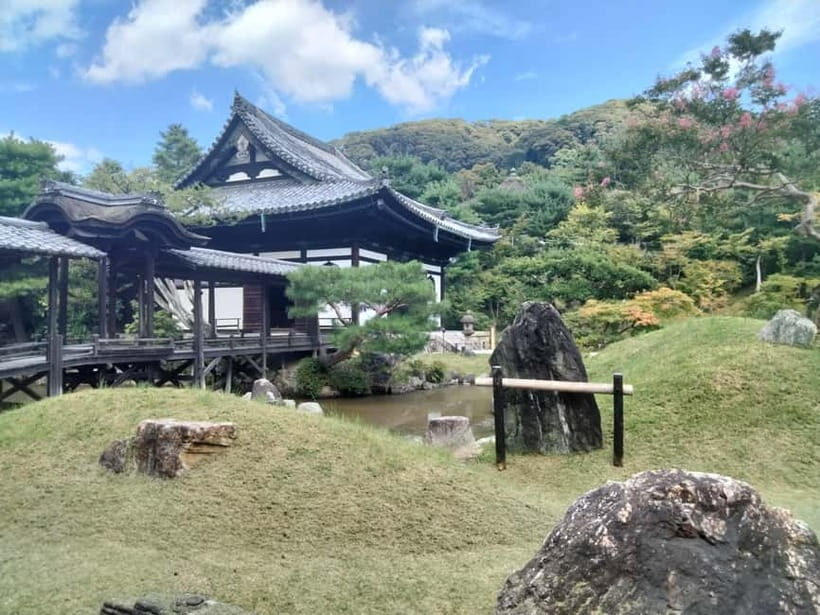
- Koryu-ji Temple: Korean-rooted roots and survival after fire
- Kinkakuji (Golden Pavilion): the iconic stop, done with context
- Koetsuji Temple and the arts touch: tea, calligraphy, and garden details
- Nakamuraken dessert stop: yuzu and match flavors
- Matsuo Shrine: fish pond vibes and a neighborhood feel
- Nara’s Todai-ji and deer time: wow scale plus playful energy
- Osaka on foot: Dotonbori for eating and atmosphere
- Abeno Harukas observatory: high views to close the loop
- Price and value: what $329.02 per person really means
- Guide quality matters: Takashi’s quiet confidence and photo help
- Who this tour fits best (and who might want another plan)
- Practical tips for enjoying the whole day
- Should you book this private 3-city day?
- FAQ
- Is hotel pickup available for this tour?
- Can I choose where the tour ends after it’s finished?
- Is it a private tour, and how many people can join?
- How long is the tour?
- Does the tour use a mobile ticket?
- What is the cancellation policy?
Key highlights to know before you go
- Private group up to 9: easier conversation, more flexible timing, less waiting around.
- Kyoto pickup + custom drop-off: start and finish where you choose.
- Secret-temple style stops in Kyoto: Rengeji Temple, Myomanji, and other quieter grounds.
- Nara with both wow and chill: Todai-ji plus deer time, then a calmer matcha moment.
- Osaka on foot: Dotonbori street wandering and the viewpoint from Abeno Harukas.
- Mobile ticket included: makes day-of logistics simpler.
Why this Kyoto–Nara–Osaka private loop feels different
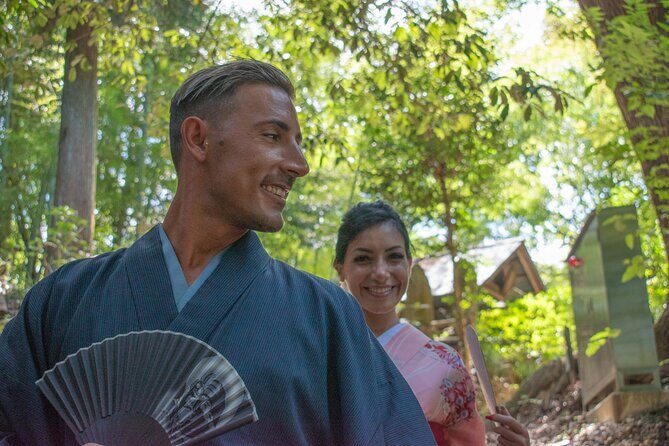
Most people try to stack Kyoto and Osaka and end up sprinting between train stations. This route is the opposite. You get picked up from Kyoto, ride in a car with your group, and spend your time walking where it matters—shrines, temple gardens, and food streets—without the constant schedule stress.
What makes it especially appealing is the “three cities, one flow” idea. You’re not just ticking boxes. The day mixes famous sights (like Fushimi Inari) with smaller, more peaceful temple stops that many visitors never get to in one trip.
You can also read our reviews of more private tours in Kyoto
Pickup, drop-off, and timing: plan for a full day
This is offered as a private tour for up to 9 people, and it’s designed around hotel pickup in Kyoto. You can also select your drop-off location, which is handy if you want to finish with dinner near a specific area instead of being deposited somewhere random.
The listing says about 7 hours for the experience, but the three-city option example described runs like a long day (around 12 hours). Treat that as the real-world warning label: plan for an early start and keep your evenings flexible.
A practical note: admission for several Kyoto stops is marked free in the itinerary, which helps your budget. For the Nara and Osaka parts, the data doesn’t list every admission detail, so it’s smart to bring a little extra cash or have a plan just in case something isn’t included.
Kyoto start: Fushimi Inari, bamboo calm, and big picture views
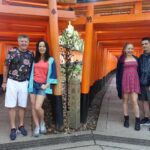
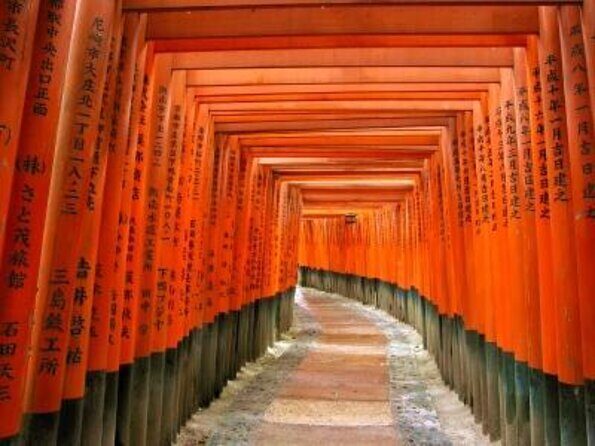
Your day begins at Fushimi Inari-taisha, the shrine famous for thousands of torii gates climbing up the hill. You’ll get that classic tunnel-like feeling, but it’s also more than photos. The shrine grounds include a long mountain stretch where you can slow down and notice the quieter background sounds—birds and the feel of the space as you move deeper.
This stop is a good warm-up. Even if you’ve seen pictures before, the scale lands better when you walk it instead of staring at an image. And because you’re on a private format, you can usually move at a pace that fits your group rather than being trapped in a crowd shuffle.
Rengeji Temple moss garden: one of those stops you remember later
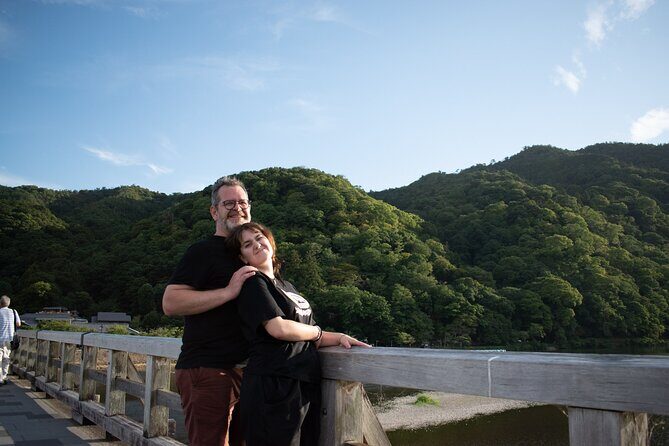
Next is Rengeji Temple, known for an extremely gorgeous moss garden. The key detail here is not just what it looks like—it’s where it is. The itinerary calls it a distant and inconvenient location, which is exactly why it feels different from the most-touristed Kyoto circuit.
If you like places that reward quiet attention, this is a strong moment in the day. The garden and temple atmosphere are the kind of setting where you stop taking photos and start actually looking—especially if the weather is mild and the light is soft.
Myomanji Temple rock garden: tiny stones, big order
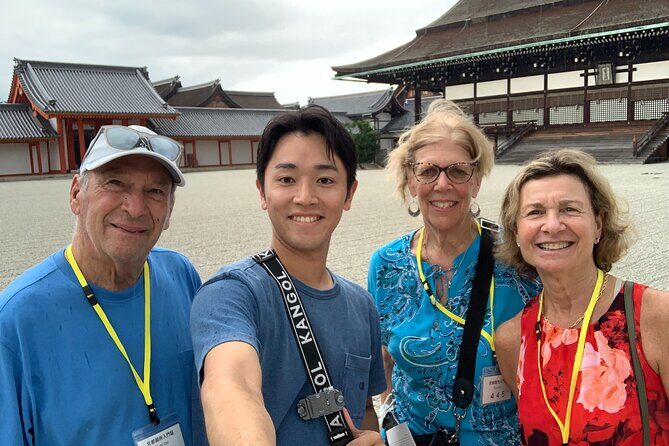
Then you head to Myomanji Temple, described as one of the larger temples in northern Kyoto. The star feature is the millions of tiny rocks arranged into a structured garden layout. It’s striking because it’s not just “pretty stones”—it’s a whole design with a deliberate pattern.
This is also where your guide’s explanations matter. The itinerary points to contact with the history of major Buddhist sects in Japan. Even if you’re not trying to memorize dates, you’ll get context for why these temple gardens are treated as living expressions of belief, not just landscaping.


Koryu-ji Temple: Korean-rooted roots and survival after fire

At Koryu-ji Temple, the story comes with a specific historical thread. The temple is said to have been erected by the Hatashi, described as a Korean-rooted ethnic group, in the 5th–6th century. It also survived a major setback: the itinerary notes it experienced a burn-down in the 8th century but never vanished afterward.
This stop adds depth to the day in a way that feels real, not textbook. You’re not only viewing buildings—you’re seeing layers of migration, community, and persistence through centuries of change.
One quick consideration: if you’re expecting every stop to be long and dramatic, this one is shorter (about 30 minutes). Think of it as a history-and-atmosphere stop that sharpens the bigger picture.
Kinkakuji (Golden Pavilion): the iconic stop, done with context
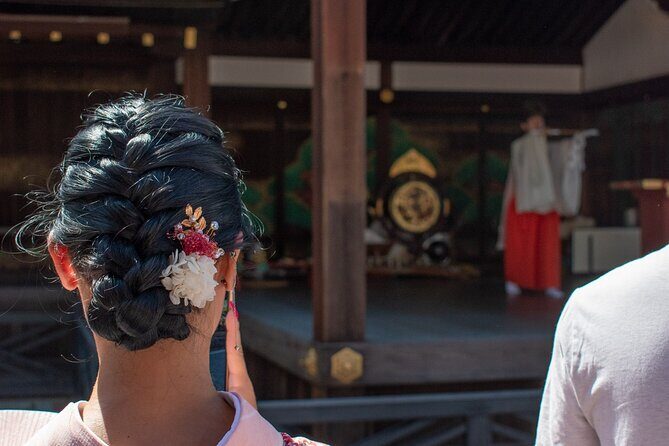
Kinkakuji, the Golden Pavilion, is the famous centerpiece: the villa of Shogun Yoshimitsu Ashikaga later converted into a temple. The building’s top floors are covered with gold leaf, and it’s known for that mirror-bright look that makes people stop and stare.
Even here, the value of a private tour is context. You get the “why” behind the structure, not only the “what.” It helps you read the sight more thoughtfully instead of rushing to the next photo spot.
Koetsuji Temple and the arts touch: tea, calligraphy, and garden details
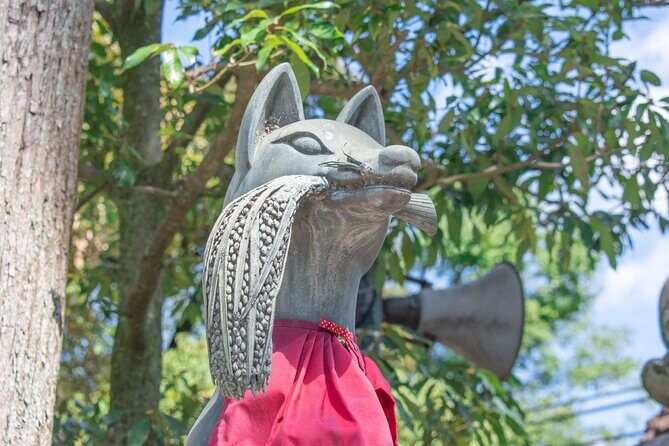
Koetsuji Temple shifts the mood again. The itinerary notes it was part of an art master’s property connected with tea ceremony and calligraphy, and it includes an awesome garden with items related to tea ceremony and related arts.
This is one of those stops where you might get the feeling that Kyoto isn’t only about grand landmarks—it’s also about craft, practice, and the small spaces where people learned skills. If you like the cultural side of the day, you’ll probably appreciate Koetsuji’s tone.
Nakamuraken dessert stop: yuzu and match flavors
Then comes a break that isn’t just a pause—it’s a taste of Kyoto sweets. At Nakamuraken, you stop at a local dessert shop for things like mochifu (pounded rice cake with different textures than standard mochi) and shaved ice with yuzu or matcha.
This is the kind of stop that keeps a long day from turning into pure sightseeing fatigue. It’s also an easy win for groups—different preferences can still find something tasty without turning into a debate.
Matsuo Shrine: fish pond vibes and a neighborhood feel
Your Kyoto sequence ends at Matsuo Shrine, described as the biggest shrine erected by a powerful Hatashi noble family, beloved by the surrounding neighborhood. The itinerary also points to a koi fish pond where feeding is allowed.
This feels like a nice contrast to the big-name tour stops. It’s not just a monument; it’s part of daily local life. If you want your Kyoto day to end with something gentler, Matsuo Shrine works.
Nara’s Todai-ji and deer time: wow scale plus playful energy
The Nara segment is built around three memorable beats:
First is Todai-ji, home to the great Budda hall and its massive statue. This is the moment where the day’s “Kyoto art and craft” shifts into “Nara scale and weight.” Expect to feel small in the best way.
Next is Nara Park, including the chance to feed deer with crackers. This adds a playful, human-moment contrast to temples and statues. It’s also a good time to reset your energy before the calmer next stop.
Then there’s a secret temple stop with matcha tasting in a serene place. That “quiet” piece is important in a long itinerary. After the crowds and big sights, you get a slower rhythm where the day finally breathes.
Osaka on foot: Dotonbori for eating and atmosphere
When you reach Osaka, the focus shifts from temples to street life. Dotonbori is next, and the plan is simple: walking and eating local dishes on the streets.
This stop is valuable because it turns the city into an experience, not a postcard. It’s also flexible—your guide can steer you toward options that fit your group’s preferences and your schedule.
A note for planning: street food days can be messier than temple days. I’d keep your hands free, your phone secure, and your group’s pace realistic.
Abeno Harukas observatory: high views to close the loop
To finish the Osaka part, you head to Abeno Harukas, the high sky building with an observatory. The itinerary frames it as the highest skyscrapers with the view.
This is a smart ending for a day that’s been mostly walking and temple steps. From up there, you get a sense of how far you’ve traveled—and you can spot the overall city geometry you couldn’t notice from street level.
Price and value: what $329.02 per person really means
At $329.02 per person, this isn’t a “cheap and cheerful” option. But private touring isn’t meant to be. The value here comes from three specific things you’d otherwise pay for in stress, time, or extra transport:
1) Private car pickup from Kyoto reduces the whole logistics burden.
2) Up to 9 people means it can be workable for families or small groups who want comfort without splitting into multiple tours.
3) Time stacking: you’re trying to fit Kyoto, Nara, and Osaka in one day, and that only becomes realistic with a tight plan and in-car movement.
Also, several Kyoto stops list admission as free in the itinerary. That helps keep the total cost from creeping upward with entry fees during the morning and early afternoon.
Guide quality matters: Takashi’s quiet confidence and photo help
The strongest praise in the feedback centers on the guide. In the reviews, Takashi is singled out for excellent English and communication, and for driving the group to beautiful, peaceful shrines and temples. One review also highlights that he was a great photographer, which matters more than people think.
When you’re on a long day, your guide’s sense of timing and positioning changes your photos—and your sanity. If he knows where the calm angles are, you get better pictures without fighting for space in front of landmarks.
There’s also a fun, human detail from one response: people enjoyed pickle samples and bought items from the stand. That kind of small moment can make a private tour feel less like a checklist and more like a real day with someone local.
Who this tour fits best (and who might want another plan)
This works best if you:
- Want a private day with a guide, not a shared group scramble.
- Are staying in Kyoto and prefer pickup and a car ride rather than transfers.
- Like a mix of famous sights and quieter temple gardens.
- Have a group size that fits up to 9 people.
It may not fit you as well if you:
- Get cranky when a day runs long. The three-city example can stretch a long time.
- Want only the biggest headline attractions and nothing else. This route includes smaller temple stops that reward patience.
Practical tips for enjoying the whole day
Comfort matters. You’ll be walking through shrines, temple grounds, and busy street areas like Dotonbori. Wear shoes you trust, and treat breaks as part of the plan, not a failure.
For the Kyoto temple sequence, bring a mindset for quiet: some of these stops are specifically described as less visited or tucked away. If you expect constant action and noise, you might miss what makes them special.
And if you care about photos, a guide who can help you position shots can be a big deal—especially when you’re moving between locations quickly across three cities.
Should you book this private 3-city day?
Book it if you want a single-day Kyoto–Nara–Osaka plan with pickup from Kyoto, a private group experience, and a route that mixes famous stops with calmer temple moments. The combination of quieter Kyoto temples, Nara’s big Buddha plus deer energy, and Osaka’s food-and-views setup is a solid formula for a first-timer who still wants variety.
Pass or consider a lighter plan if you’re sensitive to long itineraries or you want plenty of downtime. This is a “do a lot” experience, and it rewards people who come ready for a full day of walking and looking.
FAQ
Is hotel pickup available for this tour?
Yes. If you stay in Kyoto, hotel pickup is available and the tour is taken to the sites directly.
Can I choose where the tour ends after it’s finished?
Yes. You can choose any drop-off location, which also helps if you want to go to restaurants afterward.
Is it a private tour, and how many people can join?
It’s a private tour/activity. Only your group participates, and it’s listed for up to 9 pax.
How long is the tour?
The experience is listed as about 7 hours, but the three-cities example described runs like a long day (around 12 hours).
Does the tour use a mobile ticket?
Yes. The tour includes a mobile ticket.
What is the cancellation policy?
Free cancellation is available. You can cancel up to 24 hours in advance for a full refund, and changes within 24 hours aren’t accepted.