Arashiyama can feel like a crowd line. This Kyoto Arashiyama tour turns the area into a clear route, mixing landmark sights like Bamboo Forest Street with temple context. You’ll also hit quieter stops with views over the Arashiyama Mountains.
I like two things right away: the tour keeps it small, with up to 8 travelers, so you can actually ask questions. I also like the built-in pacing, with admission included at most temple and viewpoint stops plus a mobile ticket to keep things simple.
One consideration: the bus fee is excluded, so bring an IC card or coins (¥230) for local transit.
In This Review
- Key things that make this Arashiyama tour worth your time
- Arashiyama runs better with a guided route
- Price, time, and what you get for $79.07
- Stop-by-stop: Otagi Nenbutsu-ji and its 1,200-plus stone rakan
- Wednesday swap: Adashino Nenbutsu-ji when Otagi is closed
- Saga Toriimoto Preserved Street and the Mount Atago viewpoints
- Sabou Sagano break: drink included, matcha optional
- Jōjakkōji Temple, Mikami Shrine, and Ogura Pond for calmer contrasts
- Bamboo Forest Street and Togetsukyo Bridge photo time that fits
- Walking, weather, and season tips that keep the day comfortable
- Who this Arashiyama tour suits best
- Should you book this Kyoto Arashiyama tour?
- FAQ
- How long is the Kyoto Arashiyama tour?
- Where do you meet and where does the tour end?
- What time does the tour start?
- Is there a mobile ticket?
- How many people are in the group?
- Are temple admission tickets included?
- What happens if it’s Wednesday?
- Is the tour walking-heavy?
- Does the tour run in bad weather?
- Is the bus fee included in the price?
Key things that make this Arashiyama tour worth your time
- Otagi Nenbutsu-ji’s rakan statues: over 1,200 stone figures, with admission handled for you
- Wednesday swap: if Otagi is closed, you go to Adashino Nenbutsu-ji instead
- Mount Atago-area views: time on the Saga Toriimoto preserved walking path
- A real break included: one drink at Sabou Sagano (coffee/tea/juice)
- Photo and viewpoint hits: Bamboo Forest Street plus Togetsukyo Bridge over the Hozu River
Arashiyama runs better with a guided route
Arashiyama is gorgeous, but it’s also easy to waste time. You’re dealing with popular walking paths, ticketed temple entrances, and a lot of “wait, where do we go next?” moments. This tour helps you avoid that by threading together the big sights and the calmer side stops into one morning plan.
The biggest payoff is your guide’s running commentary. Temple visits in Kyoto are more meaningful when someone explains what you’re seeing and why it matters. And because the group is small, you can ask simple questions on the spot instead of trying to catch the guide between photo stops.
You can also read our reviews of more tours and experiences in Kyoto.



Price, time, and what you get for $79.07
At $79.07 per person for about 4 hours, this isn’t a budget bus tour. You’re paying for three things: a guide, a tight route, and admissions that are included for key stops. Most temple stops list admission tickets as included, while a couple of the photo or outdoor areas are free.
You also start at 9:30 am from Hannari Hokkori Square (20 Sagatenryūji Tsukurimichichō) and end at the Site of Kotokiki Bridge. That “end point on foot” idea matters because it can reduce your scramble afterward.
One more practical note: rain or shine, so pack for weather. And because moderate walking is part of the plan, wear comfortable shoes even if you’re only there for a half day.
Stop-by-stop: Otagi Nenbutsu-ji and its 1,200-plus stone rakan
Your first temple stop is Otagi Nenbutsu-ji, a quieter Arashiyama area visit with a very specific visual hook: a collection of over 1,200 stone statues known as rakan. If you like your Kyoto experiences to feel personal and easy to understand at a glance, this one delivers. You don’t need deep study to appreciate the scale.
You’ll have about 20 minutes here, and admission is included. The time is short enough that you can focus on the main statue areas without feeling dragged through a long checklist. The trade-off is simple: if you like slow, detailed reading, you may wish you had more time.
Still, as a starting point, it’s a smart choice. It gives you a meaningful temple mood early, before the more famous Arashiyama crowds and picture spots take over the day’s rhythm.
Wednesday swap: Adashino Nenbutsu-ji when Otagi is closed
If your dates fall on a Wednesday, you won’t miss the temple portion. Otagi Nenbutsu-ji is closed on Wednesdays, so the tour swaps in Adashino Nenbutsu-ji instead. That’s a big plus for planning, because you’re not left standing outside a gate wondering what now.
Adashino is in Kyoto’s Sagano district and was founded in 811 by the monk Kūkai. The temple’s purpose is tied to honoring people who died without family, which gives the stop an emotional center beyond architecture and scenery.
You’ll get about 20 minutes and admission is included. Like Otagi, it’s timed well for a tour format: enough time to absorb the setting and understand the big idea, without turning the afternoon into a rushed temple marathon.
Saga Toriimoto Preserved Street and the Mount Atago viewpoints
Next comes a shift from temples to a historic walking route: Saga Toriimoto Preserved Street. It’s described as a hiking trail that leads from the base of Mount Atago to its summit, one of the highest points in Kyoto.
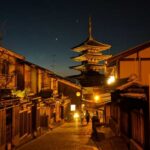
This stop is more about moving through atmosphere than ticking boxes. You’ll wander along a preserved path where a traditional village character comes through. You also get a chance to reset your eyes after temple details—this is where the wider views start showing up.
Expect about 25 minutes at this point. That’s enough for a relaxed walk and a few look-backs, but it’s not designed for long, strenuous hiking. If you’re expecting a full summit climb, adjust your expectations: this is a scenic taste of the route, guided and time-boxed.



Sabou Sagano break: drink included, matcha optional
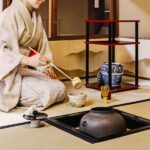
At Sabou Sagano, you get a scheduled break with one drink included (coffee, tea, or juice). This matters more than it sounds. In Kyoto, you’re mixing temple steps, outdoor walking, and photo stops. A built-in pause keeps you from turning the experience into a caffeine scramble.
You’ll have about 25 minutes here. If you’re into matcha, it’s mentioned as available, but not included—so you can choose to upgrade at your own expense.
I like this stop because it’s functional. It gives you a moment to sit, rehydrate, and plan your camera before the next stretch. If you’re sensitive to heat, this drink break can make the difference between enjoying the scenery and counting minutes until you can cool off.
Jōjakkōji Temple, Mikami Shrine, and Ogura Pond for calmer contrasts
After the drink break, the route slows into three “different flavors” of Kyoto spirituality and nature.
First is Jōjakkōji Temple, a tranquil spot tied to gardens and historical significance, with views that encourage quiet reflection. You’ll have about 30 minutes, which gives you a bit more breathing room than the earlier temple stops.
Then comes Mikami Shrine, known as the shrine of hair. It’s dedicated to beauty, specifically hair, and people visit to pray for beautiful hair. It’s a very Kyoto type of shrine: specific, slightly unusual, and instantly memorable once you know what it’s for.
Finally, you stop at Ogura Pond, a quiet pocket of greenery where calm waters reflect the surrounding trees and mountains. It’s especially pleasant if you want a moment that isn’t about statues or entrances—just a steady, scenic pause.
These stops are timed for variety, not endurance. If you enjoy contrast—temple to shrine to pond—this section is likely to feel like the heart of the tour.
Bamboo Forest Street and Togetsukyo Bridge photo time that fits
Arashiyama’s outdoor highlights come next, and the timing is tight on purpose.
You’ll get Bamboo Forest Street as a photo spot for about 10 minutes, and it’s free. Ten minutes is enough to frame your best shots and walk the main path, but it’s not designed for long wandering. I’d treat it like a focused stop: charge your battery, pick your angles, then move on.
After that, there’s a riverside park area with views over the Arashiyama Mountains, plus a peaceful setting if you want to catch your breath.
Then you close with Togetsukyo Bridge. It spans the Hozu River, and it’s described as a centuries-old bridge that offers classic mountain-and-water views. You get about 10 minutes, and it’s also free.
This ending works because it leaves you in a good location to keep exploring on your own. Ending near the Kotokiki Bridge area makes it easier to continue walking, grab a meal nearby, or connect to public transportation.
Walking, weather, and season tips that keep the day comfortable
This tour includes a moderate amount of walking. Comfortable shoes are not optional advice. You’ll be moving between temple grounds, outdoor paths, and viewpoint areas, so plan for steady feet, not just good sandals.
The tour also runs rain or shine. If it’s wet, surfaces around temples and walking routes can be slick. Pack a small umbrella or a light rain layer, and keep traction in mind.
For timing your trip, I’d follow the common wisdom for Kyoto: spring and autumn tend to be the sweet spots. Summer can be hot and humid, so if you’re traveling in warmer months, lean on that included drink break and bring water where you can.
Who this Arashiyama tour suits best
This is a great fit if you:
- Want a structured way to see Arashiyama without stressing over routing
- Appreciate temple context, not just photos
- Like a smaller group size where you can ask questions
- Have only about half a day and want the key stops plus a few less expected ones
It may not suit you as well if you want:
- Long independent time in one place
- A hike-style summit attempt up Mount Atago
- A tour that skips walking entirely
If you’re a first-timer, this route can give you a strong foundation. If you’ve been before, you’ll still benefit from the guided pacing and the mix of specific temple and shrine themes.
Should you book this Kyoto Arashiyama tour?
Yes, I’d book it if you want a tight, low-stress Arashiyama highlight run with temple explanations and admissions mostly taken care of. The small group size and the weekday Otagi swap are practical wins, and the mix of Otagi, Adashino, Jōjakkōji, and Mikami Shrine gives the day more variety than the Bamboo Forest alone.
Skip it or choose a different option if you hate structured time limits or you’re not up for moderate walking. Also budget for the excluded ¥230 bus fee so you’re not stuck at the last minute.
If your goal is to see the famous spots and still understand what you’re looking at, this is a solid way to do Arashiyama in one go.
FAQ
How long is the Kyoto Arashiyama tour?
The tour lasts about 4 hours.
Where do you meet and where does the tour end?
You meet at Hannari Hokkori Square (20 Sagatenryūji Tsukurimichichō, Ukyo Ward, Kyoto). The tour ends at the Site of Kotokiki Bridge (same address area).
What time does the tour start?
The start time is 9:30 am.
Is there a mobile ticket?
Yes, the tour uses a mobile ticket.
How many people are in the group?
The tour has a maximum of 8 travelers.
Are temple admission tickets included?
Admission is listed as included for multiple stops (including Otagi Nenbutsu-ji, Adashino Nenbutsu-ji, Sabou Sagano, and Jōjakkōji). Bamboo Forest Street and Togetsukyo Bridge are listed as free.
What happens if it’s Wednesday?
On Wednesdays, Otagi-Nenbutsu temple is closed, and the tour takes you to Adashino-Nenbutsu temple instead.
Is the tour walking-heavy?
There is a moderate amount of walking, so wear comfortable shoes.
Does the tour run in bad weather?
Yes, the tour takes place rain or shine.
Is the bus fee included in the price?
The bus fee is excluded. Bring an IC card or coins (¥230).