REVIEW · WORKSHOPS
Kyoto: Traditional Kimono Fabric Handicrafts Workshop
Book on GetYourGuide →Operated by WooW Travel 株式会社 · Bookable on GetYourGuide
Temari looks easy until you make one. This Kyoto class is interesting because it mixes kimono fabric shopping with a hands-on craft lesson that ends with your own Temari ornament. I love the fabric choices and how clearly May teaches each step, with lots of patience for beginners. One possible drawback: this is mostly a crafting break, not a long temple-and-shrine tour during the 2 hours.
The workshop runs for 2 hours in a renovated antique boutique setting, and the group stays small at up to 4 people. You’ll also get a complimentary drink and a traditional Japanese confectionery of your choice, plus all the materials to take your finished Temari home as a real souvenir from Kyoto.
In This Review
- Key points to know before you go
- Entering Kyoto’s Temari workshop inside a renovated antique boutique
- Picking kimono fabric first: how your choices shape the final souvenir
- Temari 101: making a traditional decoration with almost no stress
- The step-by-step teaching style from May (and why it helps)
- What’s included: drink, Japanese confectionery, and all crafting materials
- Timing and pacing: a relaxed 2-hour break from Kyoto walking
- Small group size up to 4: better help, better photos, fewer headaches
- Temples and shrines nearby: use this as your calm start or reset
- Price and value: what $25 really buys you
- Who should book this Kyoto kimono-fabric workshop?
- A few practical things to consider before you go
- Should you book the Kyoto Temari workshop?
- FAQ
- FAQ
- How much does the Kyoto Temari kimono fabric workshop cost?
- How long is the workshop?
- What will I make, and do I take it home?
- Do I need any crafting experience?
- What’s included in the price?
- How big is the group, and what languages are offered?
- Where do I meet the host when I arrive?
Key points to know before you go
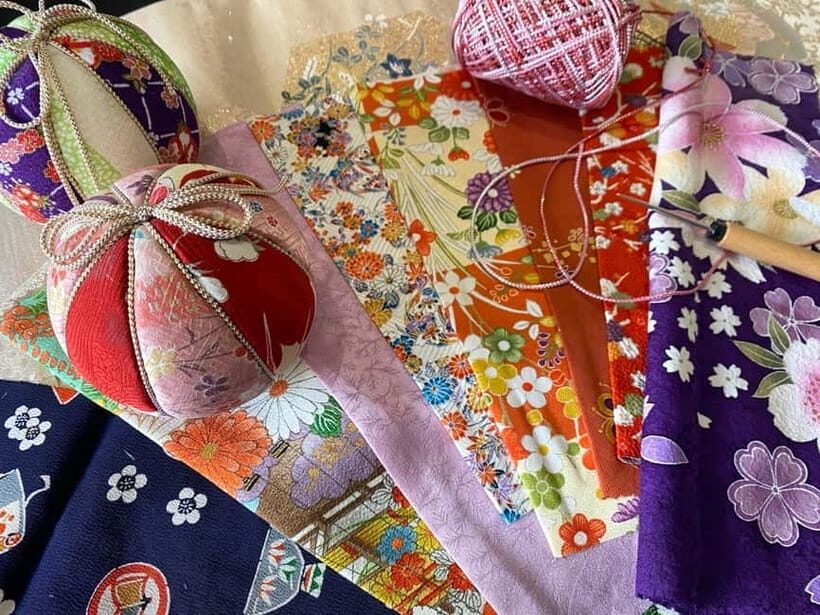
- Choose from beautiful kimono fabric pieces before you start, so your Temari feels personal from minute one
- Beginner-friendly Temari making with clear instructions and help from May
- Drink and Japanese confectionery are included, and you get to pick what you like
- Small group size (4 max) means you’re not rushed and questions are easy to ask
- A calm indoor workshop with time to slow down after Kyoto walking
- Temples and shrines are nearby, so you can combine this with light sightseeing after
Entering Kyoto’s Temari workshop inside a renovated antique boutique
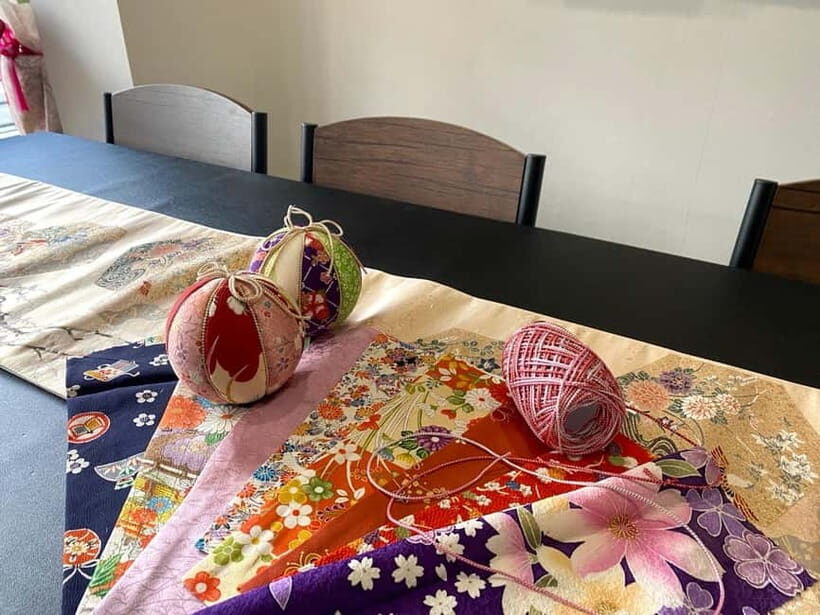
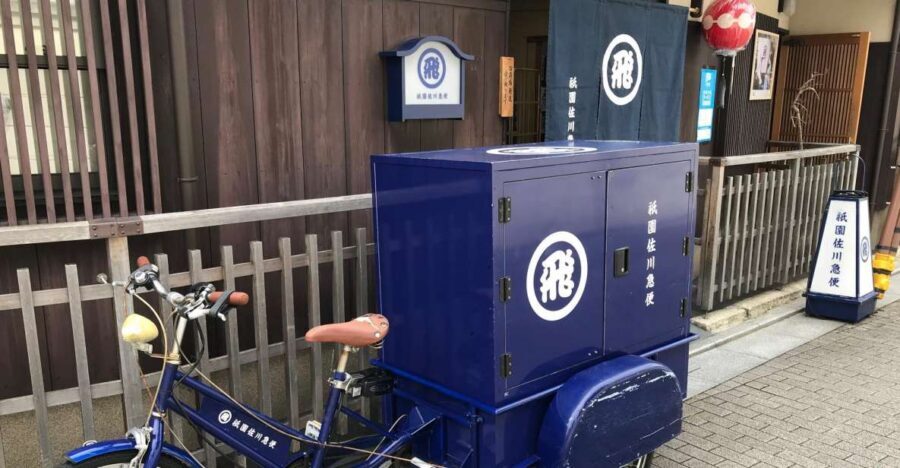
Kyoto has a way of making even simple moments feel special. In this workshop, you’re not dropped into a huge studio—your first “wow” is the shop itself. It’s a newly renovated traditional Japanese antique boutique, so the vibe is cozy and old-meets-new rather than factory-like.
When you arrive, don’t overthink it. Just enter the workshop space and your host will greet you. That matters because there’s no complicated meeting ritual—your time starts right when you walk in, and the class moves at a relaxed pace.
You’re also in the Kyoto sightseeing zone (Honshu, Japan), which is convenient. After your craft session, you’re positioned to connect with nearby temples and shrines without fighting the logistics of getting back into the city center.
You can also read our reviews of more tours and experiences in Kyoto


Picking kimono fabric first: how your choices shape the final souvenir
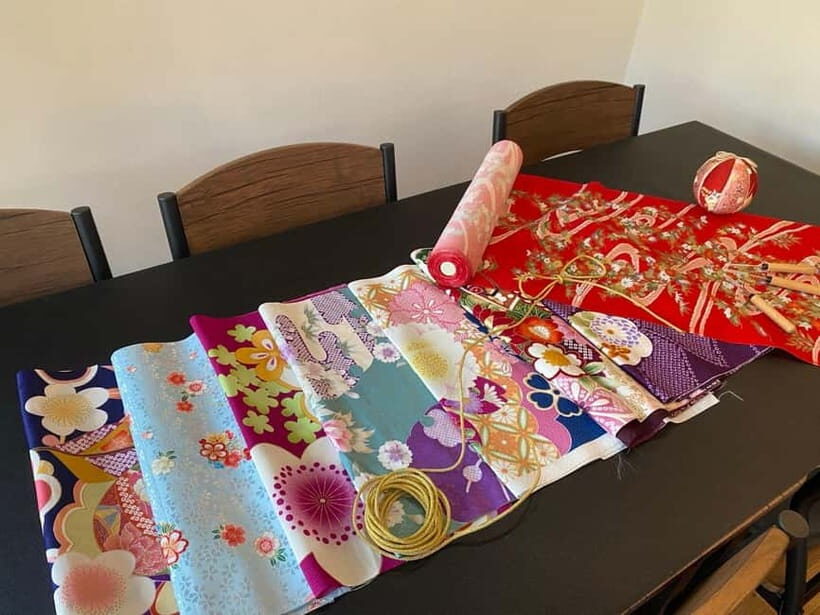
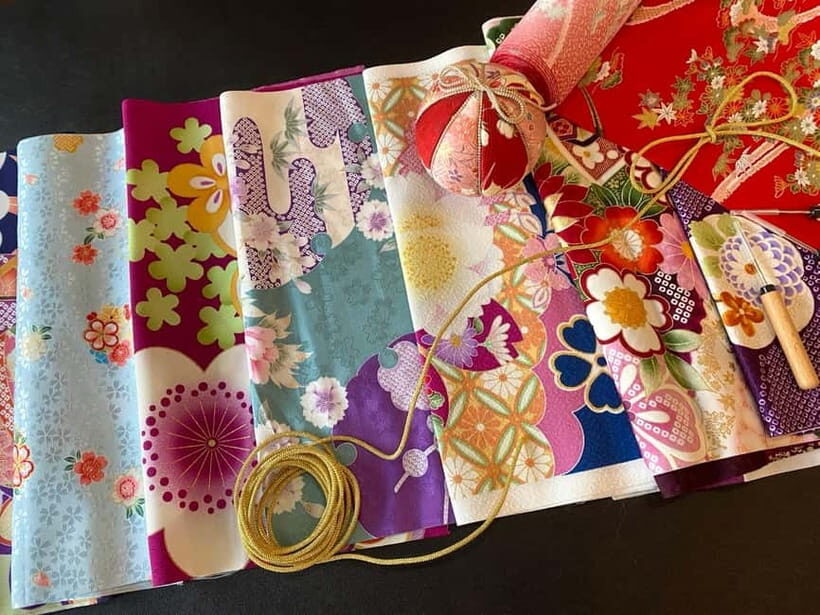
A lot of craft classes start with tools. This one starts with fabric, and that’s a big part of why it feels good. You get to look at a selection of kimono fabric pieces and choose what you want for your Temari.
In practice, that means you get to build a souvenir that looks like you. If you’re a color person, you’ll enjoy the decision-making. One highlight that shows up again and again in the experience is how hard it is to narrow choices down—people describe loving the variety of patterns and finding it a little therapeutic.
The fabric selection also helps beginners. When you choose your materials up front, you’re not wondering what comes next. You’re already engaged, and the instructor can tie the steps to the fabrics you picked—so the craft feels more like a guided making session than a random lesson.
Temari 101: making a traditional decoration with almost no stress
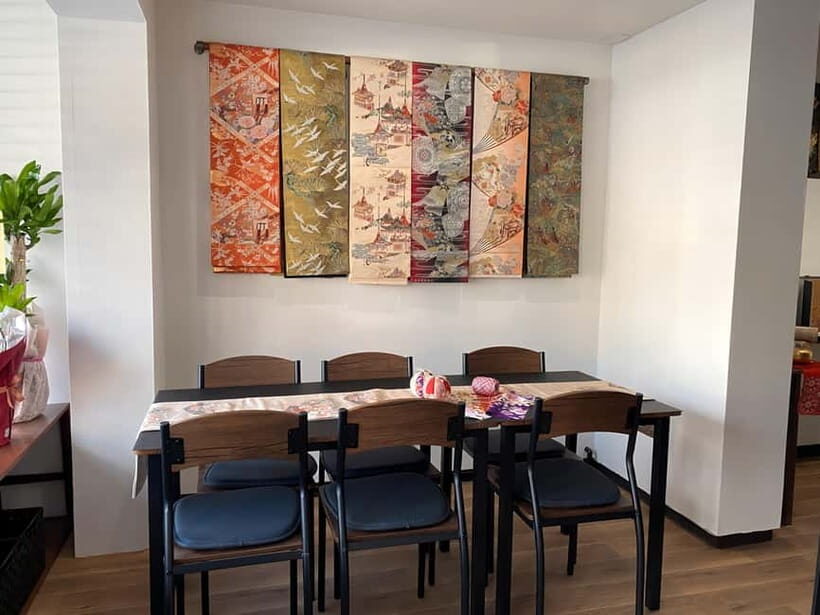
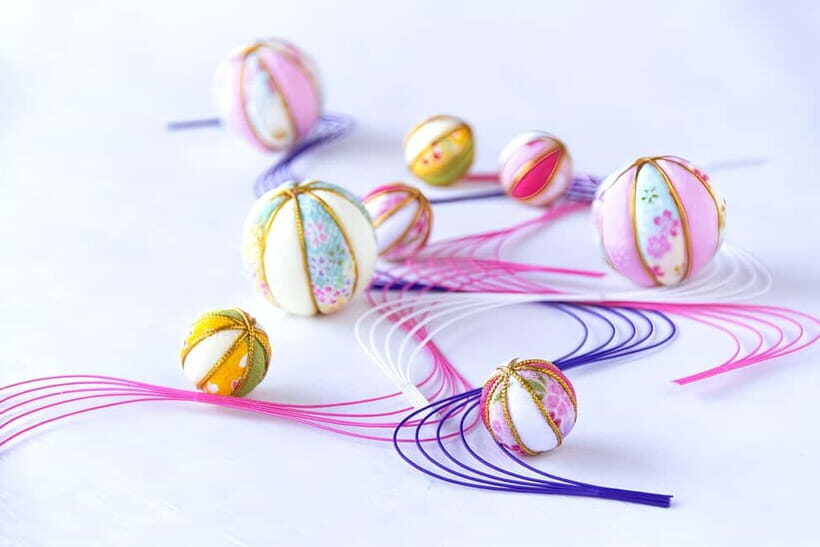
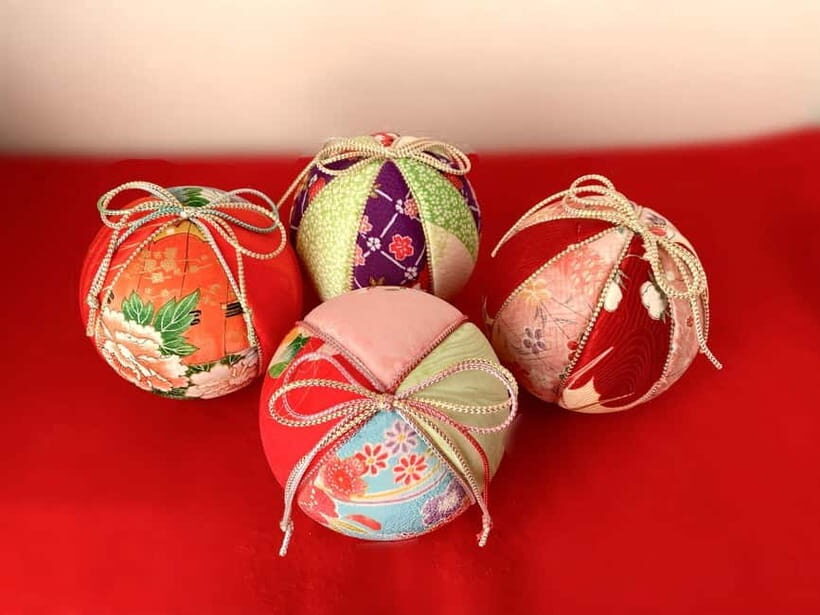
Temari are traditional Japanese handmade ornaments—often used as interior decorations and for celebrations. In this class, you’ll make one Temari using kimono fabric pieces, guided by a local crafts master.
Here’s what I think you’ll appreciate: the workshop is designed for people with no prior experience required. That doesn’t mean it’s watered down. It means May teaches in a way that keeps the steps understandable, and she gives enough help that you still end up with a result you’ll be proud of.
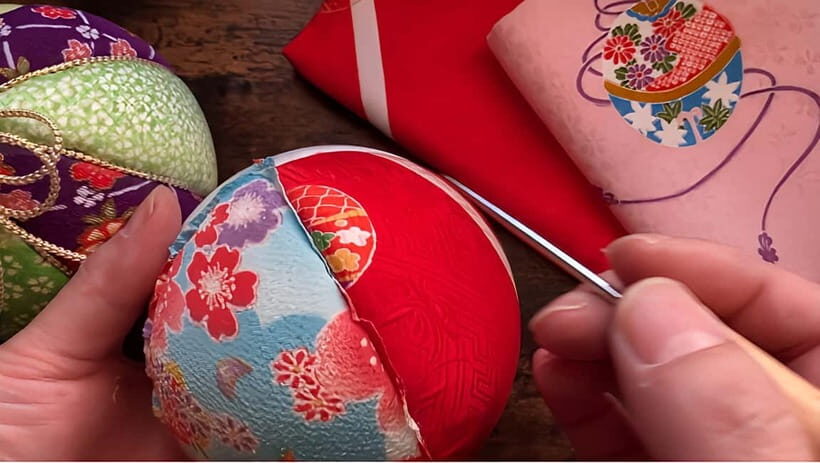
Multiple people mention the process as not so difficult and very beginner-friendly. One review specifically points out that it’s not so much sewing, which is a huge deal if you’re worried about craft techniques. Translation: you can treat this as a relaxed hands-on activity, even if you’re only “artistically confident” in your ability to hold a cup of tea.
What you’re doing is turning fabric into texture and shape, then assembling it into a finished Temari. By the end, you’ll have something small enough to pack, but meaningful enough to look at later and remember the day you made it.
The step-by-step teaching style from May (and why it helps)
The instructor in this workshop is English- and Japanese-speaking, and the class has a very personal feel. May’s teaching style comes through as clear and patient—people mention that explanations are easy to follow and that she takes time to make sure you understand what you’re doing.
That’s important for value, not just comfort. A craft workshop can be frustrating if you get stuck and you’re left figuring it out alone. Here, the small group size and attentive instruction reduce that risk.
It also helps that you can chat. Several people describe conversation during the class, including cultural talk and friendly interaction while making. If you’d like your Kyoto day to include more than photos and walking, this is one of those activities where you actually get to meet someone and learn a little in the process.
What’s included: drink, Japanese confectionery, and all crafting materials
You don’t have to budget for snacks here in the middle of your day. The price includes a complimentary drink and traditional Japanese confectionery of your choice, along with all necessary materials for making the Temari.
That combination is practical. Crafting uses focus, and a warm drink plus a sweet helps you keep the energy steady. People also note delicious refreshments during the workshop, and at least one person specifically mentions matcha latte as a highlight. Even if you’re not sure what you’ll be served, you can count on a proper Kyoto-style break rather than a token cup.
You’ll also have all the tools and materials provided. So you’re not hunting down supplies or worrying about whether you packed the right thread, needles, or scissors. You’re simply there to make the Temari.




Timing and pacing: a relaxed 2-hour break from Kyoto walking
This experience lasts 2 hours, which is a sweet spot. It’s long enough for you to choose fabric, make your Temari, and feel satisfied with the final result. It’s also short enough that you can still fit in temple strolls afterward without the day collapsing into fatigue.
Expect the rhythm to be hands-on from the start. You’ll spend time selecting fabrics, then move into the crafting steps with May. Midway through, the drink and confectionery included in the class gives you a natural pause to reset.
Because the pace is relaxed and the group is limited, you’re not competing with time to keep up. For families, couples, and solo travelers alike, that matters. Kyoto days can get intense, and it’s nice to have one activity that slows your shoulders down.
Small group size up to 4: better help, better photos, fewer headaches
The workshop caps at 4 participants, which changes the whole experience. In a larger class, one instructor can’t give much individual attention. With a tiny group, you get quicker corrections if something doesn’t look right, and you can ask questions without waiting for your turn.
This also makes the class feel more personal. People describe chatting with the host during the session, and couples mention enjoying the workshop as a memorable activity (including honeymoon-related keepsakes). That kind of personal attention is part of why the experience gets consistently strong ratings.
If you’re traveling with kids, this small size is also a comfort. Beginner-friendly craft plus patience from the instructor means children can participate without feeling lost.
Temples and shrines nearby: use this as your calm start or reset
The workshop itself is indoors and craft-focused. But the surrounding area is where Kyoto really shines for short walks. The experience highlights historically significant temples and shrines nearby, and one person mentions Philosophers Path as an easy add-on after the workshop.
Here’s how I’d use that in your day plan:
- Do the workshop earlier to get a calm, creative reset before the bigger temple crowds.
- Or do it mid-day when your legs need a break, then head out afterward for a lighter sightseeing stretch.
You’ll feel more grounded for the next part of your Kyoto day, because you’re not just rushing from landmark to landmark.
Price and value: what $25 really buys you

At $25 per person, the key question isn’t just the price. It’s what you get for it.
You’re paying for:
- A local crafts master (May) teaching you step-by-step in English and Japanese
- All materials needed for making a Temari
- A completed take-home souvenir you made yourself
- A complimentary drink plus a traditional Japanese confectionery
That’s strong value for two reasons. First, you’re not paying extra for supplies—many craft activities sneak in hidden material costs. Second, you end up with something you can actually display at home, not just a photo memory.
If you like Kyoto souvenirs but don’t want another mass-made shop item, this is the type of experience where the price feels fair because the main cost is instruction and materials, not just the location.
Who should book this Kyoto kimono-fabric workshop?
This is a great fit if you want a creative pause in Kyoto. It suits:
- Adults and families, including children, since the activity requires no prior skill
- Couples who want a shared activity with a meaningful take-home keepsake
- Anyone who likes fabrics, patterns, and the charm of repurposed or older textile styles
- Travelers who prefer small group settings and clear guidance
If you’re the kind of traveler who likes your days balanced—some iconic sites, plus one slower human activity—this belongs on your list.
A few practical things to consider before you go
First, you’re making one Temari. It’s not a full multi-item crafting project, so if you want a long workshop with lots of different crafts, this may feel short (though it’s still plenty of time for a finished souvenir).
Second, fabric choice takes time. That’s not a problem—it’s part of the fun—but you might arrive thinking you’ll pick instantly. Give yourself mental wiggle room and enjoy browsing.
Third, the format is craft-first. If your dream Kyoto day is mostly guided temple walking with lots of history talk on foot, this won’t replace that. It’s better thought of as a calm, hands-on complement.
Should you book the Kyoto Temari workshop?
If you want a beginner-friendly craft with a personal souvenir, I’d book it. The small group size, the included drink and Japanese confectionery, and May’s clear teaching style all point to a smooth, enjoyable 2 hours.
Book it especially if you’re:
- Tired of sprinting through Kyoto and want a slower moment
- A fabric lover who likes choosing colors and patterns
- Looking for a souvenir with a story you can actually tell at home
Skip it only if you’re strictly chasing a guided sightseeing experience during that time window. This is for making, not for marching.
FAQ
FAQ
How much does the Kyoto Temari kimono fabric workshop cost?
It costs $25 per person.
How long is the workshop?
The workshop lasts 2 hours.
What will I make, and do I take it home?
You’ll make a traditional Japanese Temari using kimono fabric, and you take your finished Temari home as a souvenir.
Do I need any crafting experience?
No. The workshop requires no prior experience or skills, and it’s suitable for adults and children alike.
What’s included in the price?
The price includes a complimentary drink, traditional Japanese confectionery of your choice, all materials needed to craft the Temari, the workshop itself, and instruction from a local crafts master.
How big is the group, and what languages are offered?
The group is limited to 4 participants. The instructor speaks English and Japanese, and the workshop is wheelchair accessible.
Where do I meet the host when I arrive?
Please enter the workshop upon arrival. Your host will be waiting to greet you.