REVIEW · EVENING EXPERIENCES
Kyoto Casual Evening Pontocho Food Tour
Book on Viator →Operated by Arigato Japan KK · Bookable on Viator
Kyoto after dusk feels different. This Pontocho and Gion Shirakawa food tour turns that evening walk into a guided street-level lesson in how Kyoto eats and lives. You start at the Statue of Izumo-no-Okuni and move through the historic lanes with a local English-speaking guide.
What I like most is the small-group size (maximum 10), which keeps the tour personal instead of herding people. I also really value how the meal is built around 4 food stops and 2 drinks at different venues, so you taste a range of Kyoto instead of repeating the same thing in one restaurant.
One thing to plan around: the tour is vegetarian friendly but not set up well for everyone’s needs. If you are gluten-free or vegan, you should treat it as unadvisable and plan to ask about substitutions early.
In This Review
- Key highlights that matter
- Kyoto at 4:30 pm: why this time slot works
- Where you meet, how you move, and where you end
- The route you’ll walk: from Izumo-no-Okuni to Nishiki Market-adjacent energy
- Stop 1: Statue of Izumo-no-Okuni (your starting story)
- Tatsumi Bridge: a calm pause in an evening route
- Tatsumi Daimyojin Shrine: why shrines belong on your food map
- Back at the Statue of Izumo-no-Okuni: seeing how stories echo
- Nishiki Tenmangu Shrine: a quieter cultural layer
- Gion Corner: a cultural stop, not just a photo stop
- Nishiki Market: where “Kyoto food” stops being abstract
- Food and drinks: what you’re actually paying for
- Your guide experience: small-group conversations with real names
- Dietary limits and who this tour suits
- Practical tips for enjoying the evening without stress
- Price check: is $221 worth it for this Kyoto food tour?
- Should you book the Kyoto Casual Evening Pontocho Food Tour?
- FAQ
- How long is the Kyoto Casual Evening Pontocho Food Tour?
- What is the meeting time?
- Where do you meet and where does the tour end?
- How much does the tour cost?
- How many people are in the group?
- What’s included in the tour price?
- Are hotel pickup and drop-off included?
- Is the tour family-friendly?
- Is it okay for vegetarians?
- What if the weather is bad?
- What is the drinking age requirement?
Key highlights that matter
- Small group (up to 10) means more time for questions while you’re walking.
- 4 food stops plus 2 drinks spread across the route for variety.
- Historic sightseeing stops add context behind the lanes you’re eating in.
- Pontocho + Gion Shirakawa focus helps you see the quieter side of these areas.
- English-speaking guides (like Noboru or Cole) keep the pace friendly and informative.
Kyoto at 4:30 pm: why this time slot works
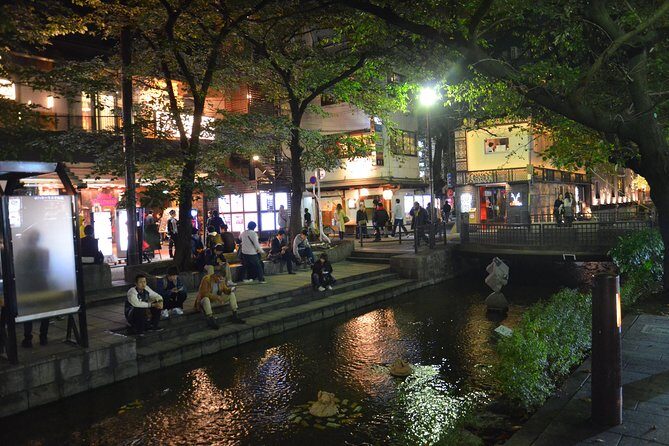
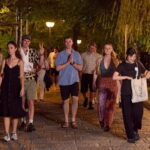
I love a late-afternoon start in Kyoto because the light changes and the streets feel less like a checklist. A 4:30 pm departure puts you right in the “day-to-evening” shift where Pontocho and the Gion lanes start to feel more like where people actually spend time.
This also helps you pace the food. Instead of cramming dinner into a single sitting, the tour breaks it into multiple tastings over about 3 hours. That makes it easier to enjoy each stop without feeling stuffed too early.
And yes, you’ll be walking. The tour is designed for a moderate physical fitness level, so wear shoes you can move in comfortably. If you tend to get sore, consider keeping your pre-tour plans light.
You can also read our reviews of more food & drink experiences in Kyoto
Where you meet, how you move, and where you end
You meet at the Statue of Izumo-no-Okuni in Higashiyama Ward (Kawabatacho, Kyoto). The tour begins at 4:30 pm, and it finishes in the Pontocho area, with the listed end point near Izumoya in Nakagyo Ward.
There’s no hotel pickup included. The good news is that the meeting point is near public transportation, so you can get there on your own without extra logistics headaches.
One practical win: because you end in Pontocho, you can keep strolling after the tour finishes. If you’re the type who likes to wander a bit more before heading back, this ending spot is a smart choice.
The route you’ll walk: from Izumo-no-Okuni to Nishiki Market-adjacent energy
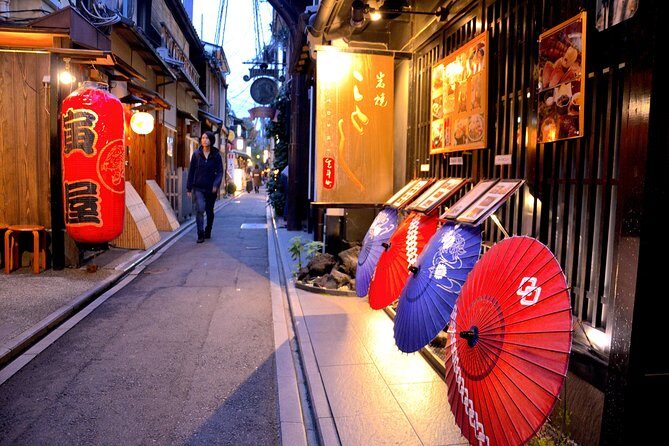
This is a walking tour across the Pontocho and Gion Shirakawa areas with several culture stops mixed in. The day is paced around a mix of historic sights and food venues, so you get context along the way, not just between bites.
Here’s what you can expect from the stops, in the order listed:
Stop 1: Statue of Izumo-no-Okuni (your starting story)
You kick off at the Statue of Izumo-no-Okuni, which sets the tone right away. Izumo-no-Okuni is tied to the kinds of arts and street culture that shaped the area, so the guide’s opening talk helps you understand what you’re about to see.
Even if you don’t know the name yet, the benefit is simple: you get a framework for the streets. When you later pass shrines and historic lanes, it’s easier to connect the dots instead of just taking photos.
Tatsumi Bridge: a calm pause in an evening route
Next up is Tatsumi Bridge. You’ll get a short moment of viewing and orientation before the route tightens into smaller streets. For me, these in-between checkpoints matter because they break up the walking and help you notice the surroundings instead of rushing to the next meal stop.
You can also read our reviews of more tours and experiences in Kyoto

Tatsumi Daimyojin Shrine: why shrines belong on your food map
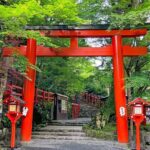
Then you’ll stop at Tatsumi Daimyojin Shrine. Kyoto isn’t just scenery; it’s a living city where religious and everyday life overlap. This stop helps you see how the area’s spiritual landmarks sit right alongside dining and entertainment districts.
It’s also a useful reset point during a tour like this. You’re moving from one experience to another, and a shrine stop gives you a breather without derailing the flow.
Back at the Statue of Izumo-no-Okuni: seeing how stories echo
The itinerary lists the Statue of Izumo-no-Okuni again. That can happen with multi-stop city routes where the guide builds the story in layers, or adjusts to timing with the food venues.
Either way, it’s a chance to re-anchor your understanding. I like repeated reference points because it makes the tour feel like a narrative, not a random sequence of locations.
Nishiki Tenmangu Shrine: a quieter cultural layer
After that, you’ll visit Nishiki Tenmangu Shrine. Tenmangu shrines are linked with scholarship traditions, and even without going deep into specifics, the main value here is context: you’re learning that this neighborhood’s identity isn’t only about food stalls or nightlife.
For a food tour, that context is surprisingly helpful. It changes how you interpret what you see and how you understand the city’s older rhythms.
Gion Corner: a cultural stop, not just a photo stop
The tour then includes Gion Corner. Expect a short visit with explanation from your guide about why this spot matters for Kyoto culture.
This stop works well if you like tours that mix food with cultural literacy. You’re not only eating; you’re learning what the area represents.
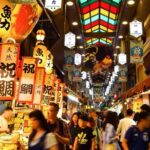
Nishiki Market: where “Kyoto food” stops being abstract
Finally, you’ll reach Nishiki Market. Even if you’ve heard of it before, having it as a guided stop inside this food-and-culture route helps. The guide’s framing usually makes it easier to understand why this kind of market culture influenced how Kyoto prepares and sells food.
This is also a natural place to grab your bearings for future exploration. If you want to return later on your own, you’ll have a clearer sense of where you are and what area you’d like to revisit.
Food and drinks: what you’re actually paying for
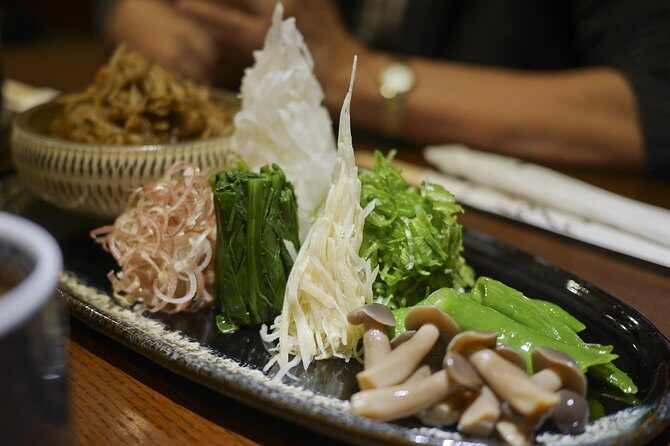
Let’s talk value in practical terms. At $221 per person for roughly 3 hours, you’re not just paying for snacks. You’re paying for:
- a local English-speaking guide
- historic-area walking with built-in context
- 4 food stops and 2 drinks across multiple venues
- a small-group experience (maximum 10)
That’s what makes the price feel more reasonable than it might on paper. Kyoto can be expensive, and one guided evening that includes tastings and drinks can be easier than trying to assemble your own route from scratch.
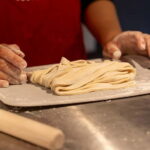
Also, the way the food is structured matters. When tastings are spread out, you’re more likely to notice differences in flavors and style. You’re also less likely to hit that tired moment where every meal tastes the same because you ate too much too fast.
A quick heads-up: this tour includes drinks, but there’s a minimum drinking age of 21. It’s still described as family-friendly, and children can join if accompanied by an adult, but if you’re traveling with mixed ages, plan ahead for how the drinking portion will work for your group.
Your guide experience: small-group conversations with real names
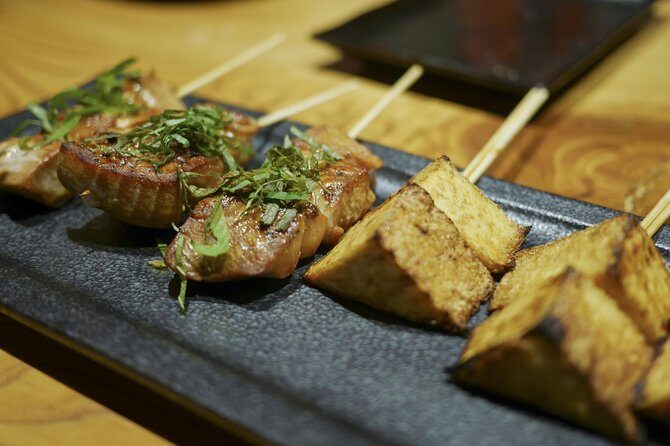
The biggest “feel” factor here is that max 10 group size. In a place like Kyoto, where lanes are narrow and timing matters, smaller groups keep things smooth. You can ask questions, and your guide can adjust pacing without turning it into a stop-and-go traffic jam.
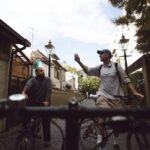
Reviews for the tour highlight guides like Noboru and Cole, and that matches the design: you’re getting an English-speaking guide who ties the streets to the cultural story. I especially like this when a guide explains what to look for, not just what something is. You end up seeing more than you would alone.
Expect a mix of walking talk and then food-time focus. You’re not sprinting between stops, but you also shouldn’t plan to wander off or take long detours. This is an evening route meant to be followed.
Dietary limits and who this tour suits
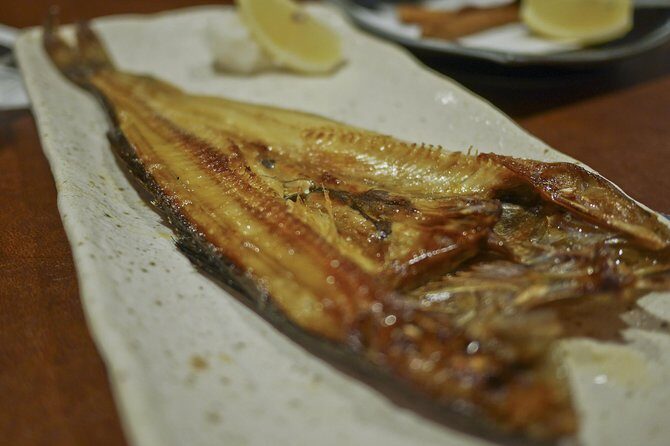
The tour is vegetarian friendly, which is a real plus for many visitors. At the same time, it’s flagged as unadvisable for vegans and gluten-free.
So here’s the honest way to think about it: if you’re vegan or gluten-free, you might still be able to participate, but you shouldn’t assume the tour can reliably accommodate you at each stop. Your safest move is to ask careful questions during booking or before you go, and be ready for the fact that not every venue may match your needs.
What about walking fit? You should have moderate physical fitness. The route is a city walk through historic areas, and even if the distances aren’t specified, you’ll want comfortable shoes and a calm pace.
Who this tour fits best:
- couples and friends who want food plus context
- first-timers who want to see Pontocho and Gion Shirakawa without doing it blindly
- people who like small groups and clear guide explanations
- vegetarians who want a guided tasting evening
Who should reconsider:
- strict gluten-free or vegan eaters who need consistent substitutions
- anyone who hates short museum-history-style stops mixed into a food plan
Practical tips for enjoying the evening without stress
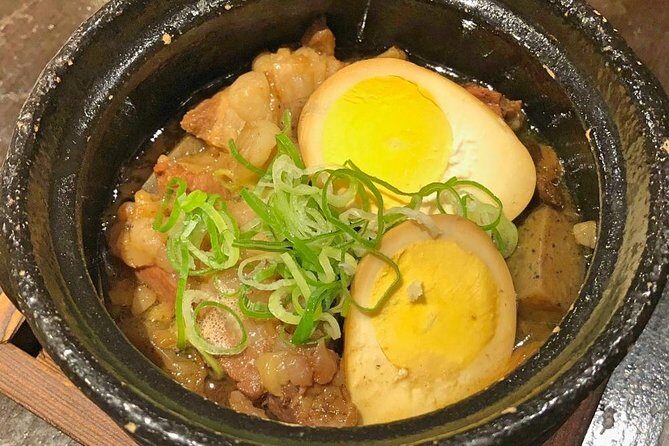
This is a good idea for people who want Kyoto to feel real, not robotic. You’ll be in historic lanes, and the tour is built around a classic Kyoto evening rhythm: walk, learn, taste, and move on.
A few things that make the difference:
- Wear grippy shoes. You’ll be walking through uneven streets and crowded areas.
- Eat lightly beforehand. You’ll still get several tastings during the tour.
- Keep some flexibility for substitutions. The route can change based on restaurant schedules, public holidays, weather, and other unforeseen factors.
- Plan for weather. The tour requires good weather. If weather ruins it, you’ll be offered a different date or a full refund.
If you’re the type who likes to keep a clear evening schedule, this one is easy to slot in. You start at 4:30 pm and finish in Pontocho, giving you time to continue your night with less guesswork.
Price check: is $221 worth it for this Kyoto food tour?
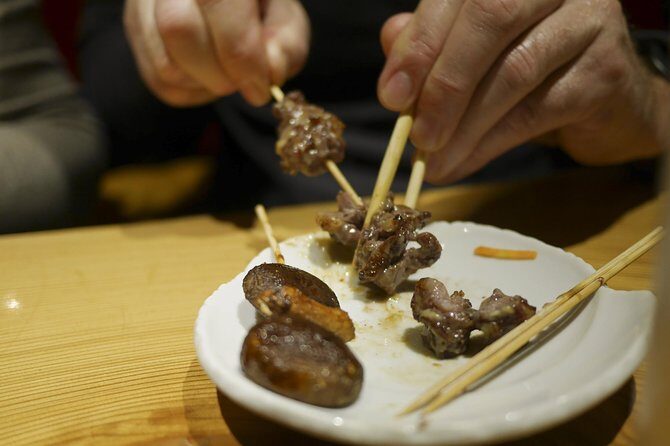
Here’s how I’d sanity-check the cost. For $221, you get a structured evening experience: guiding, walking, and included tastings. You’re also paying for the small-group setup, which helps keep the experience personal.
The value becomes clearer when you compare it to doing this yourself:
- Doing a food tour route on your own means you still need to navigate multiple areas.
- Without a guide, you miss the built-in context behind the stops and the pacing that prevents wasted time.
- Tastings and drinks add up fast in Kyoto, especially when multiple venues are involved.
The potential downside is that you’re committing to a guided format. If you hate walking tours or you want total control over where you eat, you may prefer a DIY plan. If you like someone else handling the order and the story, the cost starts to feel fair.
Should you book the Kyoto Casual Evening Pontocho Food Tour?
I think you should book this tour if you want an evening that blends food variety, historic context, and a smaller-group feel. Starting at the Izumo-no-Okuni area and ending in Pontocho makes it a practical evening loop, and the inclusion of 4 food stops and 2 drinks is a strong reason to choose a guided option.
Skip or be cautious if you’re vegan or gluten-free, since the tour is specifically marked as unadvisable for those needs. Also, if weather is a big concern for your travel dates, keep an eye on conditions since the tour needs good weather.
If you want a Kyoto night where you’re not just eating but actually understanding what you’re walking through, this is a very good match.
FAQ
How long is the Kyoto Casual Evening Pontocho Food Tour?
It runs for about 3 hours.
What is the meeting time?
The tour starts at 4:30 pm.
Where do you meet and where does the tour end?
You meet at the Statue of Izumo-no-Okuni (Kawabatacho, Higashiyama Ward). You end in the Pontocho area.
How much does the tour cost?
The price is $221.00 per person.
How many people are in the group?
The tour has a maximum of 10 travelers.
What’s included in the tour price?
It includes 4 food stops, 2 drinks, a local English-speaking guide, and historic area sightseeing.
Are hotel pickup and drop-off included?
No. Hotel pickup is not included, though it can be arranged for an additional charge.
Is the tour family-friendly?
Yes, it’s described as family-friendly. Children must be accompanied by an adult, and passport information copy is required for kids 10 and above.
Is it okay for vegetarians?
Yes. It’s listed as vegetarian friendly, but it is unadvisable for vegans and gluten-free.
What if the weather is bad?
The experience requires good weather. If it’s canceled due to poor weather, you’ll be offered a different date or a full refund.
What is the drinking age requirement?
The minimum drinking age is 21.