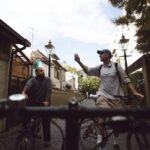
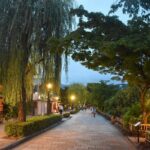
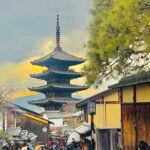
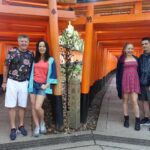
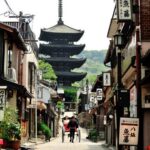
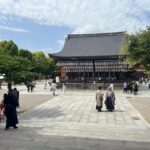
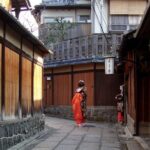
Kyoto, paced like a friend. This private walk with Kiyoto’s team strings together Fushimi Inari, Kiyomizu-dera, Gion, and more, with walking-first routes and tea-house breaks that keep your day comfortable.
I love the way the guide handles crowd timing, so the famous stops don’t feel like a scramble. I also love the built-in food breaks, from Sannenzaka snacks to a meal pause at Nishiki Market.
One possible drawback: admission fees and meals are not included, and many places are cash-only. Also, double-check the meeting spot in advance since one booking mentioned the group location felt unclear without obvious guide identification.
In This Review
- Key highlights in plain terms
- Why this Kyoto private tour feels easier than doing it alone
- Starting in Kyoto: Pickup, short rides, and the rhythm of a walking day
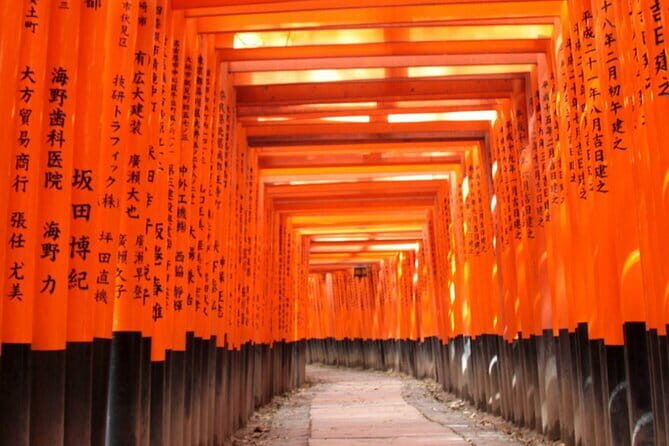
- Fushimi Inari Taisha: The shrine stop that sets the tone
- Kiyomizu-dera: Panoramic views from the grand stage
- Sannenzaka and Ninenzaka: Old-street lanes for snacks and smart souvenir time
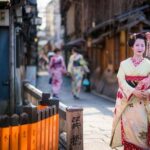
- Yasaka Shrine, Hanamikoji-dori, and Gion: Seeing the mood, not just the photos
- Nishiki Market: Lunch and street food without wasting the hour
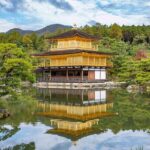
- Kinkaku-ji: The golden temple stop where context matters
- Arashiyama Bamboo Forest: A closing walk that feels different
- Value and what you’ll pay on top of the $116 price
- Who should book this Kyoto private tour
- Should you book this Kyoto private tour?
- FAQ
- How long is Kiyoto’s Kyoto Private Tour?
- Where does the tour start?
- Is this a private tour?
- What languages are the guides?
- What’s included in the price?
- Are admission fees included?
- How much cash should I bring?
- Is the tour wheelchair accessible?
Key highlights in plain terms
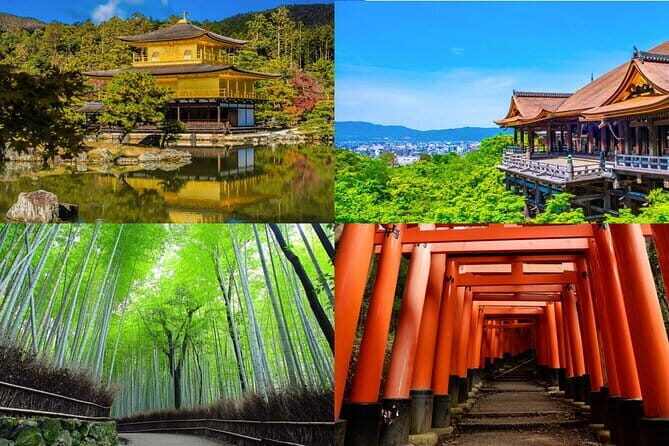
- Fushimi Inari Taisha with a guided walk through the grounds (about 40 minutes)
- Kiyomizu-dera plus a Kyoto-wide viewpoint from the grand stage (about 1 hour)
- Sannenzaka and Ninenzaka shopping-and-stroll lanes with snack and coffee pauses (short, efficient breaks)
- Yasaka Shrine to Hanamikoji-dori and Gion photo stops that feel more like a guided walk than a photo dash
- Nishiki Market for street food and time to have lunch (about 1 hour)
- Kinkaku-ji and Arashiyama Bamboo Forest as the day’s bookends, with guided context and walking time
Why this Kyoto private tour feels easier than doing it alone
A lot of Kyoto days feel like a checklist. This one is structured like a calm walk with a guide who’s used to the city and keeps you moving at a human pace. You’re not just “going to places,” you’re getting a route that’s designed for comfort: gentle pacing, breaks, and time to rest in cafés or tea-house-style stops when you need it.
You also get the benefit of a private group. That matters because the guide can shift the emphasis to what you care about, whether that’s quiet streets, food, viewpoints, or learning the stories behind the big landmarks.
A small but real plus: the communication style. You’ll use WhatsApp with your assigned guide to confirm details and coordinate smoothly. In a city where meeting points can be tricky, that helps you start the day with less friction.
You can also read our reviews of more private tours in Kyoto
Starting in Kyoto: Pickup, short rides, and the rhythm of a walking day
The experience begins in Kyoto with pickup once you confirm your preferred location (hotel, station, or landmark). From there, the day mixes walking with short transportation hops so you don’t spend hours in transit.
That “walk plus a quick transfer” rhythm shows up repeatedly. You’ll take a short train ride early, switch to a cab for one key connection, use a bus/coach later, and then finish with another transport segment around Arashiyama. Practically, this keeps your legs from turning into a side quest before the best views.
It also helps you stick to the promised time window of 6–8 hours. You’ll still walk a lot, but the route is designed so you’re not fighting Kyoto’s spacing between neighborhoods all day long.
Fushimi Inari Taisha: The shrine stop that sets the tone
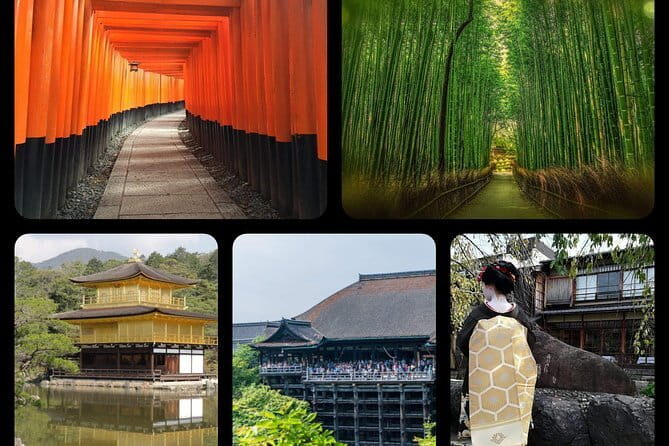
Fushimi Inari Taisha is a must-do in Kyoto, and this tour gives it real time. You’ll spend about 40 minutes with a guided visit, which is long enough to go beyond a quick photo and actually understand what you’re looking at.
Here’s what I like about approaching a top attraction this way: the guide can help you notice the details that are easy to miss when you’re just following a crowd. You’re still in one of Kyoto’s most popular shrine areas, but the tour pacing helps you get moments to breathe before the busiest waves hit.
If you’re the kind of person who hates arriving at the most famous place and immediately being swept into the slowest moving line, this is a good match. The route is built for crowd control, at least as much as any shrine can be controlled.
Practical tip: bring comfortable shoes. In this part of Kyoto, your feet do most of the work.
Kiyomizu-dera: Panoramic views from the grand stage
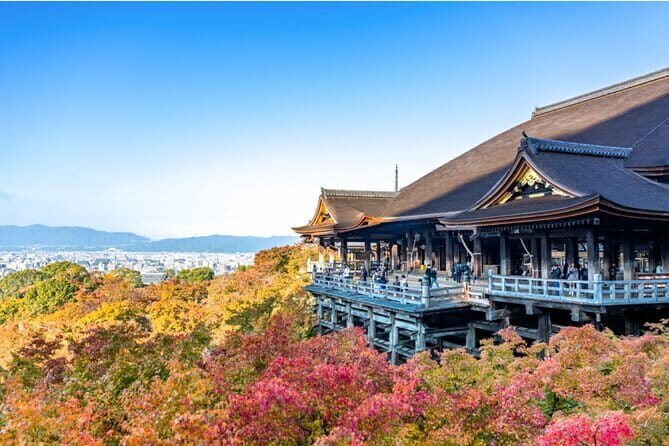
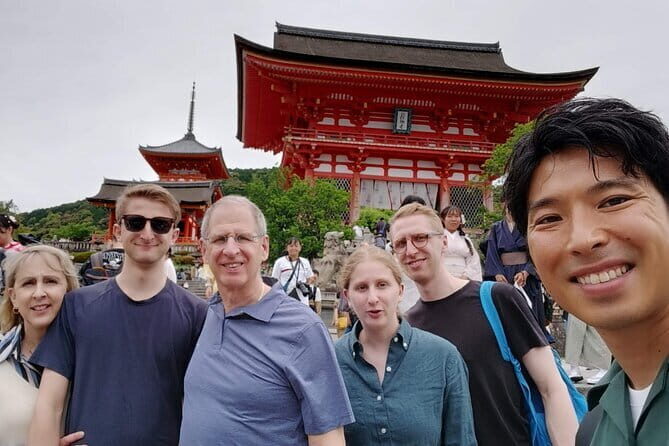
Next comes Kiyomizu-dera, with about 1 hour on-site. The highlight is straightforward: you get a panoramic view of Kyoto from the grand stage.
This is where having a guide pays off beyond convenience. From the viewpoint area, Kyoto can look like one big visual blur if you’re not sure what you’re seeing. The guide’s job is to give you the mental map while you’re standing there, so the view turns into something you understand, not just something you photograph.
You’ll also walk through the surrounding historic streets on the way to the next stops. That’s useful because it breaks up the day into smaller chunks: landmark, viewpoint, then street-level Kyoto—rather than stacking the best scenes back-to-back until you’re exhausted.
Sannenzaka and Ninenzaka: Old-street lanes for snacks and smart souvenir time
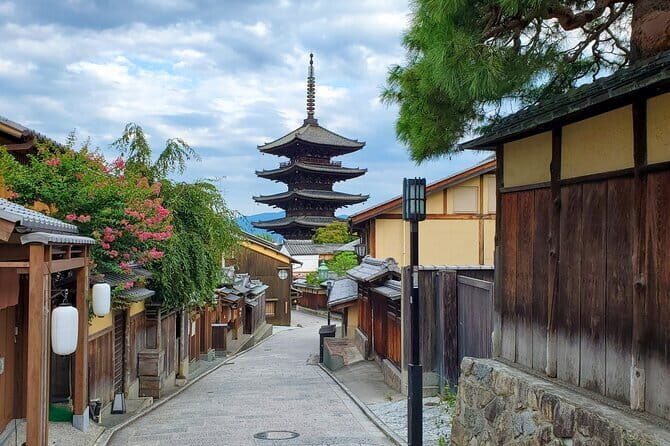
After Kiyomizu-dera, you enter the slope-town vibe: Sannenzaka and Ninenzaka. Expect short stops that work like little reset buttons.
You’ll move through:
- Sannenzaka for coffee, street food, a guided walk, and quick shopping time (about 15 minutes)
- Ninenzaka for dessert and local snacks, plus more time to browse (about 15 minutes)
There are also fast photo stops along the way, including a visit and photo stop at the Starbucks Kyoto Nineizaka Yasaka Chaya area (about 5 minutes), followed by another brief photo stop.
Two things make these stops worth it on a private walking tour:
- The guide helps you spend your limited time where it’s actually enjoyable, not just where it’s easiest.
- You get food and drink breaks that keep the walking day from feeling like nonstop exertion.
If you’re shopping, this is also where you’ll likely find small, Kyoto-style items that feel personal rather than generic. Still, treat shopping as a side mission here, not the main event.

Yasaka Shrine, Hanamikoji-dori, and Gion: Seeing the mood, not just the photos
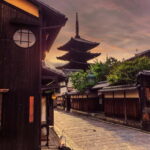
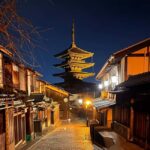
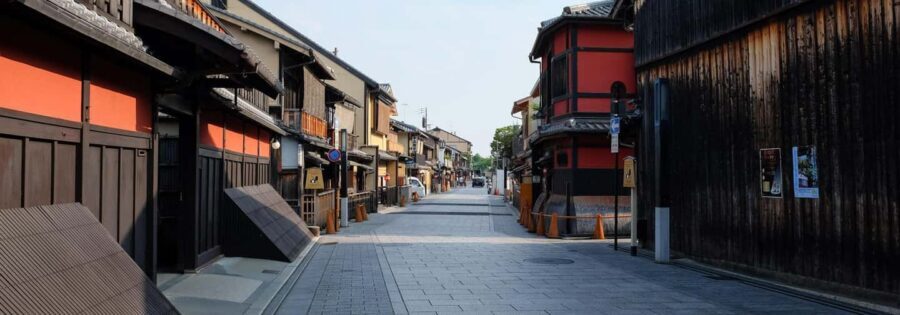
This is one of Kyoto’s most recognizable visual corridors, but the tour doesn’t treat it like a photo parade. You’ll have guided stops and short walking segments through:
- Yasaka Shrine (photo stop, guided time, and a walk of about 10 minutes)
- Hanamikoji-dori (photo stop, guided time, and about 10 minutes walking)
- Gion (photo stop, guided walk, and scenic view time of about 20 minutes)
What you’re getting here is atmosphere. Kyoto’s famous districts can feel like a stage set if you rush them. With a guide, you’re more likely to understand what you’re seeing and why people come to this area in the first place.
Also, the tour is designed to keep you from being stuck in a single overcrowded moment. Instead, you’re moving through the area in guided chunks, which helps you actually enjoy the streets.
One note for expectations: these are short segments. If your top priority is long unhurried wandering, you may want to add time after the tour for the neighborhood you liked most.
Nishiki Market: Lunch and street food without wasting the hour
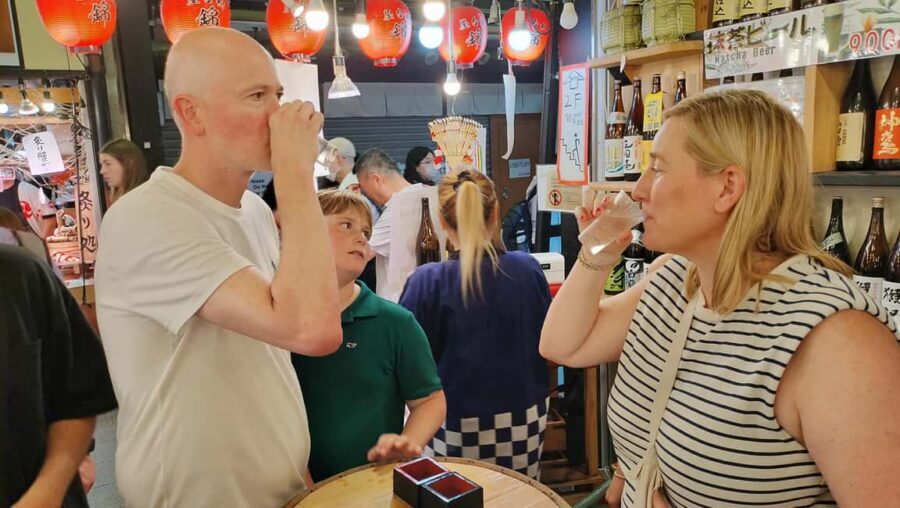
Then it’s time for one of Kyoto’s best “eat while you wander” experiences: Nishiki Market. You’ll get about 1 hour here, with a break for lunch and a chance for street food and food tasting, plus time to browse.
This stop is valuable because it’s not just about one meal. It’s a chance to sample Kyoto snack culture in a concentrated area, which is hard to do if you’re trying to plan everything on your own.
If you prefer a guided lunch moment, this is a strong setup. You’re not guessing what to eat, how to order, or where to stand. And if your group wants something specific, a private guide can often tailor suggestions.
From real experiences with the guides on this tour, the food portion can include casual meal choices like conveyor-style sushi for those who want an easy, low-stress lunch. You shouldn’t expect one exact menu every time, but you can expect guidance that steers you toward practical, enjoyable options.
Bring cash. Many smaller spots can be cash-only, and the tour itself flags that admissions and paid experiences often lean cash.
Kinkaku-ji: The golden temple stop where context matters
After lunch, the route shifts toward the day’s “wow” finale. You’ll travel by bus/coach, then later by cab, and land at Kinkaku-ji, the golden temple.
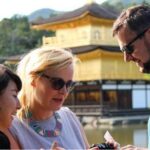
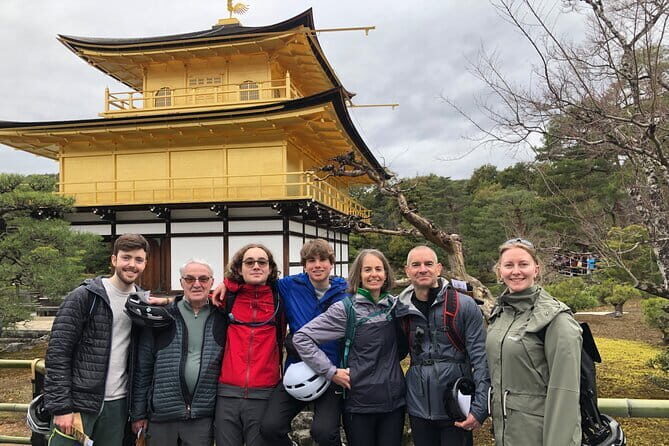
You’ll spend about 50 minutes there, with guided time and a walk. The highlight isn’t only the look—this is where the tour aims to help you understand the significance and history of the site, not just where to stand for the best angle.
That context is what makes the visit more satisfying. The place is famous for a reason, but without a guide, it can turn into a quick look-and-leave. Here, you get a story that makes your photos feel less random.
Also, the guide’s job includes practical pacing. Kyoto’s major temples can be crowded, especially in peak hours. The private format and crowd-aware route helps you enjoy the time you have, rather than watching the clock while you’re stuck in a bottleneck.
Arashiyama Bamboo Forest: A closing walk that feels different
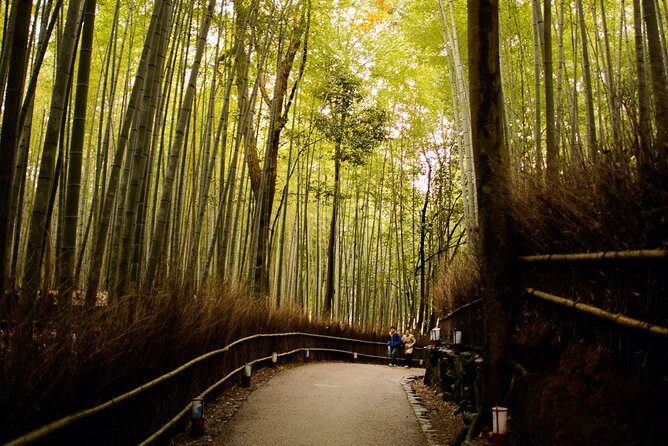
The day ends with Arashiyama Bamboo Forest. You’ll get about 30 minutes of guided visit and walking time in the bamboo area.
The tour is set up to make this feel like a calm finish rather than another rush. Bamboo areas can be both atmospheric and crowded, depending on timing. The benefit of this tour format is that you’re not wandering on your own trying to guess the best moment—you’re moving through a planned sequence.
After the bamboo forest walk, you’ll take a train segment and return to Kyoto. The structure matters here: you’re not exhausted and lost when you still need to get back. You’re carried along by a route that keeps the day coherent from start to finish.
Practical tip: bamboo zones often mean more walking on uneven surfaces and packed pathways. Those comfortable shoes you packed for Fushimi Inari will come back into use here.
Value and what you’ll pay on top of the $116 price
At $116 per person for 6–8 hours, the value is in the private guiding plus the “route solving.” You’re paying for a guide, language support (English and Japanese), pickup in Kyoto, and a day designed to connect multiple neighborhoods without you having to stitch everything together yourself.
What you should budget separately is also very clear:
- Admission fees are not included, and paid facilities generally range from about ¥300 to ¥800
- Meals and drinks are not included
- Cash is often needed, and the tour suggests bringing roughly ¥1,000 per person for a half-day, or ¥1,000 to ¥1,500 per person for a full-day
Because you’re doing Kinkaku-ji and a bamboo forest visit plus multiple shrine and market stops, that extra cash matters. If you want a smoother day, I recommend arriving with more than you think you need, not less.
One more practical note: the tour lists a van option (with vehicle, driver, gas, parking, and bottled water for each guest) as an alternative setup. That can be useful if your group prefers less walking than the standard plan, but you still need to plan around the walking nature of a walking tour.
Who should book this Kyoto private tour
This is best for you if:
- You want a private, guided day that links the city’s top highlights with time in markets and shopping lanes
- You’d like help with food breaks and not having to decide what to eat alone
- You prefer a route with short transfers so you can actually enjoy each stop instead of rushing between them
- You care about understanding what you’re seeing, especially at major sites like Kiyomizu-dera and Kinkaku-ji
It may not be the best fit if:
- You want a purely flexible schedule with no set stops (this tour has specific major sites)
- You’re relying on wheelchair access. The activity information says wheelchair accessible, but it also says it’s not suitable for wheelchair users. If mobility is a factor, ask before booking so you don’t end up with surprises.
Should you book this Kyoto private tour?
If your goal is to see Kyoto’s “greatest hits” while still feeling like a person, not a ticket, I’d book it. The strong points are the mix of guided time at top places (Fushimi Inari, Kiyomizu-dera, Kinkaku-ji, Arashiyama) plus practical breaks for coffee, snacks, and a meal pause at Nishiki Market.
Just go in with two realistic expectations: you’ll pay admissions and meals separately, and you’ll still be walking quite a bit. If you’re good with that and you like the idea of a guide helping you manage the day, this tour is a solid way to make Kyoto feel both efficient and personal.
FAQ
How long is Kiyoto’s Kyoto Private Tour?
The duration is listed as 6 to 8 hours.
Where does the tour start?
Pickup is included in Kyoto. After you book, you email the pickup location you prefer (hotel, station, or landmark).
Is this a private tour?
Yes, it’s a private group.
What languages are the guides?
The live tour guide is available in English and Japanese.
What’s included in the price?
The price includes one good friend in Japan, plus for the van option, the vehicle, driver, gas, parking, and a bottle of water for each guest.
Are admission fees included?
No. Admission fees are not included, and paid facilities are generally around ¥300 to ¥800.
How much cash should I bring?
The tour suggests about ¥1,000 per person for a half-day tour, or ¥1,000 to ¥1,500 per person for a full-day tour, since many places accept cash only.
Is the tour wheelchair accessible?
The information includes wheelchair accessibility, but it also says it’s not suitable for wheelchair users. If you need mobility support, you should contact the provider before booking.