REVIEW · FUSHIMI INARI TOURS
Inside of Fushimi Inari – exploring and lunch with locals
Book on Viator →Operated by Japan Exploration Tours JIN-仁 · Bookable on Viator
Red torii, but on a quiet route. This half-day Fushimi Inari-taisha hiking tour gives you an alternative path through bamboo and cedar toward the summit, with soba lunch and snack breaks built into the pacing. The one thing to weigh up is the walking: even though it’s friendly for most people, you’ll still face stairs and some steeper forest sections, so go in with moderate fitness in mind.
What makes this feel worth it is the way the experience is handled in real life—small enough that your guide can adjust pace when the group needs it. Guides are described as friendly and informative, with a focus on explaining what you’re seeing (and where to step) so the hike doesn’t turn into a blur of photos.
Logistics are also straightforward: you meet at Great Torii Japan in Fushimi, you return there, and you get a mobile ticket for the experience. Expect around 4 hours total, with the longest block of time centered on the shrine area and the climb.
In This Review
- Key things to know before you go
- Why this Fushimi Inari tour feels different from the usual walk
- Meeting at Great Torii Japan and planning your 4-hour block
- First stop: Fushimi Inari-taisha and the torii-gate story
- Bamboo and cedar paths, plus waterfall and a gate factory stop
- Lunch, tea, and boiled egg: fueling your torii climb
- The summit route to 233m: where the hike really earns its keep
- Guides you can actually follow: pace, explanations, and crowd control
- Price and value: what $72.26 buys you in Kyoto
- What to watch for: stamina, shoes, and weather
- Should you book this Fushimi Inari tour?
- FAQ
- How long is the Fushimi Inari tour?
- Where does the tour start and end?
- What is included in the lunch and breaks?
- Is the food suitable for different diets?
- How big is the group?
- Is admission included?
- Is this tour suitable for people with limited fitness?
- What should I do if weather is bad?
- How do I get the ticket?
- How far in advance is it usually booked?
Key things to know before you go
- A small-group approach (the tour is described as limited to 12, and the activity details note a maximum of 6), so you’re not stuck shoulder-to-shoulder.
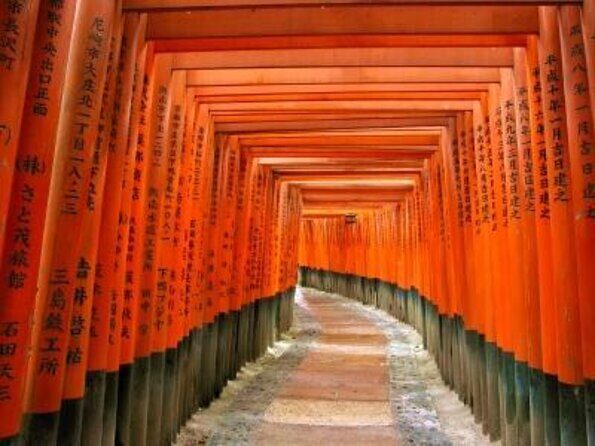
- Off-main-path walking through bamboo and cedar forests, not just the standard torii-gate loop.
- Fushimi Inari’s key sights explained—the main shrine, the torii gates, and what the spots mean as you pass them.
- Real breaks included with Japanese tea and a boiled egg, plus a soba noodle lunch.
- A summit finish via a forest route to the summit shrine at 233m, with time to look around there.
- Dietary flexibility is available (vegetarian, halal-friendly, and gluten-free options).
Why this Fushimi Inari tour feels different from the usual walk
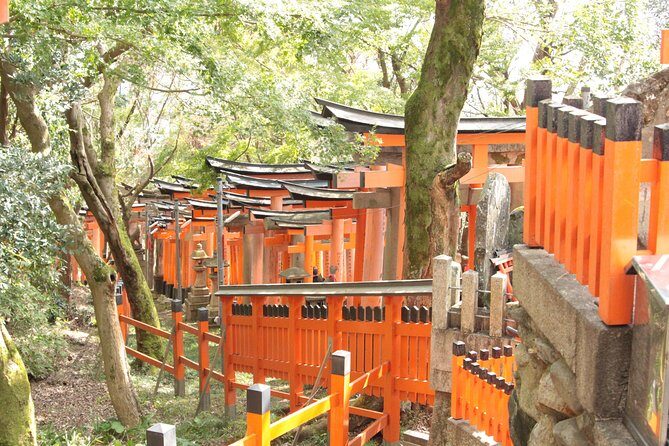
Fushimi Inari-taisha Shrine is famous for one thing: thousands of red torii gates climbing up the hills. The problem is that it can also be famous for crowds. This tour tackles that by building your day around walking routes that are calmer and more varied, so you get more than one kind of Inari scenery.
You’ll start with the shrine and the big-picture story of the torii gates. Then the tour shifts into walking that feels more like a hike—through bamboo and cedar forests, past small worship spots, and into areas that you’d probably miss if you only followed the most obvious paths.
The summit section matters too. You don’t just stroll through gates at ground level; you climb to the summit shrine (233m) and get time to see what changes as you go higher—air, views, and the overall feel of the mountain.
And it’s not all walking with nothing to show for it. A soba lunch and a tea-and-boiled-egg break keep the energy up, which is a quiet but important part of a half-day plan in Kyoto.
You can also read our reviews of more tours and experiences in Kyoto

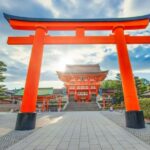

Meeting at Great Torii Japan and planning your 4-hour block
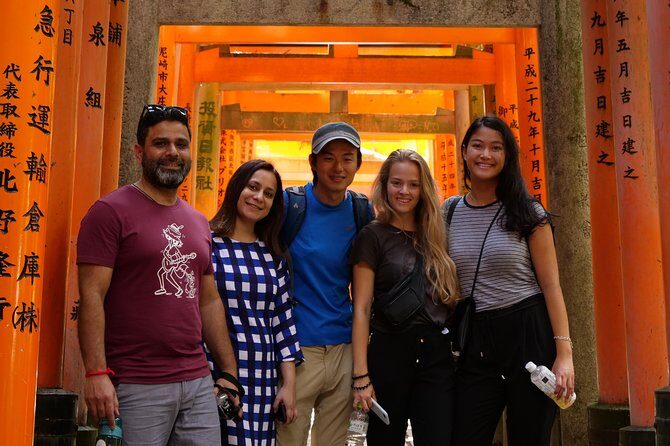
The tour starts and ends back at Great Torii Japan at 深草薮之内町68番地 in Fushimi. It’s listed as near public transportation, which matters in Kyoto where getting across town can eat up time fast.
The duration is about 4 hours, with the core shrine time around 3 hours 30 minutes. That means you’re likely to finish with enough daylight left to do other things in Kyoto, instead of feeling trapped in one long tour.
A nice practical detail: you’ll use a mobile ticket. That’s one less thing to manage on a day when you’ll probably be scanning signs, checking temple etiquette, and keeping an eye on timing.
The day still comes down to weather and terrain. The experience notes that it requires good weather. If conditions are poor, you could get a different date or a refund rather than a watered-down walk. Plan to dress for a real outdoor half-day, not just sightseeing.
First stop: Fushimi Inari-taisha and the torii-gate story
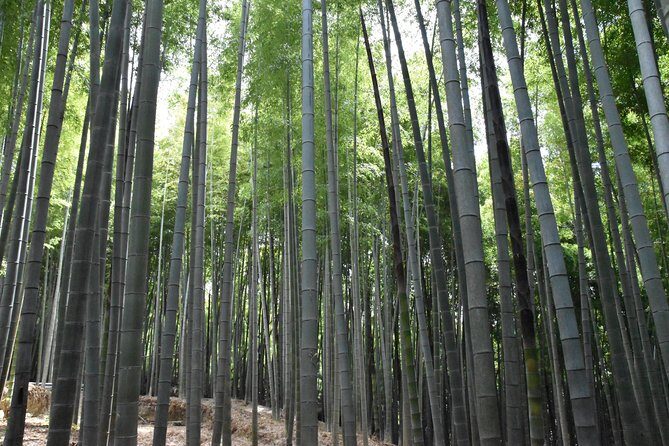
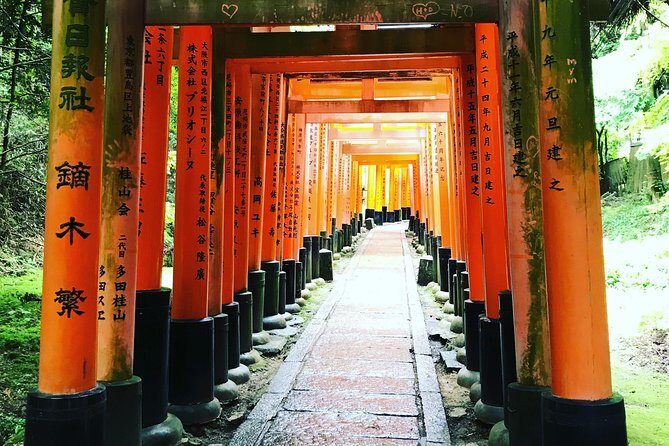
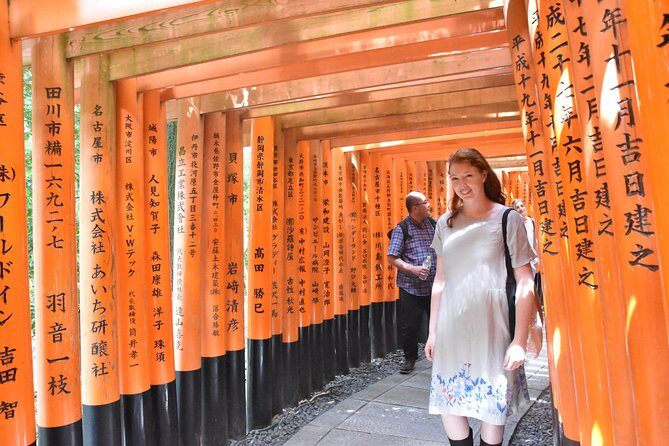
Your biggest early payoff is context. You’ll get sightseeing of the main shrine and the thousands of red torii gates, with explanations of the history and cultural background as you move through the area.
That matters because Fushimi Inari is visually repetitive in the best way—gate after gate after gate. Without a guide putting the pieces together, it’s easy to see the place as only a photo background. With explanations, you start understanding why the gates look the way they do and how the shrine fits into broader local belief and practice.
You’ll also have time to take in the atmosphere around the main shrine before the tour becomes more hiking-focused. Think of this as your orientation phase: where you are, what you’re seeing, and how the “holy mountain” layout connects.
One more practical point: expect that even on a quieter route, you’re starting from one of Kyoto’s best-known icons. So your guide’s role early on is mostly about helping you navigate smoothly and avoid the most jammed moments.
Bamboo and cedar paths, plus waterfall and a gate factory stop
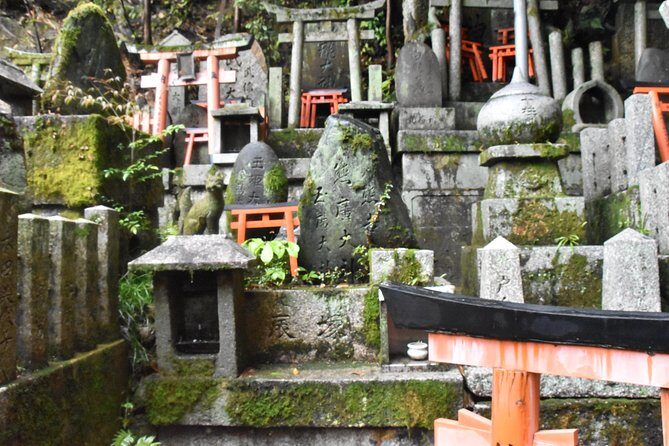
After the main shrine viewing, the tour shifts into the more scenic part: an easy walking route through peaceful bamboo and cedar forests. This is where the experience starts to feel like a Kyoto nature-and-culture combo instead of a single attraction.
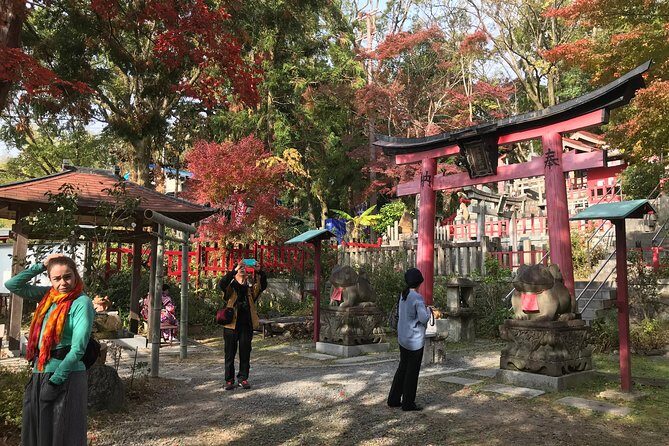
Along the way, you’ll visit authentic worship spots, including:
- Worship stones
- A waterfall
- A gate factory
These aren’t random detours. They broaden the Inari story beyond just climbing gates. The waterfall stop gives you a sensory break from the red-and-stone visual rhythm. The gate factory connects the shrine’s famous torii imagery to how the gates are part of continuing tradition, not only a view you pass.
The key drawback to keep in mind here is effort. Even when it’s described as easy walking, forest routes can still mean uneven ground and steady movement. If you’re the type who hates stairs, tell your guide early. The guides on this tour are described as adjusting to the group’s pace, which helps a lot once you leave the flat lanes.
Lunch, tea, and boiled egg: fueling your torii climb
A lot of half-day shrine tours forget the simple truth: if you’re hungry, your brain stops paying attention. Here, you’re covered.
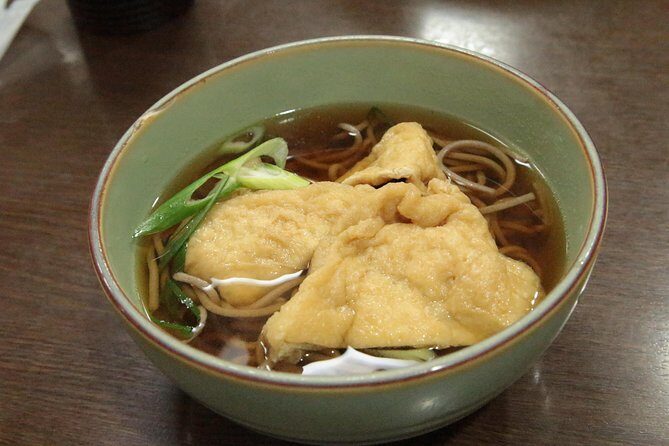
You’ll enjoy a soba noodle lunch, plus a break with Japanese tea and a boiled egg during the outing. This isn’t just food-as-an-add-on. It helps you keep a steady pace on the later climb to the summit, when fatigue can easily make you hurry through everything.
Dietary options are also part of the deal: vegetarian, halal-friendly, and gluten-free food are available. That’s a big practical win if you’re traveling with dietary needs, because Kyoto can be flexible but not always consistent.
What I like about this setup is that it matches the rhythm of the tour. You don’t end up racing to find a meal, and you’re not stuck eating something quickly that leaves you drained. You get proper sustenance, a pause to reset your legs, and then you head back into the climb.






The summit route to 233m: where the hike really earns its keep
Then comes the part many people remember. You’ll take a forest route to the summit shrine, which is listed as about 20 minutes for the climb. The summit sits at 233m, and you’ll get shown around the summit shrine once you arrive.
This section is typically the turning point between “walking through a famous place” and “doing something.” Even if you’ve visited Fushimi Inari before, reaching the summit changes your perspective. The torii gates become more layered, and the surrounding hills start to feel bigger than the entrance area.
You’ll also have the option to pray at the shrine. That’s not a performance thing—it’s simply part of the local experience. If you’re comfortable with shrine etiquette, this is a good moment to slow down and follow your guide’s cues.
The consideration here is physical. Reviews for this style of hike repeatedly note that there are stairs and that the ascent can be tougher than expected. If your legs get cranky on steps, wear supportive shoes and plan for a steady, not sprint-like, pace.
Guides you can actually follow: pace, explanations, and crowd control
On a shrine hike, the guide is the difference between a stressful scramble and a calm, meaningful outing. Names that stand out in feedback include Go, Satsuki, and Ko, and the pattern is consistent: guides are described as adjusting pace to match the group and steering you away from the densest tourist flow.
That’s exactly what you want here. Fushimi Inari can be packed, and the route matters. One of the most praised elements is getting quiet walking time through the trees and small shrines, where the experience feels more personal than transactional.
You’ll also benefit from explanations along the way—especially early on around the main shrine and torii-gate history. The summit portion then lands better, because you’re not just climbing without a reason. You know what you’re moving toward.
If you’re someone who likes to ask questions, this type of guide-led flow makes it easier. The pacing gives you moments to look closely instead of only reacting to where everyone else is moving.
Price and value: what $72.26 buys you in Kyoto
At $72.26 per person for around 4 hours, this is not a cheap stroll. But you’re also not just paying for entry. You’re paying for:
- A guided small-group hike centered on Fushimi Inari
- Admission ticket included
- Soba lunch
- Tea and a boiled egg break
- Extra time that focuses on route variety—forest paths, worship spots, waterfall, and the summit section
For many people, the value here is time and planning. You’re outsourcing the hard part: choosing the right walking flow that keeps your day coherent and efficient. And you’re not left searching for food halfway through.
Also, the small-group size is part of the cost justification. Smaller groups tend to mean better pace control and more attention when paths get stair-steppy or narrow.
So if your Kyoto days are packed and you want Fushimi Inari to feel like more than a line of red gates, this price starts looking more sensible.
What to watch for: stamina, shoes, and weather
This tour lists moderate physical fitness as a requirement. That’s the polite way of saying: you’ll walk, and you’ll climb. Expect stairs and some steep forest sections, especially on the way up.
Shoes are non-negotiable here. Use something with grip and support for steps and uneven ground. If it rains, surfaces can get slippery on a hillside—so footwear matters more than usual.
Weather is also explicitly part of the plan. If the tour can’t run due to poor conditions, you’ll be offered a different date or a refund. That’s fair, because this isn’t a “stand in one place and look around” experience.
Finally, manage expectations about crowds. Even with alternative routing, you’re still visiting one of Kyoto’s biggest icons. The goal isn’t zero crowds—it’s fewer moments of getting swallowed by the crowd and more time in the quieter, forested parts.
Should you book this Fushimi Inari tour?
Book it if you want:
- A guided Fushimi Inari experience with clear explanations, not just wandering
- Time in bamboo/cedar forest paths, worship spots, and a summit climb
- Included food that actually fits a hiking pace: soba lunch plus tea and boiled egg
- A smaller group where guides can adjust pace (and you won’t feel rushed)
Skip it or consider another option if:
- You hate stairs or have trouble with steep hikes
- You’re only in Kyoto for a quick, low-effort photo stop and want the simplest possible route
If you’re somewhere in the middle—curious, willing to walk, and craving a more local-feeling rhythm—this is a strong way to see Fushimi Inari without turning the whole day into a crowd shuffle.
FAQ
How long is the Fushimi Inari tour?
The tour is about 4 hours (approx.), with about 3 hours 30 minutes focused on the shrine time, hiking, and lunch.
Where does the tour start and end?
It starts and ends back at the meeting point: Great Torii Japan, 612-0881 Kyoto, Fushimi Ward, 深草薮之内町68番地.
What is included in the lunch and breaks?
You get a soba noodle lunch, plus a snack break with Japanese tea and a boiled egg.
Is the food suitable for different diets?
Vegetarian, halal-friendly, and gluten-free food options are available.
How big is the group?
The tour is described as small-group, and the activity details state a maximum of 6 travelers.
Is admission included?
Yes. Admission ticket is included (listed with the shrine time).
Is this tour suitable for people with limited fitness?
It’s best for travelers with moderate physical fitness level, since there are stairs and forest routes that include climbing to the summit.
What should I do if weather is bad?
This experience requires good weather. If it’s canceled due to poor weather, you’ll be offered a different date or a full refund.
How do I get the ticket?
You’ll receive a mobile ticket.
How far in advance is it usually booked?
On average, it’s booked 80 days in advance.