REVIEW · NISHIKI MARKET TOURS
Kyoto:Seasonal Kaiseki Reservation at Hanasaki Nishiki
Book on GetYourGuide →Operated by TakeMe Co.,Ltd. · Bookable on GetYourGuide
Kyoto dinner, minus the tourist noise. In a quiet alley near Shijo-Karasuma, Hanasaki Nishiki turns a simple reservation into a refined, seasonal kaiseki meal inside a traditional machiya townhouse. I love the monthly menu that leans hard on Kyoto vegetables and local seafood, and I also love the calm pace created by tatami rooms and an inner garden.
The main thing to consider is practical: this is reservation-only and you won’t have a guide with you, so you’ll want to go in confidently and be ready for a fixed 2-hour course. Drinks beyond water aren’t included, so if you like to pair wine or sake with dinner, plan on extra cost.
In This Review
- Key things I’d focus on
- A Machiya Kaiseki Reservation Near Shijo-Karasuma
- Entering the Restaurant: What Your 2 Hours Actually Includes
- Tatami Rooms and Garden Views: Why the Setting Matters
- Seasonal Washoku: Kyoto Vegetables, Tofu, Seafood, and Beef
- Service That Feels Attentive, Not Invasive
- Business Lunch Feel, Special Occasion Energy
- Maiko or Geiko Performances: The Extra Touch You Can Request
- Price and Value: Is $39 a Good Deal for Kyoto Kaiseki?
- Location and Arrival: Getting There Without Stress
- Who This Kaiseki Reservation Is Best For
- Should You Book Hanasaki Nishiki?
- FAQ
- How long is the Kyoto kaiseki reservation at Hanasaki Nishiki?
- Where is Hanasaki Nishiki located?
- What’s included in the price?
- Are drinks included?
- Does the menu change seasonally?
- What seating options are available?
- Is there a guide provided during the meal?
- Can the restaurant explain dishes in English?
- Can maiko or geiko performances be arranged?
- What’s the cancellation and payment flexibility?
Key things I’d focus on
- Monthly-changing kaiseki that tracks Kyoto seasons through ingredients like Kyoto vegetables and tofu
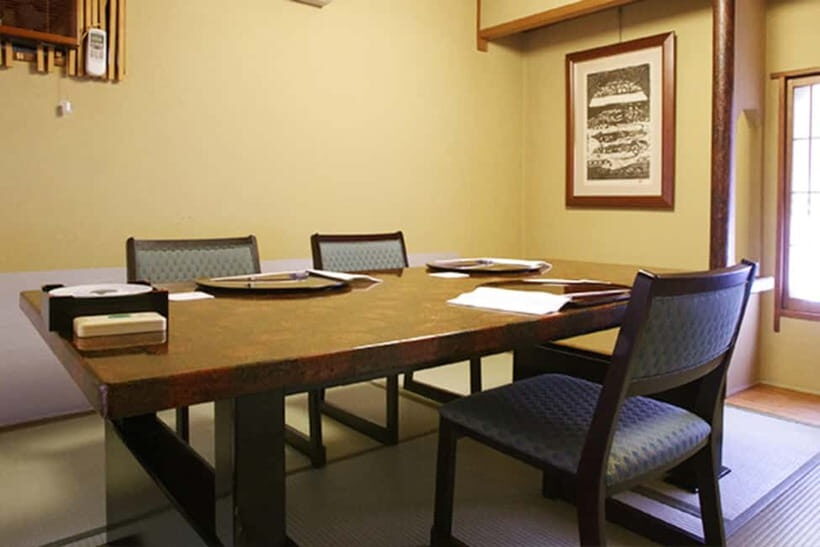
- Quiet machiya townhouse setting with tatami or horigotatsu seating
- Inner garden views that make the meal feel slower and more personal
- Attentive service that stays present without hovering
- English-friendly dish explanations for international diners
- Optional maiko/geiko performances you can request for special occasions
A Machiya Kaiseki Reservation Near Shijo-Karasuma
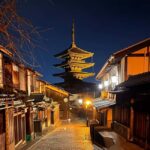
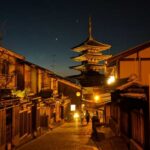
If you want Kyoto food without the circus atmosphere, Hanasaki Nishiki is built for that. The restaurant sits in a quiet alley not far from the Shijo-Karasuma area, so you get the convenience of being central while still eating in a calm, traditional home-like space.
The restaurant’s whole vibe is intentionally understated: you’re not in a loud dining room with constant bustle. Instead, you’re in a machiya townhouse, with seating options that can feel like a private room experience. That matters because kaiseki isn’t a meal you rush through. It’s structured, paced, and meant to match your attention—each course arrives with enough time to look, smell, and taste properly.
At $39 per person for a full course menu, it also reads like strong value for Kyoto dining. Kaiseki can be pricey in general, so getting a full multi-course washoku meal in a traditional setting at this kind of level is the sort of deal that makes Kyoto feel attainable.
You can also read our reviews of more tours and experiences in Kyoto.

Entering the Restaurant: What Your 2 Hours Actually Includes
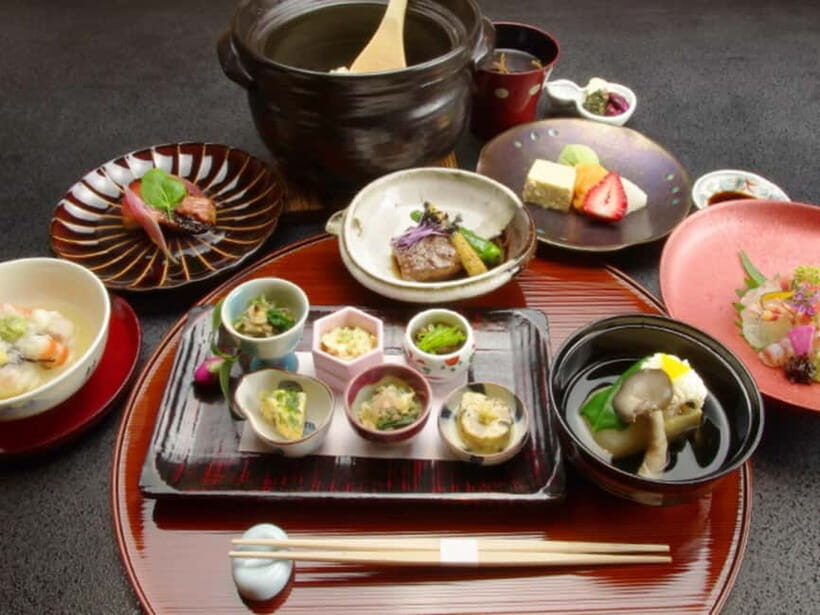
This experience is straightforward: it’s a seasonal kaiseki reservation with a full course menu, and the total time on site is about 2 hours. There’s no guided tour built in, so your “itinerary” is really the meal itself—course after course, in a set order, with staff guiding the experience as it unfolds.
Expect the restaurant to work like a traditional dining flow:
- You arrive for your time slot.
- You’re seated (tatami or horigotatsu-style options are available).
- The course set begins and continues through the evening rhythm.
- The staff explain what’s in front of you, and they keep things calm and attentive.
Because there’s no guide, you’ll rely on the restaurant’s communication. The good news is that the staff can explain each dish in English, which makes it much easier to appreciate the details without feeling lost.
Also note what this isn’t: it’s not a casual one-bowl stop, and it’s not a place where you order freestyle. If you like dining with structure and you don’t mind eating a planned series of courses, you’ll probably enjoy the experience more.
Tatami Rooms and Garden Views: Why the Setting Matters
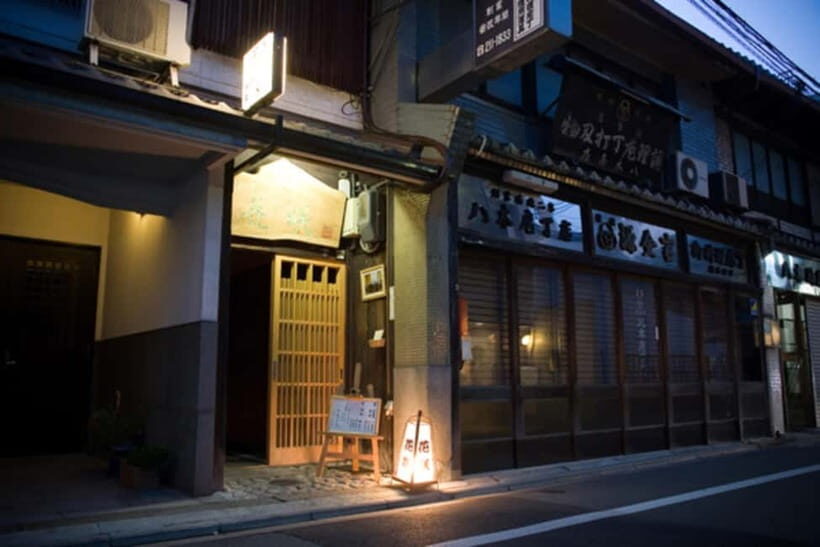
One of the most praised parts of Hanasaki Nishiki is the atmosphere. You’re not just paying for food—you’re paying for a space that supports the whole washoku philosophy: quiet conversation, careful presentation, and a sense that time slows down.
The restaurant offers tatami rooms and seating styles that can include horigotatsu (a built-in floor warming setup). Either way, it’s designed to feel intimate. Many people associate Kyoto dining with formal temples and spotless silence, but here you get that refinement without feeling like you’re in a museum.
Add the inner garden view, and the experience becomes more than dinner. Even small moments—like pausing between courses or watching light shift in the room—feel part of the pacing. It’s one reason this kind of restaurant works so well for both personal dinners and business-style meals. You can talk comfortably, but the environment naturally reduces distraction.
Seasonal Washoku: Kyoto Vegetables, Tofu, Seafood, and Beef
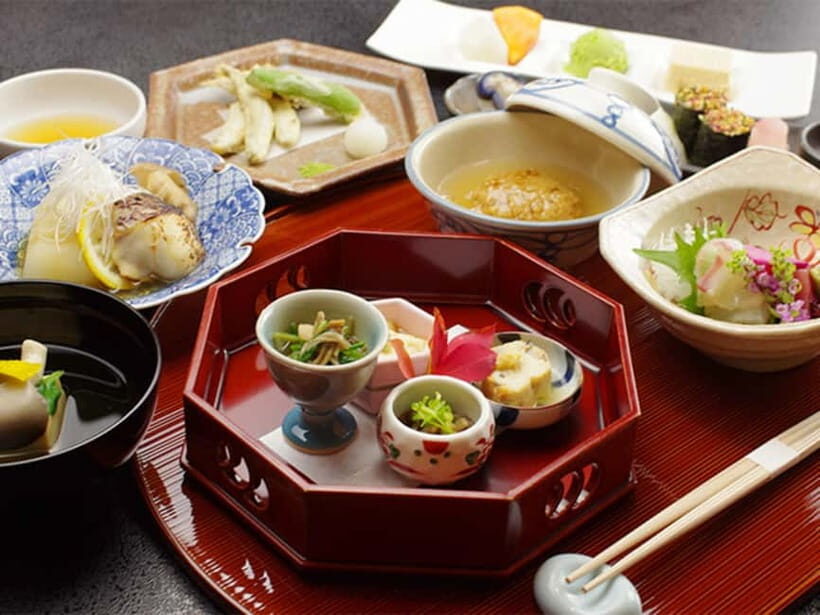
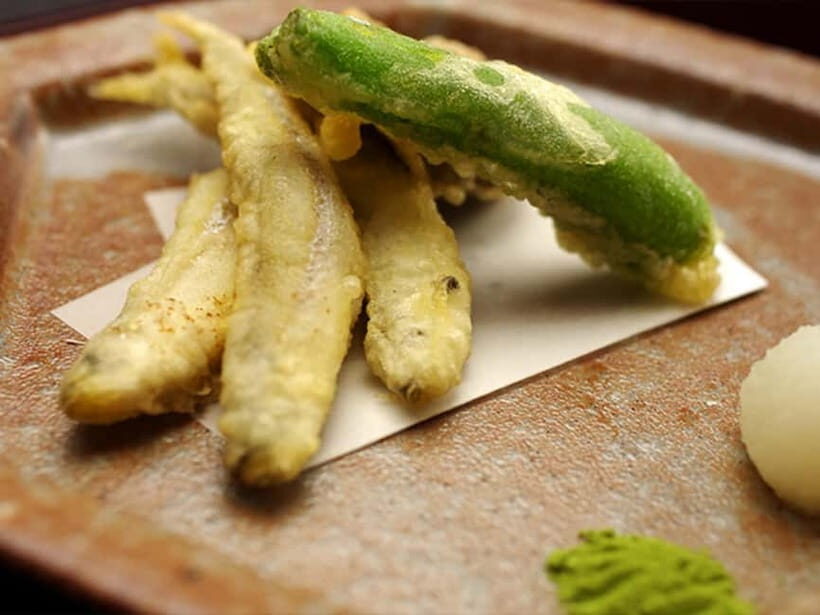
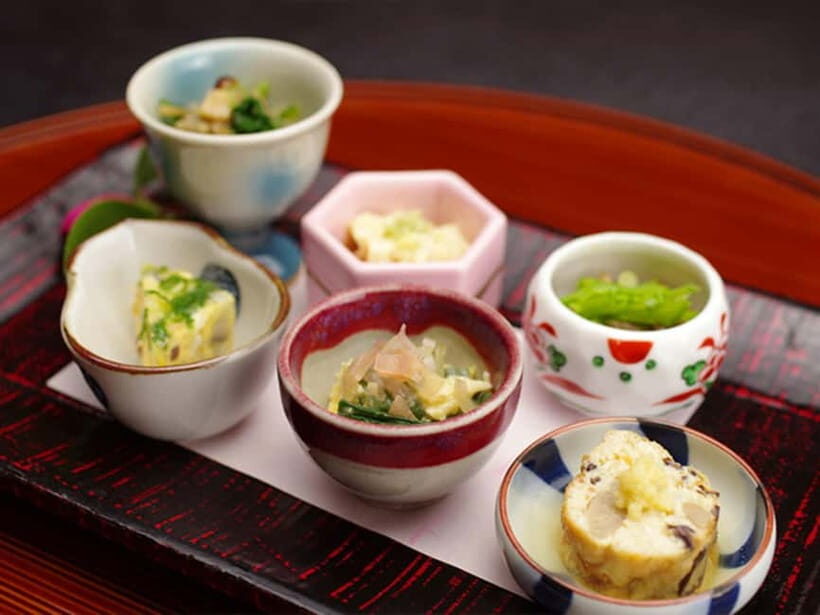
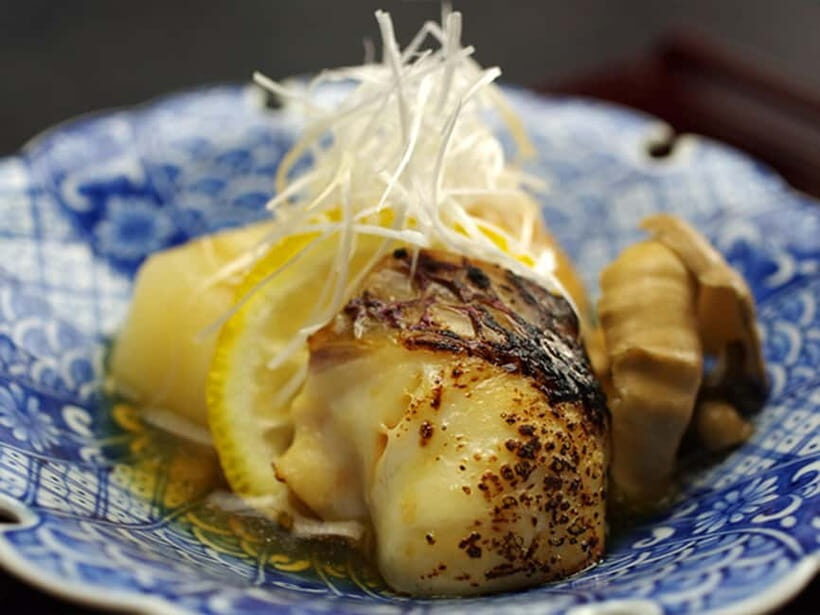
The core of this kaiseki reservation is seasonal ingredients and Kyoto culinary tradition. The menus change monthly, so the restaurant isn’t repeating the exact same course set every time. That matters because kaiseki is about reflecting the season through texture, temperature, and restraint—not just filling plates.
From the information provided, you can expect a mix that often includes:
- Kyoto vegetables
- tofu
- seasonal seafood
- and, in at least some courses, Kyoto beef
One thing I like about this approach: it doesn’t treat local ingredients like a marketing label. The food is presented as part of a harmony—flavors, presentation, and texture all considered together. In kaiseki, that balance is the point. You’re not trying to win with one loud taste; you’re trying to notice the sequence.
Presentation also sounds like a big deal here. The praise I saw emphasized that dishes feel like art. That doesn’t mean you’re dealing with fancy gimmicks; it means you’ll likely see careful plating and thoughtful pairings. Even if you’re new to kaiseki, you’ll probably appreciate the structure quickly.
Service That Feels Attentive, Not Invasive
Good kaiseki service isn’t about constantly appearing. It’s about being there when you need something, then stepping back so the meal stays yours.
At Hanasaki Nishiki, the service style is consistently described as courteous and attentive without being intrusive. That’s the ideal balance, especially in a quiet machiya setting. When staff are too formal, you feel pressured. When staff are too casual, the pace falls apart. Here, the goal seems to be a calm rhythm where you can enjoy each course and still get help when questions come up.
Another practical win: the staff can explain dishes in English. That’s a huge relief if your Japanese is basic. Kaiseki can include ingredients and methods that are hard to decode from a menu, so knowing what you’re eating turns the meal from nice to genuinely memorable.
Business Lunch Feel, Special Occasion Energy
This isn’t only for food lovers with a checklist. The format also fits business lunches and special occasions, and you can see why. The room style, the pacing, and the structured menu all support a professional, respectful setting. The calm interior and tatami seating can make conversation feel natural instead of chaotic.
At the same time, the restaurant is clearly a strong choice for celebrations. The experience feels refined, the courses are full, and the atmosphere supports occasions where you want something more meaningful than a standard restaurant dinner.
If you’re traveling in a group and you want everyone to share the same “one experience,” this works better than à la carte restaurants. Everyone eats the same course sequence, so the conversation stays centered on the food rather than the logistics of ordering.
Maiko or Geiko Performances: The Extra Touch You Can Request
Here’s a detail that can turn a great dinner into a once-in-a-while night. The restaurant can arrange maiko and geiko performances upon request. If you’re visiting Kyoto with a cultural focus, that option gives you something beyond the meal itself.
A couple practical notes based on how this is framed:
- It’s not automatic—you request it.
- It’s meant to complement the dining experience, so you should consider whether your schedule and group energy fit an extra performance.
If you want this, I’d treat it like an add-on you plan in advance rather than something to decide at the last second.
Price and Value: Is $39 a Good Deal for Kyoto Kaiseki?
Let’s talk money plainly. At $39 per person for a full course menu (with sales tax included), the pricing looks like a strong value proposition for Kyoto kaiseki in a traditional setting.
Where the value usually comes from:
- You’re getting a multi-course washoku experience rather than a single entrée.
- You’re eating in a machiya townhouse with tatami or horigotatsu seating and an inner garden atmosphere.
- The menu is seasonal, and it changes monthly, so you’re not just paying for the same thing every night.
What’s not included is also important for budgeting. Drinks aren’t included (other than water), so your final cost depends on what you choose to drink. If you’re planning to add sake or beer, treat $39 as the base for the meal, then add drinks on top.
The 2-hour duration is another value factor. This isn’t a 45-minute meal where you pay for a quick stop. It’s built to be a full dining window.
Location and Arrival: Getting There Without Stress
You’re close to public transit, which makes this reservation easier than it sounds. The restaurant is about a 5-minute walk from Karasuma Station (Hankyu Kyoto Line) and also about a 5-minute walk from Shijo Station (Kyoto Municipal Subway Karasuma Line).
Because it’s near Shijo-Karasuma, you can also pair it with daytime exploring or shopping nearby. The best strategy is to build your day so dinner is your calm anchor point, not the thing you’re rushing toward after an exhausting itinerary.
One more practical point: this is reservation-only. When it’s time, enter the restaurant directly, and remember there’s no guide meeting you on site. If you like clarity, double-check your exact timing and be ready to find the entrance quickly.
Who This Kaiseki Reservation Is Best For
This meal fits best if you want one of these:
- A calm Kyoto dinner with seasonal ingredients and a traditional interior
- A cultural dining experience that feels formal without being stiff
- A business-friendly meal where the environment supports conversation
- A special occasion dinner with a chance to add a maiko/geiko performance
You might skip it if you want a casual, choose-your-own menu style or if you need a guide to translate everything for you. Since there’s no guide, the experience leans on the restaurant staff’s explanations and your comfort following a fixed course order.
If you’re a first-time kaiseki eater, that’s actually a good sign. The staff can explain dishes in English, so you can enjoy the meal without feeling like you’re missing the point.
Should You Book Hanasaki Nishiki?
If your goal is authentic Kyoto kaiseki in a quiet machiya townhouse near the Shijo-Karasuma center, I think this reservation is worth serious consideration. The two standout reasons are the seasonal course quality and the serene atmosphere—tatami rooms, an inner garden view, and a service style that keeps the evening relaxed.
Book it if you want:
- a structured meal that feels thoughtful,
- an intimate setting,
- and the option to request cultural performance.
Skip it only if you need a guided experience, you’re shopping for a la carte flexibility, or you don’t want to budget for drinks beyond water.
FAQ
How long is the Kyoto kaiseki reservation at Hanasaki Nishiki?
The meal is about 2 hours.
Where is Hanasaki Nishiki located?
It’s near Shijo-Karasuma in Kyoto, with a 5-minute walk from Karasuma Station (Hankyu Kyoto Line) and a 5-minute walk from Shijo Station (Kyoto Municipal Subway Karasuma Line).
What’s included in the price?
The full course menu, sales tax, and the reservation are included.
Are drinks included?
Drinks are not included except water.
Does the menu change seasonally?
Yes. The kaiseki menus change monthly to reflect the seasons.
What seating options are available?
You can have tatami room seating, and horigotatsu seating is also available.
Is there a guide provided during the meal?
No. There is no guide provided.
Can the restaurant explain dishes in English?
Yes. The staff can explain each dish in English.
Can maiko or geiko performances be arranged?
They can be arranged upon request.
What’s the cancellation and payment flexibility?
You can cancel up to 24 hours in advance for a full refund, and you can reserve now and pay later (paying nothing today).