REVIEW · ZEN MEDITATION TOURS
Kyoto: Zen Meditation at a Private Temple with a Monk
Book on Viator →Operated by Travel Japan Together · Bookable on Viator
Quiet attention starts before the first sit. This Kyoto Zen meditation experience brings you to a private temple near Kodaiji Park that is typically closed to the public, led by a monk in a small group setting with a calm, ceremony-like atmosphere.
What I love most is the monk’s hands-on approach, including practical posture tips that make Zen feel doable, even if you are brand-new. I also like the way the experience stays intimate, with a cap of 9 travelers, so you are not stuck watching from the back row. One consideration: it lasts about 1 hour 30 minutes, so if you want a long, full-temple sightseeing day, you’ll likely want to add extra time on your own.
In This Review
- Key highlights that matter
- Zen meditation, but with real access and real instruction
- Finding the start: Kodaiji Park to the hidden temple
- The private temple setting you don’t usually get
- Monk instruction: posture, principles, and culture in plain words
- The actual meditation: what to expect during the sit
- Matcha tea and traditional snacks: the cultural finish
- Price and timing: is $98.83 worth it?
- Who this Zen meditation experience is best for
- A few practical expectations before you go
- Should you book this Kyoto Zen meditation session?
- FAQ
- Where is the meeting point?
- Where does the experience end?
- How long is the Zen meditation session?
- How big is the group?
- Do I get a mobile ticket?
- What’s included besides meditation?
- Who leads the session?
- Is the temple open to the public?
- Will I get confirmation after booking?
- Can most travelers participate?
Key highlights that matter
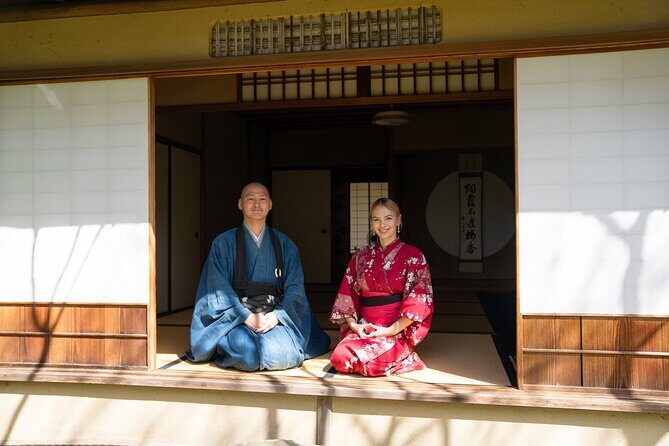
- A private temple near Kodaiji Park: you visit a site that’s usually closed, so the atmosphere feels more like a real practice space than a public stop.
- Monk-led Zen basics: you get core principles explained, plus tips you can actually use when you sit.
- Posture guidance you can feel: the session focuses on how to sit upright correctly, not just theory.
- Try meditation in the real setting: after the introduction, you practice in the serene environment of the temple.
- Matcha tea and traditional snacks: the cultural treats are part of the flow, not an afterthought.
- Small group, max 9: it stays personal enough to ask yourself the right questions as you learn.
Zen meditation, but with real access and real instruction
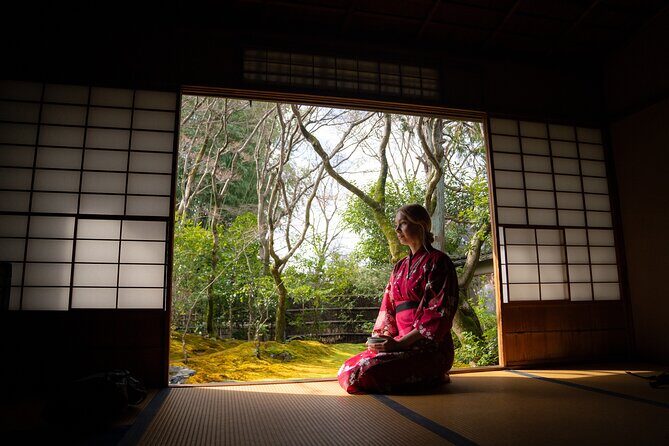
Kyoto is full of temples, but not all temple time is equal. This experience leans hard into what Zen is about: quiet focus, clear explanation, and practice in a specific place that usually stays closed.
You start with a monk-led introduction that also connects Zen to Japanese culture. That matters because meditation can feel abstract if you only hear slogans. Here, you get the “why” behind the basics and the “how” behind sitting.
Then you actually sit. That simple shift—talk to practice—turns this from a cultural lecture into something you can carry home.
You can also read our reviews of more private tours in Kyoto
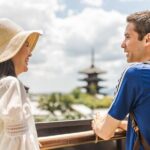
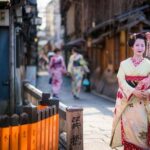
Finding the start: Kodaiji Park to the hidden temple
You meet at Kodaiji Park (463-28 Shimokawarachō, Higashiyama Ward, Kyoto). From there, you’re taken to the hidden temple close by, and the experience ends later on Nene-no-michi.
This route is part of the value. Kodaiji Park is a well-known area, so you have a clear reference point. And ending at Nene-no-michi means you are dropped back into the Higashiyama walking world instead of feeling trapped right back where you started.
Plan your day so you are not racing. Ninety minutes in Kyoto can feel like a blink, especially when you are trying to settle into a slower rhythm. I like to treat this as a small anchor in the middle of a busier itinerary.
The private temple setting you don’t usually get
A big selling point is the temple itself: it’s described as a private temple that’s typically closed to the public. That usually means fewer distractions, fewer onlookers, and a setting that feels more like practice than performance.
The reviews-style feedback you’ll feel in your bones is that the ceremony element lands well. People call it beautiful, and that tracks with what you’re walking into: the monk leads, you observe briefly, and you settle into a guided flow. The mood is quiet and atmospheric, not loud or tour-bus crowded.
The practical win here is mental. When you enter a place that is normally shut off, you’re more likely to lower your pace instantly. Even if you have never meditated before, the space nudges you to act like a participant, not a spectator.
Monk instruction: posture, principles, and culture in plain words
Zen instruction can swing between two extremes: too vague, or too strict. This session aims for something in between—core principles plus practical guidance.
You’ll get meditation tips from the monk, with insights about Japanese culture and Zen. One of the most praised parts is the clarity around sitting upright correctly. That surprises some people, but it also makes sense: if your body posture is unstable, your mind has a harder time settling.
There’s also an element of explanation through metaphor and translation support. In practice, that means you are not left guessing what to focus on while the room is quiet. The guidance is described as genuinely delivered and insightful, which is the difference between a script and real teaching.
If you are the type who likes structure, you’ll probably appreciate how the monk breaks it down first, then lets you try. If you are more spontaneous, you can still follow along. The key is that you are given enough direction to stop overthinking.
The actual meditation: what to expect during the sit
After the introduction, you get the chance to try meditating in the temple. The session format is simple: learn the basics, then practice in the serene setting.
This is where the experience becomes more personal than you might expect. You’re not just told to breathe and figure it out. You receive tips first—especially about posture—so when you start sitting, you have an action plan for what to do with your attention.
The tone matters, too. The atmosphere is described as relaxing and authentic private-like, which usually means less performative energy and more respectful quiet. That helps you stay with the moment instead of feeling like you’re doing meditation wrong for other people to judge.
A practical note: since you’re sitting for part of the 1 hour 30 minutes, you’ll want to arrive ready to slow down. I’d treat this like a mini reset, not something you squeeze in between high-stress plans.

Matcha tea and traditional snacks: the cultural finish
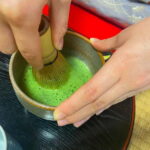
Not every meditation tour includes a proper cultural break. Here, you enjoy special treats: matcha tea and traditional snacks that follow the practice.
I like this part because it changes the emotional tempo of the session. Meditation can leave you feeling spacey; tea and a snack bring you back without turning the whole thing into a party. It’s also a gentle reminder that Zen culture is lived, not just practiced.
This is also good value for your money in a subtle way. You are paying for instruction and access, yes, but you’re also getting a complete experience flow: teaching, sitting, then a shared, calming pause.
Price and timing: is $98.83 worth it?
At $98.83 per person for about 1 hour 30 minutes, the price is not “cheap,” but it is easier to justify once you factor in what you’re buying.
You’re paying for:
- A monk-led, guided Zen session with instruction and tips
- Access to a private temple that’s typically closed to the public
- A small group size with a maximum of 9 travelers
- Matcha tea and traditional snacks included
If you’ve done Kyoto tours that feel like a speed-walk through must-sees, this is different. Here, the money goes toward time with a teacher and a real practice environment, not just transportation and entry tickets.
The timing also supports the goal. Ninety minutes is long enough for your brain to stop bouncing, and short enough that you’re not giving up half a day. Still, it is short—so if you want hours of temple exploring, treat this as the practice portion of your day.
One more practical perk: mobile ticket. It keeps the “paperwork friction” low, and you can focus on just showing up.
Who this Zen meditation experience is best for
This experience fits best if you fall into one (or more) of these categories:
- You want a structured introduction to Zen meditation, including posture guidance
- You’re curious about Japanese culture and want it explained through Zen
- You like smaller groups and don’t want to compete for attention
- You want something quiet and meaningful that still includes a cultural moment like matcha tea
It may not be the best fit if you want a long temple tour with lots of wandering, photo stops, and explanations of multiple halls. This is practice-first. The value is in the sitting and the monk’s teaching, not in covering dozens of sights.
If you are traveling with someone who does not consider themselves “a meditation person,” this can still work. The instruction style is described as accessible, and the posture focus makes it less mystical and more human.
A few practical expectations before you go
Here’s what you can confidently plan around based on the experience details.
The session is led by a monk and runs about 1 hour 30 minutes. The group is capped at 9 travelers, which typically makes it easier to feel supported during practice.
You’ll start at Kodaiji Park and finish at Nene-no-michi, so think about where you’ll go next after the meditation ends. I like to keep the rest of my day flexible, so the calm doesn’t fight with a packed schedule.
Also, confirmation is received at time of booking, and most travelers can participate. If you’re bringing a group or you have a tight schedule, the small-group cap is worth noting.
Should you book this Kyoto Zen meditation session?
Yes, if you want a Kyoto experience that feels like actual learning and actual practice. The strongest points here are the monk’s instruction—especially the hands-on posture tips—and the chance to sit in a private temple setting that’s typically closed to the public. Add matcha tea and traditional snacks, and you get a complete, calming arc instead of a quick stop.
Skip it if your main goal is sightseeing. This is not a long temple-hopping tour. It’s a focused, quiet experience meant to teach you how to sit and what Zen is trying to cultivate.
If you are on the fence, ask yourself one question: Do you want to come away with a better way to meditate, not just a nicer temple photo? If the answer is yes, this is a solid choice.
FAQ
Where is the meeting point?
The meeting point is Kodaiji Park at 463-28 Shimokawarachō, Higashiyama Ward, Kyoto, 605-0825, Japan.
Where does the experience end?
The tour finishes in Nene-no-michi, Shimokawarachō, Higashiyama Ward, Kyoto, Japan.
How long is the Zen meditation session?
It’s approximately 1 hour 30 minutes.
How big is the group?
The experience has a maximum of 9 travelers.
Do I get a mobile ticket?
Yes, this experience includes a mobile ticket.
What’s included besides meditation?
You’ll have matcha tea and traditional snacks as part of the experience.
Who leads the session?
A monk leads the Zen meditation session.
Is the temple open to the public?
You visit a private temple that is typically closed to the public.
Will I get confirmation after booking?
Yes. Confirmation will be received at time of booking.
Can most travelers participate?
The experience notes that most travelers can participate. It is also described as beginner-friendly in practice since it is an introductory meditation experience.