REVIEW · NARA DAY TRIPS
One-Day Walking Tour of Amazing 8th Century Capital Nara
Book on Viator →Operated by KAMNAVI Tours · Bookable on Viator
Nara’s top sites, minus the guesswork. I love that a private guide handles navigation so you spend less time staring at maps and more time seeing real places. I also like the way this route stitches together three big hits—Naramachi, Kasuga Grand Shrine, and Todai-ji—plus time to spot the deer in Nara Park. One thing to consider: the core entrances cost extra, and it’s still an all-day walk, so plan your pace and comfy shoes.
This is a smart choice if you want Japan’s ancient capital story in one go, without doing the homework. I’ve heard guides like Satomi, Tomoko, and Fumiko praised for being clear explainers and flexible with small changes (even helping with an unplanned museum detour in one case). Just remember it’s not a free-for-all customization: the route is designed as a set day, and the guide can adjust within that structure.
In This Review
- Key Points to Know Before You Go
- A One-Day Nara Walk That Saves You Planning Time
- Stop 1: Naramachi’s Temple-Turned-Merchant Streets
- Stop 2: Kasuga Grand Shrine and Fujiwara Power
- Stop 3: Todai-ji’s Giant Buddha and UNESCO Scale
- Deer at Nara Park: Fun Sightseeing With Real Etiquette
- Price and Value: What $137.17 Buys (and What It Doesn’t)
- Timing, Pace, and How the 8 Hours Work
- Flexibility: Real-World Adjustments Without a Total Rewrite
- Who This Tour Is Best For (and Who Might Skip It)
- Should You Book This One-Day Nara Walk?
- FAQ
- How long is the Nara walking tour?
- What time does the tour start, and where does it end?
- Is this a private tour?
- What’s included in the price?
- Are entrance fees included for Todai-ji and Kasuga Grand Shrine?
- Is public transportation included?
- What happens if the weather is bad?
Key Points to Know Before You Go
- Private guide navigation: you get a planned route so you don’t burn time figuring out connections between neighborhoods and temples.
- Naramachi first: you start in an old “temple town” area that later became a merchant district, with lattice-style houses you can really look at.
- Kasuga Grand Shrine context: it traces back to the Fujiwara clan, with a direct line to today’s head priest tradition.
- Todai-ji’s scale: you’ll see the world-famous giant Buddha and the enormous wooden architecture for which the temple is known.
- Deer time at Nara Park: the day includes a chance to enjoy the famous roaming deer (plan to follow the guide’s lead around them).
- Half the value is the explanation: the best part isn’t just the sights—it’s learning what they mean and how they connect.
A One-Day Nara Walk That Saves You Planning Time
Nara can feel deceptively simple on a map. In real life, it’s all about order: which sights you hit first, how you move between them, and where you pause to actually understand what you’re looking at.
That’s where this tour helps. You start at 8:30 am and spend about 8 hours walking through key areas. The guide’s job is basically to keep the day from turning into “Which bus/train do I take? Where’s that entrance? Oh no, we walked past it.”
I like that you’re not just collecting photos. You’re getting a guided story through the city’s evolution—from an early temple-focused settlement to a power-center shrine landscape to one of Japan’s biggest spiritual sites. If you’re short on time (Kyoto already has you in its grip), this kind of focused day trip is a practical win.
You can also read our reviews of more walking tours in Kyoto



Stop 1: Naramachi’s Temple-Turned-Merchant Streets
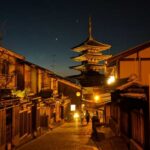
You begin in Naramachi, an area that traces back to the 8th century. It started as a temple town and then shifted into a merchant town. That change matters, because it explains why the streets feel lived-in rather than purely ceremonial.
Here’s what I’d pay attention to when you’re there:
- Look for the traditional-style latticed houses, including ones that are 100 years old and more.
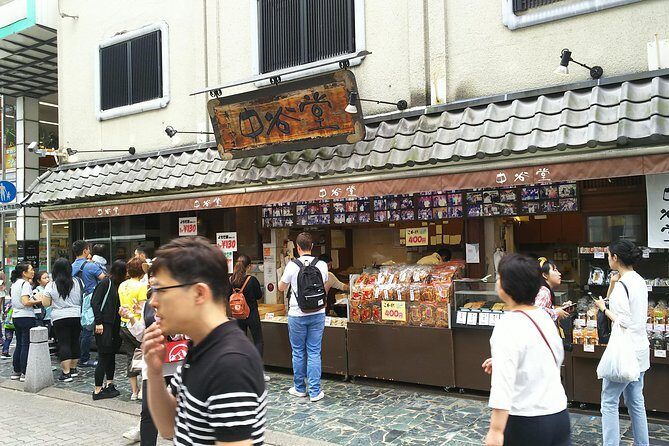
- Watch how the streets and storefront-style facades create a “daily life” atmosphere, not a museum-only one.
Why start here? Because it sets the tone. Before you hit the heavy-hitting shrine and UNESCO temple, you get a sense of how ordinary people once shaped the city’s rhythm through commerce and crafts.
A practical tip: Naramachi is best when you move slowly. Don’t rush through. Even if you’re eager to reach Todai-ji, give yourself time to look up at the architecture and street layout—this is the kind of place where you miss details by speed-walking.
Stop 2: Kasuga Grand Shrine and Fujiwara Power
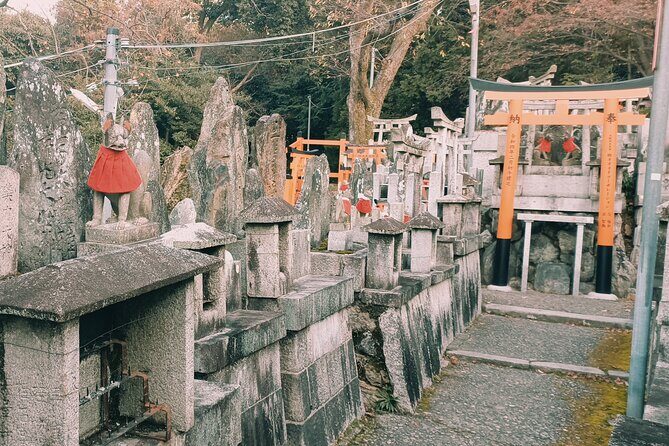
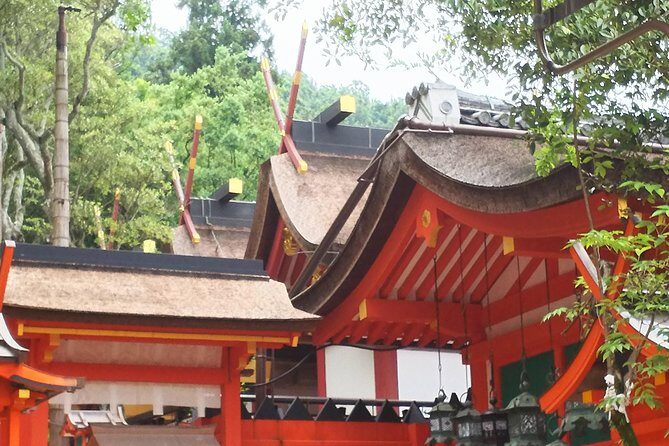
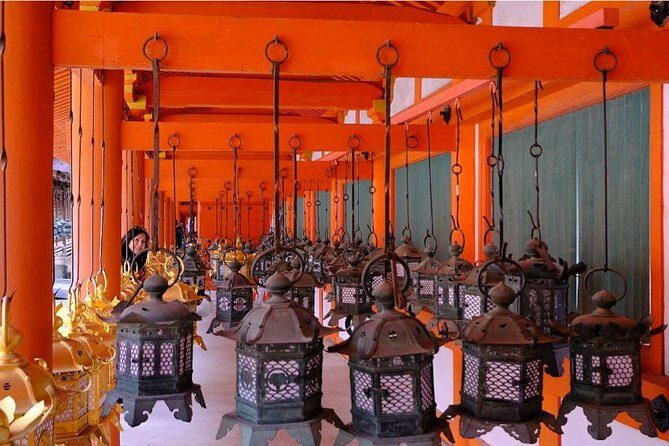
Next up is Kasuga Grand Shrine, a site with deep ties to Japan’s aristocratic power structure. The shrine was founded in the 8th century by the Fujiwara clan, which held major influence in Japanese history.
What makes Kasuga feel special is the “why” behind it:
- The shrine’s origin isn’t generic. It’s tied to a specific political elite.
- Even today, tradition continues with the head priest being a descendant from that lineage.
This isn’t just history trivia. When you understand the Fujiwara connection, the shrine stops feeling like a standalone stop on a checklist and starts feeling like a statement of authority, devotion, and cultural identity.
Time on site is about 1 hour. That’s usually enough if you’re paying attention and not trying to sprint to every corner. If you like photos, you’ll probably want to pause a bit more—Kasuga is a place where the visual details reward slow walking.
Stop 3: Todai-ji’s Giant Buddha and UNESCO Scale
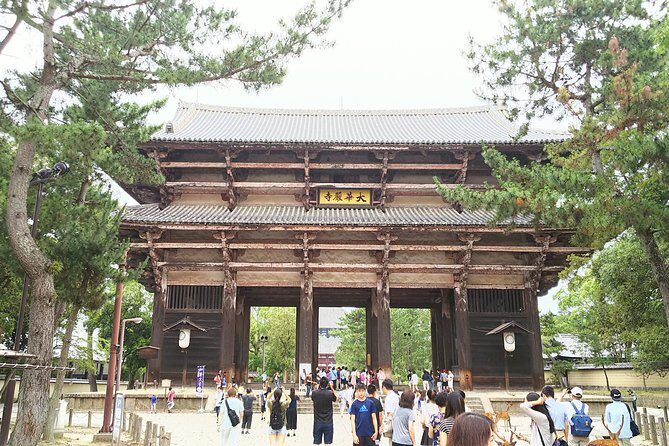
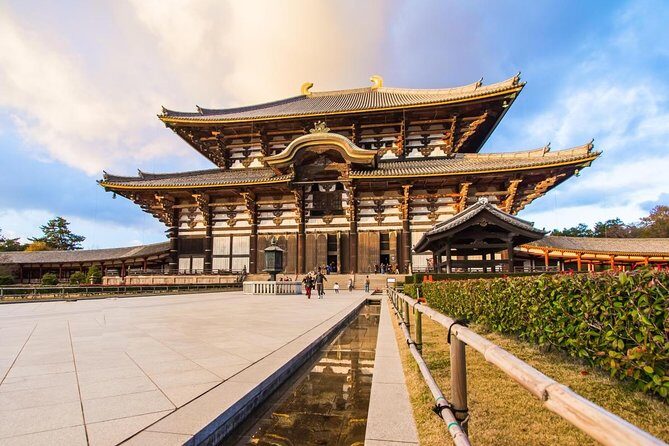
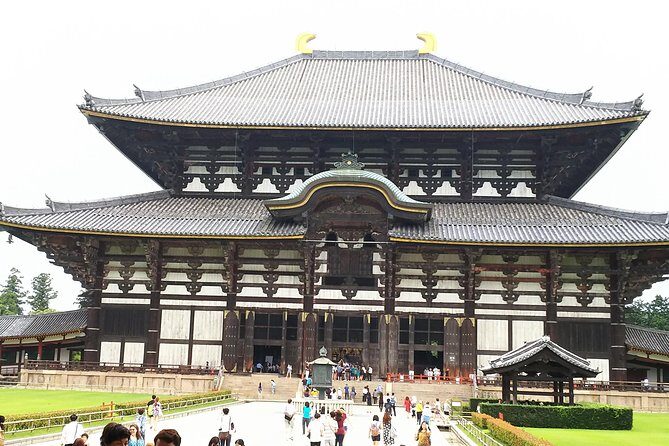
Then you reach the big one: Todai-ji Temple. Founded by Emperor Shomu more than 1,300 years ago, Todai-ji is part of UNESCO’s World Cultural Heritage.
You’ll hear about its size because it’s truly hard to mentally scale—this is one of those places where your brain needs a minute just to accept what it’s seeing. The tour gives you about 1 hour here, and I’d focus on these parts:
- The huge temple precincts built beneath Mt. Wakakusa
- The temple’s famous enormous wooden structure
- The enormous Buddha, which is the kind of sight that sticks with you long after you leave the hall
Why one hour works: Todai-ji is not a “quick look and move on” kind of stop. But with a guide, you can choose what to prioritize instead of wandering and losing time.
The main caution: Todai-ji is popular. Even if you’re moving with purpose, you may still feel crowd pressure in key areas. If you’re the type who gets overwhelmed, tell the guide early. Guides in this program (people like Tomoko have been singled out for caring attention to mobility needs) can adjust pacing so the day stays enjoyable.
Deer at Nara Park: Fun Sightseeing With Real Etiquette

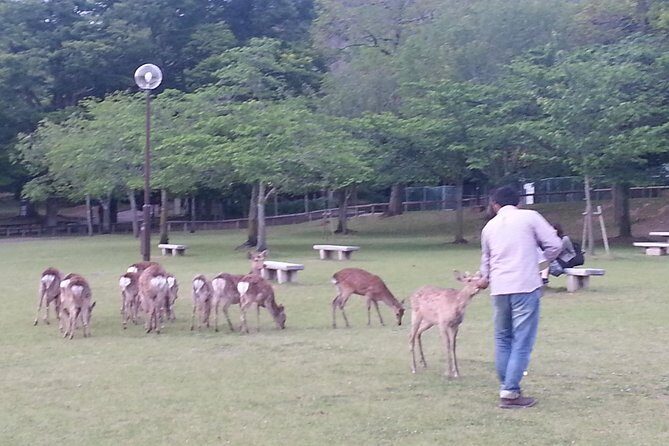
No Nara day feels complete without the deer. The tour includes a chance to see the freely roaming deer of Nara Park—and yes, they can come right into your space.
A few things I recommend you do:
- Stay calm and slow down your movement. Sudden gestures make deer unpredictable.
- Follow your guide’s cues for what to do around deer food or close contact.
- Keep bags closed and secure. Deer are curious and will investigate.
One reason the deer moment matters: it’s not only about cuteness. It’s part of why Nara has a living, present-day feel. Kyoto can be beautifully cinematic, but Nara often feels more immediate—like history and everyday life share the same sidewalks.
If you’re going with kids, this is a top “wow” segment. If you’re going as a couple or solo, it’s still worth lingering, because it’s usually the part you talk about later.




Price and Value: What $137.17 Buys (and What It Doesn’t)
The price is $137.17 per person. On paper, that’s not cheap for a day. In practice, it can be very good value—if you compare it to the time, stress, and planning effort of doing Nara by yourself.
Here’s what you’re paying for:
- A professional guide who handles route logic and context
- A walking day that hits the biggest anchor sites without you stitching together details
- A structure that helps you see Nara’s key landmarks in one pass
What costs extra:
- Public transportation fare is listed as ¥2,000 per person
- Entrance fees for Todai-ji Temple and Kasuga Taisha Shrine are listed as ¥1,500 per person
- (So you’ll want a little cash or payment options ready for those visits.)
My rule of thumb: if you’re the type who likes “go early, see the important things, don’t get stuck,” the guide fee often feels worth it. If you’re already comfortable navigating transit and entrances alone, you could possibly DIY it. But for most people with limited time, the savings in decision-making is real.
Also: it’s a private tour with only your group. Private doesn’t automatically mean the day is customized to your exact interests, but it does mean you can ask questions and move as a unit.
Timing, Pace, and How the 8 Hours Work
This is roughly 8 hours, including the walking time between areas. The listed segments are:
- Naramachi: about 1.5 hours
- Kasuga Grand Shrine: about 1 hour
- Todai-ji: about 1 hour
- Plus the in-between travel and transitions
That means the walking rhythm matters. Even if each stop feels manageable, you’ll still be on your feet for most of the day.
My practical advice:
- Wear shoes you’ve already used (not your “new-but-hopeful” shoes).
- Bring a layer. Morning can be cooler and the day can warm up.
- Plan bathroom breaks as part of the schedule—don’t wait until you’re desperate.
If you have mobility concerns, don’t hide them. One of the most reassuring parts of how guides have handled this tour is that they can be accommodating to slower movement needs. Tomoko, for example, was praised for taking care of a husband with a bad knee.
Flexibility: Real-World Adjustments Without a Total Rewrite
One of the nicest things about this tour is that it’s not rigid to the point of being robotic. I’ve seen examples of guides being able to pivot—like Satomi helping reroute toward the Nara National Museum when someone shifted their plans, even though it wasn’t the default idea for the day.
That said, keep expectations grounded:
- It’s best thought of as a planned route through the main stops.
- Changes can happen, but they depend on time and what fits into the day.
So if you want a museum add-on, it’s worth asking early rather than assuming it’s guaranteed. A small shift might be possible; a dramatic reshuffle probably won’t be.
Who This Tour Is Best For (and Who Might Skip It)
This one-day walking tour is a great match if:
- You want Nara’s top sights without doing a whole research project.
- You like getting historical context while you walk.
- You want the deer experience plus a UNESCO temple day, all with a guide.
You might think twice if:
- You hate walking long days or you’re visiting with someone who needs very short outings.
- You want total custom control over every stop. This tour is private, but not presented as a fully customized itinerary.
It also fits visitors who value straightforward logistics. You’re near public transportation, and the day is set up so you can follow along easily.
Service animals are allowed, and most travelers can participate, which is helpful if your travel style includes mobility support planning.
Should You Book This One-Day Nara Walk?
I’d book it if your goal is simple: see the must-visit Nara sites with a guide who keeps the day flowing. The best value is the mix of practical navigation plus explanations that turn Todai-ji, Kasuga, and Naramachi into one connected story.
It’s also a smart pick if you want a day that feels organized. You start early, you cover the big anchors, and you get that signature Nara Park deer moment without guessing your way across town.
My only hesitation would be if you’re trying to do this on a super tight budget. Between the tour price and the extra entrance and transit costs, you’ll spend more than the headline number. But if you’re trading money for time and sanity, this tour is built for that trade.
If you book, go in with a mindset of comfortable walking and curiosity. You’ll leave with a much clearer sense of why Nara matters—and you’ll remember the scale of Todai-ji in a way that photos alone rarely deliver.
FAQ
How long is the Nara walking tour?
The tour runs for about 8 hours.
What time does the tour start, and where does it end?
It starts at 8:30 am and ends in a different location than where it starts.
Is this a private tour?
Yes. It’s a private tour/activity, so only your group participates.
What’s included in the price?
You get a professional guide. It also uses a mobile ticket.
Are entrance fees included for Todai-ji and Kasuga Grand Shrine?
No. Entrance fees for Todai-ji Temple and Kasuga Taisha Shrine are listed as an extra cost.
Is public transportation included?
No. Public transportation fare is listed as an extra cost.
What happens if the weather is bad?
This experience requires good weather. If it’s canceled due to poor weather, you’ll be offered a different date or a full refund.