REVIEW · ZEN MEDITATION TOURS
Kyoto: Zen Meditation at a Private Temple with a Monk
Book on GetYourGuide →Operated by Travel Japan Together · Bookable on GetYourGuide
Kyoto can be loud even when it is beautiful, but this experience gives you a quiet corner fast: Zazen with a monk at a temple not open to the public. Two things I really like are the chance to learn the sitting practice properly and the calm way the session ends with tea and a discussion. One drawback to plan for: it is 90 minutes of stillness and focused listening, so it may feel like a stretch if you hate sitting still or if you have claustrophobia or mobility limits.
What makes this different from a standard temple stop is the human part. You start at Kodaiji Park, then walk to a private temple setting for a monk lecture, guided meditation, and time for questions. In past sessions, English translation has been handled by guides like Kohtaro, Soma, and Satoru, with the monk’s teaching rendered clearly.
In This Review
- Key points before you go
- Zen in a Private Kyoto Temple: what 90 minutes of Zazen feels like
- Finding Kodaiji Park and your guide team (the meeting point matters)
- The monk lecture: learning Zazen principles before you sit
- Guided Zazen practice: breath rhythm, posture, and staying present
- The temple visit and garden time: why the setting is part of the lesson
- Tea ceremony and monk Q&A: turning calm into something you can use
- Price and value: does $91 buy real experience time?
- Who this suits best (and who should rethink it)
- Tips to get the most out of the session
- Should you book this Kyoto Zen Meditation session?
- FAQ
- Where is the meeting point?
- How long is the experience?
- Is there an English guide?
- Do I need experience meditating?
- What is included in the experience?
- Is transportation included?
- Who should not book this?
Key points before you go
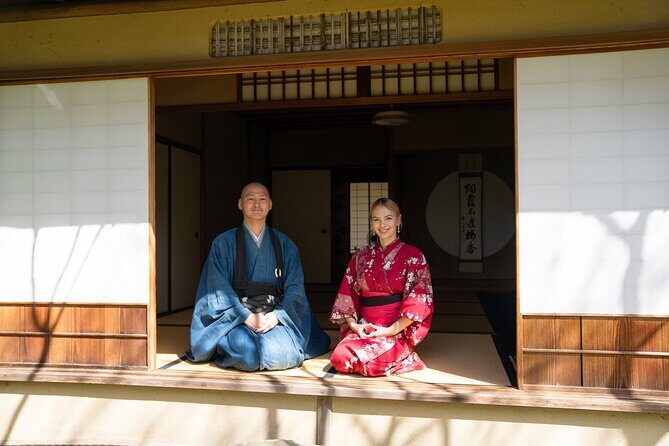
- Private temple access: you enter a place that is not open to the general public.
- A real Zazen lesson: posture, mindset, and technique are explained before you sit.
- English translation plus Q&A: ask questions after the meditation and keep the meaning clear.
- Tea ceremony finish: matcha and a sweet or snack are part of the wrap-up for many groups.
- Photos included: you can take pictures with the monk and around the temple gardens.
- Small group energy: private or small groups make it easier to connect and ask questions.
Zen in a Private Kyoto Temple: what 90 minutes of Zazen feels like
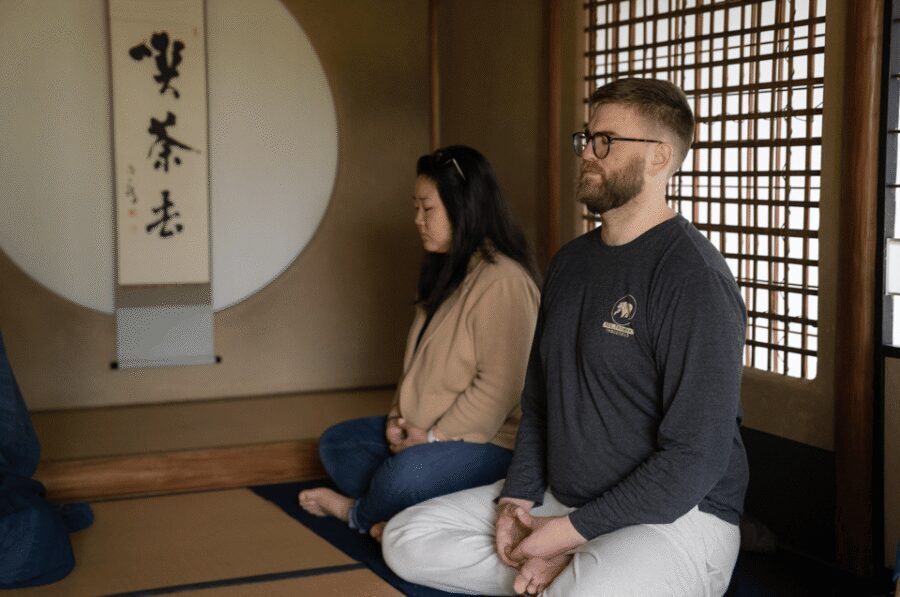
This is the kind of Kyoto experience that flips your day around. Instead of racing from gate to pagoda, you slow down and spend your morning (or chosen start time) in front of a monk with your attention on the breath. The goal is not performance. It is awareness, inner calm, and learning how to practice Zazen as a real habit, not just a one-time sightseeing moment.
I love that the structure is simple: a short cultural welcome, a monk-led explanation of Zazen, then you sit, then you talk, then you drink tea while you look at the garden. That order matters. It helps you avoid the common beginner problem of sitting first and understanding later.
The temple setting adds weight to everything. Even if you have never meditated before, the quiet atmosphere makes the lesson easier to follow. The gardens and the chance to stroll afterward are also a nice bridge between formal calm and regular Kyoto life.
You can also read our reviews of more private tours in Kyoto

Finding Kodaiji Park and your guide team (the meeting point matters)
Your start is Kodaiji Park, and the meeting point is very specific: meet at the toilet area in Kodaiji Park, on the northern side. The guide waits there, so if you are using navigation apps, double-check you are looking for the restroom marker, not just a random park entrance.
This detail matters more than it sounds. In reviews, people called out how confusing arrival can be when the meeting point is not obvious. My practical advice: arrive a bit early, and if you get a message from your guide ahead of time, follow it. You want to start calm, not sprinting while trying to look zen.
Also note the language setup. The tour guide is English-speaking, and the monk’s teaching is translated during the lecture and Q&A. If you are nervous about your listening level, that translation layer is the whole point.
The monk lecture: learning Zazen principles before you sit
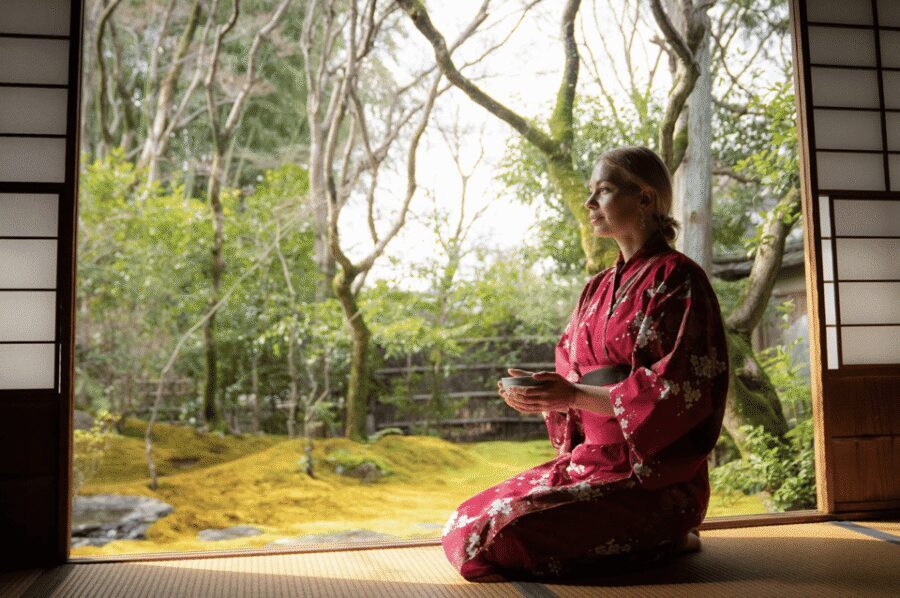
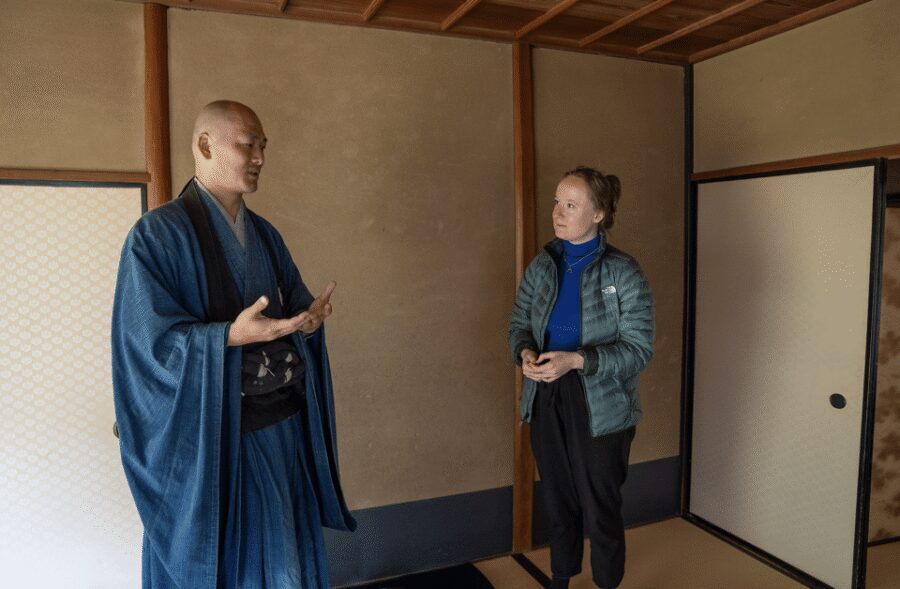
Before you meditate, you get a brief cultural orientation and an explanation of Zazen—seated meditation—delivered by the monk. Your English guide helps interpret the monk’s message, so you are not stuck guessing what the practice is meant to do.
This part is valuable because Zazen is simple in form but subtle in meaning. If you already meditate, you still benefit from hearing how a monk frames it: as a practice that unifies the mind and helps you detach from ego and worldly concerns. That framing turns the sitting from a breathing exercise into something more grounded and intentional.
You also get practical context. People mention learning proper posture and techniques, which is exactly what you need in the first session. When you know what you are aiming for—how to sit, how to stay present, and how to handle thoughts—the meditation time feels less like “hold still and hope” and more like “follow steps and notice.”
Guided Zazen practice: breath rhythm, posture, and staying present
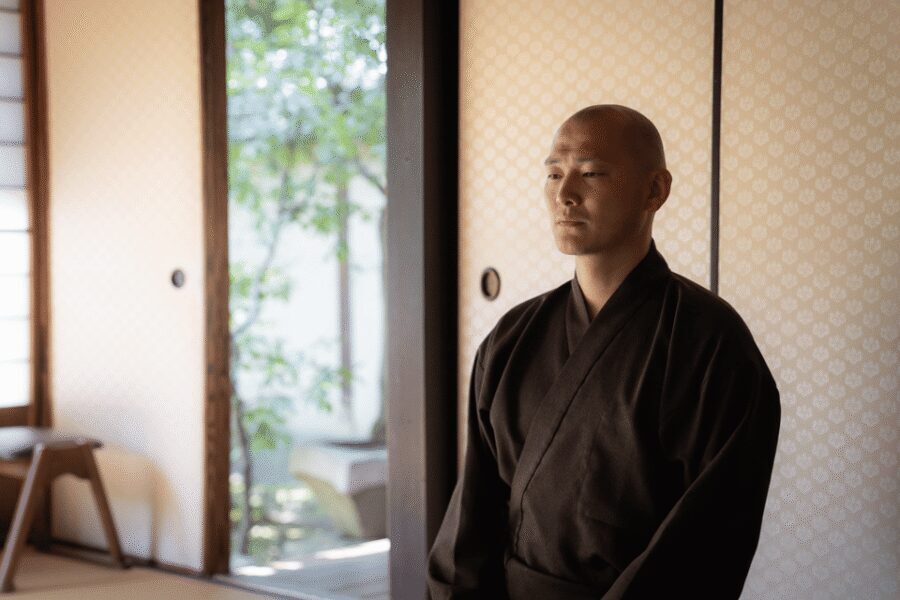
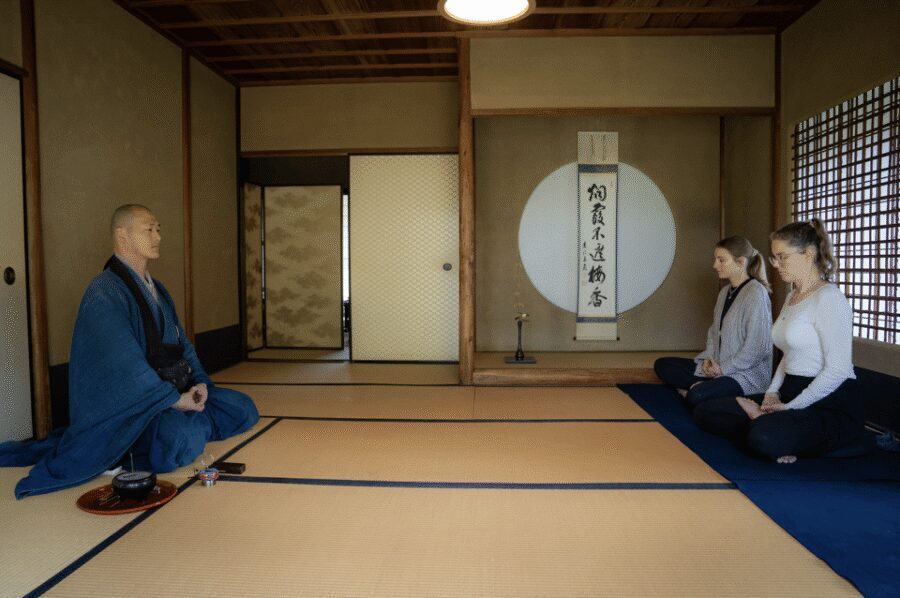
Then you do the actual sitting. The guide leads you through the meditation practice, while the monk’s guidance anchors the session. The experience emphasizes rhythmic breathing and using that rhythm as an anchor for calm.
What to expect in practice:
- You’ll focus on posture and attention, not performance.
- You’ll work with breath timing to reduce mental noise.
- You’ll confront your own mind a little—then learn how to stop wrestling it.
That “confront yourself” line can sound intense, but in real life it usually means something gentler: you notice how busy your thoughts are, and you practice returning anyway. Several participants described feeling immediately calmer once they were seated near the monk or after the guidance clicked.
For beginners, this is one of those rare “structured but not stiff” setups. You are not thrown into silence with no instruction. You get a lecture first, then hands-on guidance during the session.
If you have experience meditating, you might still find the monk-led explanation changes your approach. Reviews include people who were already meditating on their own who said this session taught them a new way to practice, including how to switch off constant mental chatter.
The temple visit and garden time: why the setting is part of the lesson
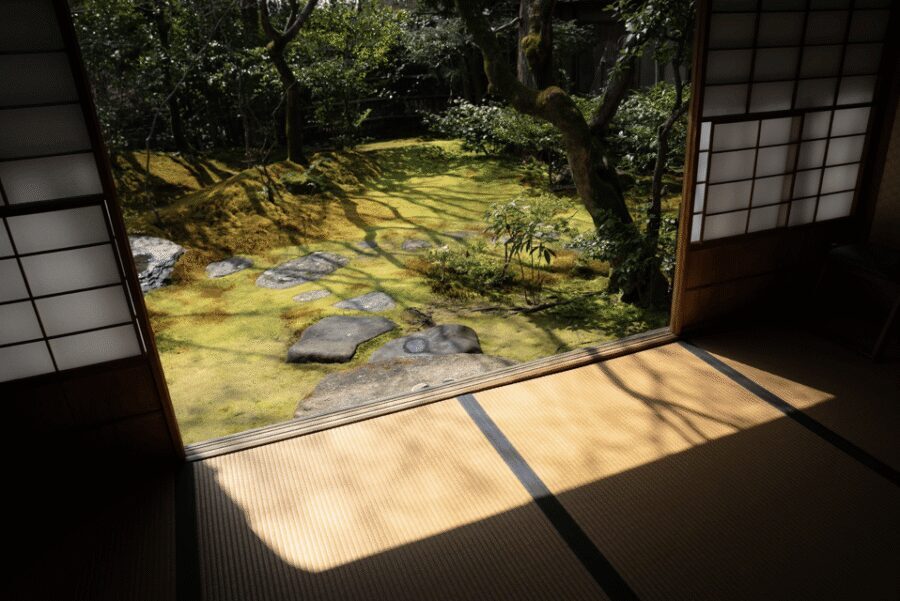
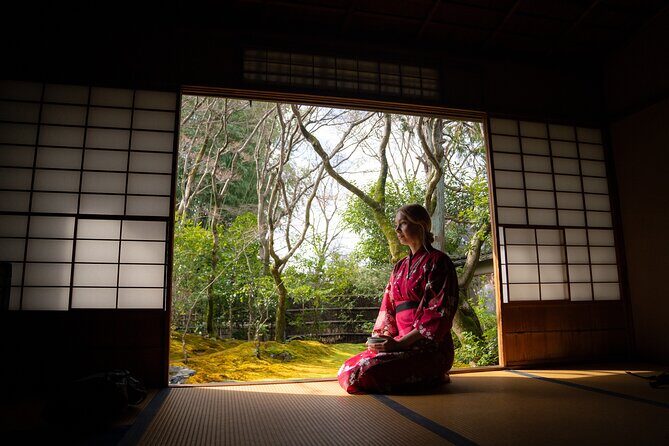
This is not just a classroom moment. You are doing it in a temple space that is quiet and scenic, with picturesque gardens you can walk through. The experience includes time to view the garden and take photos around the temple grounds.
A private temple setting changes how you experience calm. There are no crowds pushing for pictures every ten seconds, so you can actually stay with the session. One review even pointed out that an early start meant the gardens were peaceful, with fewer people around.
You may notice details like moss-like greenery in garden descriptions from past sessions, and the overall vibe tends to be contemplative and soft. If you like photography, you are not limited to one angle, either—you have a chance for photos of the temple and with the monk.
That said, this is still meditation time, so keep your phone handling respectful. You are there to practice, not to Instagram the silence.






Tea ceremony and monk Q&A: turning calm into something you can use
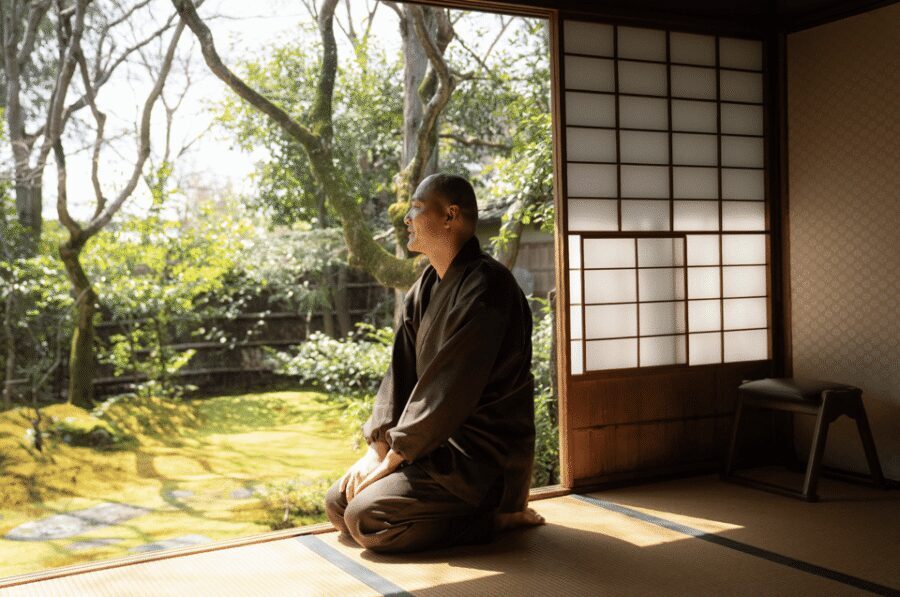
After the seated meditation, you finish with a tea ceremony and discussion with the monk. This is where the experience often earns its high ratings.
The Q&A is especially helpful because it makes the philosophy practical. People mention asking questions about meditation technique, lifestyle, and how to deal with inner concerns. If you have ever walked out of a temple tour thinking you understood the visuals but not the meaning, this section fixes that.
Tea time also gives you a controlled decompression period. You sit in the garden view while drinking tea, which feels like a soft landing after stillness. Many groups include matcha and sweet bites, which makes the tea portion feel like a real ritual, not a quick beverage stop.
If you enjoy connecting with locals, this is also the most human part. Reviews mention warm interactions with the monk—welcoming, approachable, and open to questions. Some guides have even gone beyond the session with additional Kyoto tips afterward, which is a nice bonus.
Price and value: does $91 buy real experience time?
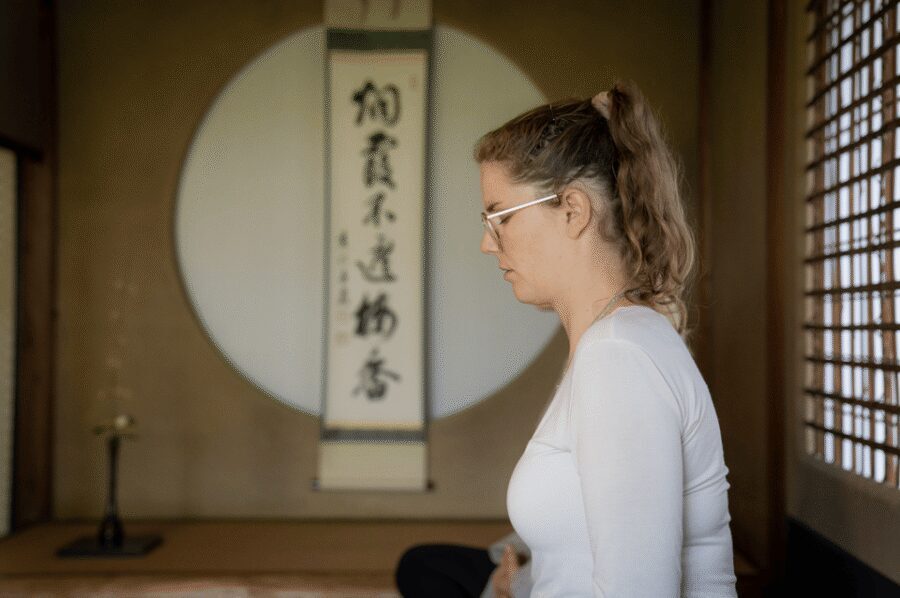
At $91 per person for 90 minutes, you are paying for three things that are hard to replicate on your own:
- Access to a temple that is not open to the public.
- A monk-led lecture plus translation during the meditation.
- A guided structure that includes posture/technique instruction and then tea + Q&A.
Is it expensive compared with a public temple ticket? Yes. But public temples in Kyoto are mostly about seeing. This is about being guided through a spiritual practice in a private setting.
You also get something that most self-guided meditation stops do not: coaching. Proper posture and breath guidance can make the difference between “I sat there” and “I learned how to practice.”
The biggest “value risk” is time. If your goal is pure sightseeing, 90 minutes may feel short. If your goal is a calm reset and meaningful cultural contact, the time feels just right. The session is long enough to change your state of mind, and short enough to fit into a Kyoto itinerary without turning your whole day into a silent retreat.
Who this suits best (and who should rethink it)
This experience fits best if you want:
- A structured introduction to Zazen, even if it is your first time.
- An environment quieter than the usual Kyoto crowd flow.
- A chance to ask questions of a monk with English translation.
- A calm morning or afternoon break that does not require any special skills.
It is not the right match if any of these apply:
- Children under 12 (not suitable).
- Mobility impairments (not suitable).
- Claustrophobia (not suitable).
- Fear of heights (not suitable).
One more note: you will sit and listen. Even though it is beginner-friendly, you still need patience and a willingness to stay present.
If you are traveling with someone who loves mindfulness and you want a shared “we did something real” moment, this is a strong pick. Reviews also describe intergenerational comfort, with even teenagers finding it accessible.
Tips to get the most out of the session
A calm session is helped by small choices before you arrive:
- Wear comfortable clothes that let you sit without fuss.
- Plan to arrive early at the Kodaiji Park restroom meeting point so you do not start stressed.
- Keep your phone out unless you are in the photo moments. The practice deserves attention.
- Go in with one or two questions. After meditation, ask what you actually want to understand: posture, focus, dealing with thoughts, or how to practice at home.
- If you are sensitive to nerves about meditation, remember the guide will translate and walk you through the basics first.
Also, if you are booking private or small group options, that can matter. With fewer people, it is easier to connect and ask personal questions without rushing.
Should you book this Kyoto Zen Meditation session?
I’d book it if you want a real practice moment in Kyoto, not just temple photos. The combination of monk-led Zazen, English translation, and a finish with tea plus discussion creates a full arc—from explanation to practice to understanding. At $91, you are paying for access, coaching, and a quieter temple setting that supports actual calm.
I would skip it if your main goal is high-energy sightseeing or if you know you cannot handle sitting-focused activities. And if you have any of the stated concerns—mobility, claustrophobia, fear of heights—choose something that fits your comfort.
If your Kyoto plan includes a lot of walking, this is a smart counterbalance. Instead of adding miles, you add stillness. And in Kyoto, that kind of contrast can be exactly what makes the day memorable.
FAQ
Where is the meeting point?
Meet at the toilet at Kodaiji Park, and the guide waits on the northern side of the toilet.
How long is the experience?
The session is 90 minutes.
Is there an English guide?
Yes. The tour includes a live English-speaking guide who translates the monk’s teaching.
Do I need experience meditating?
No. It is designed as an introduction to Zazen, including instruction and practice, so beginners can participate.
What is included in the experience?
It includes the Zen experience, entry to the temple, a lecture on Zen meditation principles and techniques, and Zazen practice.
Is transportation included?
No. Transportation is not included.
Who should not book this?
It is not suitable for children under 12, people with mobility impairments, those with claustrophobia, or people afraid of heights.
If you want, tell me your travel month and whether you prefer morning or evening activities, and I’ll suggest a Kyoto day plan that pairs this with nearby sights without stealing your calm.