REVIEW · KYOTO
Let’s make only one original onigawara in the world!!
Book on GetYourGuide →Operated by Kawarakoubouyouya · Bookable on GetYourGuide
A demon-face roof tile in 2 hours.
What makes this workshop special is that you actually make your own onigawara by hand, then watch the tradition connect to real craft work at Kawarakoubouyouya. It is also genuinely reassuring that the host teaches a step-by-step procedure, so the project feels doable even if your hands are not naturally “clay hands.”
The one thing to consider: the finished piece comes back to you later. After firing, it is shipped home, and it takes 1–2 months to change to the traditional silver color and arrive.
In This Review
- Key Highlights You’ll Feel Right Away
- A Demon-Face Roof Tile You Hand-Shape in 2 Hours
- Why Onigawara Protects Roofs for 1,400 Years
- Clay Bench to Finished Monster: The 2-Hour Flow
- Start by building the form by hand
- Make the demon face tile the traditional way
- Drying and prep for the kiln step
- The Kiln Step and the 1–2 Month Silver Transformation
- Price and Shipping: What You Pay for, What You’ll Add
- What to Wear, Who It Suits, and How Hard It Really Is
- Meeting Point at KAWARAKOUBOUYOUYA: Easy to Find, One Small Gotcha
- The Most Praised Parts: What You’ll Want to Pay Attention To
- Should You Book This Onigawara Workshop?
- FAQ
- How long is the onigawara workshop?
- Where do I meet for the experience?
- How much does it cost?
- Is shipping included in the price?
- When will my fired onigawara arrive?
- What languages are available during the class?
- Is the workshop wheelchair accessible?
- Is this a small group activity?
- What is the cancellation policy?
- Do I need to wear special clothing?
Key Highlights You’ll Feel Right Away
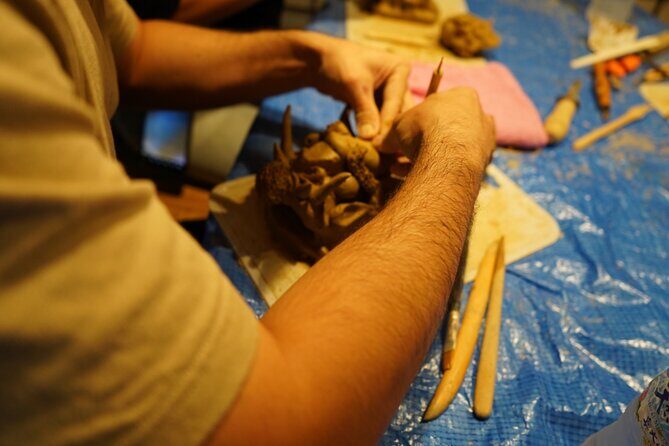
- Handmade onigawara: you shape the demon face tile pieces yourself
- Soil-to-monster process: you work with soil and follow a procedure the host developed
- Kiln firing happens for you: the workshop fires the tile after you build it
- Silver-color transformation timeline: the traditional look comes after 1–2 months
- Small group, up to 5: plenty of guidance without feeling crowded
- English and Japanese support: the host can guide you in both languages
A Demon-Face Roof Tile You Hand-Shape in 2 Hours
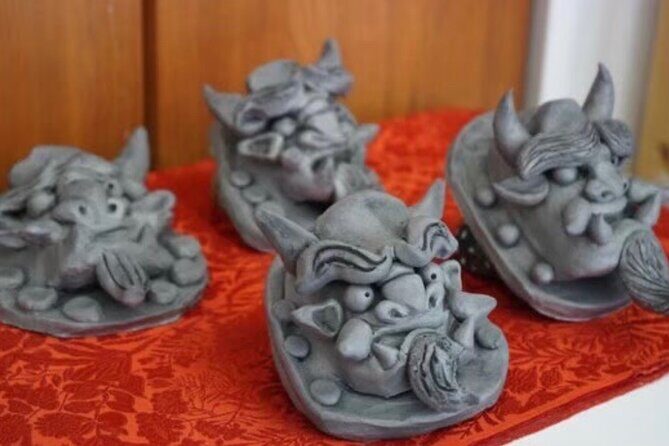
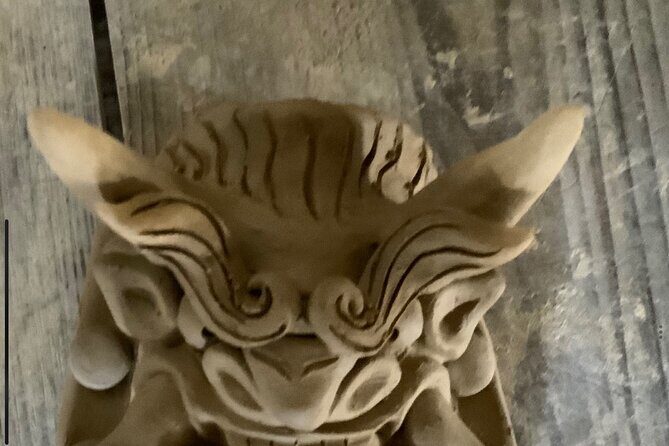
If you like experiences where you leave with something you made—not just a photo—this one lands. In a couple hours, you create a small handmade onigawara tile with a demon face design, the kind used on Japanese roofs to ward off bad luck and protect against weather.
I especially like the tone of the class. The workshop is not about pretending you are an artist from day one. It is about learning a craft method and getting the pieces together so you can actually finish. That is exactly what you want in a short trip activity.
Also: this is not a “watch and leave” session. You work at a clay station, you build the forms, and you get a real sense of how much of the result comes from careful assembly and patience.
You can also read our reviews of more tours and experiences in Kyoto.


Why Onigawara Protects Roofs for 1,400 Years
Onigawara are traditional roof ridge tiles from long ago. They often feature carved or molded faces—ogres and gargoyles—placed at the ends of major roof ridges. The purpose is practical and protective: they were believed to help keep evil away and also protect roofs from rainwater.
This is the kind of tradition that can sound abstract until you touch it. Once you are shaping the face parts, you understand the appeal. It is folk protection turned into a real object that sits high up where it can do its job.
The workshop frames it as more than decoration. You are making a small version of a protective symbol that has stayed in use through centuries, and you are doing it with the same kind of hands-on thinking your ancestors relied on.
Clay Bench to Finished Monster: The 2-Hour Flow
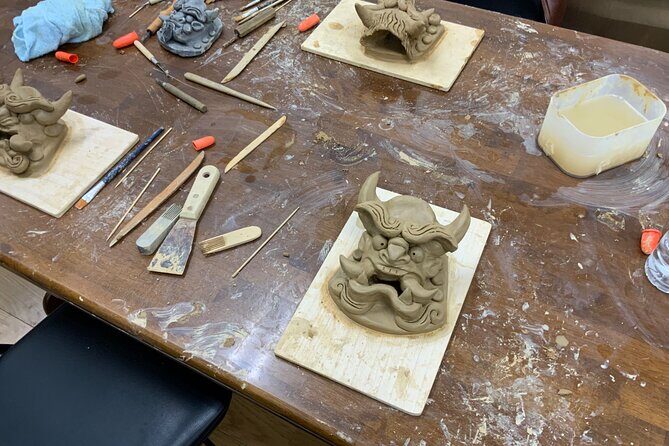
Plan on a 2-hour session, in a small group limited to 5 participants, with English and Japanese support. The pacing is built around doing one step at a time, not rushing you through.
Here is the rhythm you can expect.
Start by building the form by hand
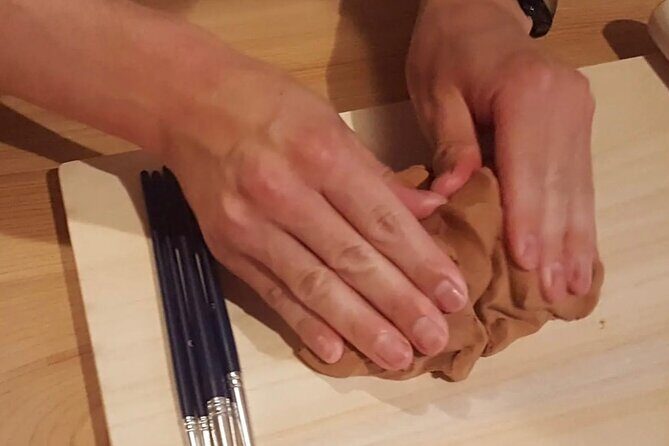
You begin with clay/soil at a station set up for the group. The host walks you through each step and shows how to shape and adjust the parts so they stay together.
This matters because onigawara are not just flat tiles. You are building a small figure/tile assembly with distinct components that need to line up.
Make the demon face tile the traditional way
You learn how to create a “small, simple onigawara tile” using the demon face style. The class focuses on getting the pieces right—manipulating the clay, forming parts, and assembling them as you go.
One useful detail: this is presented as something that used to be difficult, and the host’s point is that the experience is made manageable through their developed procedure. Translation: even if you feel clumsy, you are not automatically out of the running.




Drying and prep for the kiln step
By the time you are done, your tile figure is assembled. Then the kiln process takes over. Your job is to create the best base you can, following the guidance in the room.
You will also want to keep in mind that the workshop uses soil, so you should treat this like a hands-on craft day, not a delicate souvenir purchase.
The Kiln Step and the 1–2 Month Silver Transformation
Here is where the experience changes from “class” to “craft process.”
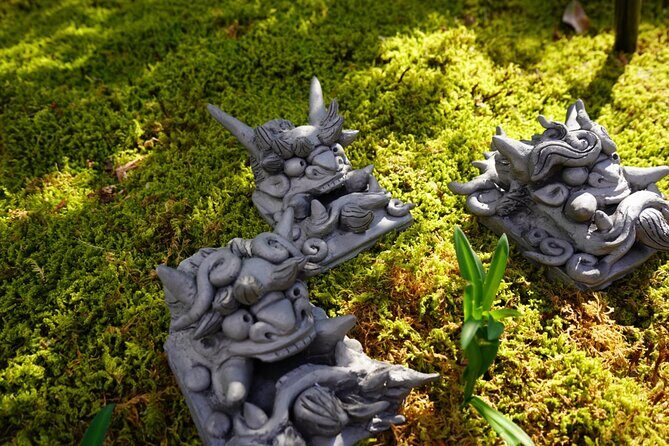
After you finish your onigawara, the workshop fires the tile in a kiln at the factory. That firing is what sets the clay work into a durable finished piece.
Then comes the part most people will not expect: the classic look arrives later. The process includes time for the tile to develop the traditional silver color, and the final piece is sent to you after 1–2 months, when it changes and arrives.
Why that timeline is worth knowing: if you buy this as a trip keepsake, it works better as a memory you’ll get later, not something you hang on the wall the same week you visit.
Price and Shipping: What You Pay for, What You’ll Add
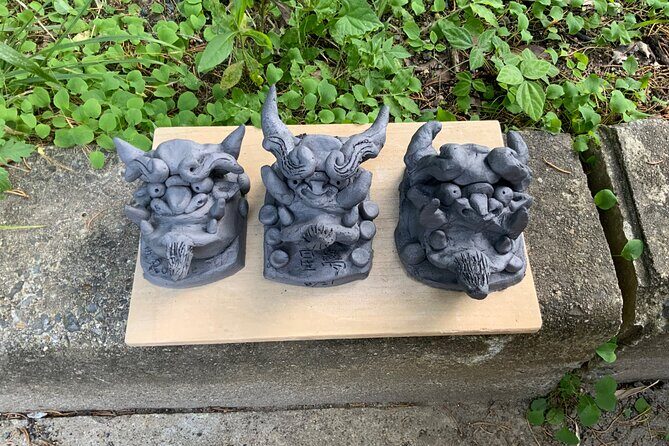
The workshop price is $90 per person for a 2-hour session. For craft experiences, that is a fair baseline because the service includes teacher guidance plus kiln firing.
What is not bundled is shipping. The instructions make it clear that shipping is handled separately, and you pay the shipping fee on the day. After firing, they send it to your home.
So when you decide if this is good value, think of it like this: you are paying for the lesson, the materials setup, and the kiln firing service. You are paying extra to deliver the finished tile to your address later.
If you hate the idea of waiting, this could feel like a trade-off. If you like the idea of a craft object arriving months later as a built memory, it is part of the charm.
What to Wear, Who It Suits, and How Hard It Really Is
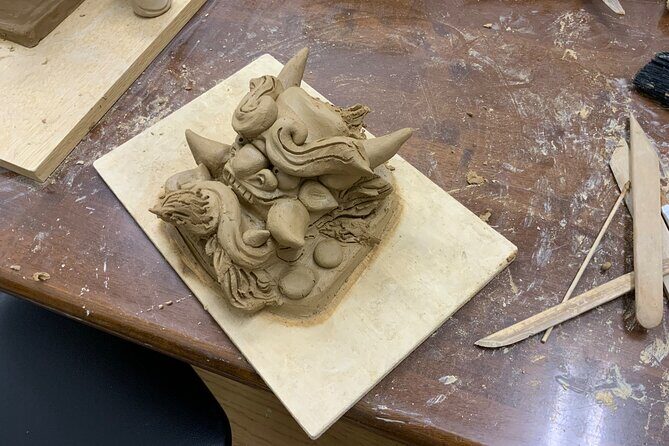
This is a soil-based workshop. The practical takeaway is simple: wear clothes that can get dirty. You will be working hands-on, and you do not want your best outfit anywhere near the clay.
Skill level: the workshop is designed to be friendly to different ability levels. It specifically notes that even children or people with clumsy hands can make an onigawara, thanks to the host’s procedure.
Who it suits best:
- You want a hands-on cultural craft with a clear end product
- You like Japanese roof traditions and want to connect with the meaning through making
- You want a small-group setting where you can ask questions without shouting
- You are traveling with kids and want an activity that still feels authentic
Who might think twice:
- You need an immediate souvenir in hand today
- You are sensitive about mess or sitting down with soil/craft materials
Meeting Point at KAWARAKOUBOUYOUYA: Easy to Find, One Small Gotcha
You meet at KAWARAKOUBOUYOUYA, the host’s shop. The instructions say to search on Google Maps.
One practical note that can save you time: the Google Maps pin may be off by around 40 meters to the east, so if the first spot looks wrong, walk that short distance and re-check.
Once you are there, the workshop setup is the key. Expect your station with clay/soil ready for your group, and a relaxed but focused teaching style so you can get through the steps.
The Most Praised Parts: What You’ll Want to Pay Attention To
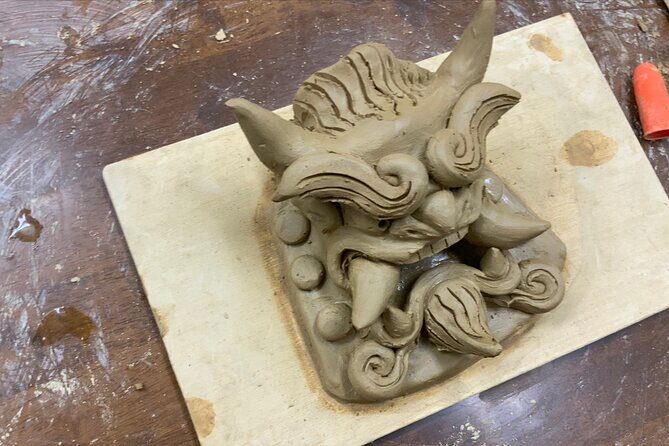
The craft works best when you lean into the guidance rather than trying to freehand everything. The strongest moments come from three things:
First, the teacher is patient and methodical. You get step-by-step direction, so you know what to do next instead of guessing.
Second, the pace supports concentration. People tend to focus hard on fitting pieces together correctly. That is where the satisfaction hits—you finish with something that actually looks like what you set out to make.
Third, the whole experience is a nice reset from the usual tourist routine. It is quiet, hands-on, and creative, and it gives you time away from constant walking and decision-making.
Should You Book This Onigawara Workshop?
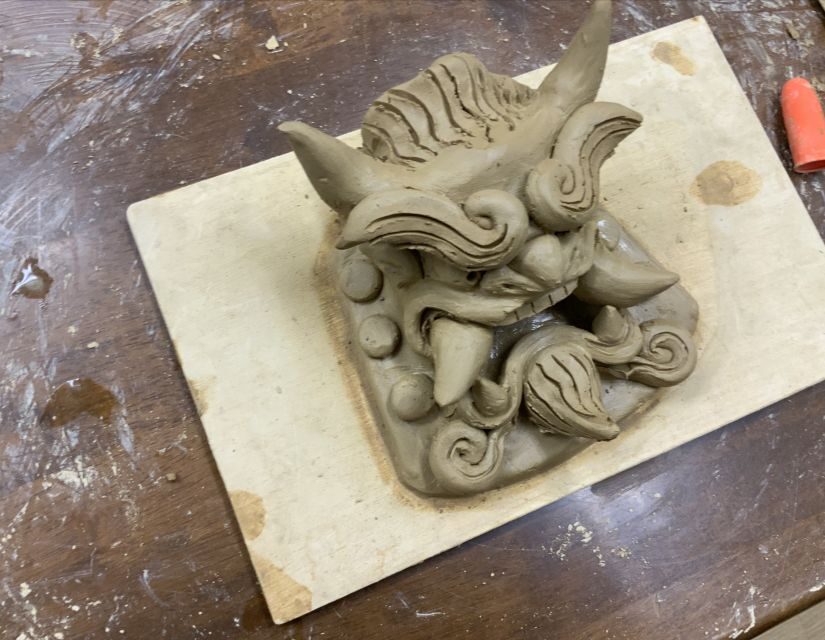
I think this is an excellent pick if you want a Japanese craft that feels real, not packaged. The biggest reason to book is the combination of hands-on making plus the workshop taking care of the kiln firing. You get to participate fully, then the process continues after you leave.
Book it if:
- you want a meaningful souvenir connected to Japanese roof tradition
- you like making things with your hands
- you are okay waiting 1–2 months for the silver transformation and shipment
Skip it if:
- you need the finished item immediately
- you do not want to wear clothes that might get dirty
- you are trying to keep the total spend super tight once you factor shipping
If you do book, I’d treat it like a craft session, not a photo stop. Wear old clothes, listen closely to the step-by-step method, and slow down enough to get the parts lined up. That is the difference between a tile you made and a tile you are genuinely proud to receive.
FAQ
How long is the onigawara workshop?
It lasts 2 hours.
Where do I meet for the experience?
You meet at KAWARAKOUBOUYOUYA. Search for it on Google Maps.
How much does it cost?
The price is $90 per person.
Is shipping included in the price?
No. After firing, they will send your onigawara to your home, but shipping is paid separately (the fee is charged on the day).
When will my fired onigawara arrive?
After firing, it takes 1–2 months for it to change to the traditional silver color and arrive.
What languages are available during the class?
The host/guidance is available in English and Japanese.
Is the workshop wheelchair accessible?
Yes, it is listed as wheelchair accessible.
Is this a small group activity?
Yes. The group is limited to 5 participants.
What is the cancellation policy?
You can cancel up to 24 hours in advance for a full refund.
Do I need to wear special clothing?
Because the experience uses soil, wear clothes that may get dirty.