REVIEW · ARASHIYAMA TOURS
Explore Arashiyama Bamboo Forest with Authentic Zen Experience
Book on Viator →Operated by TripGuru · Bookable on Viator
Quiet beats crowds in Arashiyama. This tour pairs the Arashiyama Bamboo Forest with a guided Zen experience at Daihikaku Senkoji, plus tea and big viewpoint rewards.
I love how the monk-led meditation and chanting are explained in a way you can actually follow, with guides such as Miyake (also referred to as Miya) helping translate the experience. I also love the pace and route: you walk from landmarks like Togetsukyo Bridge up toward mountaintop views over Kyoto, Arashiyama, and the Hozu River valley. One caution: the temple climb takes energy and endurance, so bring solid shoes and expect a bit of uphill effort.
In This Review
- Key highlights you will feel right away
- Zen practice above Kyoto, not just bamboo photos
- Price and logistics: what you get for about $114
- Meeting at Saga-Arashiyama and finishing by Randen Keifuku
- Stop 1: Bamboo Forest plus Togetsukyo Bridge for a calmer first act
- Stop 2: Nonomiya Shrine, Buddhism conversations, and viewpoint building
- Stop 3: Kameyama area paths and a traditional tea ceremony reset
- Stop 4: Daihikaku Senkoji Zen mountain temple experience
- Stop 5: Kimono Forest at Randen Keifuku plus snacks and foot bath
- What the Zen instruction is really like (and how to get the most)
- Who this tour fits best
- Quick tips to make the day easier
- Should you book this Zen Bamboo Forest experience?
- FAQ
- FAQ
- What is the duration of the Arashiyama Bamboo Forest and Zen experience?
- Where does the tour start and what time does it begin?
- Where does the tour end?
- What is included in the tour price?
- Are admission tickets included for the stops?
- Is hotel pickup or drop-off included?
- Is this tour only for my group?
- What is the cancellation policy?
Key highlights you will feel right away
- Monk-led Zen practice: meditation and sacred chants, with English guidance so you are not guessing
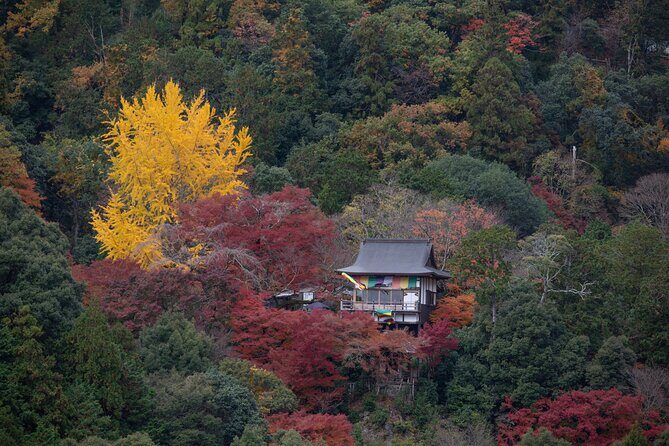
- Daihikaku Senkoji mountaintop views: Kyoto and the Hozu River valley feel close, not far
- A tea ceremony break in the Kameyama area: a calm reset between forests and viewpoints
- Scenic Arashiyama walking route: Togetsukyo Bridge and mountain paths give the tour meaning
- Randen Keifuku Arashiyama finish: Kimono Forest visuals plus an easy, practical end-of-day unwind
Zen practice above Kyoto, not just bamboo photos
This is one of those Arashiyama tours that feels built for your mind as much as your camera. The iconic Bamboo Forest is just the opener. The real point is what happens after you step away from the busiest spots and toward the Zen layer of Arashiyama, where practice and quiet matter more than photo angles.
The Zen experience centers on Daihikaku Senkoji, a mountain temple, and it is not a vague talk. You get instruction for meditation and sacred chants with a qualified monk, and your guide helps translate so you understand what you are doing, not just that something ritual-like is happening. That translation piece matters in Kyoto, where the details can be easy to miss if you only rely on vibes.
And then you earn the scenery. As you move through shrines, mountain paths, and temple grounds, you end up with panoramic views that explain why people came here to slow down in the first place. Arashiyama is pretty from street level, but from the temple height it changes from scenery to perspective.
You can also read our reviews of more tours and experiences in Kyoto.

Price and logistics: what you get for about $114
At around $114 for an approximately 4-hour private/group-style tour, the value comes from three things: the monk-led Zen session, the guided translations, and the extra time built into the hike and viewpoint stops.
You also get some practical support:
- English-speaking tour guide included
- Snacks included
- Mobile ticket for smoother entry
- Group discounts (useful if you are sharing the cost)
What is not included is equally important for planning: there is no hotel pickup or drop-off, and personal expenses are on you. So the smartest move is to base yourself near public transit and treat this like a focused afternoon plan rather than an all-day Kyoto shuffle.
Logistically, it runs on a set start time: 12:00 pm. It begins at Saga-Arashiyama Station and ends at Randen Keifuku Arashiyama station. That end point is handy. You are not stuck backtracking across town after the climb.
Meeting at Saga-Arashiyama and finishing by Randen Keifuku
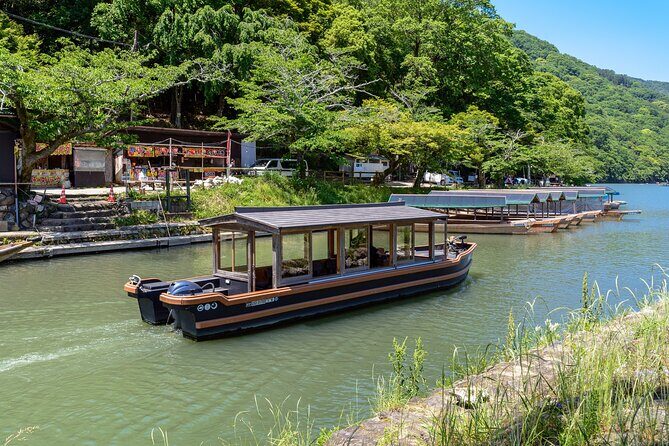
If you have visited Kyoto before, you know stations can be a mini maze. The good news here is the route is anchored to clear rail stops.
- Start: Saga-Arashiyama Station (address listed for the meeting point)
- End: Randen Keifuku Arashiyama station
That matters because it shapes how you pace the day. You can arrive, get moving, and then stop when the tour ends without wasting time on transit gymnastics. Also, ending at Randen Keifuku pairs nicely with a relaxed late-morning-to-afternoon rhythm in Arashiyama, since you can follow up with nearby snacks or a casual stroll.
The tour includes walking and a mountaintop climb, with guidance aimed at people with moderate physical fitness. You do not need to be a trail athlete, but you should be comfortable with uphill movement and stairs.
Stop 1: Bamboo Forest plus Togetsukyo Bridge for a calmer first act
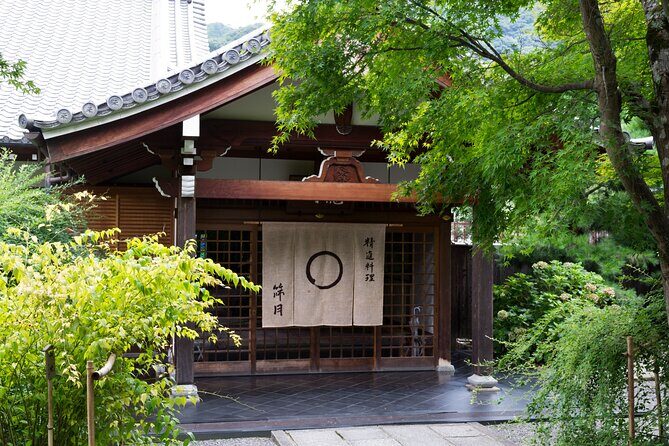
The first stop is the Arashiyama Bamboo Forest, the headline everyone recognizes. You get time to walk through it and take in the tall stalks and the hushed feel that makes the area famous.
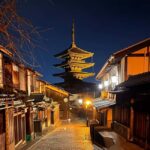
What I like about this portion is what comes before you go fully into bamboo mode: you also get the street-level context of Arashiyama’s main area and historic Togetsukyo Bridge. That little setup helps you understand why people cross here and what the river corridor means.
The downside? Bamboo Forest timing. Even when you are not there at the absolute peak, the area can attract crowds. A short time limit (around 30 minutes) means you should go with a plan:
- spend your first minutes looking up and around, not just straight ahead
- use the guide’s direction for where to linger
- resist the urge to stop in the busiest pinch points
This stop is free on admission ticket terms in the schedule, so your main cost is energy and attention, not fees.
Stop 2: Nonomiya Shrine, Buddhism conversations, and viewpoint building
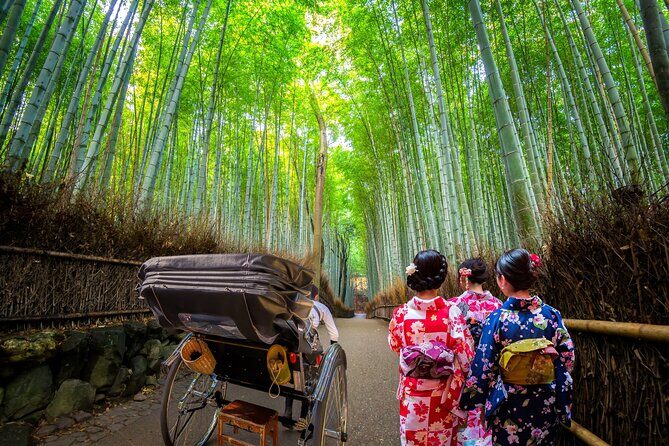
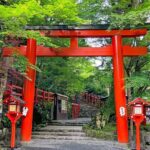
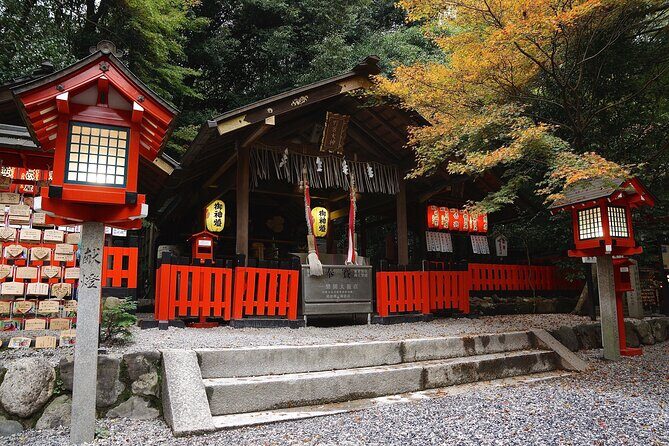
Next comes Nonomiya Shrine, a step away from bamboo and toward meaning. The focus here is not just walking; it is conversation and Buddhist teachings. You get time for your guide to share context and for you to ask questions, which makes shrine visits in Japan feel less like checklist tourism.
Then comes the physical payoff. You ascend toward the mountaintop Daihikaku Senkoji area and you start to see how the valley opens up. The viewpoint isn’t just a reward for the climb; it also helps you map the space you are moving through. When Kyoto is spread out below you, everything changes from streets and signs into a landscape of rivers, hills, and temple rooftops.
This stop is also scheduled around 30 minutes. That is a good length for a shrine-and-view segment. Too short and you miss the explanation; too long and you lose the momentum toward the temple experience, which is the real centerpiece.
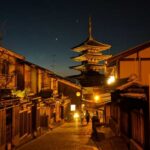
Stop 3: Kameyama area paths and a traditional tea ceremony reset
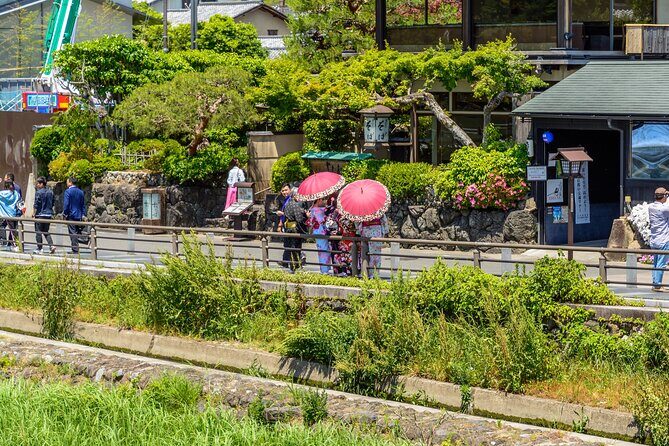
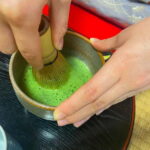
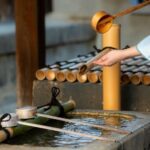
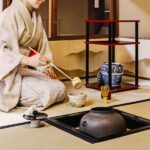
In the Arashiyama Park, Kameyama area, you get something many bamboo-focused tours skip: a calm intermission. The tour includes a traditional tea ceremony, set among the quiet surroundings before you continue toward the famous bamboo segment and the next temple portion.
Tea here is more than a drink stop. It is a small lesson in pause. After walking, climbing, and absorbing sights, the ceremony gives you an ordered moment to slow your breathing and reset your attention. If you are the type who gets mentally overloaded while traveling, this is a welcome pacing tool.
This segment also includes an extra walk through older-feeling paths and an ancient bamboo grove portion leading toward Arashiyama-Kameyama Park. That means you are still outside, still moving, but not in a nonstop grind.
One small caution: because you are doing tea plus a continued climb, plan to keep your layers manageable. Kyoto afternoons can shift in temperature, and it is easier if you can adjust your clothing rather than commit to one heavy outfit for the whole walk.
Stop 4: Daihikaku Senkoji Zen mountain temple experience
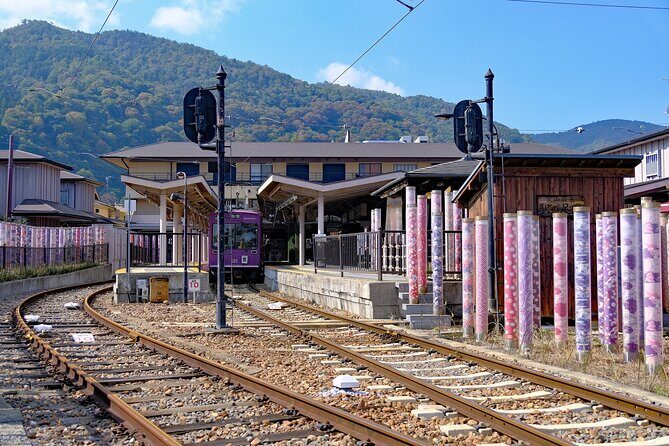
This is the part you will remember long after the photos. At Senko-ji Temple (focused on the Daihikaku Senkoji mountain temple experience), the tour time extends to about 1 hour 30 minutes, and the emphasis shifts from sightseeing to practice.
You are engaged with the monk’s instruction: meditation teaching and sacred chants. The translation support makes a real difference. You can follow what you are supposed to do, and you understand what you are hearing, instead of just experiencing sound and posture as mystery.
I also appreciate the way the schedule ties the practice to the environment. Being on a mountain temple site means you feel the space: air changes, sounds carry differently, and the views act like a natural reminder to stay present. When your mind is busy with travel logistics, that setting helps you come back to the moment.
The viewpoint component is also built in. You can see Kyoto, Arashiyama, and the Hozu River valley. That panoramic angle is not just pretty. It explains why so many religious traditions connect practice with nature, silence, and height.
Physical note: the route requires a climb, and even with a guide, you should treat it like a real hike. In reviews, people explicitly called out that the climb took energy. Plan for a slower pace, and give yourself permission to take breaks without rushing.
Stop 5: Kimono Forest at Randen Keifuku plus snacks and foot bath
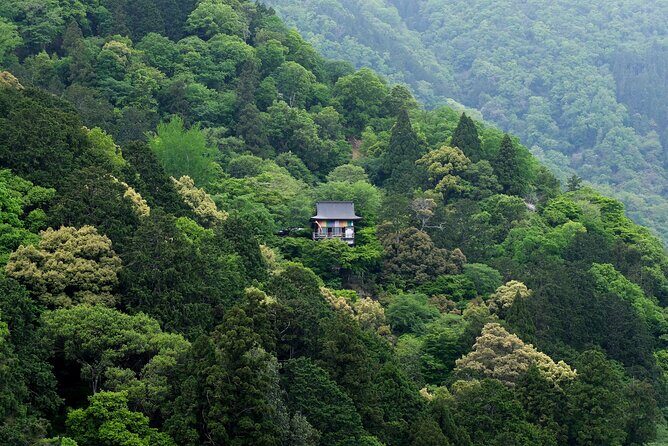
After the temple, you get a lighter final chapter: the Randen Keifuku Arashiyama station area, including Kimono Forest visuals. This is where the tour eases back into easy sightseeing.
Kimono Forest is focused on patterned display visuals, and it is a friendly place to breathe after the climb. You also get time at the station zone for traditional Japanese snacks and a foot bath. That foot bath matters more than you think when your day includes uphill walking and temple steps. It is a practical recovery stop that helps you enjoy the rest of your afternoon instead of feeling cooked.
Admission terms for this portion are listed as free, and your main cost is still your time and appetite. If you are snack-motivated, this is a good moment to reward yourself before you move on from Arashiyama.
What the Zen instruction is really like (and how to get the most)
The heart of this tour is the Zen practice. Here is what you should do to get the most value out of it:
- Follow your guide’s translation closely so you understand what meditation and chanting are asking you to do
- Treat it as a practice session, not a performance. Your posture and focus matter more than interpreting every word
- Use the environment. The mountain setting and viewpoint naturally encourage slower breathing
In reviews, people highlighted that the monk session felt isolated and meaningful, and that the guide’s translations made it understandable. That is exactly what you should look for: a session where you can participate, not sit outside the experience.
If you are worried about not being spiritual enough, don’t. This kind of guided instruction is a beginner-friendly on-ramp. You do not need prior knowledge; you need patience, quiet, and a willingness to listen.
Who this tour fits best
This tour is a strong match if you:
- want more than bamboo photos and want a real Zen component
- like guided context, especially for shrines and temples
- can handle a moderate physical climb without needing long rests
- value a structured afternoon plan with a clear start and end
It may feel less ideal if you:
- hate uphill walking and prefer flat routes
- want lots of free wandering time without a schedule
- are expecting a purely sightseeing tour with minimal guided instruction
Because it ends at Randen Keifuku Arashiyama station, it is also good if you plan to continue exploring Arashiyama after you finish.
Quick tips to make the day easier
These are practical moves that match the tour’s flow:
- Wear grippy shoes for temple stairs and mountain paths
- Bring a light layer for temperature shifts during the climb
- Keep your camera ready, but give the Zen session your full attention first
- If you get traffic-stressed easily, focus on the route and let the guide pace you
Also, since the tour starts at 12:00 pm, you avoid some of the earliest-morning rush, but you still need to plan for Arashiyama crowds at the Bamboo Forest. Your best strategy is to move with the group and take your time where the guide tells you it matters.
Should you book this Zen Bamboo Forest experience?
If you want Arashiyama with depth, not just scenery, I think this is a very solid choice. The best reason to book is simple: you are paying for a monk-led Zen meditation and chant session at Daihikaku Senkoji, and you get translation support and a thoughtful walking route that links bamboo, shrines, tea, and viewpoints.
Book it if you are okay with a real climb and you like guided explanations that make temple culture understandable. Skip it if you are looking for a mostly flat, casual stroll with lots of downtime.
If you do book, go in with one mindset: treat the bamboo as the entrance, and treat the temple practice as the main event. That shift is what turns a popular Kyoto stop into a calmer, more memorable afternoon.
FAQ
FAQ
What is the duration of the Arashiyama Bamboo Forest and Zen experience?
The tour is approximately 4 hours.
Where does the tour start and what time does it begin?
It starts at Saga-Arashiyama Station at 12:00 pm.
Where does the tour end?
The tour ends at Randen Keifuku Arashiyama station.
What is included in the tour price?
Included are an English-speaking tour guide, the Daihikaku Senkoji Zen mountain temple experience, and snacks.
Are admission tickets included for the stops?
The itinerary indicates admission tickets are free for several stops, and the Senko-ji Temple admission is included.
Is hotel pickup or drop-off included?
No, hotel pickup and drop-off are not included.
Is this tour only for my group?
Yes. It is listed as a private tour/activity, with only your group participating.
What is the cancellation policy?
You can cancel for a full refund up to 24 hours before the experience starts. If you cancel less than 24 hours in advance, the amount paid is not refunded.