REVIEW · TEA CEREMONY EXPERIENCES
Kyoto: Quiet and Graceful Tea Ceremony
Book on Viator →Operated by Omotenashi tea ceremony 南茶道教室 · Bookable on Viator
Tea in Kyoto should be quiet.
This 45-minute Kyoto tea ceremony at Omotenashi Tea Ceremony 南茶道教室 feels like a reset button: you get a tea master-led matcha ritual in a serene private setting, with traditional sweets and time to take part, all capped at a small group size.
One thing to plan around: kimono rental isn’t included, and photography is restricted during the tea performance.
In This Review
- Key highlights worth your attention
- Kyoto tea ceremony in a private Omotenashi house
- Price and what you truly get for $56.49
- Finding the meeting point in Nakagyo (and when to arrive)
- How the 45 minutes unfold: etiquette, utensils, and your turn
- Entering and sitting properly
- Watching the tea master’s precise steps
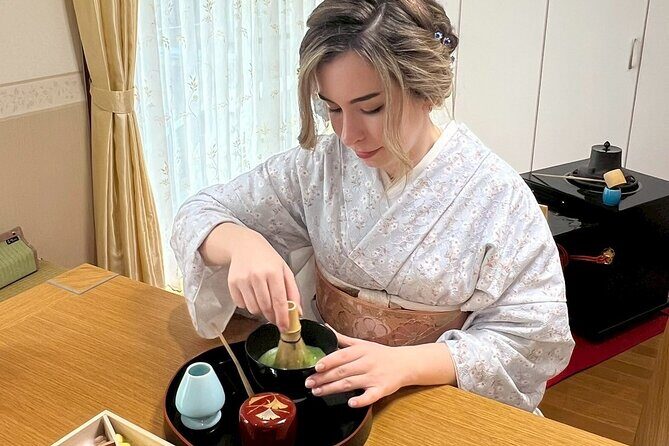
- Getting hands-on with matcha
- Questions near the end
- The matcha ritual: what you’re learning (and why it’s different)
- Utensils and method
- Your whisking moment
- Seasonal sweets and how to taste matcha without rushing
- Group size, room comfort, and the photo rules that matter
- What you might miss if you want a costume moment
- Room temperature reality
- Who should book this Kyoto tea ceremony (and who should skip)
- Should you book Omotenashi Tea Ceremony in Kyoto?
- FAQ
- How long is the Kyoto tea ceremony?
- What’s the maximum group size?
- What’s included in the experience?
- Do I learn to prepare matcha myself?
- Is kimono rental included?
- Are photos or videos allowed?
- Where is the meeting point?
- Is free cancellation available?
- Do I use a mobile ticket, and can I bring a service animal?
Key highlights worth your attention
- Small group, big calm with a maximum of 8 travelers
- Hands-on matcha where you learn steps and get to whisk your own
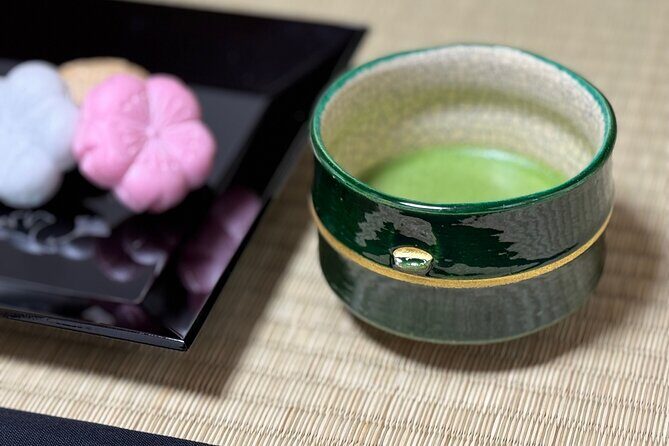
- Kyoto matcha and seasonal sweets included, not just a sip and a smile
- Tea etiquette coaching so you know how to sit and participate properly
- Quiet rules for the room (no photos during the tea performance)
- Clear English explanations sometimes from hosts praised for making the ritual understandable, including a standout named Mai
Kyoto tea ceremony in a private Omotenashi house
Kyoto is the place where tea culture feels most practical. Not the touristy kind where everyone rushes for the picture. This experience is built around stillness, careful movements, and learning why each step matters.
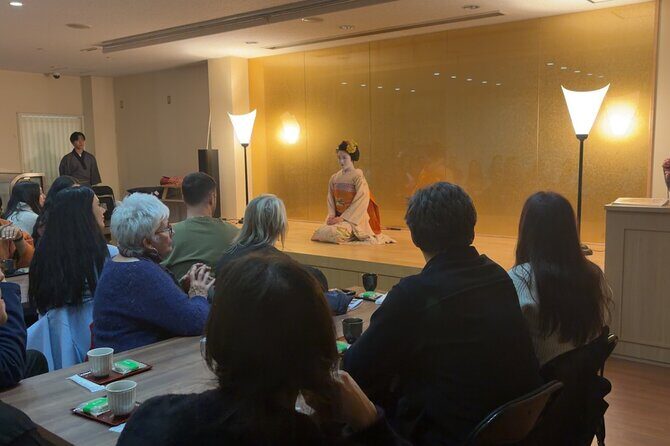
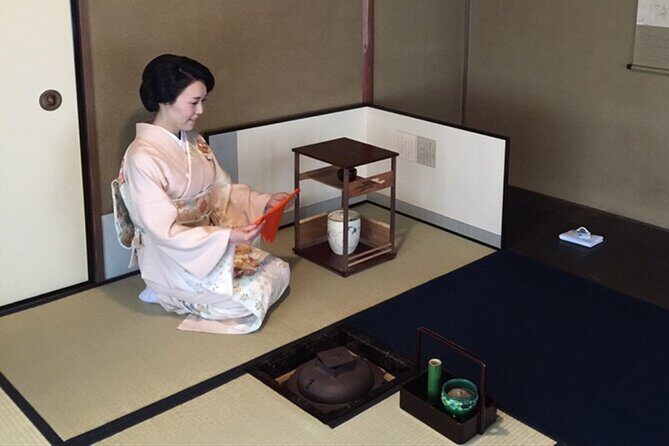
At Omotenashi Tea Ceremony 南茶道教室, you’re hosted by a tea master in a private, elegant room. The vibe is calm and formal, but you’re not left in the dark. You’ll be guided through the process and then encouraged to take part, so you leave knowing what you actually watched and tasted—not just what it looks like.
You can also read our reviews of more tours and experiences in Kyoto.

Price and what you truly get for $56.49
At $56.49 per person for about 45 minutes, this isn’t a bargain lunch deal. The value comes from what’s included and what’s capped: tea and snacks (premium matcha plus traditional Japanese seasonal sweets), guided instruction, and a small group size (maximum 8 travelers).
Think of it like paying for access to a skill. If you only drink matcha at a café, you miss the choreography: how the utensils are handled, how the tea is prepared, and how etiquette shapes the whole moment. If you’re hoping for a bigger production with costumes and lots of photo ops, this may feel more like someone’s carefully designed tea room time—because that’s the point.
Finding the meeting point in Nakagyo (and when to arrive)
You meet at 南総合会計事務所450-1 Sanbongichō, Nakagyo Ward, Kyoto, 604-0871. It’s near public transportation, but Kyoto navigation can still be a little sneaky if you’re walking with luggage or moving between neighborhoods.
Here’s the smart move: don’t aim to loiter far early. One review noted the flow can get interrupted if people arrive too early, even though the host handled it well. If you show up close to the start time, you’ll slide into the calm better and waste less energy trying to figure out what’s going on.
Also, the tea room is indoors and can feel chilly depending on season. In November, at least one guest found the house cold—so bring layers you can comfortably sit in.
How the 45 minutes unfold: etiquette, utensils, and your turn
This is not a half-day tour with multiple stops. It’s one focused experience, so the pacing matters. From what you’re taught and what you get to do, the session typically follows a clear rhythm: orientation and etiquette first, then matcha preparation, then tasting, with a chance for questions.
Entering and sitting properly
Before the matcha ritual really starts, you’ll be shown proper etiquette—things like how to enter the room and where to sit. That’s small, but it’s the difference between watching and participating. It also helps the room stay peaceful because everyone knows how to behave.

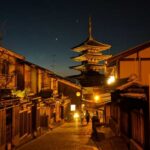
Watching the tea master’s precise steps
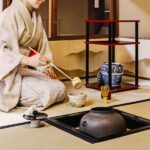
Then the tea master demonstrates the exact process. Expect deliberate, choreographed movements—placement of utensils, preparation steps, and the way the tea is made. Multiple reviews highlight how graceful and “every movement” matters here.
Getting hands-on with matcha
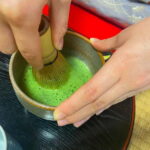
The best part for most first-timers is that you’re not limited to passive viewing. You’ll learn and participate in preparing the tea yourself, including whisking matcha. Reviews mention a relaxed way to learn without the pressure you can feel in bigger tourist setups.
Questions near the end
There’s time for Q&A. One review specifically praised the question and answer session as illuminating, which makes sense: once you’ve watched the steps and made some tea, you’ll naturally have better questions.
The matcha ritual: what you’re learning (and why it’s different)
Matcha is just tea… until you see how it’s made as a ritual. The “art” isn’t mysticism. It’s attention. This ceremony teaches you how the tea master handles the tools and manages the timing so the drink comes out properly.
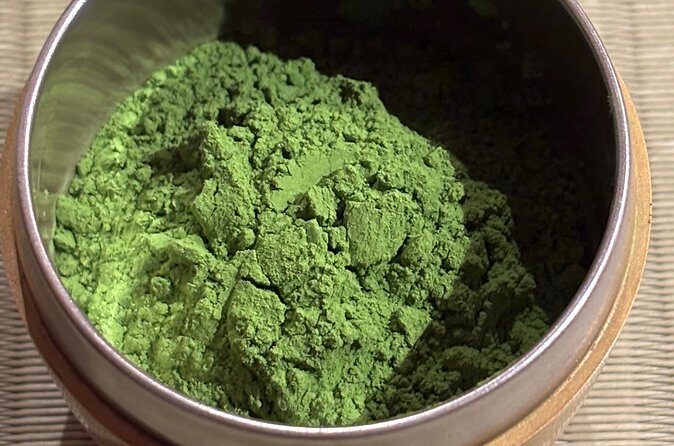
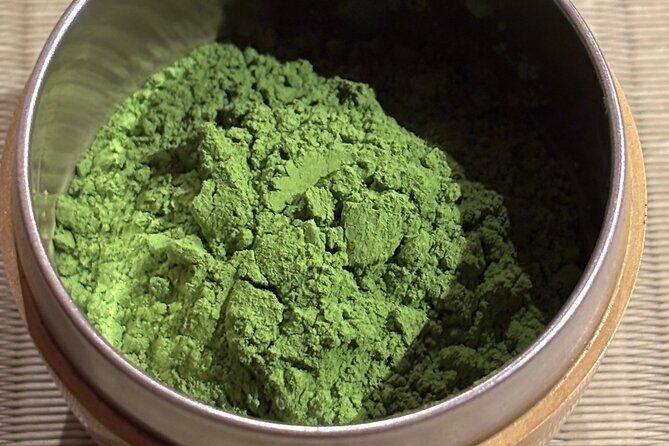
You’ll be working with premium matcha sourced from Kyoto’s finest producers (as described in the experience overview). That matters because matcha quality changes everything: texture, aroma, and the overall taste experience when you whisk.
Utensils and method
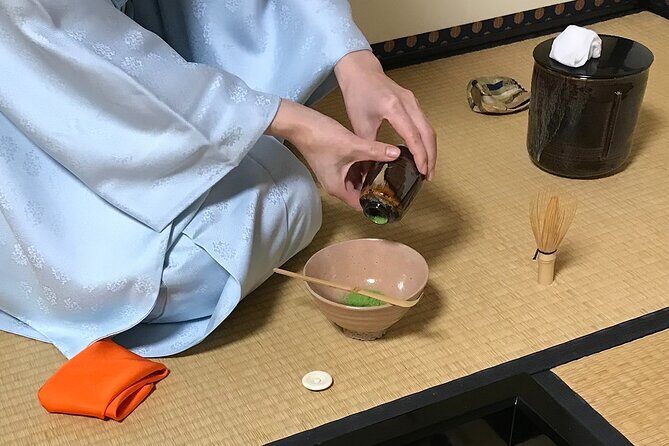
You’ll see the utensils used for preparation and learn the steps involved in making the tea. Reviews repeatedly mention the host explaining everything clearly and patiently. If a host like Mai is guiding you (a name that shows up in multiple reviews), you can especially benefit from explanations that make the ritual feel doable—not like you need a PhD to participate.
Your whisking moment
Hands-on whisking is where people either relax into it or tense up. The good news: the tone is meant to slow you down, not perform for you. Reviews describe the room as quiet and never tense, with hosts open to questions.
Seasonal sweets and how to taste matcha without rushing
Tea ceremony isn’t just the drink. It’s a snack-and-savor sequence designed to frame the matcha. You’ll enjoy traditional Japanese sweets to accompany your tea, and the experience description also references flavoring seasonal sweets alongside matcha.
Don’t treat the sweets like an afterthought. In a ceremony format, sweets act like a partner to the matcha—helping you notice bitterness, sweetness balance, and how the tea tastes once your palate has adjusted.
One small detail that made families happy: if kids don’t like the sweet, the host may provide an alternative like Oreos (mentioned in a review). That’s not a formal guarantee for every session, but it does show the host approach is practical and guest-friendly.
Group size, room comfort, and the photo rules that matter
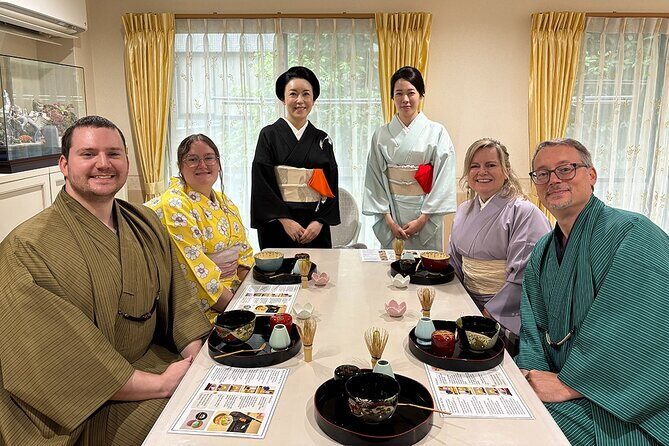
This is capped at a maximum of 8 travelers, and that directly affects the feel. In a large group ceremony, you often sense a “show” mode. Here, the room stays quieter and you get more breathing space to learn and participate.
There are also rules that protect that calm. Photos and videos are not allowed during the tea performance area. Reviews note that you can take pictures before and after, but not while the tea is being made. If photos are the main goal, plan for a ceremony that prioritizes presence over content.
What you might miss if you want a costume moment
A common expectation is kimono rental. It’s not included. Some guests were disappointed because they expected kimono dressing and full fancy photo scenes. If you care more about the ritual than the wardrobe, you’ll probably be fine—or even happier.
Room temperature reality
The room can be cool. One review mentioned the house stayed cold in November. Bring layers so you can stay comfortable enough to focus on the ceremony instead of adjusting your jacket every two minutes.
Who should book this Kyoto tea ceremony (and who should skip)
Book this if you want:
- A quiet Kyoto activity that doesn’t feel rushed or chaotic
- A real chance to learn matcha preparation steps and etiquette
- A small group setting where you can ask questions
- Included matcha and traditional sweets without hunting for them afterward
Skip it—or at least set expectations—if you mainly want:
- Kimono dressing included (it’s not)
- Lots of photo or video time during the performance
- A flashy show format with constant entertainment rather than deliberate ritual
This experience also seems workable for families. One review mentioned kids enjoyed it, and the host adjusted with alternatives when needed.
Should you book Omotenashi Tea Ceremony in Kyoto?
Yes, if your idea of a great Kyoto moment is slow, respectful, and hands-on. The combination of premium matcha, seasonal sweets, tea master instruction, and the small cap at 8 travelers makes it a strong value for the kind of experience it is—not just a snack break with a lecture.
If you’re chasing costume photos and maximum camera time, you may feel underwhelmed. And if you get cold easily, plan to dress for an indoor tea room.
If you’re flexible and ready to let the ritual set the pace, this is the kind of Kyoto experience that stays with you longer than the average photo stop.
FAQ
How long is the Kyoto tea ceremony?
It lasts about 45 minutes.
What’s the maximum group size?
The ceremony has a maximum of 8 travelers.
What’s included in the experience?
You get premium matcha and traditional Japanese seasonal sweets, along with tea and snacks included.
Do I learn to prepare matcha myself?
Yes. You’ll learn authentic tea preparation rituals, and you can take part in preparing the tea during the ceremony.
Is kimono rental included?
No. Kimono dressing/rental is not included as part of this experience.
Are photos or videos allowed?
Photos are not allowed during the tea performance, but guests can take photos before and after.
Where is the meeting point?
The start point is 南総合会計事務所450-1 Sanbongichō, Nakagyo Ward, Kyoto, 604-0871, Japan. The activity ends back at the meeting point.
Is free cancellation available?
Yes, free cancellation is available up to 24 hours before the experience starts for a full refund.
Do I use a mobile ticket, and can I bring a service animal?
Yes, the experience uses a mobile ticket, and service animals are allowed.