REVIEW · ARASHIYAMA TOURS
Osaka to Kyoto: Arashiyama Bamboo Grove Small Group Tour
Book on GetYourGuide →Operated by Leda Japan · Bookable on GetYourGuide
Lanterns and bamboo in one tightly packed day. This Osaka-to-Kyoto tour strings together Kyoto’s softer side—Sanzen-in moss gardens and the 9-guest pace—so you spend more time looking around and less time wrangling transit.
I like that the day is built around three big picture stops, not a scattershot checklist. You get the photo drama of Kifune’s crimson lantern path and Arashiyama’s bamboo, while still having time to actually walk and breathe at each place.
One thing to take seriously: the tour leaves on time, and they don’t wait for latecomers.
In This Review
- Key things to know before you go
- Price and what you really get for $69
- Osaka to Kyoto timing: how the day stays on track
- Sanzen-in moss temple in Ohara: the quiet start that changes the mood
- Kifune Shrine lantern path: love blessings and mountain views
- Togetsukyo Bridge: your classic Kyoto shortcut over the river
- Arashiyama Station Kimono Forest: 600 dyed pillars before the bamboo
- Arashiyama bamboo grove: sun-dappled tunnel time
- Transportation, guides, and the 9-guest group advantage
- Meals, entrances, and what to budget on the spot
- The rules that can affect your day
- Who this tour fits best (and who should skip it)
- Should you book this Osaka to Kyoto Arashiyama small-group tour?
- FAQ
- How long is the Osaka to Kyoto Arashiyama tour?
- Where do I meet the group?
- What are the main stops during the day?
- Are entrance fees included in the price?
- How big is the group?
- What should I pack, and what’s not allowed?
- What happens if I’m late to pickup or the meeting point?
Key things to know before you go
- Door-to-door Osaka-area pickup or a Kyoto meeting point cuts down commute stress.
- Max 9 guests keeps the pace friendly, with time for questions and photos.
- Sanzen-in + Kifune + Arashiyama is a strong three-stop storyline that feels like Kyoto’s emotional arc.
- Arashiyama Station Kimono Forest adds an arts stop before the bamboo grove.
- Weather and traffic can change the stop order, so bring flexible expectations.
Price and what you really get for $69
At $69 per person for a 10-hour day, you’re paying mostly for logistics and guide support. In Kyoto, time is money. This tour is designed so you’re not burning hours figuring out trains, finding meeting points, or transferring between neighborhoods.
You’re also getting real structure. The schedule is built around Sanzen-in (moss temple gardens), Kifune Shrine (crimson lantern walk and fortune rituals), and Arashiyama (bridge, kimono art, bamboo grove). That combination means you’re not just seeing “pretty spots.” You’re moving through Kyoto’s different moods in one day.
The main tradeoff is what’s not included: meals, most entrance fees (Sanzen-in is listed as ¥700/adult), and any optional tickets like the Sagano Train. If you like to eat well and wander slowly, budget extra for lunch and drinks.
You can also read our reviews of more tours and experiences in Kyoto.

Osaka to Kyoto timing: how the day stays on track
The trip runs about 10 hours total (listed as 8:30 AM–6:30 PM). Your exact start depends on your pickup option in Osaka or your start point in Kyoto.
In Osaka, you can either meet at Nippombashi Station Exit 2 at 8:30 AM, or do hotel/BnB pickup within the Osaka Loop Line area sometime between 7:30 and 8:30 AM. In Kyoto, the meeting point is a 7-ELEVEN Kyoto Hachijo-Higashi at 9:20 AM, and you’re asked to arrive about 15 minutes early with no latecomers accommodated.
Why this matters: Kyoto day trips can turn into a waiting game. Here, the schedule is tight on purpose, so you spend your daylight walking rather than standing around.
Sanzen-in moss temple in Ohara: the quiet start that changes the mood
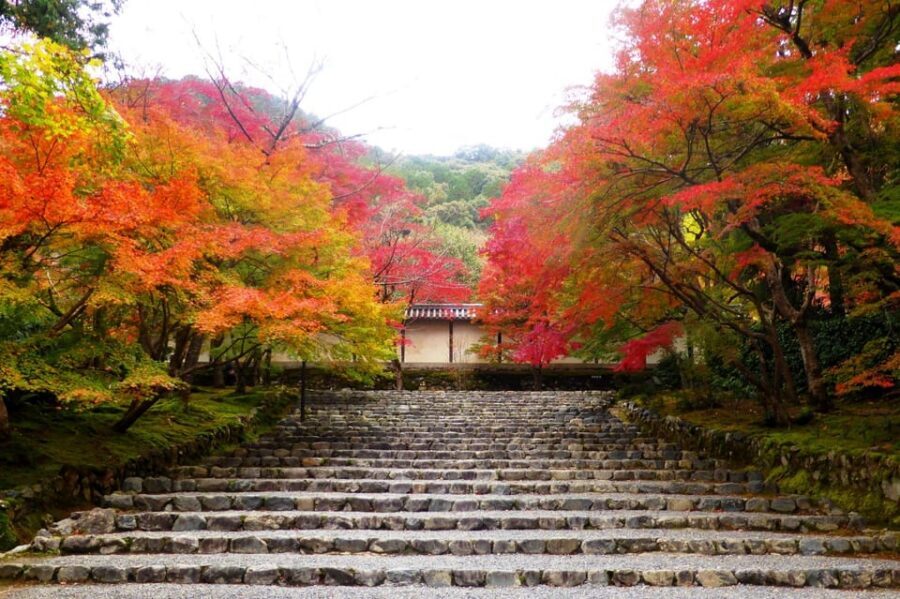
Your first real stop is Sanzen-in Temple, in the Ohara area. You’ll have about 60 minutes there, with a mix of sightseeing and photo stops.
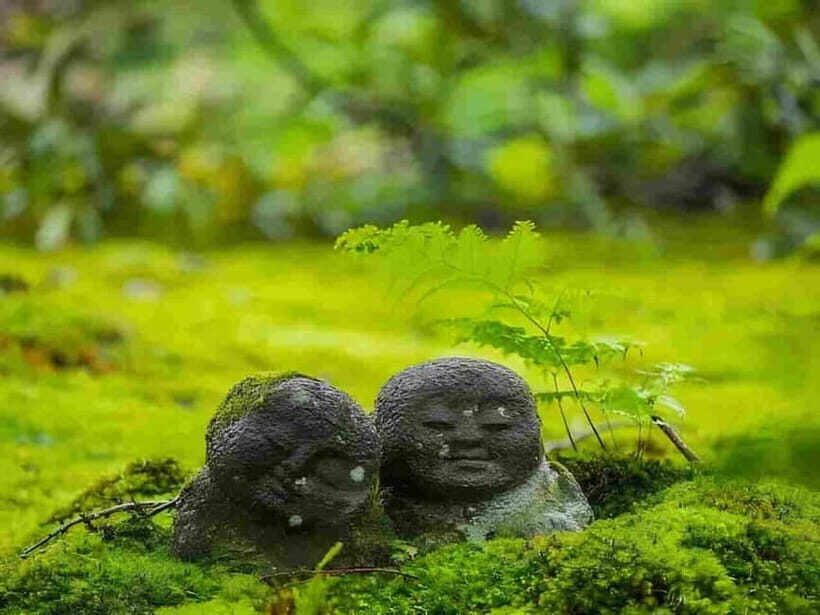
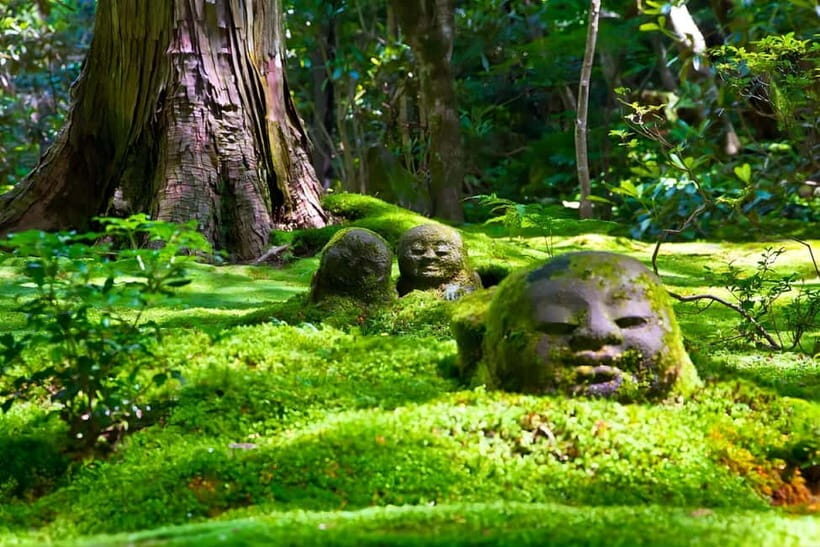
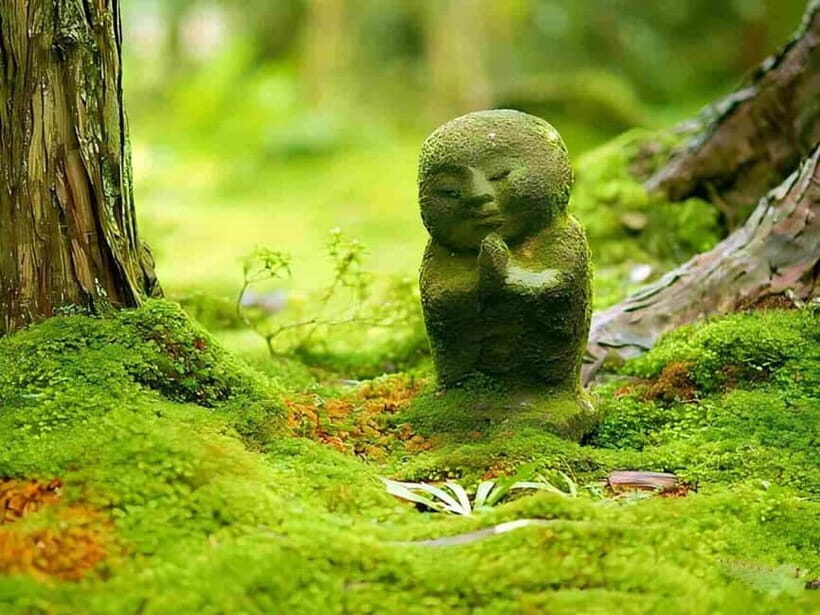
Sanzen-in is described as a 1,200-year-old Tendai sect sanctuary, and the star of the show is the moss. Expect that “everything looks soft” feeling when you’re walking through garden paths. There are also Heian-era Amida statues mentioned as part of what you’ll see, which helps you connect the scenery to something older than the photo moment.
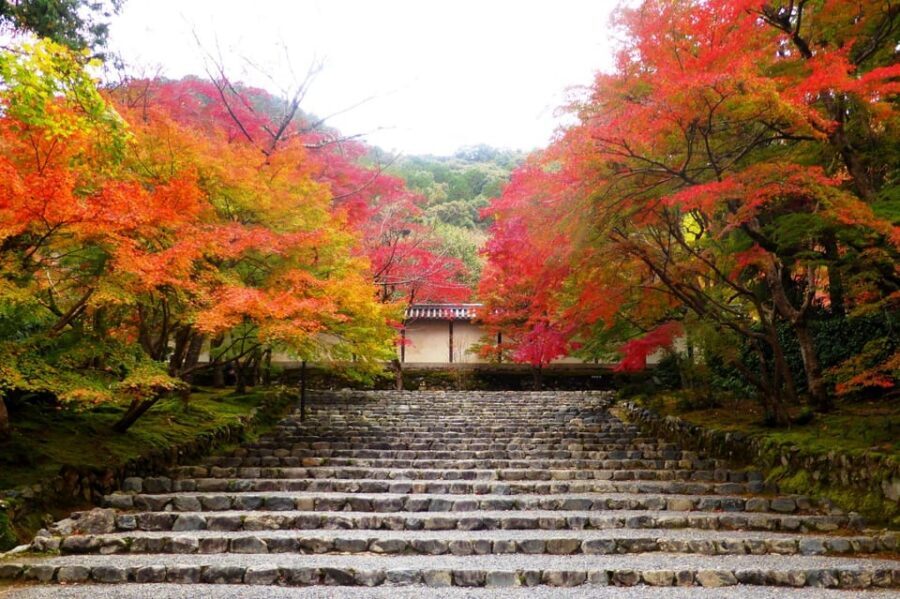
The gardens also shift with seasons. If you travel in April, you’re there for cherry blossoms. July brings hydrangeas, and November is all about fiery maples. Even if you don’t get your specific season, you’ll still get the core Sanzen-in experience: damp green calm and stone-and-moss storytelling.
Practical tip: give yourself permission to slow down here. This is the stop that sets the tone for the entire day. If you rush it, you’ll feel it later when Kifune and Arashiyama get louder and more crowded.
Kifune Shrine lantern path: love blessings and mountain views
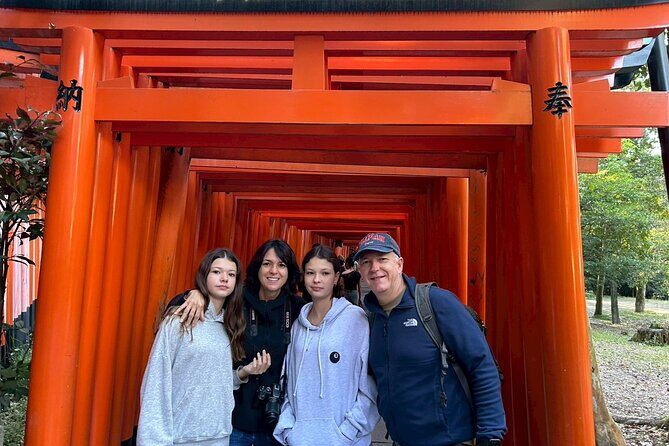
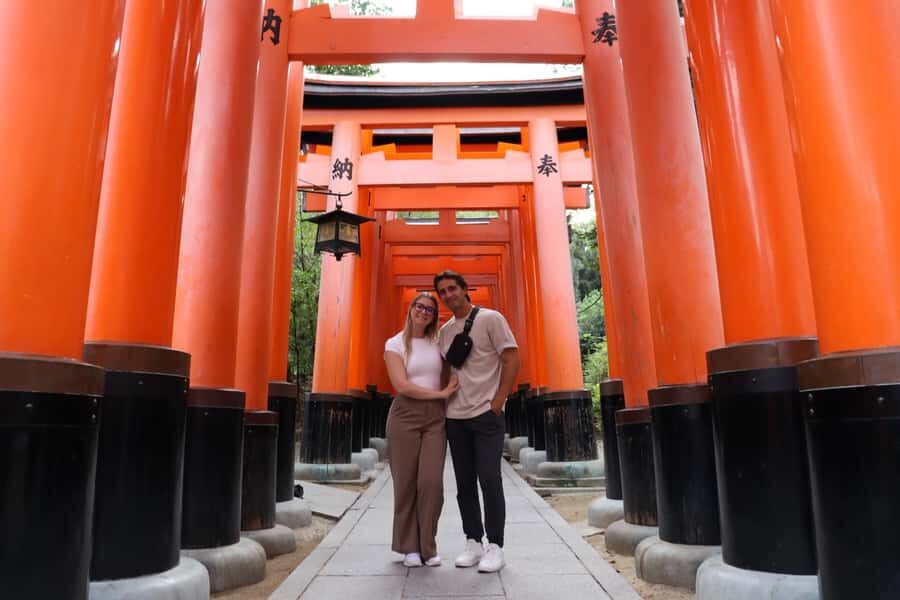
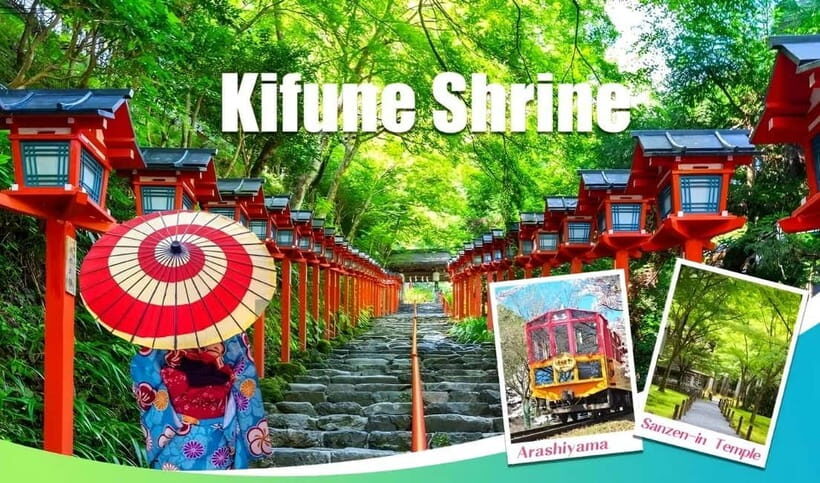
Next up is Kifune Shrine, with about 100 minutes for walking, photos, and visits. The area is presented as a mountain setting with views in the background and a very specific kind of atmosphere: intimate, red, and slightly mysterious.
The big visual draw is the crimson lantern-lined path, which is exactly the kind of Kyoto scene that looks like it’s been staged even though it’s real life. This shrine is also described as a “matchmaking” place, with a ritual called water fortune-telling and a prayer at Musubi-sha for love blessings.
What I like about this stop is that it feels different from the temple gardens. It’s not just architecture and plants. It’s a walk with intention, where people are doing the same things you came to do—pray, read fortunes, and take in the setting.
Season cues are built in. In summer, the tour notes river terraces and illuminations. In autumn, it points to maple color doing its best work along the valley. If you’re a photo person, Kifune is a great place to slow down and shoot vertically—lantern paths love that angle.
Togetsukyo Bridge: your classic Kyoto shortcut over the river
After Kifune, you transition into Arashiyama highlights. One of the first stops in this cluster is Togetsukyo Bridge, with about 40 minutes.
This is a well-known Arashiyama landmark, and the tour notes it as a Heian-era masterpiece. You’ll also see a fun pop-culture detail: it’s been featured in Detective Conan, which gives you an extra anchor if you recognize it.
Walking the bridge also sets your eyes up for what comes next. You can look down toward the Hozu River, then shift into the station-area art before walking into the bamboo grove.
Practical note: you’ll do better if you treat this as a “view and position” moment. Don’t spend all your time trying to time the perfect photo. Walk, take your key pictures, then move on while the light is still working for you.
Arashiyama Station Kimono Forest: 600 dyed pillars before the bamboo
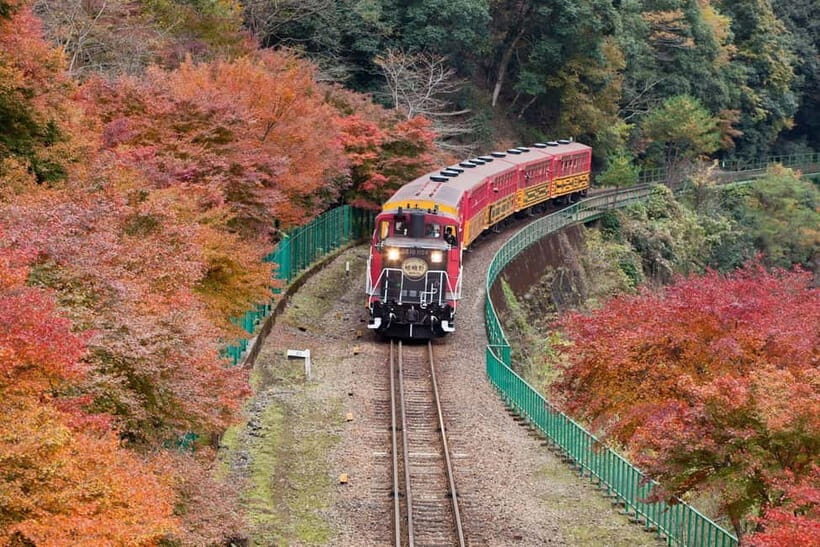
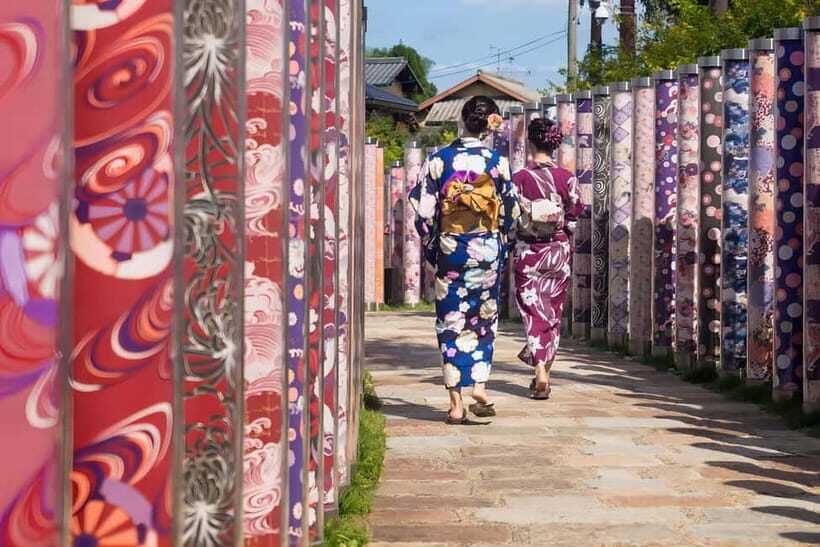
Before the bamboo grove, you’ll hit the Kimono Forest at Arashiyama Station. You get about 40 minutes here, with time for sightseeing and photos.
The standout detail is the scale: 600 dyed-pillar artworks. That matters because it turns what could be a quick station stop into a full-on visual gallery. The color patterns are designed for photos, and you’ll see people using it like a natural backdrop wall.
The tour also mentions a recharge stop at a dragon-energy foot bath. Even if you skip it, it’s a helpful “reset your legs” moment before the bamboo walk.
This is also one reason the tour works well as a single-day plan. You get variety: river view, art installation-style color, then nature.
Arashiyama bamboo grove: sun-dappled tunnel time
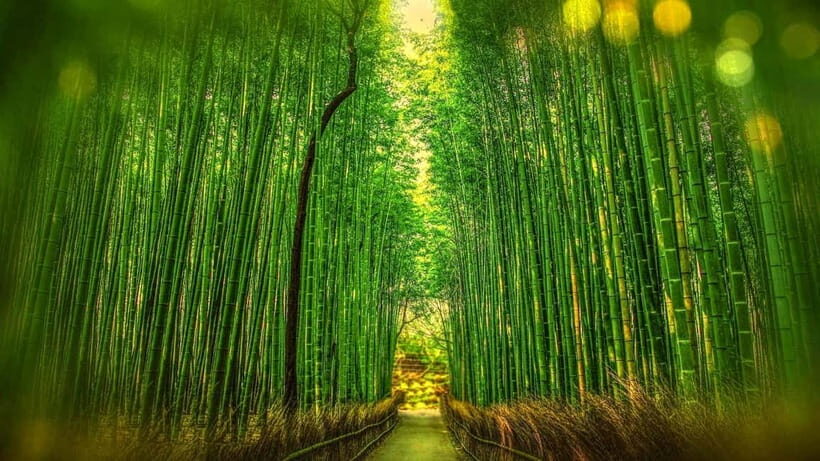
Finally, you reach Arashiyama Bamboo Forest, with time for break and free walking (about 40 minutes in the detailed timeline).
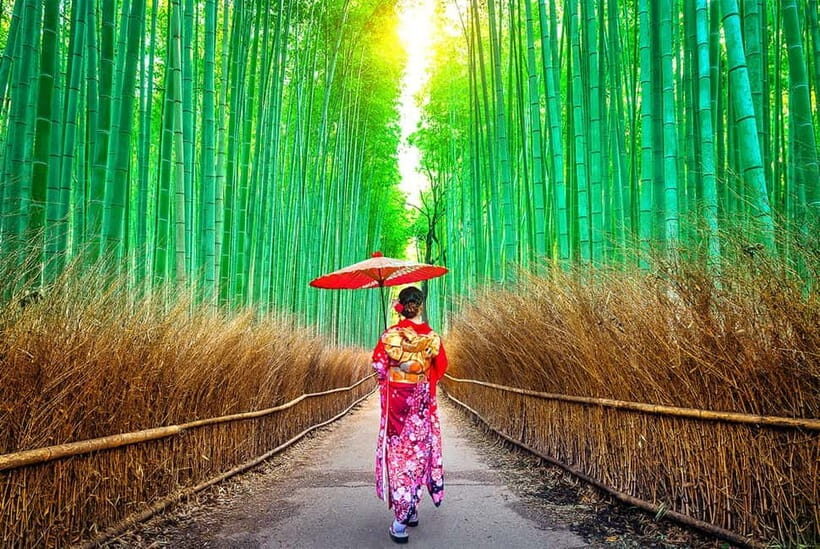
This is the moment most people come for, and the tour frames it as that sun-dappled tunnel effect. It also notes that the bamboo grove was filmed for Crouching Tiger, Hidden Dragon, which helps explain why the place feels cinematic even when you’re just walking.
Here’s how to make the most of the time you have:
- Walk slowly at least once, without filming. Let your eyes adjust to the light.
- Then do a second pass for photos from different angles.
- Keep your expectations realistic. 40 minutes is enough for the main experience, but you won’t “study” the grove like you would on a long stay.
If you love soft, magical-looking scenes, bamboo delivers. If you’re sensitive to crowds, this is where your small-group advantage helps. You’re not stuck waiting in a massive tour line.
Transportation, guides, and the 9-guest group advantage
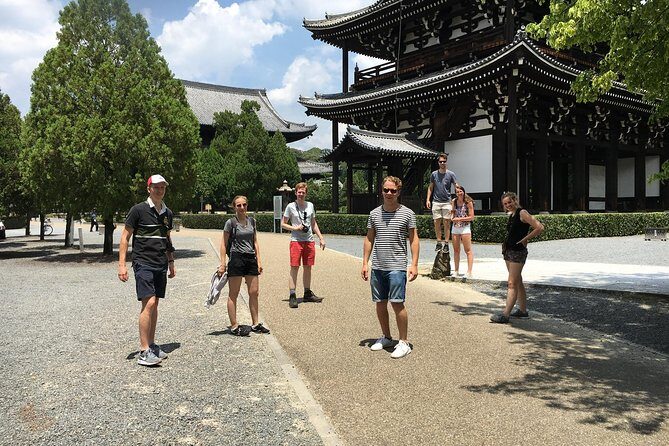
The group size is max 9 participants, and the driver is described as a multilingual driver-cum-guide (Japanese/English/Chinese/Traditional Chinese). The note says the guide role is mainly driving, which is normal for van-based day tours.
That said, the experience is supposed to include real human help. One review specifically highlights a very friendly, helpful driver who accompanied the group at the start, explained things, and even took photos. That matches the kind of support you want when you’re trying to coordinate meeting points and timing in busy areas.
The van setup also matters. The tour says all passengers require dedicated seats, and luggage space is limited. So think “day pack,” not “carry everything you own.”
Why the small group matters in Kyoto: you can ask one more question, get pointed in the right direction once, and still make it to the next stop without losing half the day.
Meals, entrances, and what to budget on the spot
Food isn’t included. Meals and drinks are excluded, and you also won’t be allowed to eat or drink inside the vehicle. That means your plan is simple: eat outside at your own pace, then return when it’s time to meet up.
Entrance fees are also your responsibility. The tour lists Sanzen-in entrance as ¥700/adult, and it notes that entrance fees to any optional attractions are not included. Sagano Train tickets are also excluded.
If you want value, this is the strategy: eat one satisfying meal near a stop (rather than chasing food across neighborhoods). Then treat the other breaks as snack and water stops.
The rules that can affect your day
A few “small” rules can have big effects if you ignore them.
You’re not allowed luggage or large bags, and the tour also bans smoking, alcoholic drinks, and food/drinks in the vehicle. The vehicle is for sitting, riding, and getting where you need to go.
This is a walking day. Also, pregnant women and wheelchair users are listed as not suitable.
And again: the punctuality policy is strict. This is a shared tour with a firm departure time, and they can’t wait for latecomers. If you miss the departure window, it can’t be recovered.
Who this tour fits best (and who should skip it)
This tour is a strong match if:
- You want classic Kyoto scenes without spending half your day on transit.
- You like photo-friendly spots with enough time to walk around.
- You prefer a small group pace (max 9) over big-bus crowds.
It’s not a great match if:
- You need very slow pacing or have mobility constraints (it’s listed as not suitable for wheelchair users and pregnant women).
- You rely on bringing large bags and packing heavy for day trips.
- You’re the type who likes to linger at every corner with no timetable.
If you’re visiting Kyoto for the first time and want a “best of but with breathing room” day, this tour is built for you.
Should you book this Osaka to Kyoto Arashiyama small-group tour?
Book it if you want a day that feels like Kyoto’s highlights with actual local rhythm: moss gardens to reset your eyes, lanterns to give you story and color, then Arashiyama to finish with the iconic bamboo moment.
Skip it if you’re traveling on a schedule that makes punctual arrivals stressful, or if you need a slower, more flexible itinerary than a 10-hour plan can offer.
My practical call: at $69, you’re buying time savings and smooth transfers, plus a small-group day that hits three Kyoto zones well. If those goals match your trip style, this is a smart way to spend one day between Osaka and Kyoto.
FAQ
How long is the Osaka to Kyoto Arashiyama tour?
The tour is listed as 10 hours total.
Where do I meet the group?
You can choose Osaka pickup at Nippombashi Station Exit 2 (8:30 AM), or hotel/BnB pickup within the Osaka Loop Line area (7:30–8:30 AM). In Kyoto, there is a meeting point at a 7-ELEVEN Kyoto Hachijo-Higashi Store at 9:20 AM.
What are the main stops during the day?
The itinerary includes Sanzen-in Temple, Kifune Shrine, Togetsukyo Bridge, Arashiyama Station Kimono Forest, and Arashiyama Bamboo Forest.
Are entrance fees included in the price?
No. Entrance fees are not included, including Sanzen-in, which is listed as ¥700 per adult. Meals are also not included.
How big is the group?
The group is limited to a maximum of 9 participants.
What should I pack, and what’s not allowed?
You should pack light because luggage space is limited and luggage or large bags are not allowed. Smoking, alcohol, and food/drinks in the vehicle are also not allowed.
What happens if I’m late to pickup or the meeting point?
The tour departs strictly on time. They cannot wait for latecomers, and if you’re unreachable at departure, the booking is forfeited without refund.