REVIEW · WALKING TOURS
Kyoto Walking Tour Goshuin Collecting and Temples Discover
Book on Viator →Operated by 株式会社MyProGuide Japan · Bookable on Viator
Goshuin hunting, but make it peaceful. This private 3-hour Kyoto tour brings guided Goshuin collecting to iconic temple gardens, plus a close look at the Hanachozu flower-water basin design. I like that you’re not trying to figure out the stamp process solo, which matters a lot if your Japanese is limited.
The second big win for me is how the route keeps you moving at a calm pace through garden scenes like Tofuku-ji’s designed landscapes and maple season views. One thing to plan for: this tour includes significant walking, so you’ll want comfy shoes and to carry water and rain gear.
In This Review
- Key things I’d focus on before you go
- Why Goshuin and gardens work so well in this exact 3-stop plan
- Meeting at Tōfuku-ji Station: getting started without stress
- Tōfuku-ji: the ticketed stop with Tsutenkyo Bridge views and Mirei Shigemori gardens
- Shōrin-ji Temple: Hanachozu flower-water basins and the Temple of Wisdom
- Shinzenkoji: Amida compassion, ancient maples, and a calmer walking pace
- Language help that changes the whole Goshuin experience
- Omamori and Goshuin supplies: what’s not included and how to budget
- Price and value: is $299 fair for a 3-hour private tour?
- Walking comfort and timing tips that keep the day enjoyable
- Who this tour suits best
- Should you book Kyoto Walking Tour Goshuin Collecting and Temples Discover?
- FAQ
- How long is the Kyoto Goshuin collecting and temples tour?
- What is included in the price?
- Are Goshuin stamps, stamp books, or omamori included?
- Where do I meet for the tour?
- Is this a private tour?
- What happens if the weather is bad?
Key things I’d focus on before you go
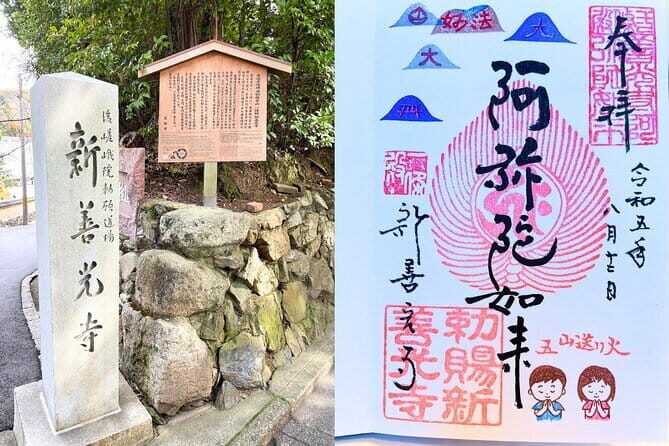
- Goshuin support when you don’t speak Japanese: the guide helps you handle the stamp moment properly.
- Tofuku-ji’s garden design and Tsutenkyo Bridge views: you get a longer, ticketed stop here.
- Hanachozu at Shōrin-ji Temple: you’re not just collecting stamps, you’re seeing the aesthetic behind them.
- A quiet, meditation-friendly pace at Shinzenkoji: this stop is built for slower walking through older maples.
- Private tour energy: only your group participates, so questions and pacing stay comfortable.
- You must budget separately for goshuin supplies and omamori: they’re not included in the price.
Why Goshuin and gardens work so well in this exact 3-stop plan
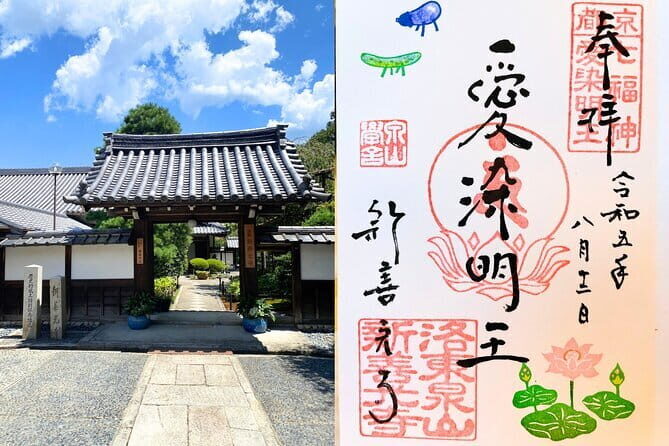
Kyoto is full of temples. The trick is choosing a route where you don’t just “see” places—you also understand the small cultural rituals that make them feel alive. This tour is built around Goshuin collecting, but it doesn’t turn into a stamp sprint.
What I like about the structure is the mix of “showpiece” and “quiet.” You spend the longest time at Tōfuku-ji, where the setting is famous for autumn-style scenery. Then you move to two shorter stops—Shōrin-ji and Shinzenkoji—that keep the mood more reflective, with Hanachozu design on one end and a compassion-themed garden walk on the other.
If you’re the type who enjoys slow looking—paper, ink, garden details, and the feeling of old spaces—this kind of itinerary makes sense.
You can also read our reviews of more walking tours in Kyoto



Meeting at Tōfuku-ji Station: getting started without stress
The tour starts back at Tōfuku-ji Station, and it ends there too. That’s practical. You’re not guessing where you’ll need to end the day, and you avoid the “now what?” scramble afterward.
It’s also a private tour/activity, which is a big deal for Kyoto. Smaller, quieter groups tend to make temple visits feel more respectful and less chaotic. Plus, you’ll have a guide with you for the whole walk, which keeps things organized when you’re trying to collect Goshuin.
Timing is tight but not rushed: it runs about 3 hours total. The itinerary pacing is 1 hour 15 minutes at Tōfuku-ji, then 20 minutes each at Shōrin-ji and Shinzenkoji. That’s enough time to enjoy the garden focus at each stop without feeling like you’re constantly in transit.
You’ll also want moderate physical fitness. The tour notes that it requires a significant amount of walking, so don’t plan this right after a 20,000-step day. Bring water, and if rain is in the forecast, pack a light rain layer.
Tōfuku-ji: the ticketed stop with Tsutenkyo Bridge views and Mirei Shigemori gardens
Tōfuku-ji is your anchor stop. The temple honors Shakyamuni Buddha, and it’s especially known for the Tsutenkyo Bridge, which is a standout for views (particularly in autumn). You’re not just walking through a temple complex—you’re stopping at the part of the experience that people come for.
The other reason I’d prioritize this stop is the garden design by Mirei Shigemori. Even if you’re not an architecture fan, designed gardens change how you look at everything else. The layout guides your sightlines, and you end up slowing down naturally.
Practical reality: this is the only stop with an admission ticket included. That matters for value because it’s where you’re likely to spend the most time anyway. If you care about gardens, this one is worth giving your full attention.
What could be a drawback? This is the longest stop, and if you’re the type who gets restless quickly in outdoor gardens, you may need to plan your energy. Still, the tour’s structure gives you time to breathe and enjoy the views rather than rushing from one photo to the next.
Shōrin-ji Temple: Hanachozu flower-water basins and the Temple of Wisdom
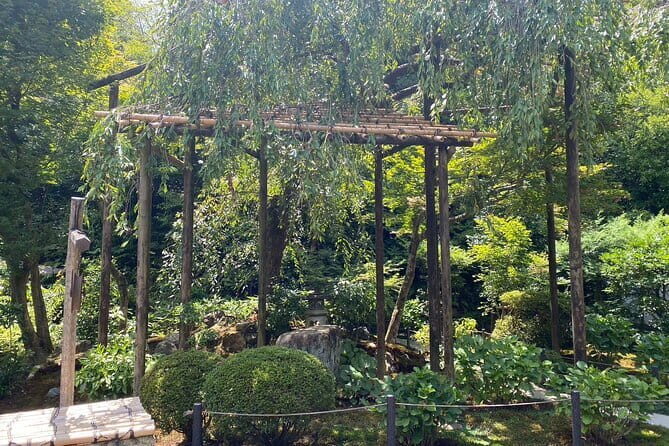
Shōrin-ji is shorter on paper—about 20 minutes—but it has a very specific attraction. The temple is connected to Manjushri Bodhisattva, so it’s often called the Temple of Wisdom.
The reason this stop fits perfectly into a Goshuin day is the Hanachozu design. You get to see the Hanachozu (flower water basins) element without it turning into a separate side quest. It’s a small sensory detail—flowers, water basins, and the overall aesthetic—that adds texture to your temple visit.
Because the stop is brief, treat it like a focused sampler. Look closely at what’s special here, then let the moment pass. In a tour like this, you’re not meant to linger for an hour and lose the rhythm.
If you’re hoping for a long, deep garden walk, this one may feel short compared to Tōfuku-ji. But as part of a 3-stop circuit, it works well for variety: one major garden experience, then one quick hit of symbolic design, then a quieter final walk.
Shinzenkoji: Amida compassion, ancient maples, and a calmer walking pace
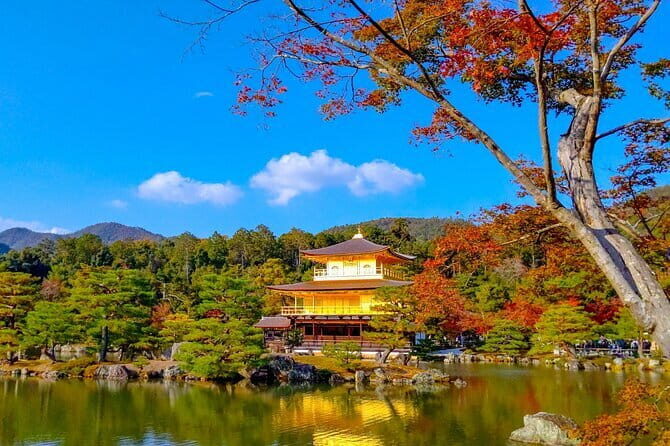
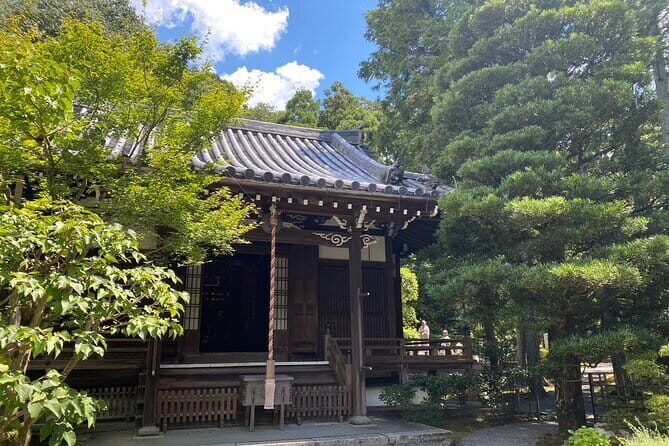
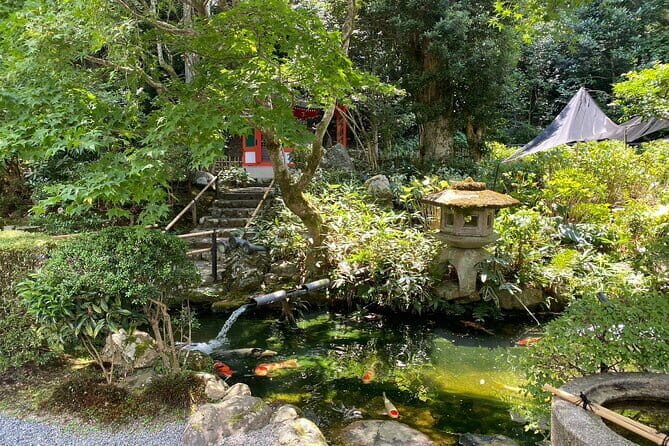
Shinzenkoji honors Amida Buddha, and it’s linked to compassion. That theme shows up in the way the garden is described—peaceful, suited to slower movement and reflection. The garden is known for ancient maple trees, and the seasonal change can make the whole place feel like a reset button.
This stop also runs about 20 minutes, which is a smart choice. It keeps the day balanced: enough time to feel the quiet atmosphere, without spending so long that your energy runs out before you’re ready to move on.
If you’re collecting Goshuin and you want the process to feel meaningful, this is the kind of setting that helps. Even if you don’t read much text inside, the mood of a garden made for walking and meditation can do the job.
One practical note: because the stop is designed for peaceful walking, it’s worth slowing down intentionally. Step away from fast sightseeing and give yourself those few minutes of “just look.”



Language help that changes the whole Goshuin experience

Here’s the real value angle that many people don’t realize until they’re standing in front of the ink and paper: Goshuin collecting can be intimidating if you can’t read Japanese.
This is a place where a guide earns their keep. With support, you’re more likely to understand what you’re doing, when you’re doing it, and how to handle the process without confusion. That’s especially helpful if you’re starting your Goshuin collection for the first time.
I also like that you’re not relying on guesswork. The guide can help you navigate the cultural ritual step-by-step, which turns a task into an experience. One of the strongest takeaways from the reviews is that people who don’t speak Japanese felt they could actually complete what they came for, rather than leaving with half the stamps and a “maybe next time” mood.
If you enjoy crafts, ink work, and the physical act of collecting something meaningful, this tour format is a good match. You’ll spend less mental energy figuring things out and more energy noticing the temple environment around you.
Omamori and Goshuin supplies: what’s not included and how to budget
The tour includes the professional guide and the Tōfuku-ji ticket. What’s not included is important: goshuin stamps, goshuin-cho (stamp books), and omamori (amulets) are not included.
So yes, you’ll likely spend extra money on the items you want to bring home. That’s not a deal-breaker, but it changes how you should think about the $299 price.
I’d treat the tour price like you’re paying for:
- guided access to a tight Kyoto temple route
- cultural help to make Goshuin collecting easier
- a ticketed temple stop where you’d probably want the garden time anyway
Then you budget your personal purchases on top. If you know you want a goshuin-cho and one or more omamori, plan for that. If you’re not sure what you’ll want, at least bring enough cash or payment options so you can decide on the spot.
Also, meals aren’t included. You’re walking for a few hours, so have a light plan for hunger—either eat before you go or grab something right after, since the tour ends back at the meeting area.
Price and value: is $299 fair for a 3-hour private tour?

$299 for about 3 hours, with a private guide and a ticketed entry at Tōfuku-ji, can be a reasonable deal—or a splurge—depending on your travel style.
For me, the value comes from how the tour reduces friction:
- You’re not trying to coordinate a multi-temple route alone.
- You’re not guessing how Goshuin collecting works.
- You’re getting a longer, garden-focused stop at the temple where the ticket is included.
If you’re traveling with friends or family and you prefer a private pace, this type of tour can feel efficient. If you’re comfortable navigating Kyoto temples on your own and you already know the Goshuin process, you might feel less urgency to pay for guidance.
But if this is your first Goshuin collecting attempt—or you want the experience to feel smooth and respectful—this price starts to make more sense fast.
Walking comfort and timing tips that keep the day enjoyable
The tour requests moderate physical fitness. The big reason is simple: it’s a walking route with multiple temple stops in a short time.
Here’s how I’d set you up for success:
- Wear shoes you can walk in for a while. Temple days mean uneven surfaces.
- Bring water. Even in pleasant weather, Kyoto walking adds up.
- Pack rain gear if the forecast looks iffy. Temples are outdoors-focused for much of the garden experience.
- Keep your phone charged. The tour uses a mobile ticket, so having your ticket accessible matters.
Also, consider that it’s a private tour, and the pacing is likely set to match your group. That’s good news, but it also means you’ll feel the schedule. Don’t book this on a day when you have a hard-to-reach appointment right afterward.
Who this tour suits best
This is a strong match if you:
- want to collect Goshuin and would rather have a guide handle the process
- like temple gardens and seasonal scenery, especially maple season energy
- prefer a calm, structured Kyoto route rather than trying to build your own itinerary
It may be less ideal if you:
- hate walking for even a few hours
- expect a long, unhurried garden experience at every single stop (only Tōfuku-ji is the longer one)
For most people who enjoy Japanese rituals and gardens, the mix feels balanced.
Should you book Kyoto Walking Tour Goshuin Collecting and Temples Discover?
I’d book it if you want a guided Goshuin day that also gives you real garden time—not just a checklist of temples. The combination of Tōfuku-ji’s garden focus (and ticketed entry), Shōrin-ji’s Hanachozu design, and Shinzenkoji’s quiet, compassion-themed maple garden makes the 3 hours feel intentional.
I’d think twice if you’re on a tight budget for temple extras, because Goshuin stamps, goshuin-cho, and omamori aren’t included. The guide and ticket value help, but personal purchases are part of the experience.
If you’re not sure about Goshuin collecting and you don’t speak Japanese, this is exactly the kind of tour that removes the stress and lets you actually enjoy the ritual.
FAQ
How long is the Kyoto Goshuin collecting and temples tour?
It runs about 3 hours (approx.), with scheduled time at each stop: 1 hour 15 minutes at Tōfuku-ji, then 20 minutes each at Shōrin-ji and Shinzenkoji.
What is included in the price?
The tour includes the Tōfuku-ji admission ticket and a professional guide. You also receive a mobile ticket for the experience.
Are Goshuin stamps, stamp books, or omamori included?
No. Goshuin stamps, goshuin-cho (stamp books), and omamori charms are not included, so you’ll need to budget for those purchases separately.
Where do I meet for the tour?
You meet at Tōfuku-ji Station, address listed as 12 Chome Honmachi, Higashiyama Ward, Kyoto, 605-0981, Japan. The tour ends back at the meeting point.
Is this a private tour?
Yes. It’s a private tour/activity, and only your group will participate.
What happens if the weather is bad?
This experience requires good weather. If it’s canceled due to poor weather, you’ll be offered a different date or a full refund.