REVIEW · KYOTO
Natural Indigo Dyeing with Local Masters (Private Atelier)
Book on GetYourGuide →Operated by Chie · Bookable on GetYourGuide
Indigo dyeing is magic, but this is real work. In Kyoto, you step into a 300-year-old indigo dye studio and learn aizome using fermented sukumo vats, then take home what you make.
I especially like two things: you’re working with a real dyeing family’s process, not a “make-and-guess” souvenir demo, and the on-site language support is strong and friendly, with staff like Sakura helping translation during the steps.
One thing to consider: the studio is a traditional space with wooden floorboards and wheelchair access isn’t available, so plan for comfortable footwear and steady footing.
In This Review
- Key reasons this Kyoto indigo atelier feels different
- Step into a 300-year-old indigo dye studio in western Kyoto
- The real star: fermented indigo (sukumo) and the color shift from green to blue
- Your two-hour rhythm: studio tour, dyeing at the vat, then tea and reflection
- What you can dye: included cloth options and smart upgrade choices
- Why this workshop feels like more than a craft class
- What it’s like in the moment: protecting your clothes and getting good results
- Buying and viewing dyed items in the studio shop
- Price and value: is $95 fair for 2 hours of real indigo craft?
- Who should book this private atelier workshop
- Practical tips so you feel comfortable on arrival
- Should you book this natural indigo dyeing atelier?
- FAQ
- How long is the natural indigo dyeing workshop?
- What is the group size?
- What languages do you get during the experience?
- What does the $95 price include?
- Can I dye something besides the included item?
- Is shipping available for my dyed item?
- Is there a restroom at the studio?
- Is wheelchair access available?
Key reasons this Kyoto indigo atelier feels different
- A real working studio inside a historic indigo space, not a tourist replica
- Fermented indigo vats (sukumo) with you dipping and watching color change
- Small group size (max 6) plus step-by-step guidance at the vat
- Bilingual cultural host support (English/Japanese), with translation help from staff like Sakura
- Indigo leaf tea and cultural context before you leave
- Upgrade options on the day if you want something beyond the included cloth
Step into a 300-year-old indigo dye studio in western Kyoto

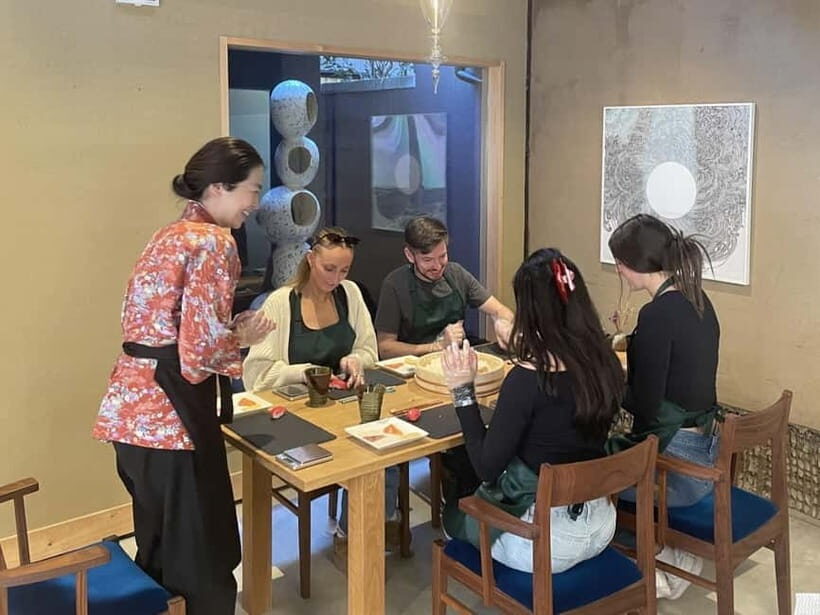
This workshop is set in western Kyoto in a historic indigo studio, the kind of place you don’t stumble into by accident. The exact address is shared only after booking, which tells you the organizers are protecting the real, everyday rhythm of the space.
The big deal here is authenticity. You’re not just watching indigo. You’re learning inside a dyeing environment that’s built around wooden tools, vats, and the slow craft of making consistent color. Multiple details point to that lived-in character: you’ll get a studio tour, you’ll see how the vats are set up for natural fermented indigo, and the staff treat your hands-on time as part of the craft work—not a performance.
The setting also shapes the mood. Expect a traditional room (wooden floorboards, calm pace), and plan to dress like you’re joining an artist’s workspace. The workshop provides protection like aprons and other safeguards, but your clothes should still be something you’re okay with getting stained, because indigo is a real material with real mess potential.
You can also read our reviews of more private tours in Kyoto

The real star: fermented indigo (sukumo) and the color shift from green to blue
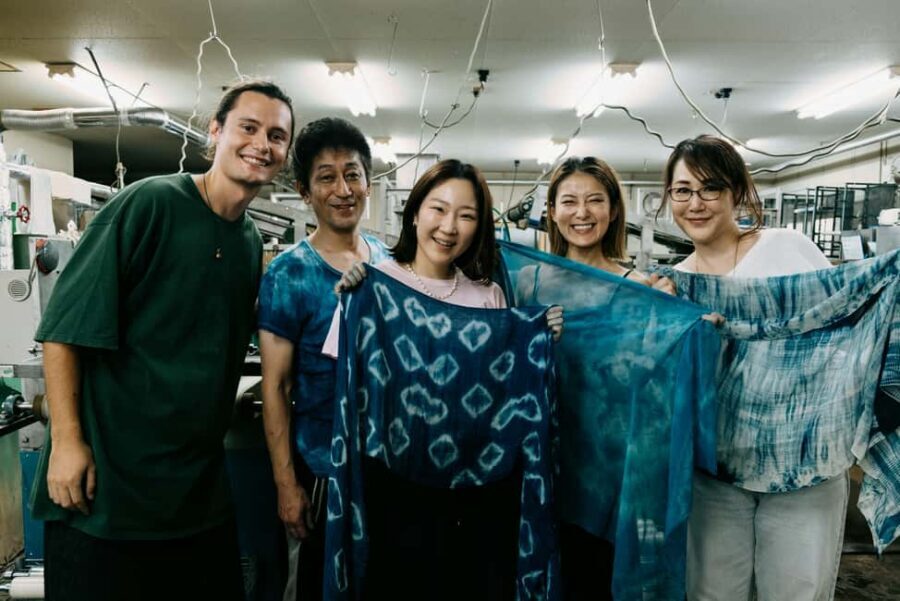
Natural indigo works differently than most modern dyes, and the workshop actually explains why. You’ll learn about indigo’s role in Japan and its symbolic place in daily life, but the heart of the session is the fermented vats—sukumo—used for aizome.
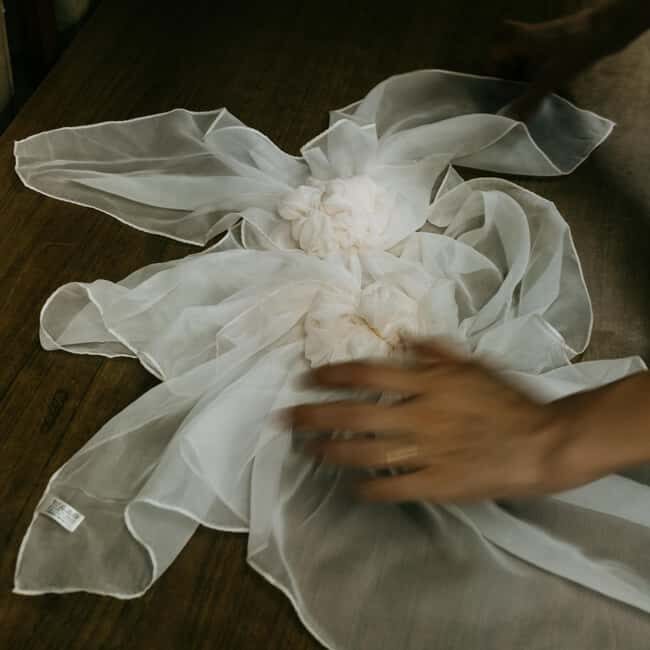
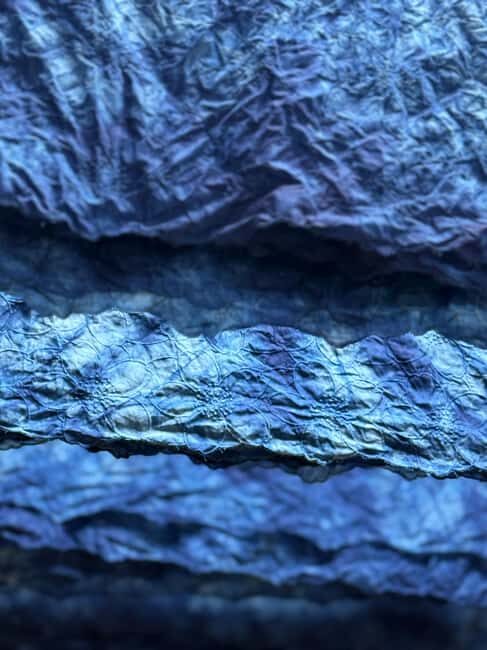
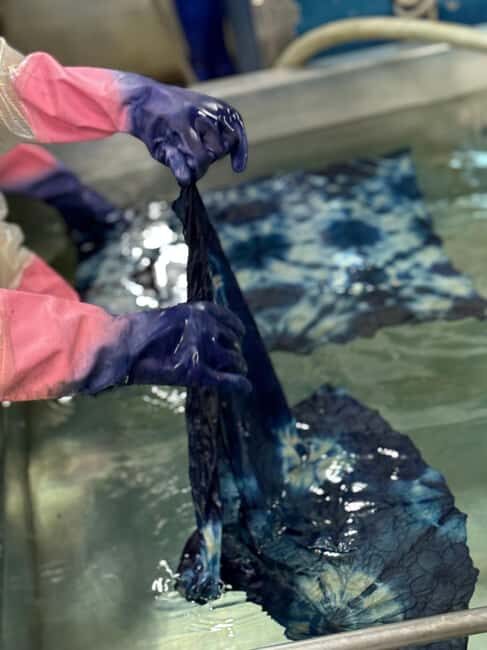
Here’s what you can expect with your own piece: during the dyeing steps, your textile will shift from green to deep blue through oxidation. That’s one of those moments where you start to understand the patience behind indigo. It’s not instant. It’s chemical timing plus craft technique—folding and binding that affects where the color lands, then repeated dipping that builds the blue.
This matters for your results. When a workshop uses only natural fermented indigo (no chemicals), the final product usually looks and feels different from what you’d get from quick dyeing methods. The workshop’s focus on fermented indigo is one of the reasons people keep calling this a “real deal” experience and not a shortcut class.
Your two-hour rhythm: studio tour, dyeing at the vat, then tea and reflection
The schedule is built to give you context before you touch the vats, then quiet time after you’re done.
1) Welcome and studio tour (about 15 minutes)
You begin with history and meaning: where indigo came from in Japan and how it connected to everyday life. Then you explore the tools, vats, and working atmosphere of the studio. This part helps you understand what you’re about to do and why the studio treats the process with care.
2) Indigo dyeing workshop (about 60 minutes)
This is the hands-on center of the experience. You pick one dyeable item (more on options below) and then you follow instructions for folding, binding, and dipping. Staff guide you step by step through the process, and the workshop provides protective gear (you’ll likely be outfitted with items such as apron, gloves, and shoe covers to keep indigo off your clothing and footwear).
If you want a confidence boost: there’s enough staff help that you’re not stuck figuring it out alone at the vat. People highlight that translation support and hands-on help make the whole thing feel approachable, even if you’ve never dyed fabric before.
3) Tea and closing reflection (15–20 minutes)
After dyeing, you slow down. You’ll have indigo leaf tea, time to ask questions, and a chance to take photos with your finished piece. It’s a small “breather” moment, and I like that the workshop doesn’t rush you out right after you dye. It helps the whole experience feel like craft plus culture, not just craft.
What you can dye: included cloth options and smart upgrade choices
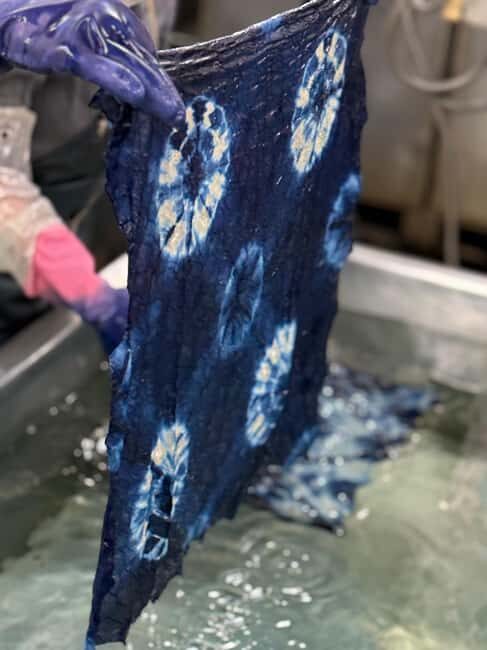
The workshop fee includes one dyeable cotton piece, and you select your item on site. From the info you have, the included options can include a cotton furoshiki (about 45–50 cm), and you may also be offered choices such as a traditional tenugui or a handkerchief style piece with cherry-blossom embroidery. So the practical takeaway is: arrive ready to choose based on what’s available that day.
If you’re wondering whether to upgrade, consider how you want to use your finished indigo item once you get home. The upgrades available on the day are:
- Cotton scarf (lightweight and wearable year-round)
- Silk scarf (more luxurious feel with deep tones)
- Wool stole (from high-quality wool)
One review specifically praised upgrading to cotton scarves as worth it, and that makes sense from a practical value perspective. A scarf is easier to pack than bigger garments, it shows the dye pattern well, and it’s useful right away. If you’re the type who wants your Kyoto souvenir to become a real part of your wardrobe, you’ll probably enjoy the scarf or stole options.
One limitation to plan around: the included item is small. The workshop does not offer large-size fabric or garment dyeing in the basic package (you’re dyeing one piece). If your goal is a whole outfit, this workshop isn’t built for that.
Why this workshop feels like more than a craft class
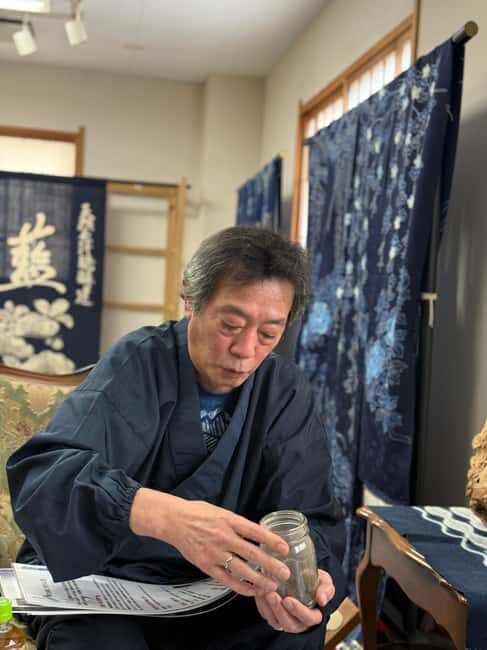
Plenty of craft workshops give you a process and send you on your way. This one also gives you interpretation—the meaning behind indigo and why the studio works the way it does.
You’ll hear about indigo’s history in Japan and its symbolic role in daily life, and you’ll also get cultural context through a bilingual cultural host. People mention the quality of the translation, and staff names come up too. Sakura is called out for translating clearly during the process, which matters because indigo technique is easier when you understand each step fully.
There’s also something quietly important about the workshop’s exclusivity. It’s offered exclusively to international guests for the first time, through a trusted local connection. That helps explain why the details about the studio location are handled carefully and why the experience is intentionally small. You’re not being processed through a checklist.






What it’s like in the moment: protecting your clothes and getting good results
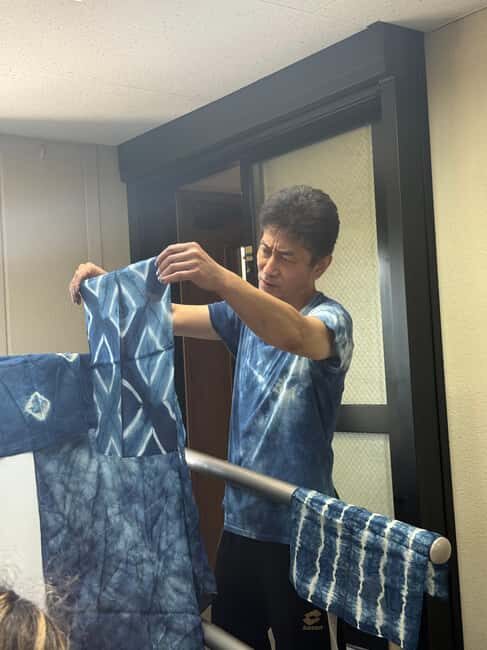
Indigo can stain. That’s the point, and it’s also why the studio outfits you with protection. Reviews mention being given aprons, gloves, and shoe covers to reduce accidental staining. I’d treat that as part of the bargain: you still wear casual clothes you don’t mind risking, but the workshop is designed to help you keep control.
Because you’re working in a traditional space with wooden floorboards, wear shoes with solid grip and support. Even if the studio is calm, you’ll be moving around the dye area and stepping in and out of a workflow.
A practical tip that will make your day smoother: think about your schedule and packing. After dyeing, you’ll want time to handle your finished piece and take photos. Plan to stay relaxed for those final minutes, because the workshop includes a reflection and photo window instead of a rapid departure.
Buying and viewing dyed items in the studio shop
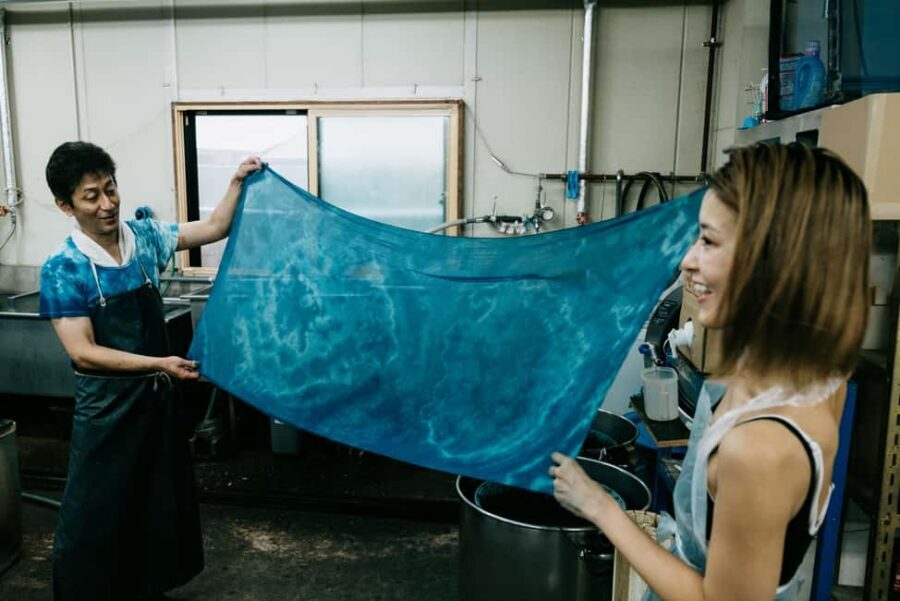
After your dyeing, there’s time to look at finished works. You’ll have an opportunity to peruse and purchase dyed items from the shop, and people mention a gallery space and displays like kimono-related items.
This is useful because seeing finished pieces helps you understand what your results might look like as you learn more technique. It also lets you buy something more complex than what you made during the workshop—if you realize you want a larger furoshiki, a more detailed stitched piece, or a ready-made item.
Bring extra money if you want to shop. Some people specifically suggest bringing enough for souvenirs because the hand-stitching and dye work can be tempting once you see it up close.
Price and value: is $95 fair for 2 hours of real indigo craft?
At $95 per person for about two hours, this workshop isn’t the cheapest “DIY activity” option in Kyoto. But the value comes from what’s included and what you’re actually doing.
You’re paying for:
- Use of natural fermented indigo vats (sukumo)
- Hands-on dyeing guidance from local artisans
- Tools and materials
- A bilingual cultural host for interpretation
- Indigo leaf tea
- A finished takeaway item (one dyeable piece)
Add in the small group size (max 6) and the fact that it’s in a working, historic studio rather than a replica. That small-group attention is part of the cost you’re covering. If you were trying to teach yourself indigo dyeing, you’d need materials, time, and proper vats—and you wouldn’t get the studio’s technique coaching.
So I’d call it good value if you care about craft process and you want a real Kyoto connection. If your only goal is a quick souvenir and you don’t want to get your hands involved, you might find cheaper alternatives more your speed.
Who should book this private atelier workshop
This experience is a great match if you:
- Like hands-on art where you control the technique, not just watch
- Want a Kyoto craft that’s still tied to local families and a working workshop
- Travel with kids or teens who can handle a 2-hour structured activity (the minimum age is 8+)
- Enjoy textile arts, natural dyeing, or fabric patterns
- Want English/Japanese support plus cultural storytelling with the craft
If you want a high-action tour with lots of walking and changing streets every 10 minutes, this isn’t that kind of day. It’s slower and more focused on process and color.
Practical tips so you feel comfortable on arrival
Here’s how to show up ready:
- Wear comfortable clothes you’re okay with getting dirty, even though the studio provides protection.
- Bring comfortable shoes with good grip for wooden floors.
- Expect a traditional studio setting, so dress accordingly.
- Plan for a small footprint: you’ll dye one included piece, typically a cotton textile like a furoshiki/tenugui/handkerchief.
- If you care about logistics: you’ll need to get to western Kyoto. From Kyoto Station, it’s about 30 minutes by train and walk (the exact route will depend on the day and your booking details).
- Know that there’s a restroom on site, but wheelchair access is not available.
Should you book this natural indigo dyeing atelier?
If you want a Kyoto souvenir with actual craft behind it, I’d book it. The combination of natural fermented indigo (sukumo), hands-on guidance, and the fact that you’re in a historic working studio makes this feel like more than a class.
I’d hold off if you’re not willing to get a bit messy, if you need wheelchair access, or if you’re hoping for large garment dyeing. But for most people—especially anyone who likes textiles, patterns, or learning how traditions work day to day—this is the kind of experience that stays with you because you made it with your own hands.
FAQ
How long is the natural indigo dyeing workshop?
It runs about 2 hours total, with roughly 15 minutes for the welcome and studio tour, 60 minutes for dyeing, and 15–20 minutes for tea and closing reflection.
What is the group size?
The group is limited to a small size, with a maximum of 6 participants.
What languages do you get during the experience?
Support is available in English and Japanese.
What does the $95 price include?
The price includes all tools and materials, use of natural fermented indigo vats (sukumo), guidance from local artisans, indigo leaf tea, a bilingual cultural host, an included dyeable cotton piece (selected on site), and a small souvenir gift.
Can I dye something besides the included item?
Yes. You choose an item on the day, and you can upgrade to items like a cotton scarf, silk scarf, or wool stole for additional fees paid on site.
Is shipping available for my dyed item?
Shipping is not included, but it can be arranged upon request at an extra cost.
Is there a restroom at the studio?
Yes, a restroom is available on site.
Is wheelchair access available?
Wheelchair access is not available at this venue.