REVIEW · GEISHA & MAIKO TOURS
Kyoto: The Geisha Districts of Kyoto Walking Tour
Book on GetYourGuide →Operated by Kyoto Fun · Bookable on GetYourGuide
Step into Gion’s living tradition.
This Kyoto geisha districts walking tour is built around more than photos on a crowded sidewalk. I especially like the way the traveler lounge sets the tone first, with a welcome drink plus an interactive slideshow and games tied to geisha customs, before you hit the streets.
You’ll also appreciate the small-group feel and the guided cultural storytelling as you pass many of the area’s historic tea houses. The main drawback to think about: it’s a 2-hour walking tour, so rain or cold weather can make the experience less fun than it sounds on paper.
In This Review
- Key highlights at a glance
- From Miyagawacho to Gion: where geisha culture actually lives
- The traveler lounge: the best part if you hate surface-level sightseeing
- Walking the hanamachi lanes and the tea house world
- Kenninji Temple: a calm reset in the middle of the entertainment district
- Yasui Kompira-Gu Shrine: local details you’ll notice more later
- Ninenzaka: walking Kyoto’s famous slopes without losing the story
- Yasaka Shrine: finishing near the heart of the Higashiyama vibe
- Price and value: $38 is the sweet spot if you want guidance, not just sights
- Who should book this Kyoto geisha walking tour?
- Quick practical tips before you go
- Should you book the Kyoto Geisha Districts walking tour?
- FAQ
- How long is the Kyoto geisha districts walking tour?
- How much does it cost?
- Where does the tour start?
- What languages are offered?
- Is food included?
- Is this tour a small group or private experience?
- Is the tour suitable for people with mobility impairments?
- Is there a way to get a refund if plans change?
Key highlights at a glance
- Start in Miyagawacho with context, a welcome drink, and behind-the-scenes style activities
- Interactive slideshow + geisha-themed games before you walk the districts
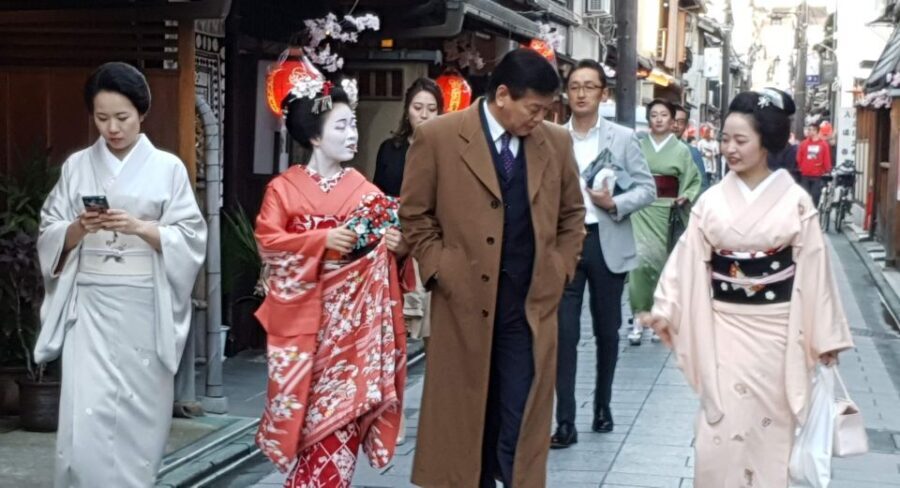
- Chance to spot women in full costume, with guidance on what you’re seeing and why it matters
- Visit 4 of 5 hanamachi districts while walking through Gion-area lanes
- Temple and shrine stops add breathing room and local depth beyond entertainment districts
- End with dinner ideas so you’re not stuck guessing after the tour
From Miyagawacho to Gion: where geisha culture actually lives
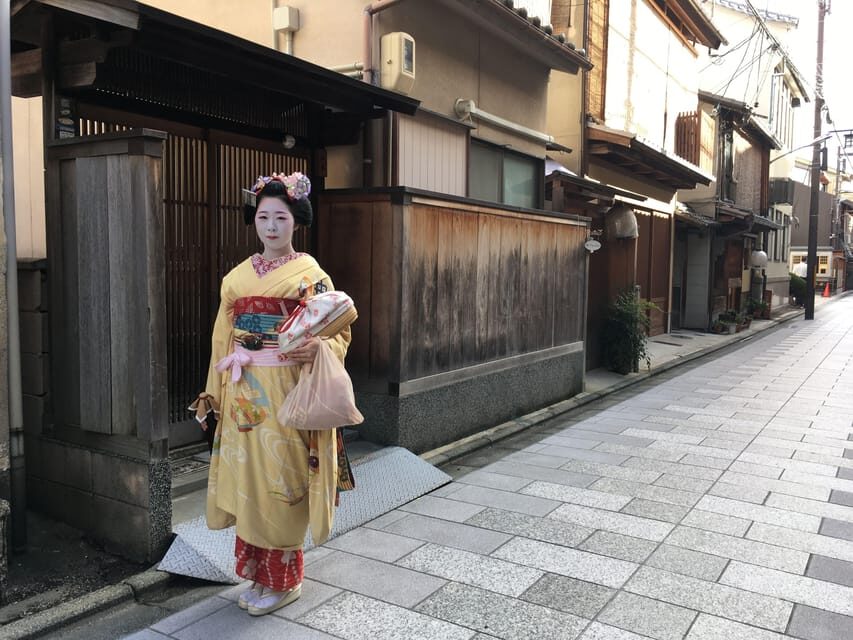
Kyoto’s geisha districts can feel confusing at first. You see narrow streets, wooden facades, and a lot of visitors. But the difference with this tour is that it doesn’t treat geisha culture like a museum exhibit you just glance at and leave.
You start right in Miyagawacho, the kind of place where the district’s rhythm is part of the scenery. Before walking, you get a welcome drink and some solid background on how geisha entertainment districts work—history, customs, and what certain details mean when you encounter them out on the street. It’s a useful way to “get your bearings fast” so the walking part has payoff.
Then you’re guided onto the streets of Gion, Kyoto’s centuries-old entertainment district. With your guide, you learn how hanamachi districts are organized, what the local traditions are about, and what to notice as you pass by tea houses. Instead of just looking, you’re actually decoding what you’re seeing.
One important expectation to set: geisha in full costume are not guaranteed. But the tour gives you the context and street-reading skills to make any chance encounter feel meaningful instead of random.
You can also read our reviews of more walking tours in Kyoto



The traveler lounge: the best part if you hate surface-level sightseeing

A lot of tours dump you onto sidewalks immediately. This one gives you a calmer start. The lounge time is not just a meeting point moment. It’s an introduction designed to turn curiosity into understanding.
Here’s what you can expect inside:
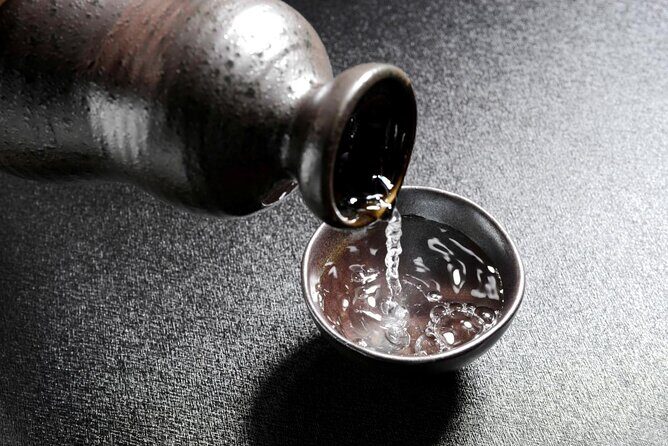
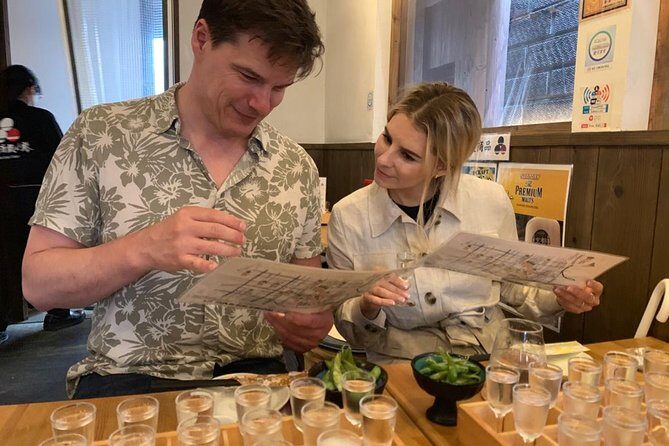
- A welcome drink while the guide gives background on geisha culture
- An interactive slideshow that helps connect the stories to what you’ll see outside
- Games presented as activities done by the geisha world
That sounds playful, and it is. But it’s also practical. If you’ve ever wandered Gion feeling like you’re missing the code, this lounge helps you crack it. You’ll know what questions to ask yourself as you walk: Why are these streets laid out this way? What’s the role of the hanamachi? What makes a tea house a tea house?
It’s also a smart value choice. You’re paying for a guided experience, not just movement. Lounge time makes the guide’s knowledge matter more.
Walking the hanamachi lanes and the tea house world

Once you head out, the pace is steady and the focus stays on the districts. You’ll walk through central geisha areas, seeing hundreds of tea houses as you move between sights.
The tour also aims to cover 4 out of 5 hanamachi districts. That matters because the geisha world in Kyoto isn’t one single neighborhood. It’s a network of districts with their own identity and traditions. By covering multiple districts in a short walk, you get a fuller picture without needing a full day of hopping around.
What I liked most is how the guidance is framed around customs. You’re not just collecting trivia. You’re learning how entertainment districts function socially and historically, and what you should be respectful about while you’re there. That turns the experience from “watching culture” into “visiting with understanding.”
Kenninji Temple: a calm reset in the middle of the entertainment district
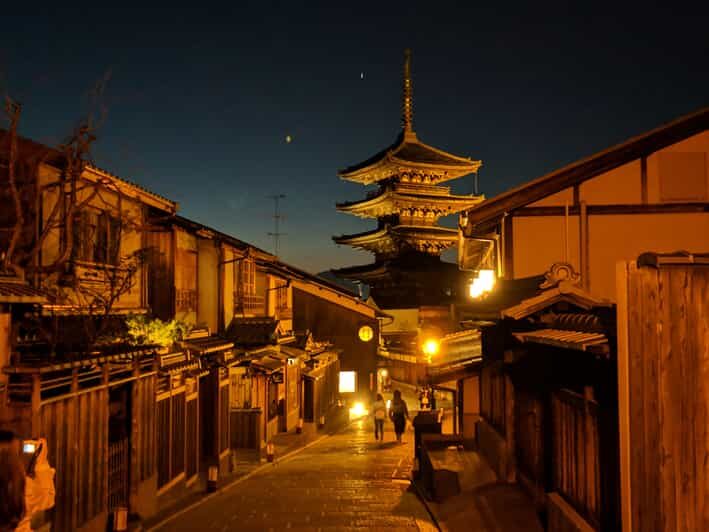
After the initial district walk, you head to Kenninji Temple for about 15 minutes. This is one of those smart pacing choices that makes the full 2 hours feel longer in a good way.
Why it works:
- Temples give you a visual and spiritual pause from the lined-up tea house facades
- It breaks the walk into a rhythm, so you’re not just staring at streets for the whole time
- It adds Kyoto depth beyond the geisha storyline
Even if your real mission is geisha culture, this stop helps you see how Kyoto’s layers overlap. The city isn’t split into separate categories of history. The same area that hosts centuries-old entertainment traditions also holds temples that have shaped daily life in Kyoto for generations.
Yasui Kompira-Gu Shrine: local details you’ll notice more later
Next is Yasui Kompira-Gu Shrine (around 15 minutes). Shrines like this often show up on your Kyoto map as a dot. On this tour, it becomes something else: a local reference point tied into the walk and the surrounding neighborhood mood.
This stop is helpful because it keeps the tour from becoming one-note. You’re still in the same broader Higashiyama/Gion zone, but you’re seeing a different kind of Kyoto culture in a short window.
Practically, you’ll also appreciate this as a leg-breather. You’re about halfway through your time, and a shrine stop lets you reset your attention before the more visually busy parts of the walk later on.




Ninenzaka: walking Kyoto’s famous slopes without losing the story
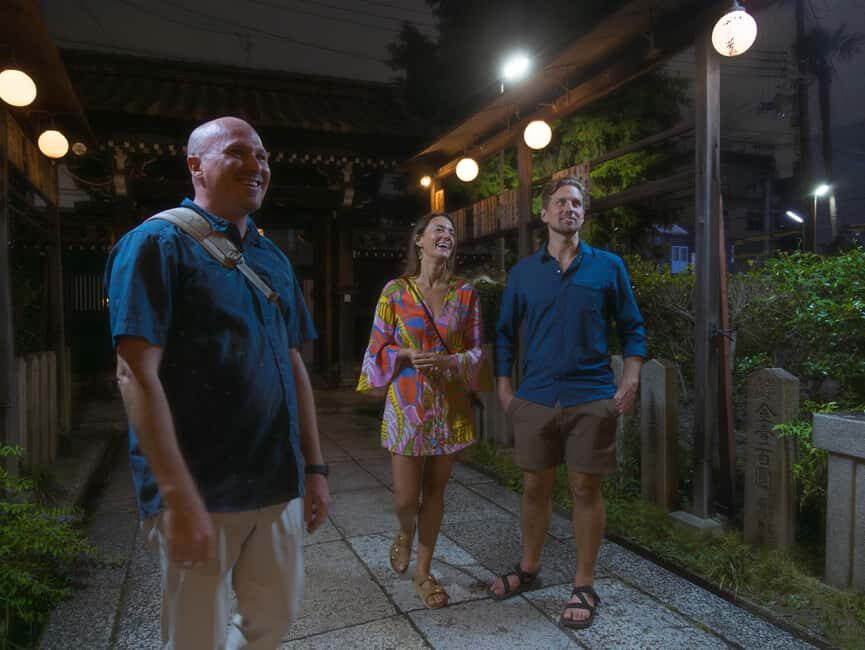
Then you reach Ninenzaka for about 20 minutes. This is where your senses start getting busy in a good way: the street feel changes, the scenery tightens, and you’re in one of Kyoto’s most characterful pedestrian areas.
On a geisha-focused tour, it’s easy to worry that a famous shopping slope will feel like a detour. Here, it actually helps you understand what “historic streetscape” means in practice. You’re not just in a district lane behind the scenes—you’re experiencing the wider Kyoto environment that shapes how visitors and locals move through the area.
Just keep your expectations balanced. Ninenzaka can be lively. This isn’t the quiet temple route. The guide’s job is to help you keep the bigger cultural lens on while you’re passing through a more tourist-heavy zone.
Yasaka Shrine: finishing near the heart of the Higashiyama vibe
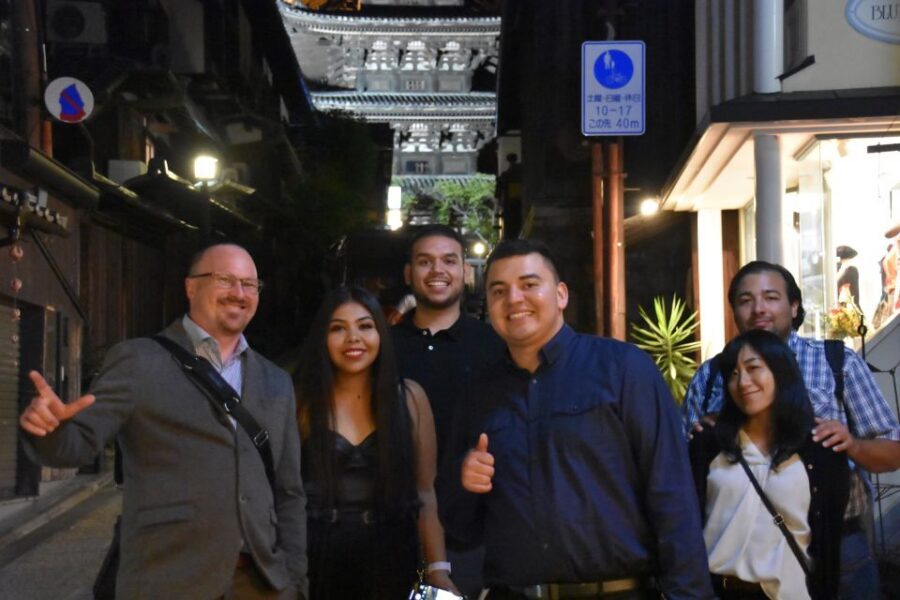
The tour wraps with Yasaka Shrine (about 20 minutes) and then help with suggestions for where to go after, especially for dinner.
This ending works because Yasaka Shrine is a major anchor in the Higashiyama area. You end with a sense of place. Instead of feeling like you wandered into a district and left the second it got interesting, you finish at a landmark that helps you reconnect to the rest of your day.
Also, the dinner suggestions are more useful than people think. If you’ve spent the earlier part of the tour learning about Kyoto etiquette and the district’s world, it’s a nice follow-through to get practical ideas for food afterward—without turning the rest of your evening into guesswork.
Price and value: $38 is the sweet spot if you want guidance, not just sights
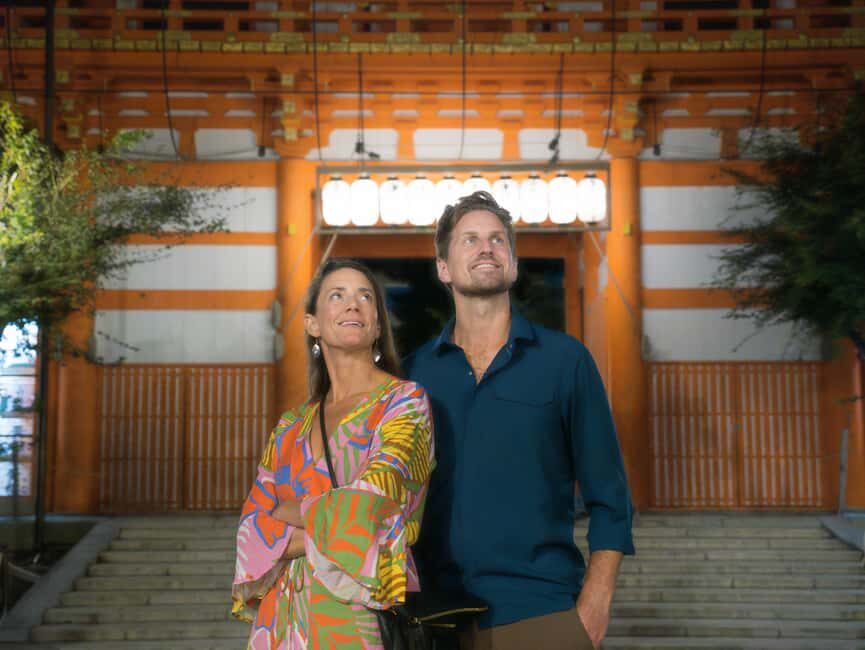
At $38 per person for about 2 hours, this is priced for people who want a guided cultural walkthrough, not a DIY checklist.
Here’s what makes it feel like decent value:
- You get a bilingual live guide (English and French are offered)
- You get more than walking: welcome drink + lounge activities + an interactive slideshow and games
- You’re seeing a dense area with lots of historic detail, including multiple hanamachi districts and shrine/temple stops
The biggest value unlock is the lounge-to-street flow. If you only wanted to stroll Gion, you could do it for free. The paid part is the context and interpretation: what you’re seeing, how to read it, and what to be respectful about while you’re there.
The price becomes less of a bargain if you strongly dislike walking or you’re only in Kyoto for a quick stop where you can’t spare 2 hours for a structured route.
Who should book this Kyoto geisha walking tour?
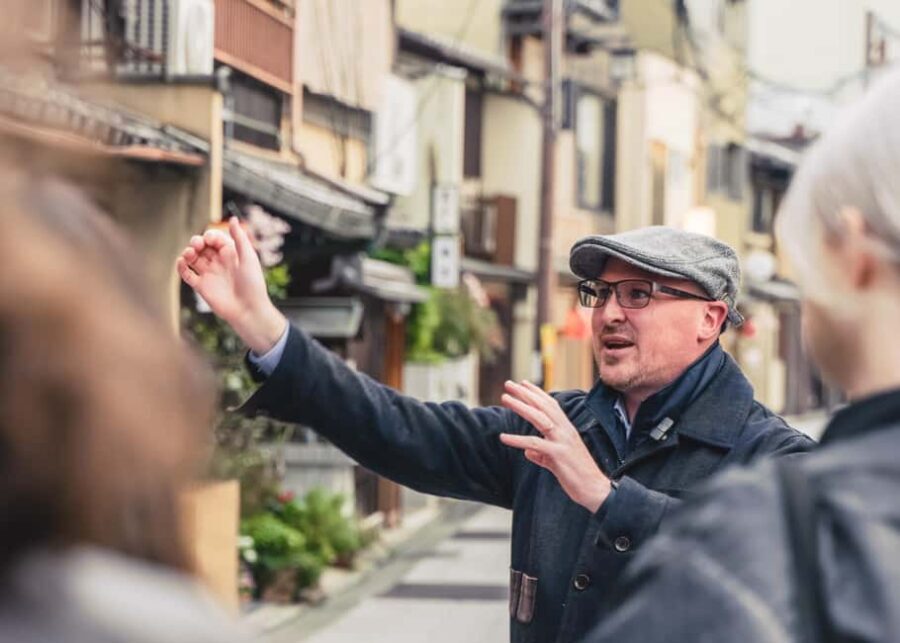
This is a great fit if:
- You’re fascinated by geisha culture and want more than surface photo stops
- You like guided explanations of customs and district history
- You prefer small groups or private options, which makes it easier to hear and ask questions
- You want a short plan that includes both entertainment district context and Kyoto temple/shrine scenery
It’s not a great fit if:
- You’re dealing with mobility limitations, since it isn’t suitable for people with mobility impairments
- You hate rain-weather walking. If the weather turns, plan to dress for it and accept that you’ll be outside for most of the experience.
Quick practical tips before you go
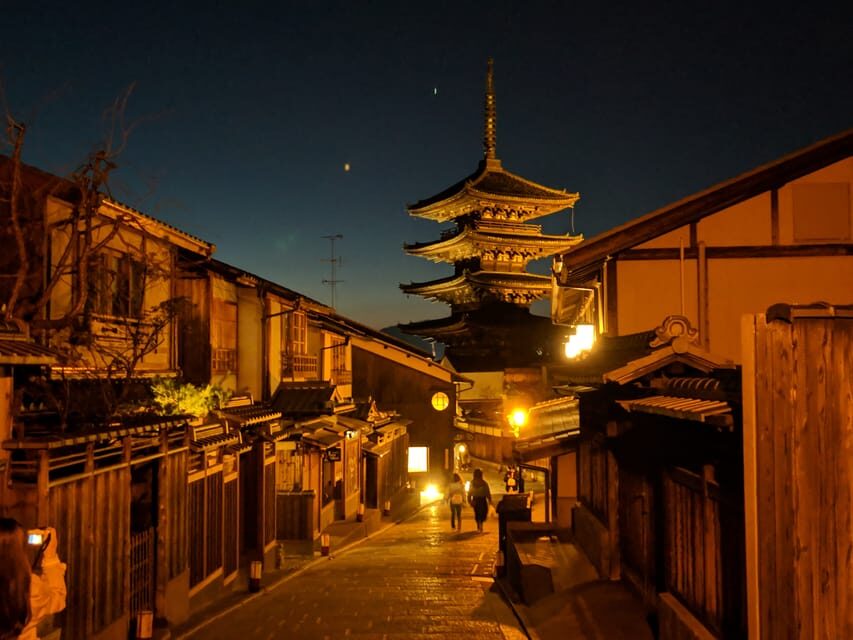
- Wear shoes you trust. You’ll be walking through older streets and pedestrian areas.
- Bring a layer. Even when Kyoto feels mild, you can get chilly once you’re moving outdoors.
- If you’re a first-timer to Gion, arrive ready to pay attention. This tour gives you context, but you’ll still need your eyes open.
And if you’re hoping for a glimpse of women in full costume, remember: it’s a chance, not a guarantee. The payoff is in knowing what you’re looking at when it happens.
Should you book the Kyoto Geisha Districts walking tour?
If you want a short, guided way to understand Kyoto’s Gion and hanamachi culture, I’d book this. The lounge start is the difference-maker: you get background, games, and a welcome drink before you’re walking through the district maze. That structure makes the experience feel coherent, not random.
Skip it if you’re mainly after a casual stroll with zero explanations, or if weather worries you a lot. Otherwise, for $38 and about two hours, it’s one of the more thoughtful ways to see geisha districts with respect, context, and a plan that ends at a place you can keep exploring.
FAQ
How long is the Kyoto geisha districts walking tour?
The tour lasts 2 hours.
How much does it cost?
It costs $38 per person.
Where does the tour start?
The meeting point may vary depending on the option booked. One start option listed is Kyoto Fun (河松マンション), and the tour also starts from a traveler lounge in Miyagawacho.
What languages are offered?
The live guide is available in English and French.
Is food included?
No. Food and drinks are not included, but you do get a welcome drink at the traveler lounge.
Is this tour a small group or private experience?
It offers private or small groups.
Is the tour suitable for people with mobility impairments?
No. It is not suitable for people with mobility impairments.
Is there a way to get a refund if plans change?
You can cancel up to 24 hours in advance for a full refund.