REVIEW · WORKSHOPS
Kyoto: Japanese Hair Accessories & Brooch Workshop
Book on GetYourGuide →Operated by Limited Liability Company Coko · Bookable on GetYourGuide
Kyoto can be loud, but this workshop slows you down fast. In about 90 minutes, I like the idea that you make a wearable 2-way accessory using traditional materials like washi, and you walk away with something truly yours. One consideration: 90 minutes is long enough for a polished keepsake, but it can still feel a bit short if you want to go super detailed.
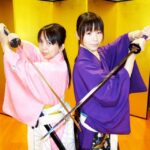
What I’d call a real bonus is the experience wrapper. You can put on a traditional haori jacket during the session, and the crafting is guided by instructors who are praised for being Mikiko-san and Ayumi-san—kind, patient, and clear when you’re learning from scratch.
In This Review
- Key points before you go
- A wearable Kyoto souvenir you can actually use
- Where the workshop fits in your Kyoto day (Nijo Castle area)
- What to bring and what to wear (so you can focus on crafting)
- The core experience: a hands-on 90-minute accessory build
- Choosing colors and making it yours
- How the haori jacket changes the vibe
- Meet the instructors and the teaching style you want
- Tea, sweets, and the keepsakes that make the price feel fair
- Value check: is $80 good value in Kyoto?
- Who should book this workshop (and who might skip it)
- Planning tips that make the day smoother
- Should you book Kyoto Japanese Hair Accessories & Brooch Workshop?
- FAQ
- How long is the Kyoto hair accessory and brooch workshop?
- How much does it cost?
- Where is the workshop in Kyoto?
- What will I make during the workshop?
- What materials are used?
- Is a haori jacket provided?
- What’s included besides the craft?
- Do I need to bring anything?
- Is the workshop family-friendly?
Key points before you go
- A 2-way accessory: design it to wear as a hair ornament or a brooch
- Traditional materials you can name and recognize: washi paper, mizuhiki cords, origami, and artificial Japanese flowers
- You get the outfit: haori jacket rental is included during the workshop
- Calm, hands-on learning: instruction in English (and Japanese), with a teacher who’s comfortable explaining step-by-step
- More than one souvenir: certificate plus a handmade gift, plus tea and sweets
A wearable Kyoto souvenir you can actually use
This isn’t one of those “look, then pack it away forever” souvenirs. The point is practical craft: you create a single accessory that can live in two places on your life—your hair or on a jacket/bag as a brooch. That’s why the workshop feels better than a typical photo-only stop. You’ll design it around colors and materials you genuinely like, and then you can wear it the same way you wear a scarf or statement earring.
Even better, you’re using materials that have meaning in Japanese design. Washed through the process—color choices, folding, tying, and layering—the materials turn into something personal instead of just decorative. And the workshop includes a photo session so you can remember what you made alongside your Kyoto outfit.
You can also read our reviews of more tours and experiences in Kyoto

Where the workshop fits in your Kyoto day (Nijo Castle area)
The workshop is in central Kyoto near UNESCO World Heritage Site Nijo Castle, and it’s described as a short walk from there. That location matters because it keeps the workshop from feeling like a chore to reach. If you’re already planning time in the Nijo Castle / downtown zone, this activity slots in nicely as a break between bigger sightseeing hits.
You also get easy access to major Kyoto areas like Gion, Arashiyama, Kawaramachi, and Karasuma. Translation: you can plan your day so you’re not constantly crossing the city. I like workshops in this kind of central spot because you can keep momentum. You’re not burning half your day on transit just to do a 90-minute experience.
What to bring and what to wear (so you can focus on crafting)
You don’t need special gear. Bring a camera and comfortable clothes. That’s enough.
Also, you’ll be offered a haori jacket rental during the workshop. So even if you’re arriving in normal travel clothes, you’ll still get that dressed-up Japanese look while you craft. It’s a nice way to match the activity without needing to shop for a full outfit.
Quick practical tip: wear something you can move in while you’re working at a table—no fussy sleeves, no worry about snagging. You’re creating with paper and cords, and you’ll want to feel relaxed.
The core experience: a hands-on 90-minute accessory build
This is a classic “make it yourself” workshop, with expert guidance throughout. You’ll spend the bulk of your 90 minutes designing and crafting your accessory using traditional-style components, including:
- Washi paper
- Mizuhiki cords
- Origami
- Artificial Japanese flowers
Here’s what that means for you. You’re not just assembling a pre-made item. You’re choosing the look—colors and materials—and then shaping the structure and layers so the final piece matches your taste. That’s why the activity feels personal even if you’re a first-timer.
You’ll also have a kimono-clad teacher who provides professional instruction in English (with Japanese also available). That combination is a big deal. Craft workshops can go sideways when language is unclear. Here, the guidance is meant to keep you on track, and the experience is praised for explanations that make sense.
Choosing colors and making it yours
One of the strongest parts of this workshop is the freedom to choose your own palette. You’ll pick your favorite colors and materials, which changes everything about the final look—soft and seasonal, bold and modern, or balanced and elegant.
I like this because “personalized” is usually marketing fluff. Here, it’s actual personalization you can see. Even if two people use the same base materials, the final accessory can look totally different depending on color choices and how you layer elements.
If you’re traveling solo, this is a smart way to turn your time into a keepsake that feels like you. If you’re going with a partner or friends, it becomes a friendly comparison game: same workshop, different results.






How the haori jacket changes the vibe
You’ll wear a traditional haori jacket rental during the workshop. This isn’t just a costume. It helps you connect with the style language of the craft. You’ll be making an accessory designed to pair with outfits, so putting it in context right away makes the whole session feel more coherent.
Then there’s the added bonus: you get a photo session with your creation and outfit. That means you’re not scrambling afterward for “proof you did the thing.” You leave with photos that actually show the accessory in use.
The overall atmosphere is described as relaxing, and the environment is also praised as friendly for creative expression. That lines up with what you want from a craft class: calm guidance, time to focus, and not feeling rushed.
Meet the instructors and the teaching style you want
Two names show up in the feedback with consistent warmth: Mikiko-san and Ayumi-san. Both are described as kind and supportive, with patient teaching that helps you enjoy the process instead of stressing over accuracy.
That matters because Japanese craft can look delicate from the outside. In a good workshop, you get the “why” behind each step, and you’re encouraged to build confidence as you go. The teaching here is also mentioned as polite and well-explained, which is exactly what you want when you’re learning with your hands.
Bottom line: if you’re worried you’ll be slow, or you’re not the arts-and-crafts type, this workshop is set up to help you succeed.
Tea, sweets, and the keepsakes that make the price feel fair
After you craft, you don’t just get an item and leave. You also get a complete experience wrap-up:
- Japanese tea and sweets (included)
- A certificate of completion
- A handmade souvenir in addition to your own creation
This is a key value point. Many workshops only give you the thing you make. Here, you also receive a meaningful certificate plus an extra handmade gift. That turns the class into a full memory, not just a desk ornament.
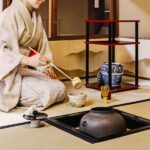
The included tea also helps you slow down at the end. You can take a moment to look at your finished accessory, compare it to what you imagined, and enjoy the calm after the crafting work. It’s the kind of small detail that makes the workshop feel thoughtfully finished.
Value check: is $80 good value in Kyoto?
At $80 per person for a 90-minute workshop, you’re paying for more than time. You’re paying for:
- materials for crafting (traditional components)
- haori jacket rental
- professional instruction in English (and Japanese)
- a certificate
- a handmade souvenir in addition to what you make
- Japanese tea and sweets
- time for guidance plus a photo session
Without pricing separate items, it’s hard to do a perfect math comparison. But the structure here is what I look for when I want value. You’re not paying just to watch or assemble something. You’re paying to create with real materials, get taught step-by-step, and receive multiple take-home items.
For couples, solo travelers, and small groups, this can be a strong alternative to another museum visit when you want something you can keep. For families, it’s also an activity where the child-friendly version exists, so you’re not left hunting for an adult-only plan.
Who should book this workshop (and who might skip it)
This workshop is a great fit if you want:
- a handmade Kyoto souvenir you can wear
- a calm, creative break during sightseeing
- an activity that works for solo travelers, couples, or groups
- traditional Japanese materials you can learn to describe and recognize
It’s also a solid choice if you like instruction and structure. The workshop is described as relaxing and well explained, and instructors are praised for kindness and patience—exactly the support you want when you’re new to craft.
You might consider a different activity if:
- you want a longer session (you only have 90 minutes)
- you dislike hands-on work entirely and prefer purely observational experiences
Planning tips that make the day smoother
Here are a few practical ways to make this workshop feel easy:
- Plan it near Nijo Castle. You’ll save time and stress, and it makes the rest of the day more efficient.
- Bring a camera and expect photos. You’ll do a photo session with your creation and outfit, so you’ll want your phone charged.
- Wear comfortable clothes. Even with the haori rental, you’ll still be sitting and handling materials.
- Come with a color idea. Even a rough preference (pastels vs. strong colors) helps you decide faster when you’re choosing materials.
- If you’re traveling with kids, ask for the kid-friendly version. Children are welcome, and the workshop is available in a kid-friendly format.
Should you book Kyoto Japanese Hair Accessories & Brooch Workshop?
I’d book this if you want an activity that gives you something usable, not just something you buy. The biggest reasons are the 2-way accessory (hair ornament or brooch), the traditional materials you work with, and the fact that the workshop includes more than your creation: you also get a certificate, a handmade souvenir, and tea with sweets.
The other deciding factor is the teaching vibe. With instructors like Mikiko-san and Ayumi-san described as kind, patient, and clear, you’re likely to enjoy the process even if you’re not crafty. If that sounds like your kind of Kyoto day, this workshop is a good bet.
FAQ
How long is the Kyoto hair accessory and brooch workshop?
The workshop lasts 90 minutes.
How much does it cost?
It costs $80 per person.
Where is the workshop in Kyoto?
It’s near Nijo Castle in central Kyoto, described as a short walk from the UNESCO World Heritage Site.
What will I make during the workshop?
You’ll create a one-of-a-kind accessory that can be worn as either a hair ornament or a brooch.
What materials are used?
The workshop uses traditional Japanese materials such as washi paper, mizuhiki cords, origami, and artificial Japanese flowers.
Is a haori jacket provided?
Yes. A traditional haori jacket rental is included for use during the workshop.
What’s included besides the craft?
You’ll receive a certificate of completion, a handmade souvenir, and Japanese tea with sweets.
Do I need to bring anything?
You should bring a camera and wear comfortable clothes.
Is the workshop family-friendly?
Yes. Children are welcome, and there is a kid-friendly version of the workshop available.