REVIEW · GION DISTRICT WALKING TOURS
Kyoto: Gion Walking Tour
Book on GetYourGuide →Operated by LAMBDA CUBE LLC · Bookable on GetYourGuide
Kyoto’s Gion feels like time travel. In two hours, you’ll get an easy, organized walk through the alleyways and streets that most people just pass by, with explanations that connect Kyoto’s long story to daily life right now. I like how the tour is small (max 6), so it stays interactive, and I really like that the guide actively invites your questions.
One thing to note: maiko or geiko sightings aren’t guaranteed, and Hanamikoji-dori isn’t included, so this is more about understanding Gion than chasing a perfect photo moment.
In This Review
- Key things I’d lock in before you go
- Gion in two hours: what you’ll actually see
- Starting at the Disney Store: meeting point and first orientation
- Pontocho Alley and Sanjo Ohashi: the riverside story you’ll feel in your feet
- What I liked about this segment
- Gion-Kobu north walks: Shinbashi dori, Shiragawa, and the Tatsumi Shrine detour
- Why this matters for your first visit
- Gion-Higashi and Yasaka Shrine: where the Gion name gets explained
- A note on expectations
- Maiko and geiko life, explained without the guesswork
- Who might be extra happy on this tour
- How the guides keep it personal (and still organized)
- Price and value: what $35 buys you in Kyoto time
- Timing tips: start times and seasonal route changes
- Should you book this Kyoto Gion Walking Tour?
- FAQ
- How long is the Kyoto Gion Walking Tour?
- What does the tour cost?
- How many people are in the group?
- Where do we meet the guide?
- Which areas of Gion does the tour cover?
- Is Hanamikoji-dori included in this walk?
- Can I expect to see a maiko or geiko?
- What languages are offered?
- What should I bring with me?
- Are there seasonal route changes?
Key things I’d lock in before you go
- Three hanamachi areas on one walk: Pontocho, Gion-Kobu, and Gion-Higashi
- A question-friendly guide who uses an iPad for supporting photos and videos
- A route that’s about 3.3 km / 2 miles, paced for real conversation
- A history stop at Yasaka Shrine (formerly tied to the Gion name)
- Seasonal route changes during late March to early April for cherry blossoms
- Clear limits: no Hanamikoji-dori, and no guaranteed maiko/geiko sightings
Gion in two hours: what you’ll actually see
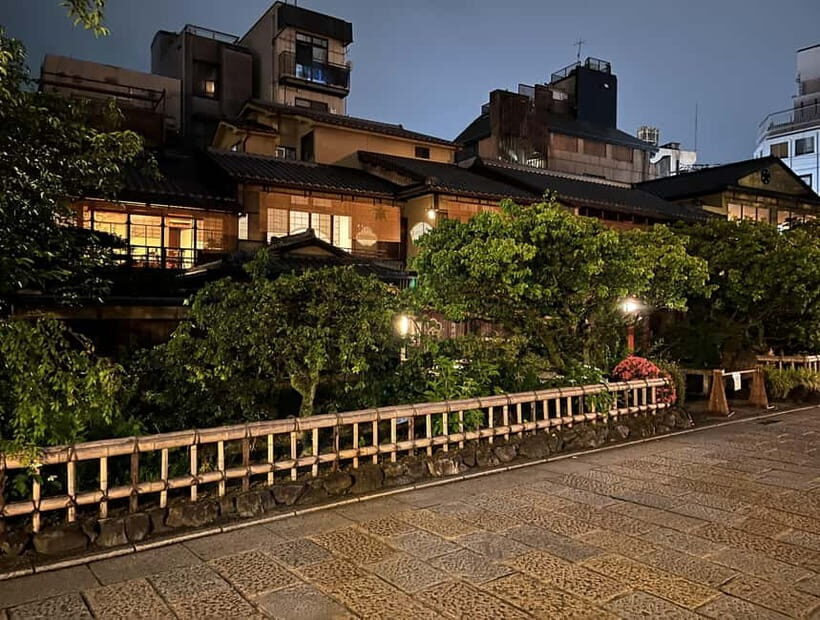
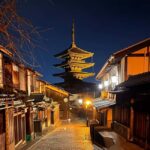
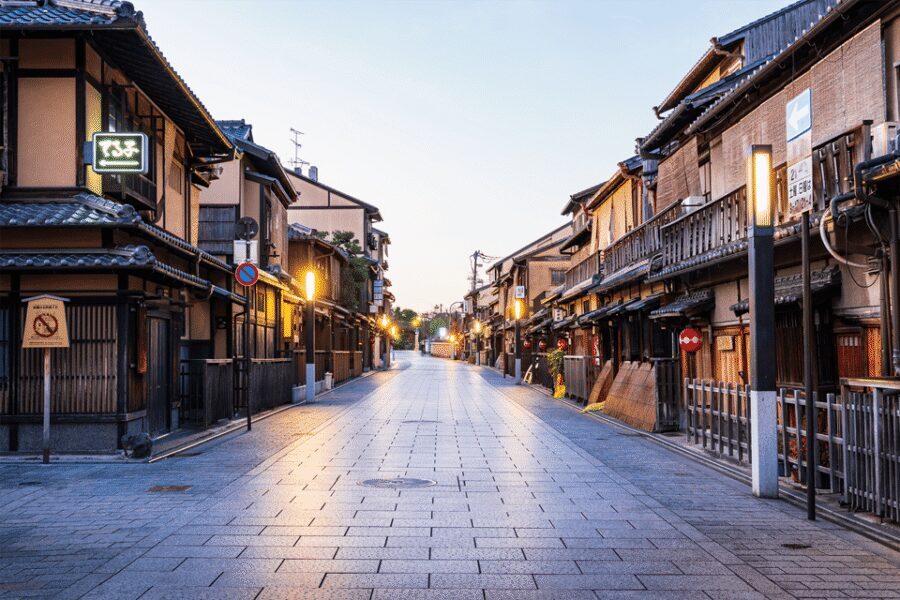
Gion is Kyoto’s famous entertainment district, yes—but it’s also a working neighborhood with historic streets, traditional houses, and layers of meaning you’ll miss if you only wander on your own. This tour keeps things focused: you cover three hanamachi areas (Pontocho, Gion-Kobu, and Gion-Higashi) plus a major shrine tied to the area’s identity.
The pace matters here. You’re walking roughly 3.3 km total, and the guide builds in frequent stop-and-look moments, so you get to ask questions instead of just taking photos and moving on.
If you’re the kind of traveler who likes details—why a street is shaped the way it is, what a small landmark means, how people live around all this tradition—this tour format fits well. If you’re only hoping to spot a geiko in motion, manage expectations.
You can also read our reviews of more walking tours in Kyoto
Starting at the Disney Store: meeting point and first orientation
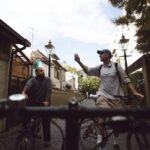
You’ll meet the guide in front of the Disney Store at Kyoto Shijo-Kawaramachi. Look for the person sitting and holding an iPad, with tour branding visible.
That first minute helps more than you might think. Once the guide starts walking, you’ll feel like you’re getting an interpretive map of Gion in real time—what to notice, where to look down an alley, and what sounds to listen for as you approach the next street.
Because there are no amenities included, come ready. Comfortable shoes are the big one (it’s an alley-and-street walk), and if you’re going in sunny weather bring water, sunscreen, and an umbrella. A sun hat helps too.
Pontocho Alley and Sanjo Ohashi: the riverside story you’ll feel in your feet
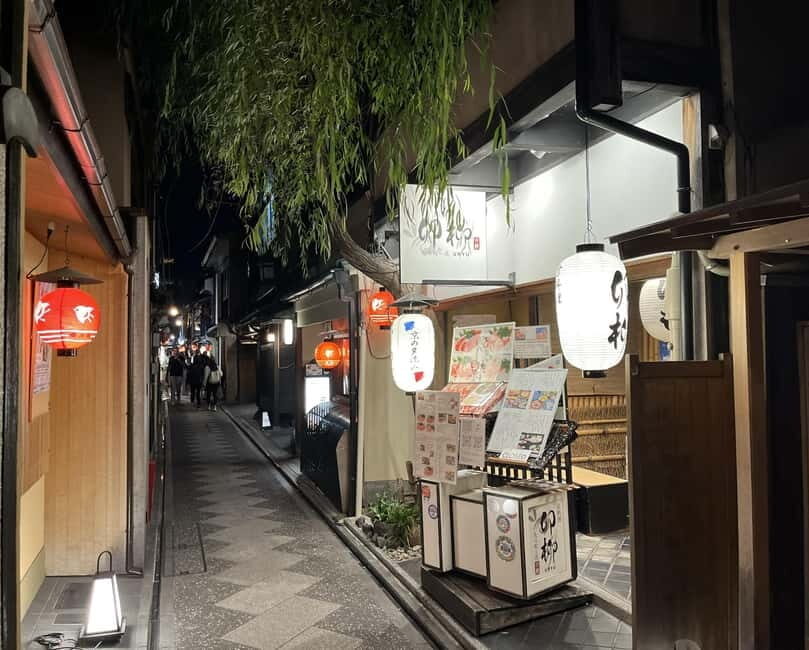
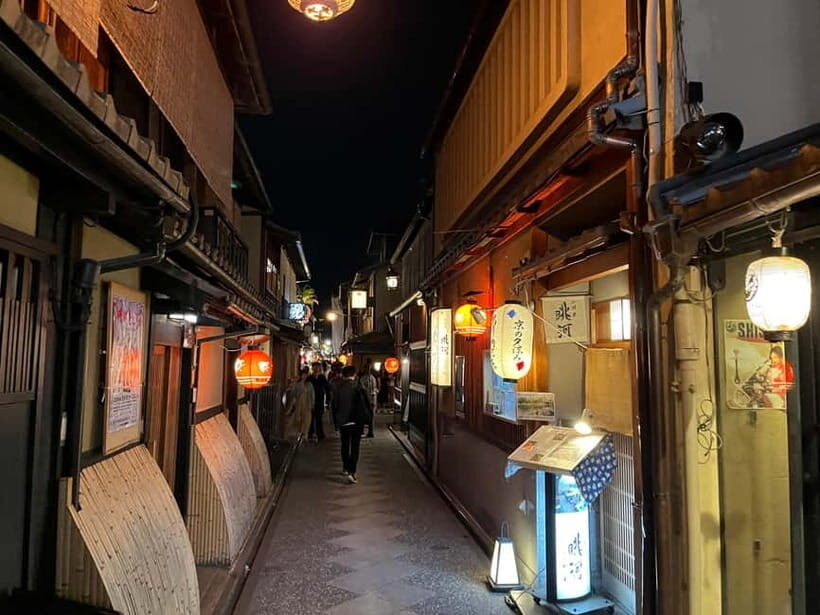
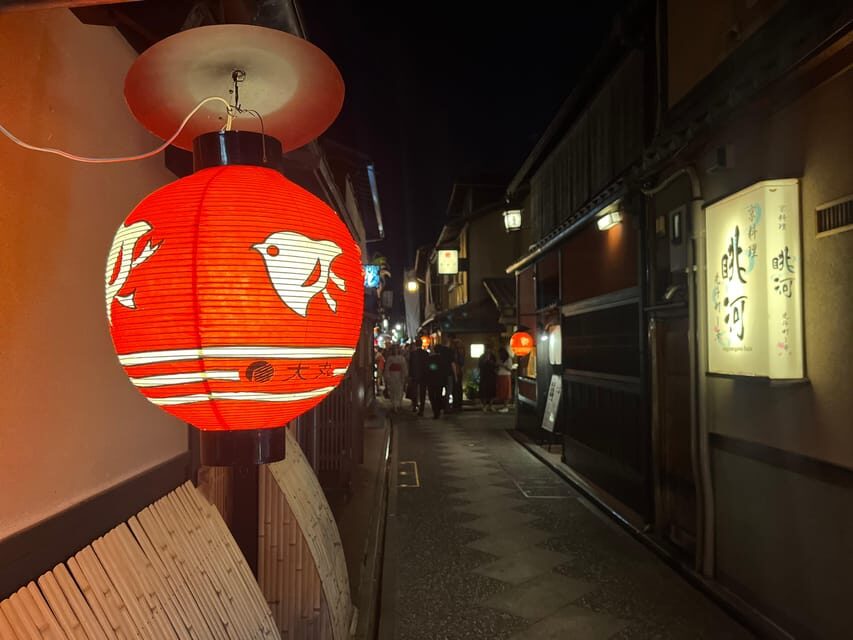
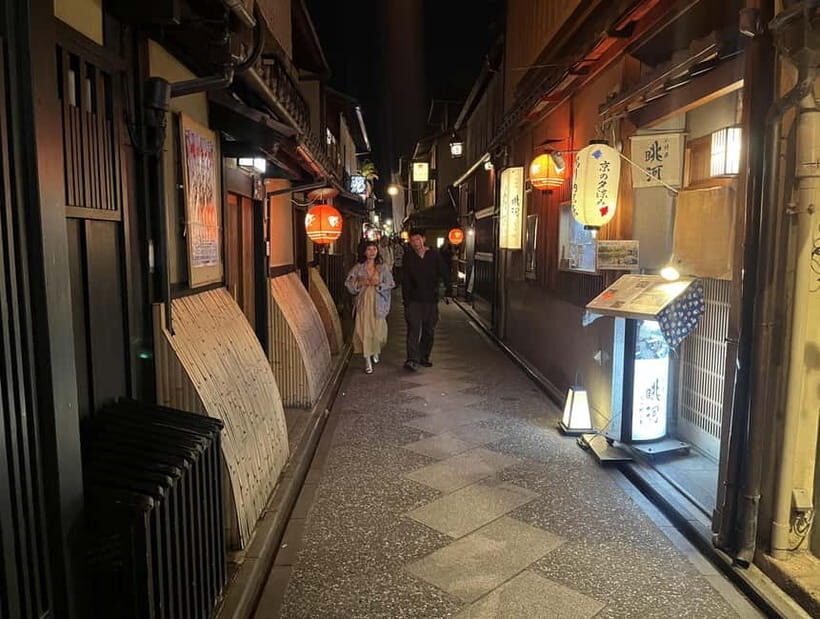
The tour begins with Pontocho Alley, where the atmosphere is all about narrow space and Kyoto’s old street rhythm. Instead of treating it like a backdrop, the guide connects the place to the area’s role over time, and that makes you see how “pretty” and “functional” can be the same thing in Kyoto.
Next comes Pontocho Kaburenjo, followed by a stretch that leads you toward the Kamogawa riverside area. You’ll pause to see the Yagi-san and Kita-san statues, then continue toward Sanjo Ohashi (bridge).
Bridges sound generic until you realize what a bridge does in a city like Kyoto: it’s a hinge point between neighborhoods and a natural place to explain how movement and daily life line up with historic districts. After that, you’ll head along Yamato-dori, which helps shift you from “alley sightseeing” into “how the whole area is laid out.”
What I liked about this segment
- The guide doesn’t just point at scenery. You learn what to notice and why.
- Stop time feels intentional, not wasted, which keeps the walk from turning into a rushed checklist.
Gion-Kobu north walks: Shinbashi dori, Shiragawa, and the Tatsumi Shrine detour
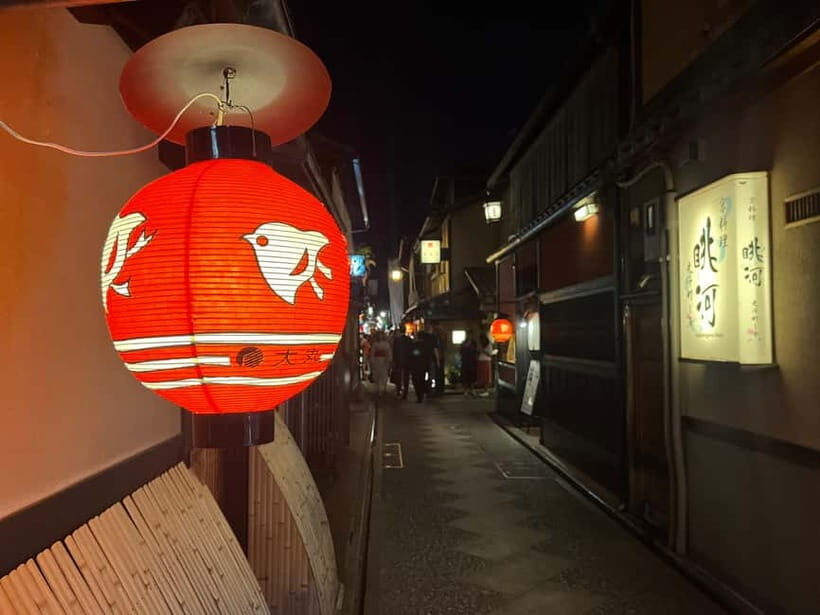
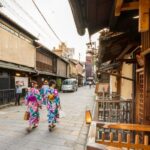
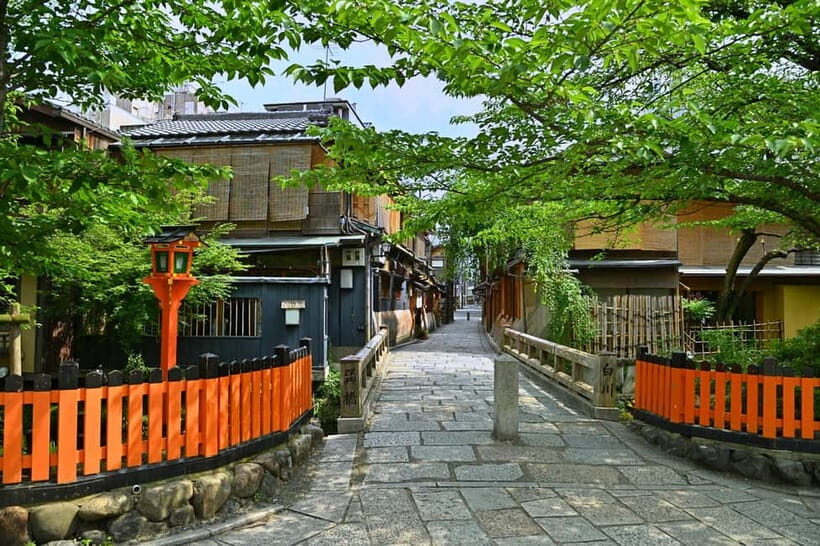
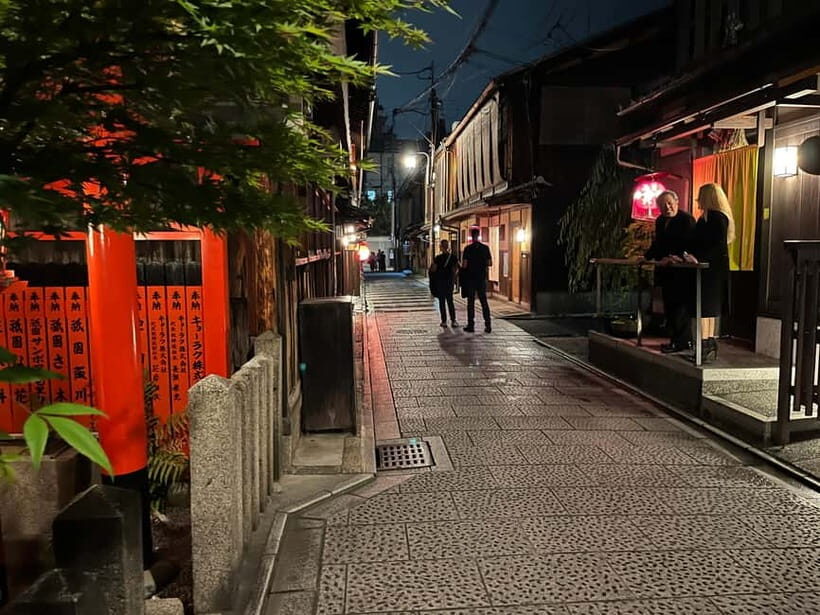
After Pontocho, you move into Gion-Kobu, including Gion Shinbashi dori and Gion Shiragawa. This is where the tour starts to feel deeper than the postcard version of Gion. The guide uses these streets to explain the hanamachi idea—what the district means, how the community functions, and what daily life looks like around it.
Then you’ll head to Tatsumi Jinja (Tatsumi Shrine). Temples and shrines often show up as quick stops on walking tours, but here it’s part of the bigger narrative: the guide ties religious sites to local identity and the long history of the area.
If you want a small “breather” moment, the next landmark—Tatsumi Hashi (bridge)—works well. It resets your perspective before you continue, and it gives you one more chance to look around rather than just follow the group.



Why this matters for your first visit
Many people walk into Gion and only notice the famous image. This part teaches you to read the neighborhood: street names, smaller lanes, and how sacred spaces fit into everyday routes.
Gion-Higashi and Yasaka Shrine: where the Gion name gets explained
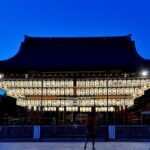
The tour finishes by moving through Gion-Higashi and then visiting Yasaka Jinja (Yasaka Shrine). This is a highlight because it’s tied to the district name—Yasaka Shrine is the site that the tour connects to the former name of Gion Shrine, with the story traced back more than 1100 years.
If time allows, you may also get an explanation of the Gion Festival, including how it connects back to the Gion district origins. This isn’t just trivia. When you understand where a festival’s story comes from, you stop seeing Kyoto culture as separate events and start seeing it as one long thread.
A note on expectations
You’ll get meaning, context, and a guided way of noticing details. But the tour is honest about one thing: a maiko or geiko sighting can’t be guaranteed. That’s actually a good sign for how the guide runs this—your experience doesn’t depend on luck.
Maiko and geiko life, explained without the guesswork
One of the most praised parts of this tour is how the guide talks about the maiko and geiko world in a practical, human way—covering lifestyle, practices, activities, and routines you can understand even if you’ve never studied Kyoto culture before.
You’ll likely hear this through the lens of the guide’s personal experience in Japan, and it comes across as conversational. Many questions get answered on the spot, even the ones that start out as random observations.
This is also where the iPad support matters. The guide uses it to show references—photos or short visuals—so you’re not left just trying to guess what something means from appearance alone.
Who might be extra happy on this tour
- First-timers in Kyoto who want the why behind the look
- Travelers who enjoy asking questions and getting direct answers
- People who want Gion culture without turning the entire day into a search for a single sighting
How the guides keep it personal (and still organized)
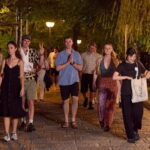
The small group size—limited to 6 participants—changes the vibe. You can hear the guide, keep up without sprinting, and actually talk through what you’re seeing instead of waiting your turn.
In the guide roster mentioned by past guests, you’ll see names like Jose and Saskia. Saskia, in particular, is noted for being a native Dutch speaker, which is a big comfort if Dutch is your language and you want a guide who can make the details land naturally.
Across different departures, the common thread is energy and responsiveness. People mention the guide keeps stopping at the right moments and adjusting to your interests, which explains why the tour often feels more like a guided chat than a lecture with marching orders.
Price and value: what $35 buys you in Kyoto time
At $35 per person for 2 hours, you’re paying for three things that matter in Kyoto: (1) guided context, (2) access to spots you’d likely miss, and (3) a low-stress pace built for questions.
This tour covers multiple key zones in one loop—Pontocho, Gion-Kobu, Gion-Higashi, plus Yasaka Shrine—without making you navigate transit or map decisions. For many people, that alone makes it good value, because Gion is easy to “walk past” when you don’t know what to notice.
There’s no pressure to buy add-ons during the tour, either. You’re also not stuck with a rigid script; if you’re curious about what you’re seeing, the structure is set up to help you ask.
Timing tips: start times and seasonal route changes
There are two common departures noted: 9:45 and 12:30. On those start times, the guide may include a free visit to the Gion Gallery if you choose to extend your time.
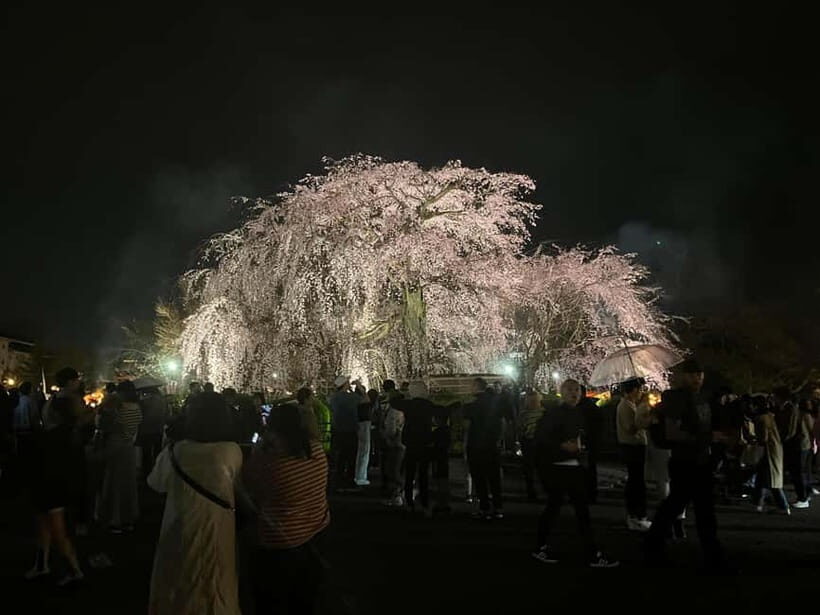
If you’re traveling in late March through early April, the route may shift slightly to highlight cherry blossoms around Gion. If blossoms are on your wish list, it’s worth choosing the slot that lines up best with what dates you’re in town.
Should you book this Kyoto Gion Walking Tour?
I’d book it if you want Gion to make sense, not just look beautiful. This is the right fit when you care about history-to-today connections, enjoy architecture-level details, and you like a guide who can answer questions as you walk.
I wouldn’t count on it if your main goal is a guaranteed maiko or geiko sighting. The tour is clear that sightings aren’t promised, and Hanamikoji-dori isn’t part of the walk, so it won’t match an itinerary built purely around that specific street.
If you’re in Kyoto for a short stay and you want a guided orientation to the Gion districts in a controlled 2-hour window, this one is a strong choice.
FAQ
How long is the Kyoto Gion Walking Tour?
The tour lasts 2 hours.
What does the tour cost?
It is priced at $35 per person.
How many people are in the group?
The group is limited to 6 participants.
Where do we meet the guide?
Meet in front of the Disney Store at Kyoto Shijo-Kawaramachi, and look for the guide holding an iPad.
Which areas of Gion does the tour cover?
You’ll visit Pontocho, Gion-Kobu, and Gion-Higashi, along with Yasaka Shrine.
Is Hanamikoji-dori included in this walk?
No. Hanamikoji-dori is not included.
Can I expect to see a maiko or geiko?
No. Maiko and/or geiko sightings cannot be guaranteed.
What languages are offered?
Spanish, Dutch, French, and English.
What should I bring with me?
Bring comfortable shoes, a sun hat, an umbrella, sunscreen, and water.
Are there seasonal route changes?
Yes. During cherry blossoms season (late March to early April), the route can be slightly altered to showcase blossoms around Gion.
Would you like me to tailor a quick “best departure time” suggestion based on your Kyoto dates (and whether you’ll be there for sakura or not)?