REVIEW · KYOTO CRAFT WORKSHOPS
Kyoto: Japanese Calligraphy Class
Book on GetYourGuide →Operated by MK TRAVEL · Bookable on GetYourGuide
A brush stroke beats a souvenir magnet. In Kyoto, this Japanese calligraphy class turns a quick stop into something you can actually use and keep. It runs in about an hour and starts right in front of Kyoto Station, so you can fit it between temple hops.
I like that the instruction is English and geared for real beginners. I also like the personal touch: you write basic characters, then your own name and a favorite word in Kanji (with help finding options). One consideration: the session is short, so you’ll be learning the basics, not producing calligraphy-level artwork.
By the end, you’re not leaving empty-handed. You take home what you make, plus extra workshop items like cards or a fan, so your effort becomes a souvenir you can show off without feeling guilty about another fridge magnet.
In This Review
- Key Highlights You Should Know
- Kyoto Calligraphy in One Hour: Good for Busy Days
- Meeting in Front of Kyoto Station: Easy Start, Less Stress
- The 60-Minute Flow: Brush Ink, Basic Kanji, and Your Personal Characters
- 1) A quick lecture on brush control and ink application
- 2) Write basic characters, then make a Kanji scroll
- 3) Your name and a favorite word in Kanji plus alphabet
- 4) Make your own souvenirs and take them home
- What You Make: Scrolls, Fans, Cards, and Paper Keepsakes
- English Instruction and Patient Coaching: The Real Secret Sauce
- Price and Value: Why $51 Can Feel Fair Here
- Who This Class Is Best For (and Who Might Want to Skip)
- Practical Tips to Get the Most From Your Hour
- Should You Book This Kyoto Calligraphy Class?
- FAQ
- How long is the Japanese calligraphy class?
- Where do I meet for the class?
- Is the instruction offered in English?
- What materials are included in the class?
- Can I take my calligraphy home?
- Is there help choosing Kanji for names and words?
- Is this class private or in a group?
- What is the age limit?
- Can I cancel for a full refund?
Key Highlights You Should Know
- Kyoto Station meeting point makes this easy to plug into a day
- English instruction included, with patient support for first-timers
- You’ll make a Kanji scroll using what you practice in class
- Your name and a favorite word can be written in Kanji and alphabet
- Staff explain stroke ideas and meaning, not just copy-the-shape
- Multiple take-home items, including paper goods and fan-style souvenirs
Kyoto Calligraphy in One Hour: Good for Busy Days
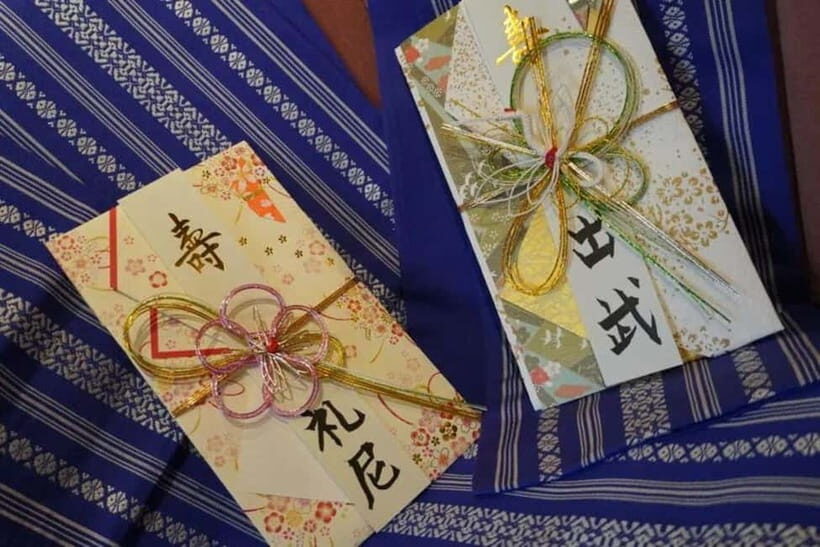
If you only have a day or two in Kyoto, you need experiences that don’t eat your whole schedule. This class is timed for that reality: one hour with a clear progression, from tools to finished keepsakes. It’s also a nice break from the constant walking and decision-making of sightseeing.
What makes it work is structure. You’re not just watching someone demonstrate. You practice. Then you apply what you learned to something personal, like your name or a word you chose. That’s why it feels satisfying even if you’re a total beginner.
The goal here isn’t perfection. It’s control, comfort, and understanding. You learn how to hold the brush, how ink behaves, and how strokes build characters. If you show up ready to try, you’ll leave with work you actually recognize as yours.
You can also read our reviews of more tours and experiences in Kyoto

Meeting in Front of Kyoto Station: Easy Start, Less Stress
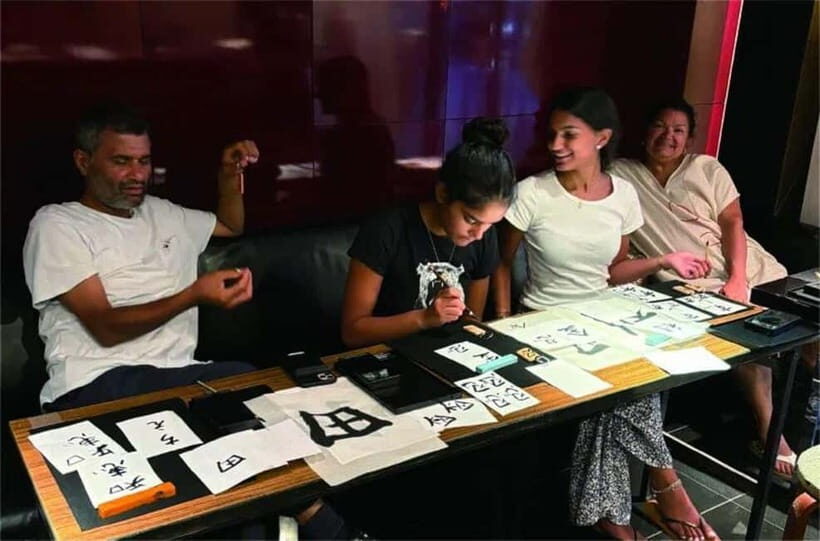
The meeting point is in front of Kyoto Station. That’s a big deal, especially if you’re arriving by train or switching between lines. You don’t need a mystery bus ride or a long walk to a backstreet studio.
In practice, it means you can plan around Kyoto’s transit flow. You can do this before lunch, after a morning at a nearby area, or as a breather between bigger sights. And because it’s close to a major hub, it’s easier if your timing gets a little chaotic.
Also, small groups (and private options) are available. That matters because calligraphy is hands-on. The closer the teacher can get to your paper and your grip, the faster you improve.
The 60-Minute Flow: Brush Ink, Basic Kanji, and Your Personal Characters
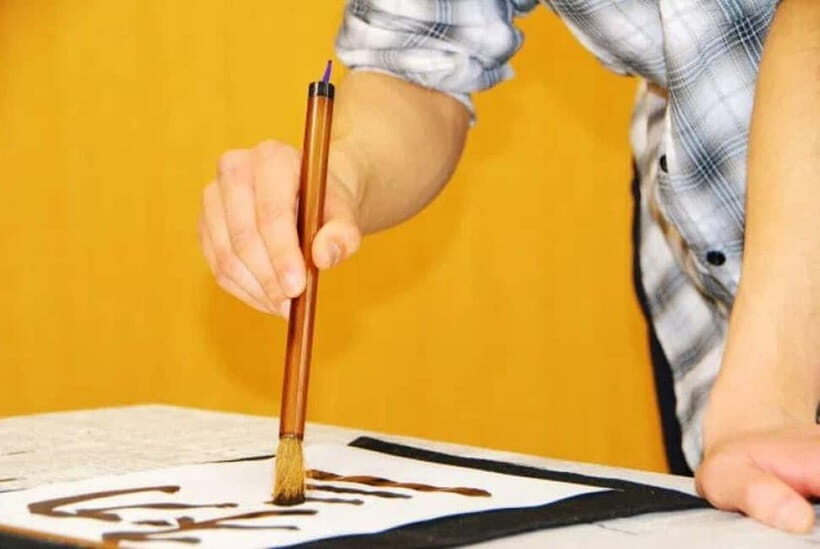
This class moves in steps, and each step has a reason.
1) A quick lecture on brush control and ink application
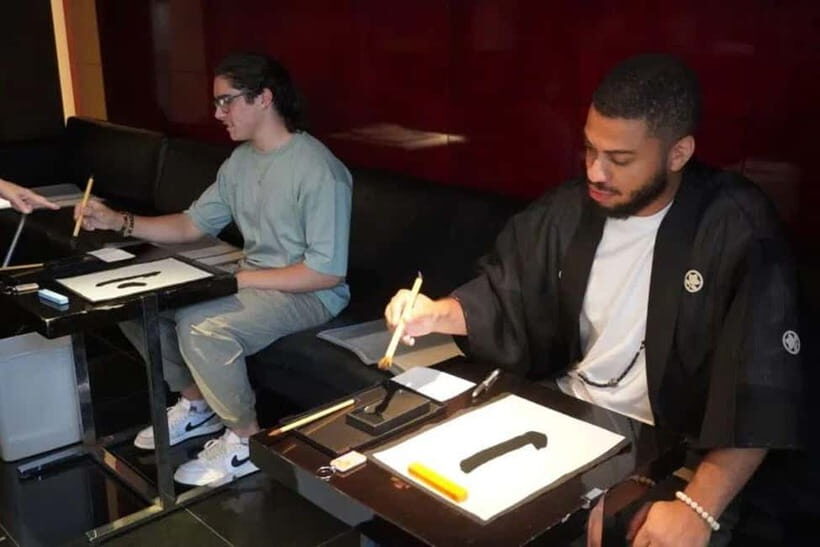
You start with a lecture on how to use a brush and apply ink. This is the foundation part, but it’s not technical in a way that requires prior art training. It’s more like learning the rules of the tools so your writing stops feeling random.
Why this matters: ink spreads, brushes flex, and pressure changes stroke shape. If you skip this, your characters can look uneven even when you’re trying hard. With the instruction up front, you spend the next part practicing with purpose.
2) Write basic characters, then make a Kanji scroll
Next, you write basic characters. You create a scroll of the Kanji characters you write, and you take it home. This step gives you a win early, and it also sets you up for the personalization phase.
A potential drawback: a scroll takes time to do neatly, and class time is limited. If you’re the type who wants everything perfect, you might feel rushed. The fix is to focus on good strokes, not fancy decoration.




3) Your name and a favorite word in Kanji plus alphabet
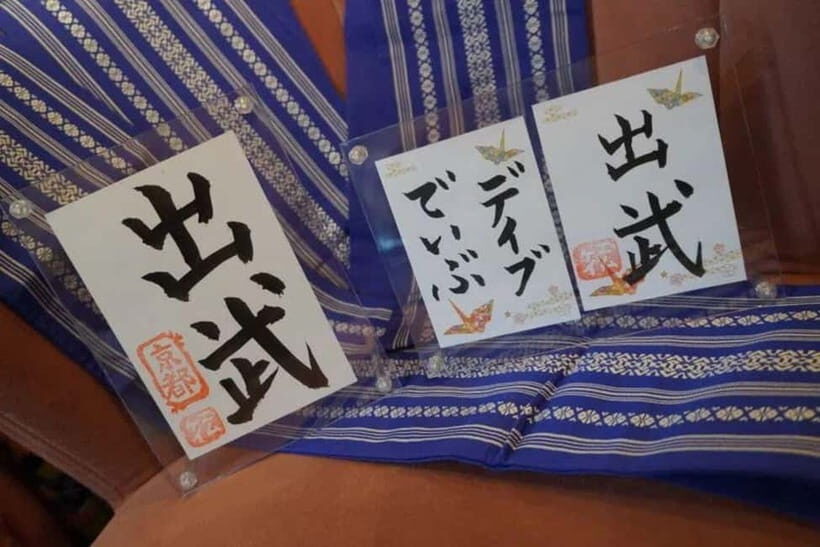
Then you write your own name and a favorite word. The class includes assistance for possible Kanji characters and their meanings. You can end up with your name translated into Kanji options, and also include alphabets depending on what you choose.
This is where the class becomes more than practice. The staff may suggest choices like:
- Brian → 武礼安
- 武 relates to martial themes (bravery/martial commander)
- 礼 points to politeness or gratitude
- 安 means peace
- Liz → 梨図
- 梨 means pear
- 図 connects to painting or picture
Those meanings are important because they turn a character selection into something personal. You’re not just copying shapes; you’re learning why that choice exists.
4) Make your own souvenirs and take them home
Finally, you make your own souvenirs. The class includes items you can take away, and the format can include paper crafts and fan-style pieces. You’re not just collecting a single sheet of paper. You leave with multiple handmade items.
Because some souvenir options aren’t spelled out in every detail, you should plan for the fact that you might get a mix of items like a Japanese fan, postcard, picture frame, stationary, or a special card. Either way, your effort becomes the souvenir.
What You Make: Scrolls, Fans, Cards, and Paper Keepsakes
The best calligraphy class souvenirs are the ones that feel linked to your actual practice. This one is built that way.
You make:
- A Kanji scroll featuring the basic characters you practice
- Personalized writing: your name and a favorite word in Kanji and alphabet
- Additional take-home items created during the workshop, such as a fan, postcard/stationary, picture frame-style keepsakes, or a special card
From what you can expect in real use, these extras turn the class into a small gift-making session. One benefit of paper crafts: they pack easily. A scroll is more delicate, but you can usually handle it with care and keep it protected.
Also, the take-home angle helps you justify the price. You’re paying not only for instruction, but for materials and the finished products that leave with you.
English Instruction and Patient Coaching: The Real Secret Sauce
Calligraphy is easier when someone corrects your stroke while you’re doing it. This class includes English instruction, and the support is described as patient and encouraging.
Some past instructors named in the experience include Rena, and also pairs such as Lana and Waka. Other teachers mentioned include Yoshia Kobayashi and Kou. The common thread across these names is the same: clear explanations and help with getting strokes right.
Here’s what that changes for you:
- You don’t need to guess how hard to press.
- You learn which part of the stroke matters most (the start, the curve, the finish).
- You get answers when you ask about writing or cultural meaning.
One review-style theme you’ll feel in your own hands: the pace is supportive. You’re guided, but you’re not pushed through a rigid script. That’s especially helpful if you’re slower with fine motor tasks.
Price and Value: Why $51 Can Feel Fair Here
At $51 per person for about one hour, the value depends on what’s included and what you take home. This class includes the supplies you need: brushes, ink, and washi-paper. Those materials would cost money on their own, especially if you were planning to practice later.
On top of materials, you get instruction in English, plus staff help choosing Kanji options and explaining meanings. Then you take home your scroll and additional souvenirs created in class.
In other words, you’re paying for:
- Teaching time (including corrections)
- The tools and paper you need
- Finished items that become keepsakes
- A personalized outcome: your name and a favorite word
If you want a souvenir you can keep for years, this is usually a better use of money than something that just sits on a shelf. It also makes a strong option if you want a cultural activity without committing to a half-day tour.
Who This Class Is Best For (and Who Might Want to Skip)
This is a great fit if:
- You’re curious about Japanese writing and want to try it firsthand
- You want an activity that is low-stress and beginner-friendly
- You like crafts you can take home, not just photos
- You want English support rather than trying to learn a craft entirely by guesswork
It may be less ideal if:
- You expect a long, deep training session
- You’re traveling with kids under 5, since the class is not suitable for children under 5
- You want to leave with highly advanced calligraphy skills in a single hour
But for most people, it hits the sweet spot. It’s short, hands-on, and structured, with enough personalization to feel meaningful.
Practical Tips to Get the Most From Your Hour
You don’t need special training before you go. But a little prep makes the hour more comfortable.
- Plan to arrive a few minutes early since the meeting point is fixed and the session is time-bound
- Wear clothes that you’re okay protecting from ink risk (even with careful handling, calligraphy is ink work)
- Think of a favorite word before you arrive so you can move quickly when it’s time to write it
- If you care about your name in Kanji, be ready with the spelling you want considered
- Expect staff help for possible characters and their meanings, so don’t worry if you don’t know Kanji
Also, if you’re juggling sightseeing days, this works well as a reset. The focus required for brush strokes slows your pace in a good way. It’s a different energy from walking through crowded streets.
Should You Book This Kyoto Calligraphy Class?
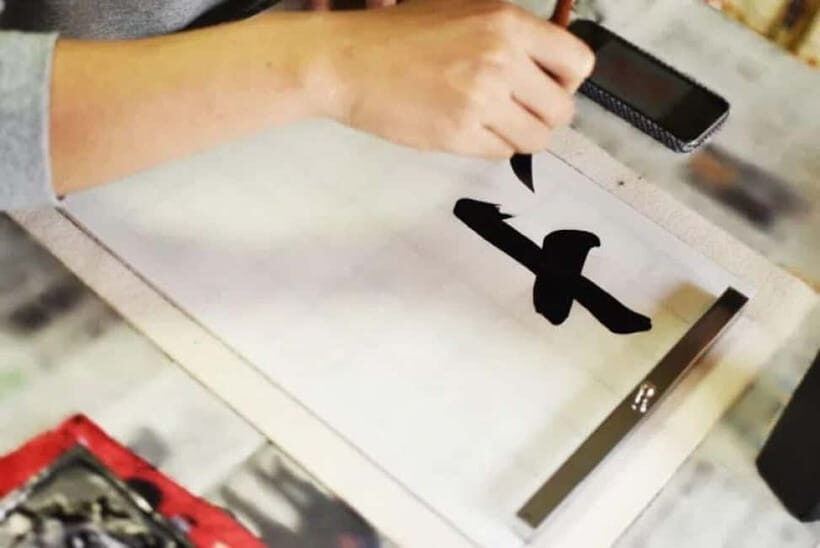
Book it if you want a Kyoto activity that’s creative, personal, and easy to fit near Kyoto Station. The English instruction and hands-on guidance are the big reasons this class works for beginners. You’re also leaving with more than one souvenir: the Kanji scroll plus extra handmade items gives you real take-home value.
Skip it if you need something long and intensive, or if you’re traveling with children under 5. And if you’re expecting a masterpiece after one hour, adjust your expectations. You’ll come away with learning and keepsakes, not a lifetime-level skill overnight.
FAQ
How long is the Japanese calligraphy class?
The class lasts about 1 hour. The exact timing can vary depending on how the activities go.
Where do I meet for the class?
The location is in front of Kyoto Station. The specific meeting point may vary depending on the option you booked.
Is the instruction offered in English?
Yes. English instruction is included.
What materials are included in the class?
You get use of brushes, ink, and washi-paper.
Can I take my calligraphy home?
Yes. You can take your products home as souvenirs, including your scroll and other items made during the class.
Is there help choosing Kanji for names and words?
Yes. Staff assist with possible Kanji characters and their meanings when you write your name and a favorite word.
Is this class private or in a group?
It’s offered as private or small groups.
What is the age limit?
The class is not suitable for children under 5 years.
Can I cancel for a full refund?
Free cancellation is available up to 24 hours in advance for a full refund.