REVIEW · WORKSHOPS
Kyoto Ramen Noodle Making Class
Book on Viator →Operated by byFood · Bookable on Viator
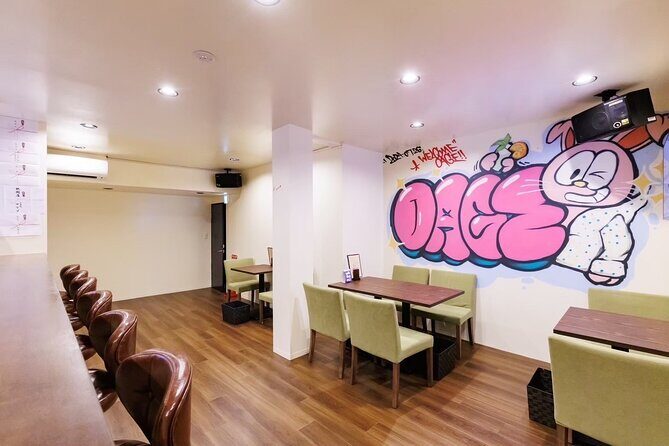
One-hour ramen magic happens at the counter. This Kyoto ramen noodle making class in Musoshin’s Gion location is fun, hands-on, and very practical: you make wheat noodles from scratch with a professional noodle machine, then get to eat a bowl prepared by the chef. I especially like the clear, English-friendly instruction (past classes have been led by instructors such as Kaz, Azu, and Amiru) and the fact that you go home with a souvenir bandana after you wear an apron. One thing to consider: this is focused on noodle-making, not a full ramen cooking lesson, so you won’t be running the broth process yourself.
If you’re visiting Kyoto and want food that isn’t just something you watch from a distance, this format is hard to beat. The small group size (up to 6 travelers) keeps it interactive, and you’re working directly with the dough steps—pouring water, kneading, rolling, and cutting. It’s also comforting that the shop offers tasting options for vegetarian, vegan, and pescetarian diets if you let them know ahead of time.
In This Review
- Key Highlights You’ll Actually Feel
- Where This Class Fits in Your Kyoto Plans
- The Hands-On Noodle Steps (And Why They Matter)
- Chef-Made Broth and Your Finished Bowl
- Diet Options That Don’t Feel Like an Afterthought
- Small Group Size = More Time on the Machine
- What’s Included (And What You’ll Want to Bring)
- Price and Value: What $48.27 Buys You
- Logistics Without the Headache
- So… Is This a Noodle Class or a Cooking Class?
- Who Should Book This Class?
- Who Might Want to Skip It
- Should You Book This Kyoto Ramen Noodle Making Class?
- FAQ
- How long is the Kyoto ramen noodle making class?
- Where is the meeting point for this experience?
- What does the class cost?
- Is there an English-speaking instructor?
- What’s included in the price?
- Does the class offer vegetarian or vegan options?
- What kind of noodles are you making?
- How big is the group?
Key Highlights You’ll Actually Feel
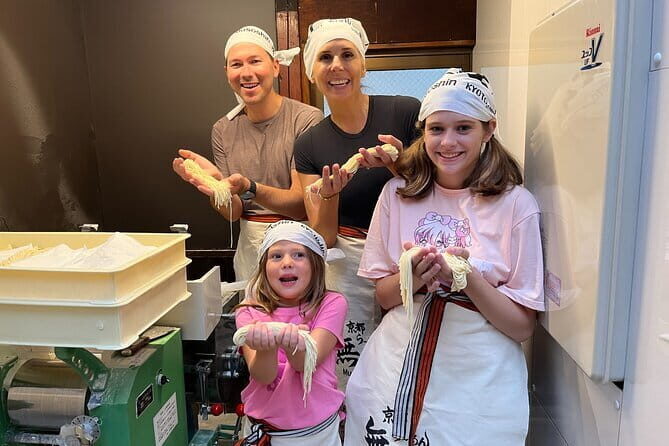
- Pro noodle-making machine plus guided dough work for real chew, not just a demo
- Chef-made ramen bowl at the end, so you taste what your noodles become
- English-speaking instruction with instructors like Kaz, Azu, and Amiru (based on prior sessions)
- Kyoto Gion setting inside Musoshin’s central shop, not a far-off academy
- Diet flexibility for vegetarian, vegan, and pescetarian tasting (with advance notice)
Where This Class Fits in Your Kyoto Plans
Kyoto is packed with food stops, but a noodle workshop is a different kind of meal. You’re not just ordering ramen and moving on. You’re making the core part—the wheat noodles—with your own hands, then tying it all together with a bowl you eat right after.
The location matters too. This takes place at Musoshin Gion in central Kyoto (you’ll meet at 558-2 Komatsuchō, Higashiyama Ward, Kyoto, 605-0811). It’s also described as near public transportation, which is a big deal in Kyoto where walking can add up fast depending on where you’re staying.
Timing is straightforward: plan for about one hour. There’s no long production schedule or waiting around. You’ll be active, learn the process step-by-step, and end with your ramen meal.
You can also read our reviews of more tours and experiences in Kyoto

The Hands-On Noodle Steps (And Why They Matter)
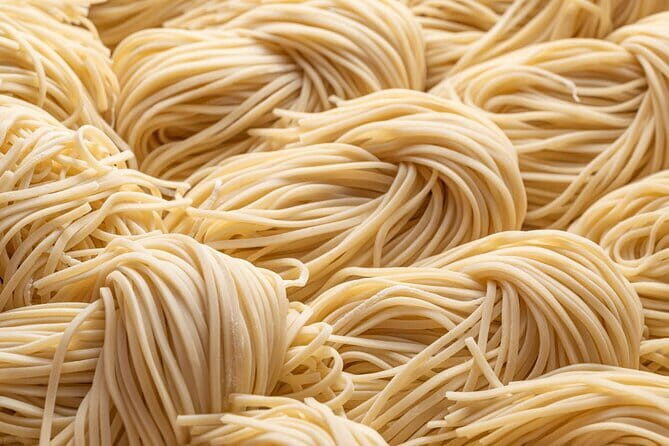
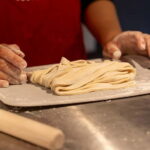
The heart of this experience is learning how to turn dough into ramen noodles using a professional noodle-making machine. You’ll start with dough made from two types of flour, then move through the core workflow the instructor guides you through.
Here’s what you can expect you’ll do during the class:
- Pour water to start the dough process
- Knead the dough
- Roll it out using the machine
- Cut it into ramen noodles
Even if you’ve never touched dough before, the structure helps. The instructor is there for the key moments, which is where most DIY attempts go wrong. And once you’ve made noodles yourself, you start noticing things you normally skip: thickness, consistency, and why ramen noodles aren’t just “noodles,” they’re a texture choice.
Also, this workshop is very intentional about focus. You’re learning noodles from scratch, while the restaurant team handles the rest so you can taste ramen that actually matches the noodles you made.
Chef-Made Broth and Your Finished Bowl
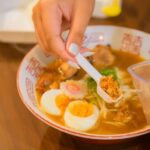
After your noodle-making work, the reward comes quickly. The class includes a bowl of ramen made by the chef—so your finished noodles don’t end up as a raw souvenir. You get to eat what you helped create.
The broth is described as a vegetable-based blend prepared by Musoshin’s ramen chef. That means the flavor is built to pair with the noodle texture you worked on. You’ll also get one soft drink with the meal, which makes the whole experience feel like a complete stop rather than a snack-and-show.
One practical upside: since the chef prepares the broth, you’re spared the long, detail-heavy cooking time that comes with traditional ramen making. You still get the experience of learning the most hands-on part—noodles—then you get a proper bowl at the end.
Diet Options That Don’t Feel Like an Afterthought
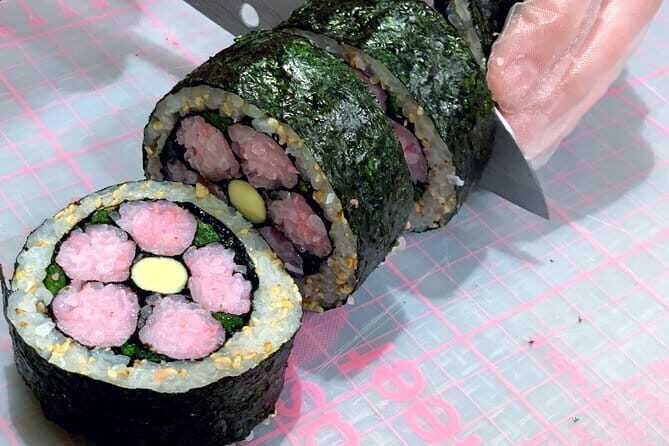
Food workshops can be tricky if you avoid meat or fish. This one is set up for that reality. The tasting session offers options with vegetarian, vegan, and no meat or fish choices, and the activity states it can accommodate vegetarian diet, vegan diet, and pescetarian diet.
The key detail is simple: you need to inform the provider in advance about your dietary restrictions. Do that early so they can prep the tasting session correctly.
Also, since this experience is centered on noodle-making plus a chef-made broth tasting, the dietary options are usually easiest to manage when the shop controls the broth and finishing. In practice, that’s exactly what this format does.
Small Group Size = More Time on the Machine
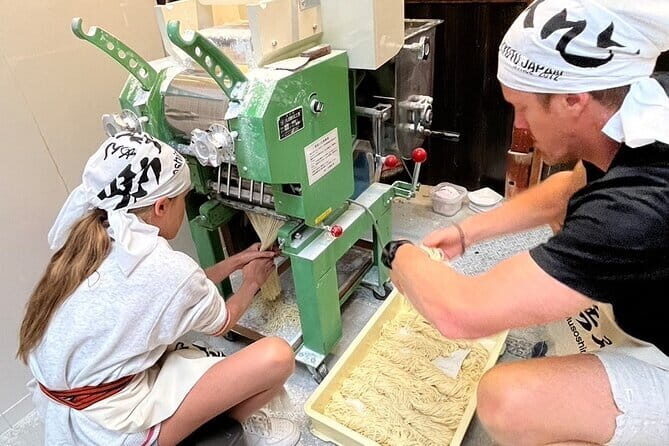
With a maximum of 6 travelers, this is the kind of class that doesn’t feel cramped or performative. When the group is small, you tend to get more direct coaching—especially for the hands-on parts where a single wrong move can affect the dough handling.
That’s part of why the English instruction matters so much. The class is designed for an English-speaking noodle making instructor, so you’re not translating a textbook in your head while you’re kneading dough. Past sessions also highlight that instructors speak English well and keep the vibe relaxed and friendly.
If you’re traveling as a couple, this is a good date activity. If you’re traveling with kids, it’s also easy to explain: you’re making the noodles, then eating them. It’s interactive without turning into a chaotic kitchen lesson.



What’s Included (And What You’ll Want to Bring)
This workshop is fairly “all-in,” at least for what you’re doing at the restaurant:
- English-speaking noodle making instructor
- Ingredients and tools for noodle making
- Bowl of ramen and one soft drink
- Rental apron
- Bandana souvenir used during the workshop
What’s not included is just personal spending.
What to bring is mostly common sense. Wear comfortable clothes you don’t mind getting a little flour on. You’ll have an apron, but dough can still be messy. If you’re sensitive to smells from kitchens, you might want to keep a spare mask handy for after the class. And if you love food photos, keep your camera ready—then focus on the bowl once you sit down. You’ll want to taste it, not just document it.
Price and Value: What $48.27 Buys You
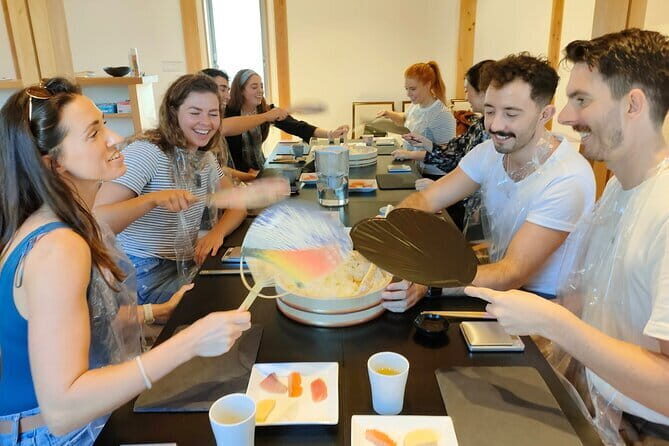
At $48.27 per person, you might wonder if this is “expensive for ramen.” Here’s the way I’d judge it: you’re paying for a structured lesson, not just a meal.
For your money, you get:
- real hands-on noodle work with a professional machine
- English instruction
- ingredients and tools
- apron and a bandana souvenir
- a full ramen bowl plus a soft drink
If you’re the type who enjoys cooking experiences, this class can be a better value than simply adding another restaurant meal—because you leave with skills and a story, not just calories.
It’s also capped at 6 people, which usually means fewer compromises on instruction time. And since the ramen bowl is chef-made, you’re not stuck with a workaround meal after the work.
Logistics Without the Headache
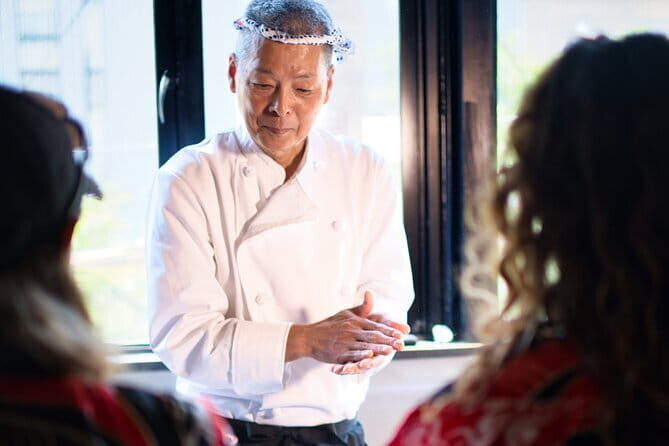
This experience uses a mobile ticket, and you’re told confirmation is received within 48 hours of booking, based on availability. The start and end are simple: it begins at the meeting point in central Kyoto and ends back there.
Near public transportation is a real advantage. Kyoto can involve long stretches between neighborhoods, so it helps to book activities that don’t force you into a complicated route.
Duration is listed at about 1 hour, so it fits nicely between sightseeing blocks. If your day is already tight, this is one of those experiences that won’t swallow half of your afternoon.
So… Is This a Noodle Class or a Cooking Class?
This is worth clarifying. The workshop is distinct from a ramen cooking class. You’re not learning to cook ramen end-to-end. You’re learning the noodle-making process from scratch and then enjoying the final bowl.
In other words, think of it as a noodles workshop with an excellent ramen finish. If you want to control everything from broth to seasoning, you’ll likely feel limited. But if you want the most hands-on ramen skill—making the noodles—this is exactly that.
Who Should Book This Class?
This Kyoto ramen noodle making class is a great fit if you:
- want an interactive food activity in Kyoto’s Gion area
- like learning skills you can repeat later at home
- care about eating ramen that matches your noodles, right away
- need vegetarian, vegan, or pescetarian options and want it handled by the restaurant
It’s also a solid pick if you’re short on time. The class is one hour, and it ends with a meal. You get both the learning and the payoff.
Who Might Want to Skip It
You might reconsider if:
- you’re only interested in broth and seasoning techniques
- you don’t enjoy hands-on food work (kneading and rolling can get hands-on fast)
- you prefer large showpieces over small group interaction
Also, because the focus is on noodles, you shouldn’t expect a full menu of cooking skills. You’re here for ramen noodles and the bowl that comes from them.
Should You Book This Kyoto Ramen Noodle Making Class?
I think you should book it if you want a Kyoto food experience with real participation. The combination of pro equipment, guided steps (pour, knead, roll, cut), and a chef-made ramen bowl at the end is a strong match for anyone who likes learning by doing.
It’s also good value for the time: one hour, small group size, included meal, and a souvenir bandana. And the diet accommodations make it easier to plan around real preferences—just tell them your needs ahead of time.
If you’re trying to pick just one ramen-related activity, this is the one I’d lean toward. Not because it’s the most famous, but because it’s the most hands-on.
FAQ
How long is the Kyoto ramen noodle making class?
The class runs for about 1 hour.
Where is the meeting point for this experience?
You’ll meet at 558-2 Komatsuchō, Higashiyama Ward, Kyoto, 605-0811, Japan. The activity ends back at the meeting point.
What does the class cost?
The price is $48.27 per person.
Is there an English-speaking instructor?
Yes. The experience includes an English-speaking noodle making instructor.
What’s included in the price?
You get ingredients and tools for noodle making, a rental apron, the ramen bowl and one soft drink, and you’ll also receive the bandana used during the workshop as a souvenir.
Does the class offer vegetarian or vegan options?
Yes. Vegetarian, vegan, and no meat or fish options are available for the tasting session. You should inform the provider in advance about your dietary restrictions.
What kind of noodles are you making?
The noodles are made from wheat flour, using dough made with two types of flour, and you’ll make them with a professional noodle-making machine.
How big is the group?
The activity has a maximum of 6 travelers.