REVIEW · GEISHA & MAIKO TOURS
Kyoto Geisha Show Cultural Hour with an apprentice geisha, Maiko
Book on Viator →Operated by Ken's Tours Kyoto · Bookable on Viator
Seeing a maiko in Kyoto is getting harder. This small-group cultural hour brings you close to a real apprentice geisha, with a performance plus Q&A. I like that you get both the beauty of the dances and the plain talk about training and daily customs. One drawback to plan for: it runs like a formal sit-down event, so you’ll want to be ready for a respectful, seated atmosphere (and quiet attention).
The setting also helps. Instead of hunting for street sightings, you go to a venue where the performance is the point. I also love that there are no language barriers, thanks to an English-speaking guide who translates for the maiko. The only other consideration is that the tour price doesn’t include coffee or tea, even though the evening-style setting can make you want to linger.
In This Review
- Key Points You’ll Care About
- What You’re Really Getting: Maiko Dance + Training Q&A in Kyoto
- The 1.5-Hour Flow: How the Session Typically Plays Out
- Meeting Point in Honmachi: Easy to Reach, Not Complicated
- The Small-Group Advantage (Max 14): Better Questions, Less Noise
- The Role Names You’ll Hear: Geisha, Geiko, Maiko (And Why It Confuses People)
- Translation That Actually Helps: Ask Better Questions, Not Just Any Questions
- The Performance Hour: One to Two Songs, Watch for the Details
- The Q&A Part: The Stuff You Can’t Google
- Tea, Seating, and the Pace: A Place to Slow Down
- Price and Value: Is $105.42 Worth It?
- Who Should Book This (And Who Might Not)
- Practical Tips to Make the Most of the Hour
- Should You Book This Kyoto Maiko Show?
- FAQ
- How long is the Kyoto Geisha Show Cultural Hour?
- Where does the tour meet?
- What’s the group size limit?
- Is there an English-speaking guide?
- What happens during the performance?
- Are coffee or tea included?
- Who can participate?
- What if the weather is poor?
- What is the cancellation policy?
Key Points You’ll Care About
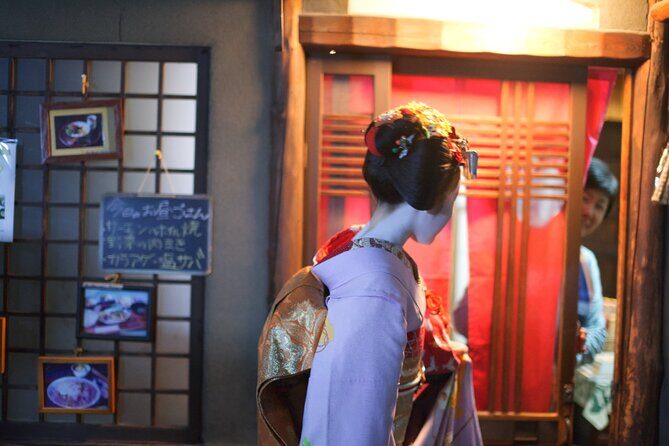
- Guaranteed stage time with a maiko: you’re not relying on chance street spotting
- English translation during the Q&A: questions land better, and you’ll understand what matters
- Small group (max 14): easier to ask questions without feeling packed in
- One focused performance session: usually one to two songs, plus conversation
- A short pre-show context walk: your guide explains geisha/geiko/maiko roles before the dancing
What You’re Really Getting: Maiko Dance + Training Q&A in Kyoto
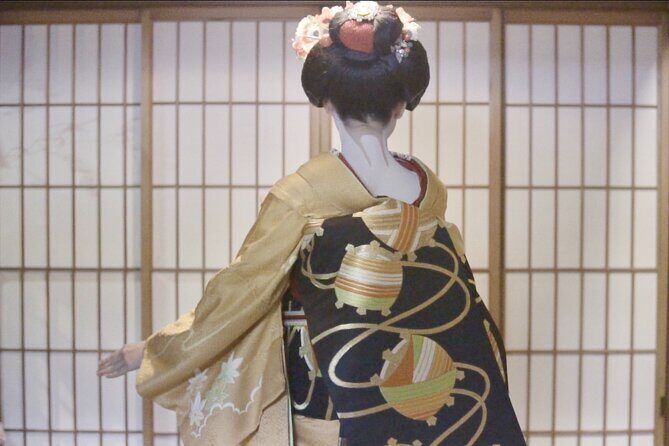
This experience is built around one simple idea: you should be able to see a maiko perform, with time to ask what you’re really curious about. Kyoto’s geisha culture is private by nature, and on most trips you’ll only catch hints at best. Here, the event is structured so the performance and conversation happen on schedule.
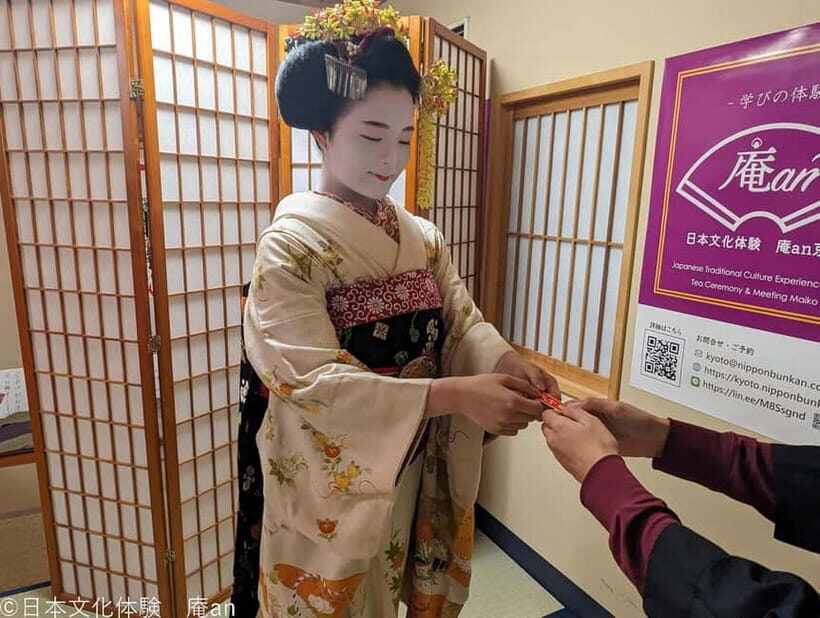
You’ll watch traditional dance by a maiko (apprentice geisha). The show is followed by a question-and-answer session, so you’re not stuck just guessing what you’re seeing. And because an English-speaking guide translates, you can ask direct questions about training, customs, and daily life without the awkward dead air that kills conversations.
You can also read our reviews of more tours and experiences in Kyoto


The 1.5-Hour Flow: How the Session Typically Plays Out
The total time is about 1 hour 30 minutes, so it’s long enough to feel like a real experience but short enough to fit cleanly into an afternoon. Most of the action is centered on the show hour itself: the maiko meets you, performs one or two songs, and then answers questions.
Before that, you’ll usually get a bit of orientation from your guide. In past sessions, the hosting has included a short walk through geiko-geisha area details, like the kinds of theatres and agencies you see in Kyoto’s older entertainment districts. That context helps you understand why the roles matter and why the etiquette is so formal.
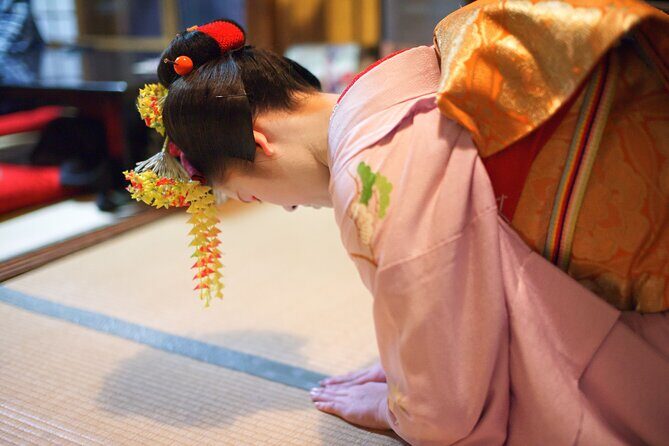
Then you settle into the venue and the maiko performance begins. Afterward, there’s time for conversation and a close-out moment where photos are possible with the maiko. It’s a tidy arc: context, performance, talk, and a final farewell.
Meeting Point in Honmachi: Easy to Reach, Not Complicated
You meet at 5-chōme-182 Honmachi, Kyoto (near public transportation). That matters more than it sounds. Kyoto can be spread out, and the “easy to get to” part reduces stress—especially if you’re pairing this with other sights that day.
Because the group is small (up to 14), you’ll also want to show up on time. You’re not just joining a random show; the event relies on the guide and the maiko having a smooth schedule.
The Small-Group Advantage (Max 14): Better Questions, Less Noise
I like the group size here because it changes what you can do. With a cap of 14 people, you’re more likely to get time to ask questions instead of having your question drowned out by the sound of many people talking over each other.
It also tends to keep the mood more respectful. Geiko and maiko culture is not a gimmick, and this format encourages calm attention. When the guide is translating in real time, the group size becomes even more important—less crowding means fewer interruptions and clearer communication.
The Role Names You’ll Hear: Geisha, Geiko, Maiko (And Why It Confuses People)

You’ll hear several related terms during the tour:
- Maiko: apprentice geisha
- Geiko: the term used for professional geisha in Kyoto
- Geisha: the broader term many visitors use in English
What I like about this tour approach is that it doesn’t treat these words like trivia. Your guide helps you make sense of what each role means in training and in daily life. Once you understand that structure, the performance feels less like random dancing and more like the visible result of years of practice.





Translation That Actually Helps: Ask Better Questions, Not Just Any Questions
A lot of “cultural experiences” fall into the trap of having you watch from a distance, then ask a single question that gets translated with a delay. Here, the experience is built around conversation, and translation is part of the core package.
That means you can ask about things that are often hard to find answers for:
- training routines
- what customs look like day to day
- how skills get taught and refined
- what it’s like to live within a set of traditional expectations
When you can understand the answer in plain English, the cultural details click faster. And you’ll likely notice that the maiko’s responses aren’t just “tourist friendly.” You’re hearing the human side of a highly disciplined role.
The Performance Hour: One to Two Songs, Watch for the Details
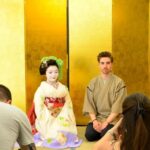
The maiko performance is the centerpiece. The format is designed to be focused: you can expect one or two songs as part of the dance set. Because it’s not a long multi-act show, you’re not spending most of your time waiting.
What to pay attention to:
- how the movement matches the music and rhythm
- the flow between poses (not just the big flourishes)
- the pacing of the performance—calm, controlled, and deliberate
The good news: you don’t need to know anything about dance to enjoy it. The value here is that you’re seeing training reflected in movement, and then you can ask questions right after so your interpretation gets grounded.
The Q&A Part: The Stuff You Can’t Google

This is where the experience becomes more than a performance ticket. The session includes a Q&A, and that matters because it turns the show into a two-way learning moment.
People tend to arrive with questions like:
- What does training look like in real life?
- What changes as an apprentice becomes a professional?
- How do customs shape everyday choices?
With translation and enough time set aside, you can get answers that connect the visible dance skills to the behind-the-scenes discipline. It’s also a reminder that you’re meeting a person who has put years into learning this craft.
Tea, Seating, and the Pace: A Place to Slow Down
Coffee and/or tea aren’t listed as included, so don’t assume they’ll be part of the package. Still, the vibe is typically more like a quiet cultural sitting than a loud show hall. That pacing helps you focus on the maiko and on what the guide is explaining.
I’d plan to arrive with that “sit, watch, listen, ask” mindset. The entire point is attention and respect. If you bounce between phone photos and chatter, you’ll miss the best parts.
Price and Value: Is $105.42 Worth It?
At $105.42 per person for about 1.5 hours, it’s not a cheap add-on. But it can feel like good value if you weigh what you’re buying:
- a scheduled maiko performance (not a guess)
- a Q&A with translation (real learning time)
- a small-group format (better communication)
- a guided explanation of roles and district context
If your trip plans already include multiple paid performances, this can be a smart choice because it’s interactive, not just visual. And compared with the cost of tours that mainly provide photos and minimal conversation, the focus here is on understanding how this tradition works.
The only time it might feel steep is if you’re the type who hates structured, seated events or you’re only looking for quick photos. This is a conversation-forward experience.
Who Should Book This (And Who Might Not)
You’ll probably love it if:
- you want a guaranteed maiko performance in Kyoto
- you like asking questions and getting direct answers
- you want the language gap handled for you
- you prefer small groups over crowded shows
You might want to think twice if:
- you’re hoping for a casual street-style encounter
- you want lots of roaming time and photos at every second
- you don’t enjoy formal etiquette and a seated format
Practical Tips to Make the Most of the Hour
- Bring a short list of questions so you’re not scrambling when the Q&A starts.
- Keep your expectations realistic: the goal is cultural understanding, not a full interview.
- Wear something comfortable for sitting and watching. You’ll be in one place for a while.
- Plan this earlier in the evening rather than late at night, when you’re more likely to feel rushed.
Should You Book This Kyoto Maiko Show?
I think you should book it if you value certainty and understanding. This experience trades the chaos of hoping for sightings for a planned meeting with a maiko, plus time for Q&A with translation. With a small group and a focused performance set, it’s built for genuine cultural connection, not just ticking a box.
If you’re only looking for a fast photo moment and don’t care about learning the role names, training, and customs, then the structure may feel too formal. But if you want a Kyoto moment that actually explains itself, this is one of the better ways to do it.
FAQ
How long is the Kyoto Geisha Show Cultural Hour?
It runs for about 1 hour 30 minutes.
Where does the tour meet?
The meeting location is 5-chōme-182 Honmachi, Kyoto, and it’s near public transportation.
What’s the group size limit?
The maximum group size is 14 travelers.
Is there an English-speaking guide?
Yes. The tour includes an English-speaking guide who translates for you.
What happens during the performance?
You’ll attend a geisha performance by an apprentice geisha (maiko), along with a Q&A session. The performance includes one or two songs.
Are coffee or tea included?
No. Coffee and/or tea are not included in the tour price.
Who can participate?
Most travelers can participate.
What if the weather is poor?
The experience requires good weather. If it’s canceled due to poor weather, you’ll be offered a different date or a full refund.
What is the cancellation policy?
This experience is non-refundable and cannot be changed for any reason. If you cancel or request an amendment, you won’t get a refund.