REVIEW · SAMURAI EXPERIENCES
Kyoto: Kendo and Samurai Experience with Uniform and Gear
Book on GetYourGuide →Operated by Kendo Experience · Bookable on GetYourGuide
A samurai kit-up in a century-old Kyoto dojo. I love the machiya setting and how Taka-san keeps the lesson safe, clear, and fun. You’ll also need to plan a bit for the location, since it’s not in the busiest central tourist area.
Two hours later, you’ll feel like you actually did something: you wear the uniform and gear, you handle training swords, and you learn the etiquette behind the movements—not just pose for pictures. I like that the session includes a photo and video moment, so your memory is more than a blurry phone snapshot.
My only real caution: getting there takes some extra time. A residential area and a winding approach means you’ll want to leave buffer room, especially if you’re using public transit.
In This Review
- Key things I’d watch for
- Enter the machiya: the gate, the dojo feeling, and your first change
- Suit-up details: how the uniform shapes your kendo basics
- Training swords and safety: what you’ll use (and what you won’t)
- Kendo etiquette and samurai mindset: why this lesson feels different
- The actual practice: from solo basics to partner moves
- Sparring moment: the fun part you’ll remember in detail
- Photos and video: get your memory before you lose it to jet lag
- Value check: is $103 per person worth it?
- Getting there: the one logistical thing you should plan for
- Who should book this kendo and samurai experience in Kyoto?
- Should you book it? My straightforward take
- FAQ
- How long is the Kyoto kendo and samurai experience?
- Where does the experience take place, and where do I meet?
- Is there an English-speaking instructor?
- Do I need prior experience with kendo or swords?
- What gear is included?
- Are replica swords included?
- Is it suitable for kids?
- Are alcohol or drugs allowed?
Key things I’d watch for
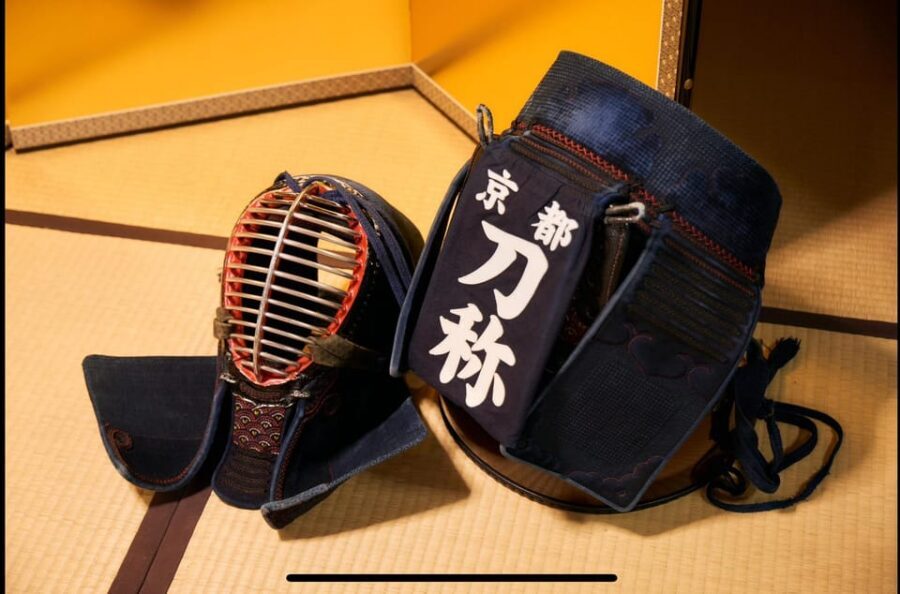
- 100+ year-old machiya dojo: training inside a traditional wooden house changes the mood fast
- Taka-san’s English and teaching style: clear, patient guidance with a great vibe
- Full uniform and gear rental: you don’t need to bring anything besides yourself
- Training swords only: bamboo/foam style tools focus on form and safety
- Partner practice and sparring: you use what you learn, not just watch demos
- Photos and video help: you get polished memories without asking awkwardly
Enter the machiya: the gate, the dojo feeling, and your first change
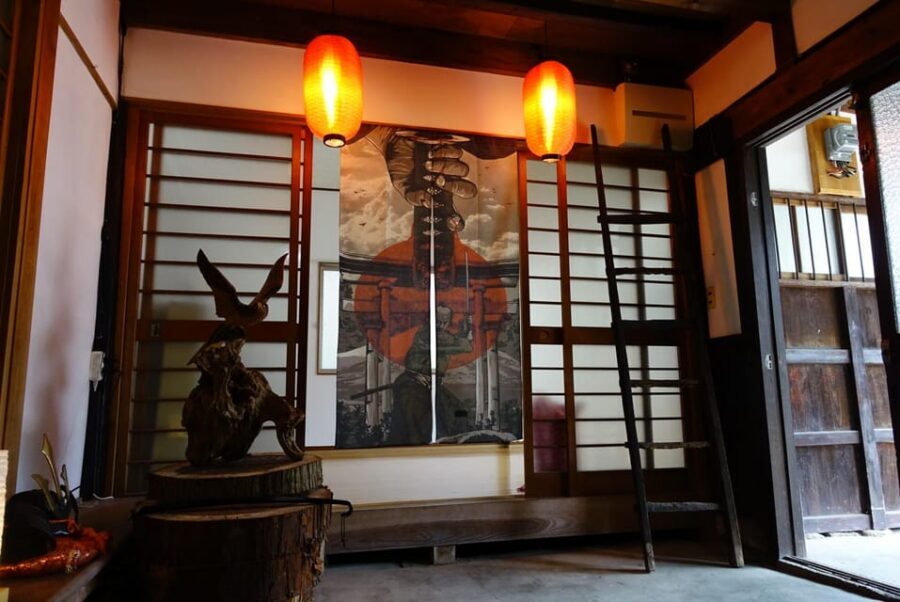
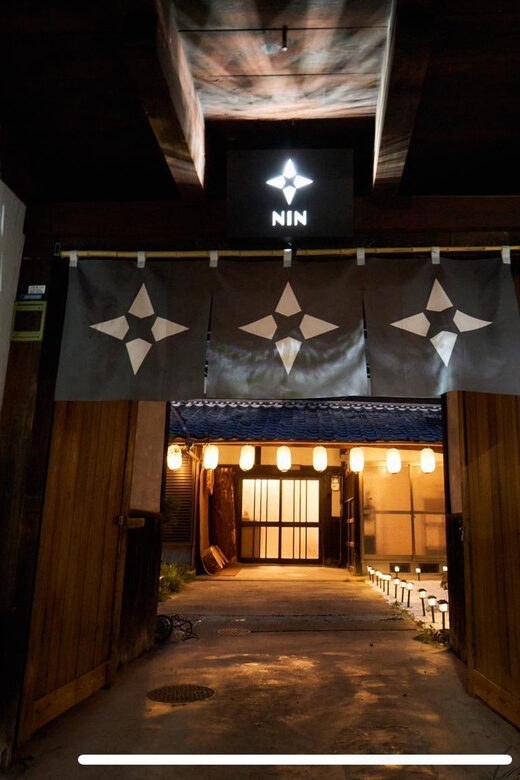
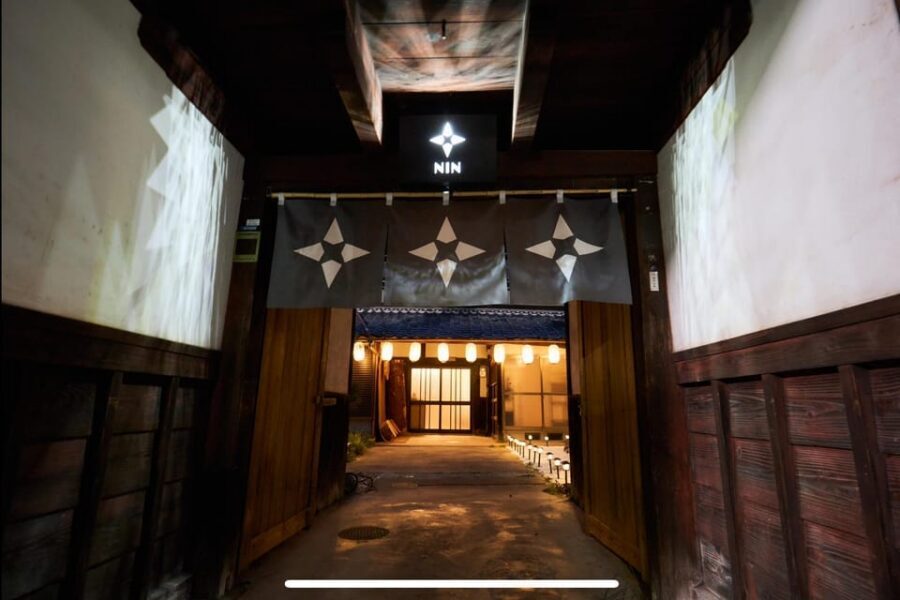
The experience starts at an old Japanese house with a large gate. Even before you see the swords, you get that quiet shift from sightseeing mode to training mode. It’s the kind of place where you naturally stand straighter.
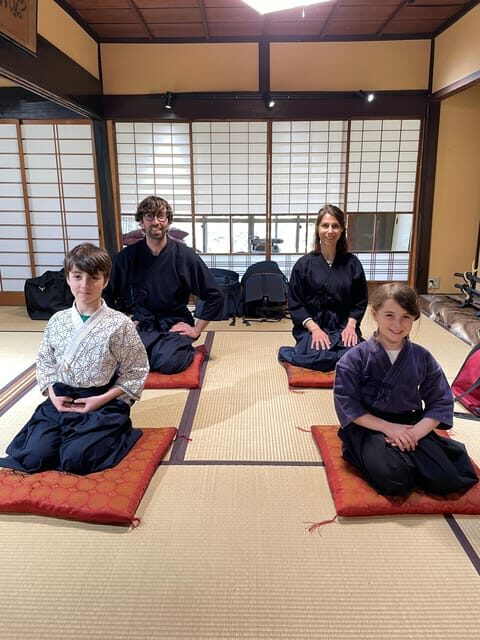
Then comes the part most people remember: suiting up. You’re provided with the uniform rental plus shoe rental and the right gear. Changing into the training outfit matters more than you’d think, because it physically cues your posture and your sense of movement before you touch a sword.
If you’re wondering about atmosphere, you’re training in a dojo setting inside a traditional machiya that’s over 100 years old. One review even flags that the room can feel a little dusty and worn, which is worth knowing if you’re picky about cleanliness. It didn’t stop people from loving the authenticity, but it’s a real consideration.
You can also read our reviews of more tours and experiences in Kyoto.



Suit-up details: how the uniform shapes your kendo basics
You’ll be shown how to put on the gear properly, and you’ll do it with guidance rather than guessing. People rave about this step because it’s not just costume time—it’s part of the training etiquette. Wearing it correctly helps your body learn the stance and distance that kendo depends on.
You’ll start with the foundations: posture, grip, and the basic way to hold and move with a sword. Expect to hear why your hands matter, why your feet matter, and why kendo isn’t about swinging wildly. The instructors make it beginner-friendly, so you’re not expected to already know anything.
One small but practical tip from winter-season feedback: if you’re doing this in colder months, wear a good base layer and warm socks. The dojo can get chilly, especially when practice happens partly outside.
Training swords and safety: what you’ll use (and what you won’t)
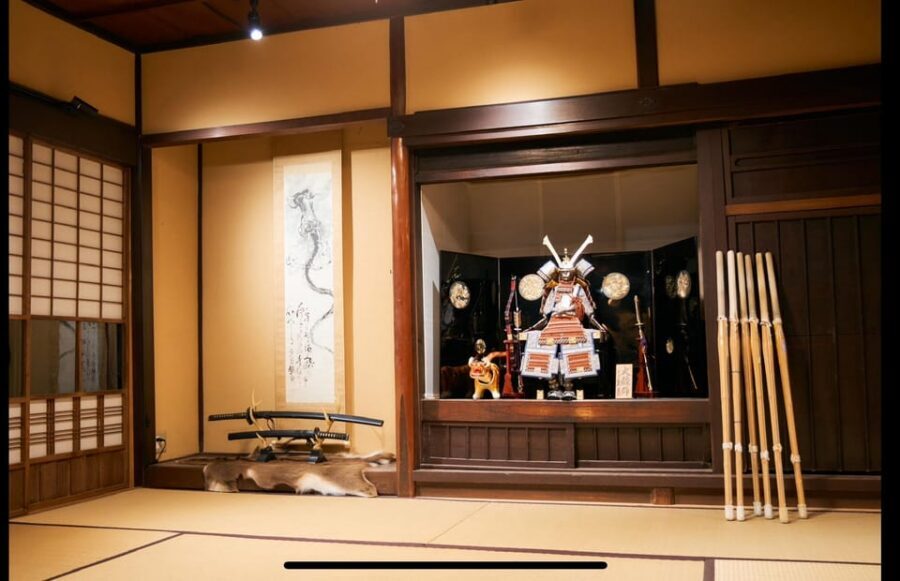
This is a sword experience, but it’s not about risking injury. You use safe training tools—often bamboo swords or foam swords, and sometimes refined replica blades depending on the moment in the lesson.
That’s a good thing. With kendo-style gear, you can focus on correct technique—angles, timing, and footwork—without the distraction of fear. You’ll still get intensity at the end, but the session stays controlled and instructor-led.
A couple of people mentioned that some dramatic demos, like slicing tatami, don’t happen anymore (and you should not expect it). You may also hear that they don’t let you cut things with real katana-style blades. If you’re hoping for a Hollywood-style action shot, temper that expectation and look instead for form, sparring, and the feel of training.
Kendo etiquette and samurai mindset: why this lesson feels different
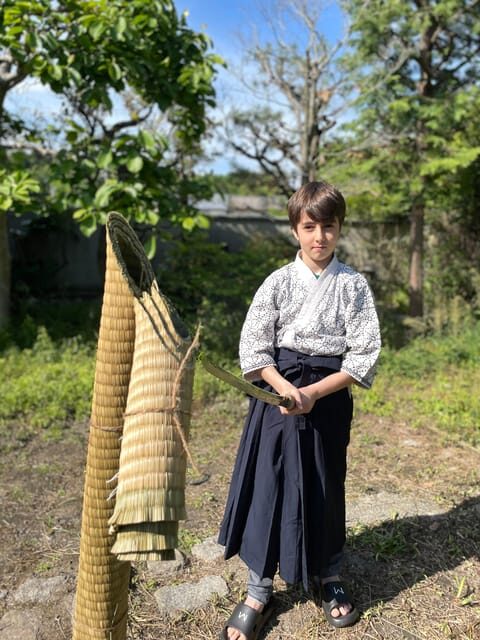
Here’s the biggest reason people rate this so highly: you don’t just learn moves, you learn meaning. The instructor explains etiquette and mindset—how to show respect, how to control your energy, and how discipline shows up in the smallest actions.
Taka-san is the name that comes up again and again. Across different accounts, he’s praised for strong English, patience, and a friendly, funny teaching style that keeps the mood light while you still take technique seriously. One review also mentioned he’s a kendo master with decades of practice, which helps explain why the class feels structured rather than chaotic.
You’ll also get historical context: what samurai culture meant, how kendo developed, and how the philosophy behind the blade connects to everyday behavior. The point isn’t to turn you into an expert historian. It’s to make the practice feel grounded and intentional.
The actual practice: from solo basics to partner moves
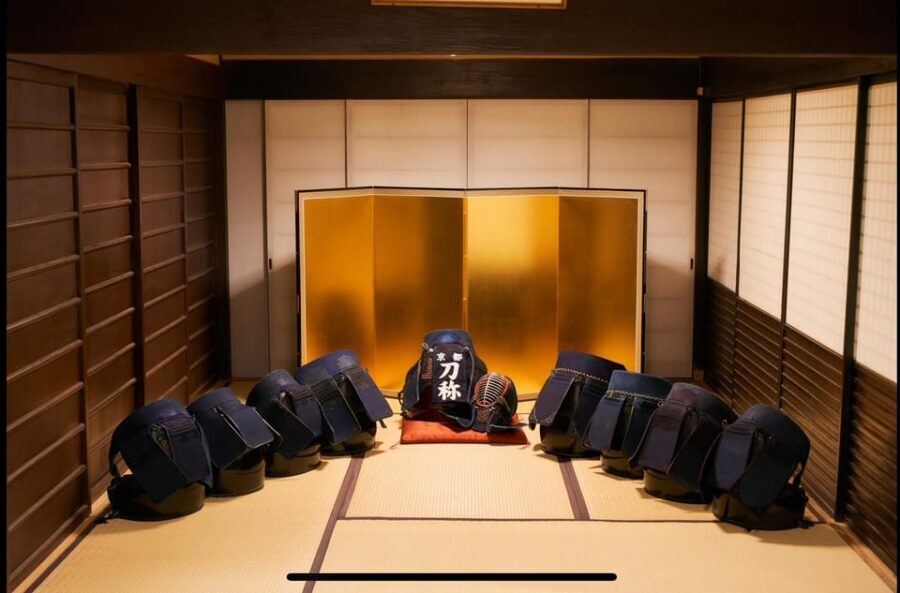
The lesson flows in a simple, progressive way. First you learn the basic grip and stance. Then you practice refined sword motions—strikes, blocks, and footwork—while the instructor corrects what your body is doing in real time.
After that comes partner work. You’ll practice with others using kendo swords, so you can test distance and timing. This is where the activity shifts from “I watched it” to “I did it.”
People highlight that everyone gets a chance to practice. That matters because the worst version of sword lessons is where one person gets all the attention. Here, the training stays inclusive, and the instructor keeps you moving rather than waiting your turn forever.





Sparring moment: the fun part you’ll remember in detail
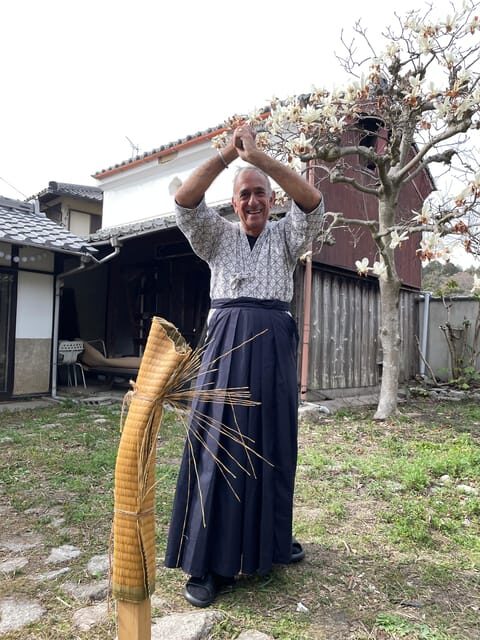
Near the end, you get a sparring session or a friendly competition-like practice using the training equipment. This is the part that makes the whole 2 hours feel complete. You take the basics you learned and apply them against a partner, with rules and safety in place.
Reviews mention a sparring session and a small competition element, often framed as a fun duel that still teaches control. It’s not about showing off. It’s about learning how kendo timing works when someone else is pushing back.
If you’re traveling with family or friends, this final segment is also great socially. People share laughs, reset after corrections, and end with that proud feeling of having tried something physical and traditional.
Photos and video: get your memory before you lose it to jet lag
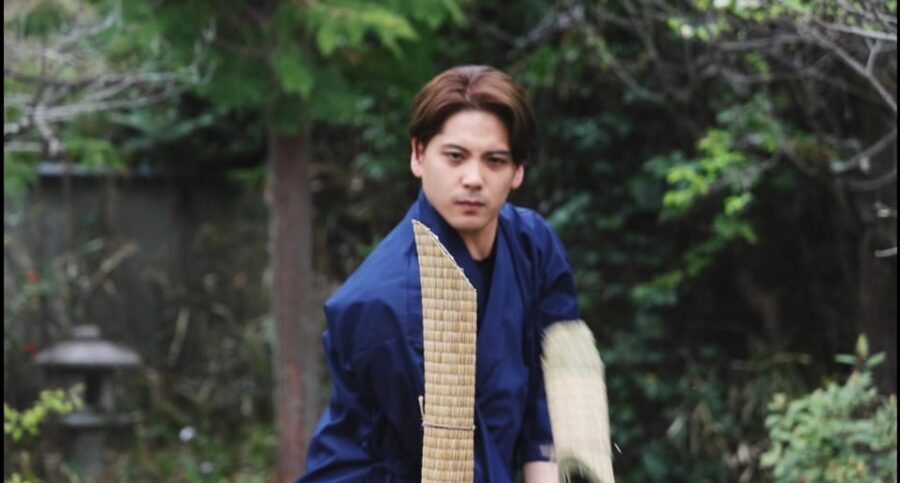
A smart touch here is that the instructor helps with photos and video. While you’re dressed in full gear, you’re photographed in a way that makes the moment feel like part of your trip story—not just a quick thumbs-up.
You’ll get cinematic-style memories that you can actually keep. And since the timing is built into the session, you don’t have to stop training to ask a stranger to shoot video. That alone is worth something on a trip where your schedule is already packed.
One review even described the experience feeling like a movie scene—especially when the weather added to the atmosphere as they practiced outside.
Value check: is $103 per person worth it?
For $103 and about 2 hours, you’re paying for more than the thrill of wearing armor. You’re paying for several things bundled together:
- Instruction from an English-speaking instructor (Taka-san is commonly named)
- Uniform rental, shoe rental, and gear rental
- Structured practice with corrections and partner time
- Photo and video help so you leave with real memories
- Training-safe swords (bamboo/foam style tools or replicas)
If you compare that to the cost of a single guided activity plus buying or renting gear separately, the math starts to make sense. You’re also getting cultural explanation tied directly to what you do with your hands and feet.
The only reason it might not feel “worth it” for you is if you’re expecting something closer to a show. This is hands-on training, so you’ll get the most value if you like learning, moving, and listening.
Getting there: the one logistical thing you should plan for
The meeting point is an old Japanese house with a large gate, and the location is in a residential area reached by a winding route. Some people advise taking a taxi from the station rather than trying to walk in right away.
So do this: give yourself extra time to arrive early, not late. A late group can throw off the pacing, and you’ll want time to change into your uniform without rushing.
Once you’re there, the session moves quickly and stays well organized.
Who should book this kendo and samurai experience in Kyoto?
This is a strong pick if you want something different from temple photos. You’ll enjoy it most if you like hands-on cultural activities where the learning actually sticks because you practice it.
It also works well if you’re traveling with one or more people and want a shared “we did this” moment. The sparring and the photo/video segment create natural group memories.
One important limitation: it’s not suitable for children under 7 years old. If you’re planning it for a younger child, you’ll need to choose a different activity.
Should you book it? My straightforward take
I’d book it if you want a real training experience with uniform-and-gear setup, safety-first sword practice, and the history and etiquette explained in plain English. The fact that Taka-san consistently gets praised for clarity, patience, and energy is a big green flag.
I’d think twice if your main goal is a katana action fantasy or a super-central Kyoto sightseeing stop. This is more about discipline, movements, and partner practice than cutting things or watching staged theater.
If you’re comfortable walking a bit extra or taking a taxi for the last leg, it’s the kind of Kyoto experience that gives you something you can’t easily replicate on your own.
FAQ
How long is the Kyoto kendo and samurai experience?
It lasts 2 hours.
Where does the experience take place, and where do I meet?
It’s in Kyoto, in a traditional machiya setting. The meeting point is an old Japanese house with a large gate.
Is there an English-speaking instructor?
Yes. The instructor speaks English.
Do I need prior experience with kendo or swords?
No prior experience is required.
What gear is included?
Uniform rental is included, plus equipment rental, shoe rental, and gear rental.
Are replica swords included?
Replica swords are not included, but they may be available for purchase.
Is it suitable for kids?
It’s not suitable for children under 7 years old.
Are alcohol or drugs allowed?
No. Alcohol and drugs are not allowed.