REVIEW · KIMONO RENTAL & PHOTOSHOOT
Kimono Tea Ceremony at Kyoto Maikoya, NISHIKI
Book on Viator →Operated by Maikoya · Bookable on Viator
A kimono and matcha in Kyoto is calming. This Kyoto Maikoya tea ceremony pairs kimono dressing with a hands-on matcha-making lesson in a traditional setting at Nishiki. You get morning or afternoon options, plus a smooth flow that turns a cultural ritual into something you can actually do.
I especially love the built-in preparation: you pick a kimono, get help getting it right, and (if you are a woman) receive simple hair styling to match. I also like that the host walks you through the tea steps and utensils clearly, then you finish by sipping your own tea with wagashi sweets.
One thing to plan for: there is no hotel pickup, so you will need to make your own way to the meeting point in central Kyoto.
In This Review
- Key highlights at a glance
- Kyoto’s Nishiki tea ceremony: a practical way to experience Japanese ritual
- Finding Kyoto Maikoya Nishiki: location and how to show up
- Choosing your kimono and getting ready like a local
- On tatami: how the tea ceremony lesson actually unfolds
- The matcha and wagashi moment: where the experience turns personal
- What you are really paying for: value at $65.66 per person
- Small-group experience: intimate, but not totally private
- Morning or afternoon: which timing fits your day
- Tips to make the most of your kimono tea ceremony
- Who this Kyoto kimono and matcha experience suits best
- Should you book Kimono Tea Ceremony at Kyoto Maikoya, NISHIKI?
- FAQ
- What is included in the Kyoto Maikoya kimono tea ceremony?
- How long does the tea ceremony last?
- Do I need transportation from my hotel?
- Where is the meeting point?
- Can children attend?
- What happens if weather is bad or I need to cancel?
Key highlights at a glance
- Kimono costume included so you skip the usual rental search
- Hair styling (simple style) for ladies, to match the kimono
- Hands-on matcha with high-quality matcha powder and guided steps
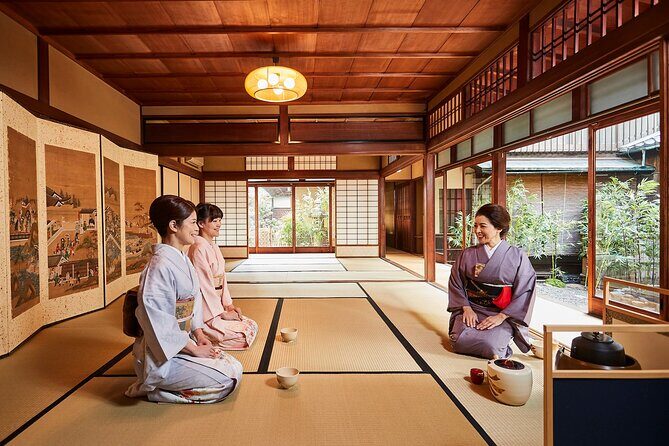
- Traditional tatami tea room setting with tea utensils provided
- Wagashi sweets and snacks to round out the ceremony
- Small-group feel for your session, with a host leading the pace
Kyoto’s Nishiki tea ceremony: a practical way to experience Japanese ritual
If you have ever watched a tea ceremony and thought it looked beautiful but untouchable, this is the kind of activity that makes it feel possible. At Kyoto Maikoya in the Nishiki area, you get a real outfit moment first, then a structured tea lesson that stays calm, respectful, and hands-on.
This is also a good choice for first-timers. You do not need to hunt down a kimono shop, you do not need prior tea knowledge, and you are not left standing around hoping someone explains what the utensils are for. Your host handles the rhythm: what to do, when to do it, and why it matters.
Just remember the setting is traditional. You’ll sit in the tea space (tatami flooring is part of the experience), so if you have mobility issues, you should treat this as a sit-down, still-in-one-place activity rather than a walking tour.
You can also read our reviews of more tours and experiences in Kyoto.


Finding Kyoto Maikoya Nishiki: location and how to show up
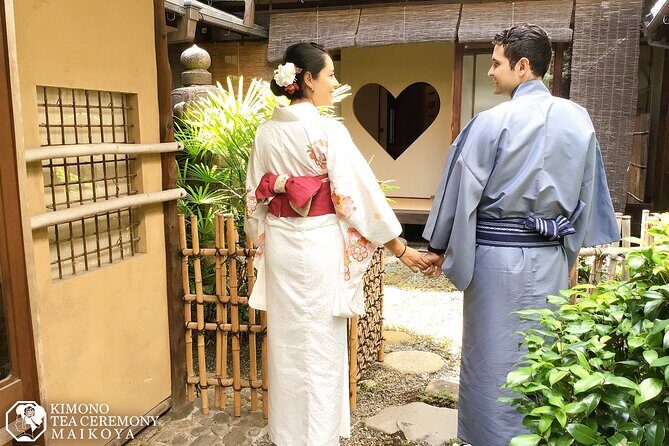
The ceremony starts at Kimono Tea Ceremony MAIKOYA Nishiki, 329 Ebiyachō, Gokomachi-dori Sanjo sagaru, 329 海老屋町 中京区 京都市 京都府 604-8076, Japan. The activity ends back at the meeting point.
Two practical notes that matter:
- You handle your own transport. There is no hotel pickup or drop-off.
- The meeting point is near public transportation, which helps a lot if you are staying in central Kyoto.
Because you will change into a kimono and get hair adjusted, you should plan to arrive with enough buffer to check in and get ready without rushing. The schedule is set around a 1.5-hour visit, so treat it like a timed appointment, not a flexible walk-in.
Choosing your kimono and getting ready like a local
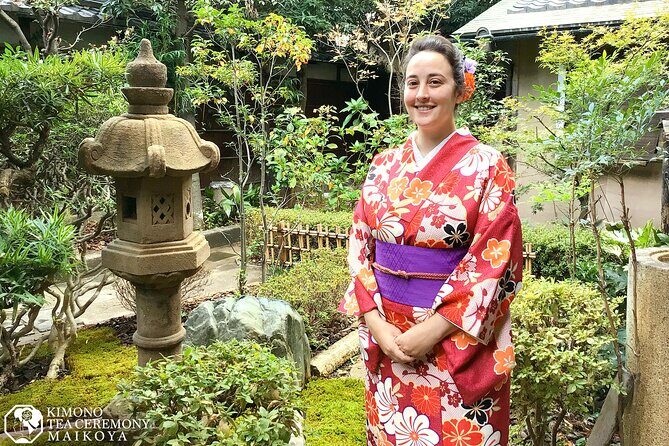
This is one of the main reasons people love booking this in advance. The kimono moment is not an add-on. It is the opening act that sets the tone for the rest of the experience.
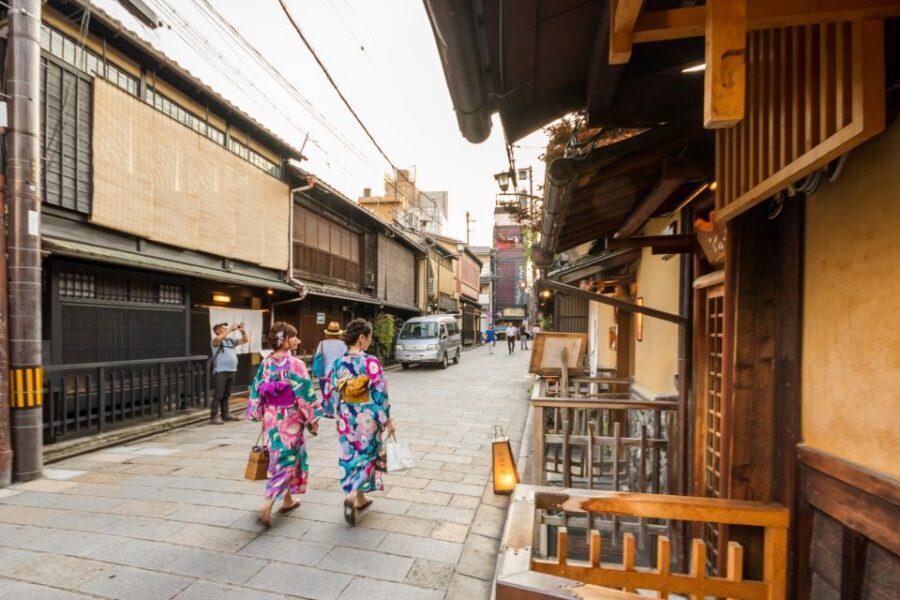
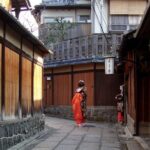
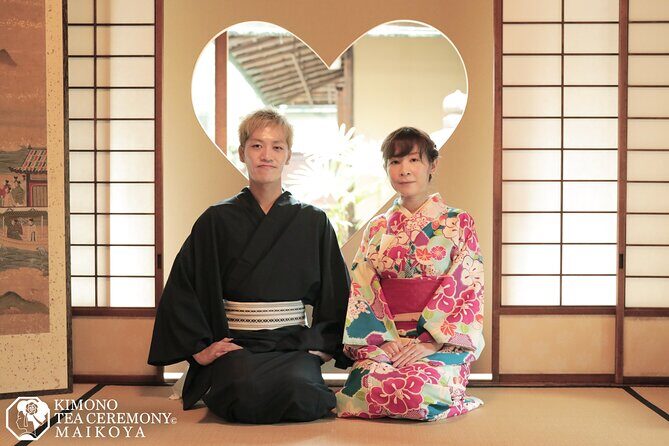
After you meet your expert tea master host and your small group, you choose from a selection of kimonos. Staff help you get dressed properly. If you are a woman, simple hair styling is also included, designed to coordinate with your kimono.
A few details from the experience that you should expect in the best way:
- They help you wear the kimono correctly, so you are not left fumbling with straps and layers.
- Staff also handle the small preparation items that let you focus on the ceremony. One review even mentioned being given a purse for valuables, which is the kind of practical touch that makes you feel less worried about what to do with your phone, wallet, and bag.
Also, plan for photos. Several people mention picture time and that they make it easy to take them without turning the whole event into a selfie session. If you like getting the full kimono look, this experience is built for that.
On tatami: how the tea ceremony lesson actually unfolds
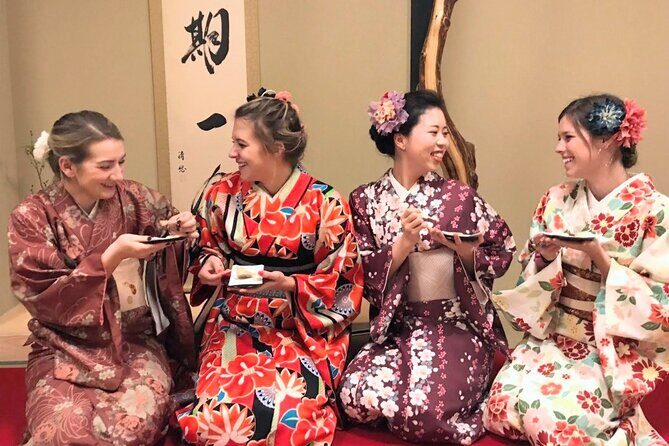
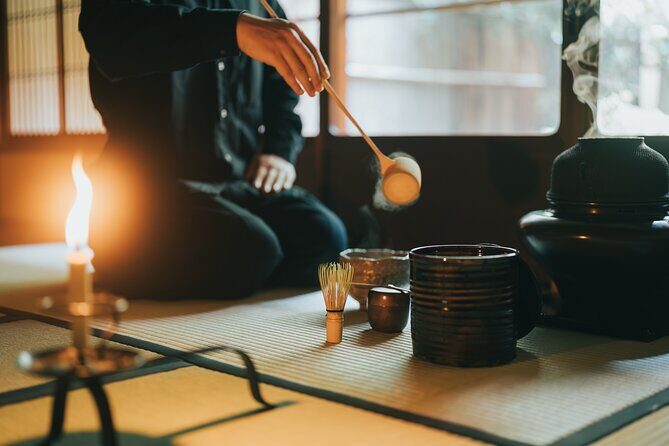
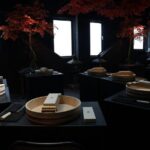
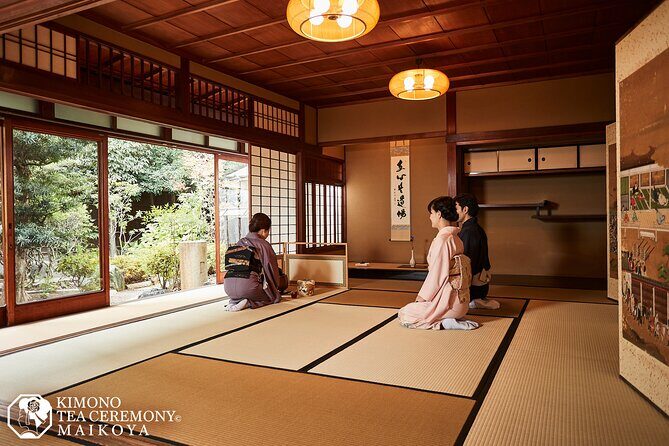
Once you are dressed and ready, you take your seat Japanese-style on the tatami floor. Then the tea master host guides you through the ceremony, explaining the history and significance along the way.
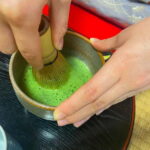
What I like about the way this is set up is that it is not just lecture. You learn by doing. You handle the utensils, you follow the step sequence, and you learn how to mix and prepare matcha using high-quality matcha powder.
The structure you can expect, in plain terms:
- The host introduces the ritual and the meaning behind the steps.
- They show how the utensils are used.
- You practice making your own matcha.
- You finish by sipping the tea in the traditional flow.
The experience is paced for a short, satisfying session rather than a long multi-course production. At roughly 1 hour 30 minutes, it gives you enough time to learn the basics, do the motions, and still walk away feeling like you truly participated.
The matcha and wagashi moment: where the experience turns personal
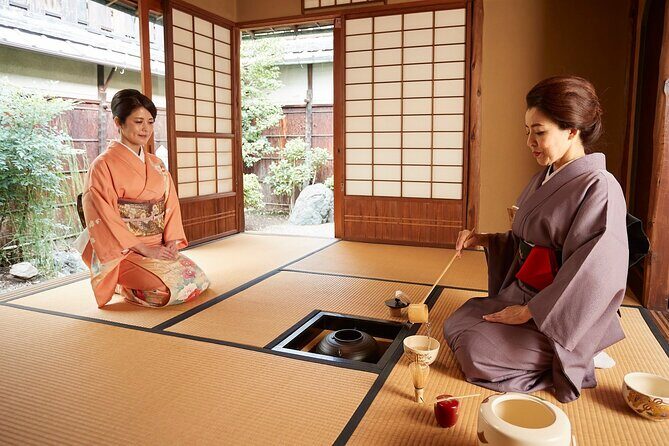
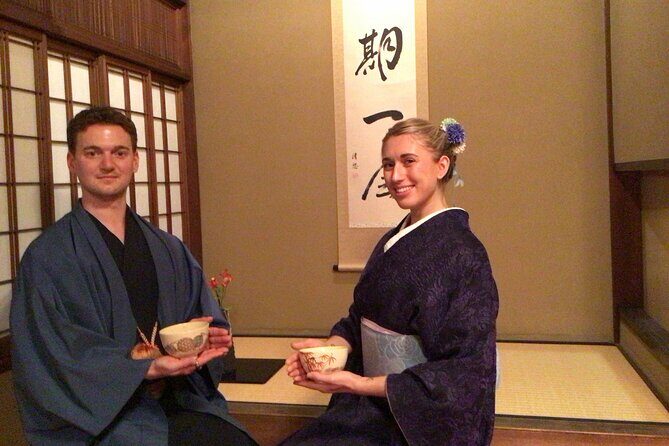
Every tea ceremony has a visual side, but the emotional side hits when you taste the tea you made. Here, that moment comes near the end: you sit, sip, and enjoy wagashi sweets.
Wagashi matters because it balances the matcha. Even if you are not a tea expert, the sweetness and texture give you something to contrast with the tea’s flavor. Several reviews call out that the matcha and sweets are delicious, which is a good sign that you are not just getting a performance—you’re actually eating and drinking well.
Also, you get green tea and snacks included, so you are not paying extra for extra bites while you’re learning. In Kyoto, where food schedules can get complicated, this small inclusion helps.




What you are really paying for: value at $65.66 per person
At $65.66 per person, this is not a budget activity. But it is also not just a basic tea tasting. You are paying for several things working together in one place:
- Kimono rental with staff help getting you into it correctly
- Simple hair styling (for ladies)
- Utensils and matcha used during the ceremony
- A guided lesson that covers history and teaches the step sequence
- Wagashi sweets and snacks
That combination is the value. If you tried to DIY it—find kimono rental, arrange a tea ceremony, and then pay separately for a guide—you would likely spend more time and money just organizing the pieces.
The one cost factor you should plan around is transport. Since there is no hotel pickup, add the cost of getting yourself to Nishiki. The experience is near public transportation, but you still control that part of the trip.
Small-group experience: intimate, but not totally private
Your booking is listed for a maximum of 2 travelers, and the session includes a host and other fellow travelers. One note in the info also says they accept bookings from other sites, which means you may share the ceremony with more people than just your pair.
Here is the practical takeaway: you should expect a guided, human-paced experience, not a silent museum walkthrough. Your host leads the steps and keeps things understandable, and you get the chance to do the mixing and tea-making yourself.
If you want maximum quiet and full privacy, you might find that a group format limits that. But if you want authentic ritual with instruction—plus the fun of kimono and matcha—this setup is usually the sweet spot.
Morning or afternoon: which timing fits your day
You can choose morning or afternoon timings. That flexibility matters in Kyoto because your day likely includes other neighborhoods, shrines, and food stops.
A simple rule of thumb:
- If you have early sightseeing planned, the morning option can help you lock in a calmer indoor experience before crowds build.
- If you like a slower start, the afternoon option can work well, especially if you are using the earlier hours for temples and then coming back into the city center.
Either way, the ceremony duration is about 1 hour 30 minutes, so plan your next stop accordingly.
Tips to make the most of your kimono tea ceremony
These are practical moves that will help you enjoy the event more and stress less:
- Wear comfortable clothes underneath. You will be changing into a kimono, and you’ll be moving in and out of the fitting process.
- Bring only what you need. One of the reasons people appreciate the setup is that staff support you with valuables storage (like a purse for valuables noted in reviews).
- Leave time to check in. Since you start at a specific Nishiki address and there is no pickup, treat it like an appointment.
- Plan for sitting still. The tatami setting is part of the experience, so keep that in mind if you tend to get restless.
Also, if you are nervous about doing something wrong, relax. The host guides you through each step and utensil, and the whole structure is designed for you to participate, not just watch.
Who this Kyoto kimono and matcha experience suits best
This is a great fit if you want:
- A true cultural activity with hands-on participation
- The full aesthetic of dressing in kimono
- A short, guided format that does not require planning multiple bookings
It may be less ideal if:
- You hate sitting on tatami-style flooring
- You strongly prefer private experiences (this is small-group guided)
- You do not want to handle logistics on your own (there’s no hotel pickup)
It also has a clear child rule: children under 7 can’t enter the tea ceremony venue, so you should plan alternatives if you’re traveling with younger kids.
Should you book Kimono Tea Ceremony at Kyoto Maikoya, NISHIKI?
Yes, I think you should book it if you want a tidy package of Kyoto culture—kimono dressing, matcha-making, and a calm tasting—without having to assemble the parts yourself. The strong value is in the combination: outfit + styling help + guided ritual + included tea and sweets.
If you are short on time and want one experience that feels both traditional and interactive, this does the job. Just be honest with yourself about logistics: you must get to the Nishiki meeting point on your own, and you will spend 90 minutes seated in a traditional setup.
If that sounds like your kind of Kyoto moment, this is an easy yes.
FAQ
What is included in the Kyoto Maikoya kimono tea ceremony?
The experience includes a kimono costume, green tea, utensils used during the ceremony, hairstyling (simple style), and snacks.
How long does the tea ceremony last?
The duration is about 1 hour 30 minutes.
Do I need transportation from my hotel?
No. Transportation and hotel pickup and drop-off are not included. The activity ends back at the meeting point.
Where is the meeting point?
It starts at Kimono Tea Ceremony MAIKOYA Nishiki, 329 Ebiyachō, Gokomachi-dori Sanjo sagaru, 329 海老屋町 中京区 京都市 京都府 604-8076, Japan, and ends back there.
Can children attend?
Children under 7 cannot enter the tea ceremony venue, so reservations for children under 7 can’t be made for this experience.
What happens if weather is bad or I need to cancel?
This experience requires good weather. If it is canceled due to poor weather, you’ll be offered a different date or a full refund. You can cancel for a full refund up to 24 hours in advance.