REVIEW · 1-DAY TOURS
From Osaka/Kyoto: Private Kyoto and Nara Day Trip
Book on GetYourGuide →Operated by Naruhito Japan tours · Bookable on GetYourGuide
Kyoto and Nara in one tight day. This private 10-hour outing is interesting because it strings together Kyoto icons and Nara UNESCO power stops with admission included and an English/Hindi live guide. I really like the combo of Arashiyama Bamboo Forest calm walking and the visual punch of Fushimi Inari Taisha’s torii trail. You get a small-group feel, too, with a cap of 6 people.
One consideration: the time at each site is limited, so you’ll still do plenty of exploring on foot, outdoors. One visitor noted the tour can feel more like guided pointing-you-to-places than a constant guided walk at every moment, so set your expectations and be ready to navigate once you arrive—especially at crowded entrances. If you hate walking or tight schedules, this might feel rushed.
In This Review
- Key things you’ll notice on this Kyoto and Nara trip
- How the Osaka or Kyoto pickup shapes your Kyoto and Nara day
- Arashiyama Bamboo Forest: calm walking with quick photo time
- Fushimi Inari Taisha torii trail: pick your pace on a busy hillside
- Nara Park and the deer: sacred messengers, practical boundaries
- Tōdai-ji Temple: the Great Buddha Hall hits hard
- Kasuga Taisha lantern glow and your Kyoto time to reset
- Price and value: $483 per group up to 6, with admissions and transport
- Pace, walking, and who should skip this day trip
- Tips to make the most of bamboo, torii, deer, and Buddha
- Should you book this Kyoto and Nara day trip?
- FAQ
- Where are the pickup and drop-off locations?
- How long is the tour?
- What language is the live tour guide?
- Are admissions included?
- Is transportation between stops included?
- Is the tour suitable for young children or wheelchair users?
Key things you’ll notice on this Kyoto and Nara trip
- Pickup from Osaka or Kyoto so you don’t waste the morning figuring out trains and transfers
- Small group up to 6 people, which keeps the day from feeling chaotic
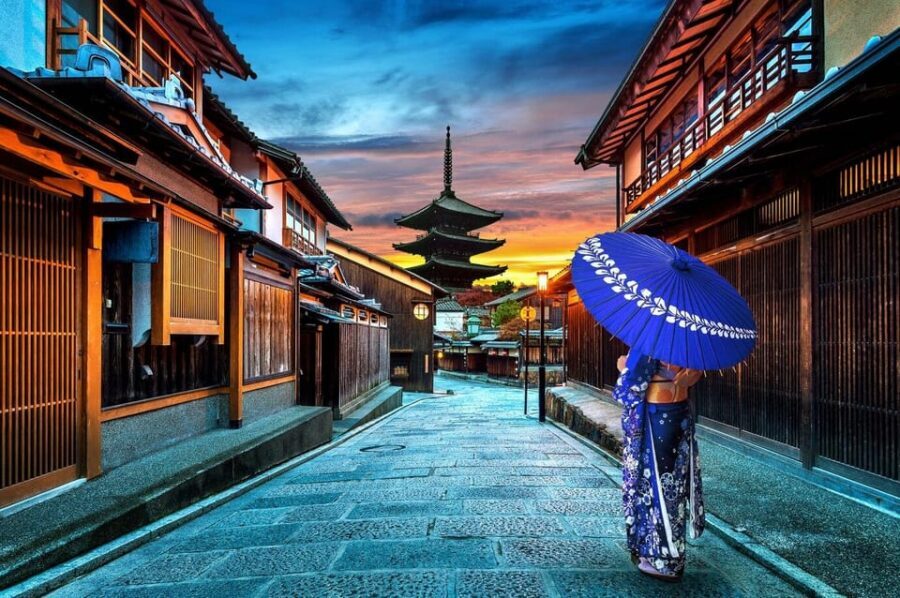
- Fushimi Inari Taisha torii route with time for photos and views of Kyoto
- Arashiyama Bamboo Forest built for an easy, scenic stroll and picture time
- Nara Park deer encounter with respect rules (don’t feed, don’t get too close)
- Todai-ji Temple and the Great Buddha Hall for one of Japan’s most striking temple interiors
How the Osaka or Kyoto pickup shapes your Kyoto and Nara day
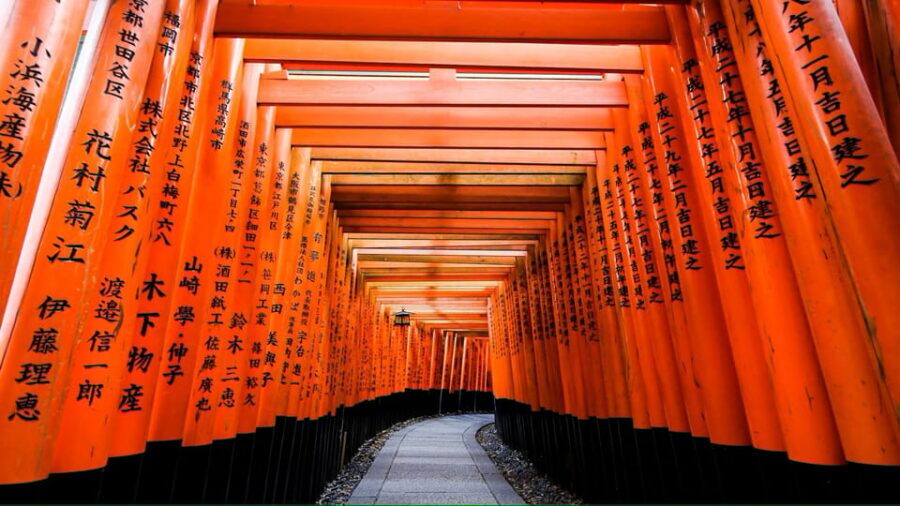
This tour starts with a pickup from your hotel or another location in Osaka or Kyoto. That matters more than it sounds. Kyoto and Nara can be traffic-heavy and transit-heavy, so being picked up early helps you spend your hours where it counts: at the sites.
It’s also a genuine door-to-door style day trip in the sense that you’re not switching between multiple trains and buses all morning. Transportation between stops is included, so you can think in sequences—bamboo, torii, deer, Great Buddha—rather than logistics math.
The day runs about 10 hours, with a small set of scheduled blocks. Translation: you’ll see major highlights, but you won’t have hours to linger in just one place. If you like slow travel, this works best if you treat each stop as a first hit, not a deep-dive.
You can also read our reviews of more private tours in Kyoto


Arashiyama Bamboo Forest: calm walking with quick photo time
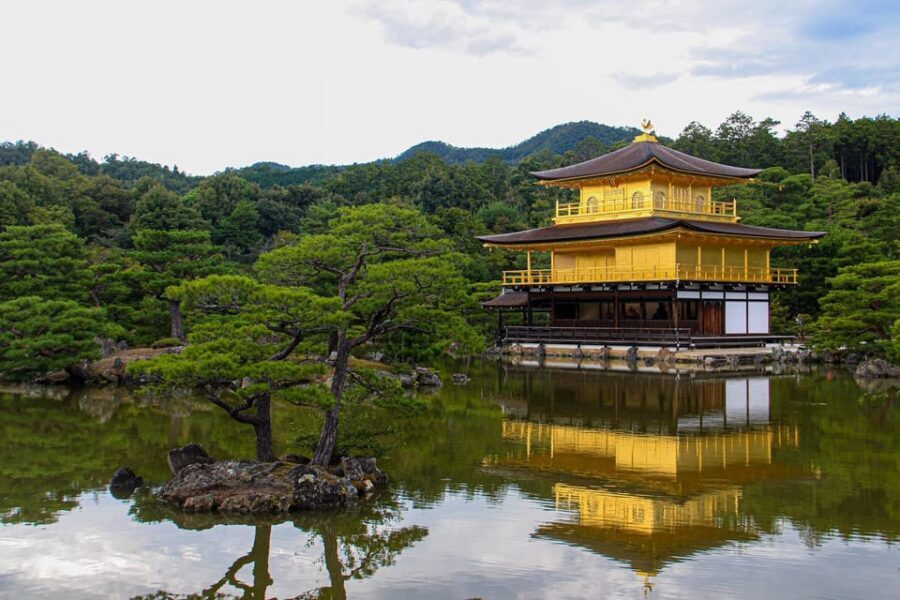
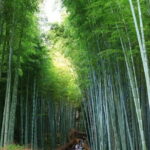
Arashiyama Bamboo Forest is one of those places where you instantly get the point: tall stalks, a cool tunnel of green, and an easy-going walking path. This trip gives you a 30-minute guided visit there, plus photo time. That’s not long, but it’s usually enough to get the classic views without turning the forest into a chore.
What makes this stop valuable is the contrast. After Kyoto’s shrine atmosphere at Fushimi Inari, bamboo feels quiet and physical—your senses shift from crowds and color to shade and sound.
Practical tip: wear shoes you trust. Bamboo paths are still paths—uneven spots and lots of people crossing your route. Bring your camera, but also leave time to look up. When you’re moving, the best photos usually happen when you stop for a breath, not when you rush through.
Fushimi Inari Taisha torii trail: pick your pace on a busy hillside
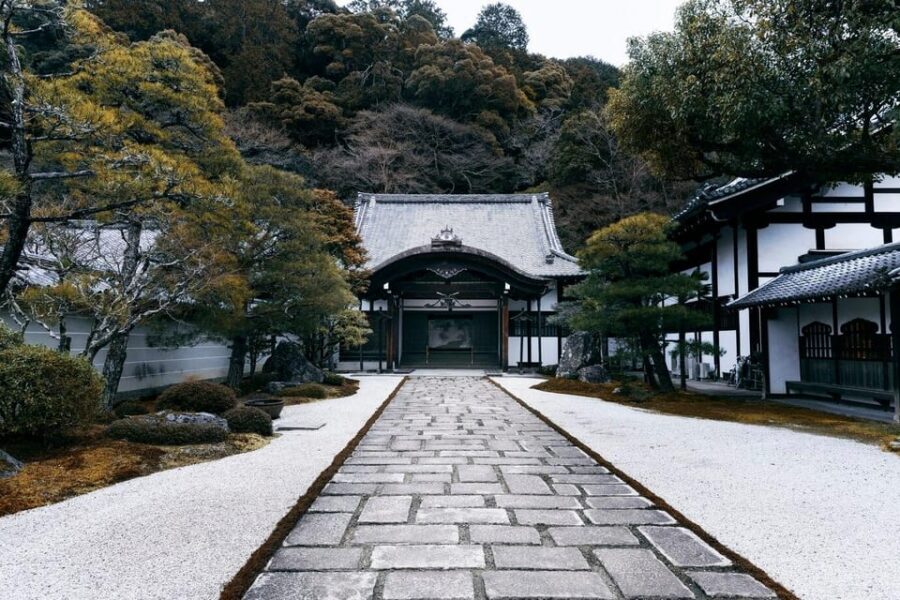
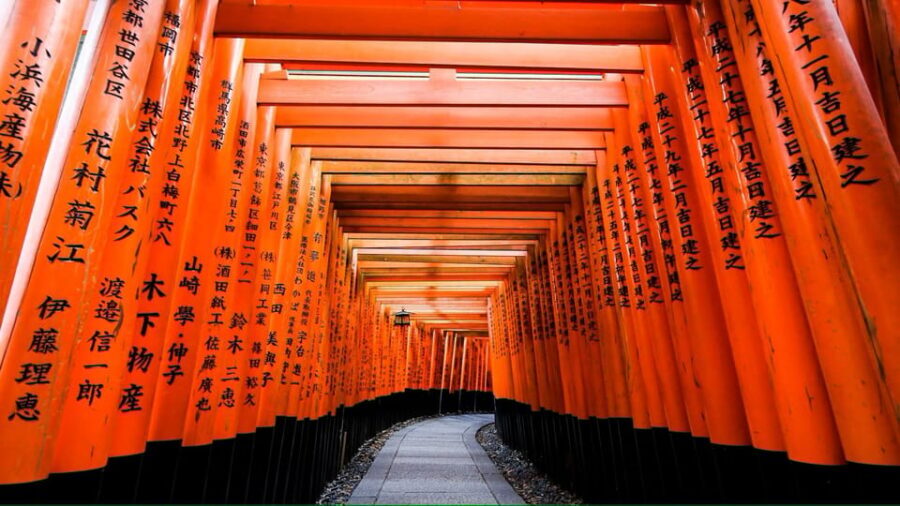
Fushimi Inari Taisha is the big visual event. The torii gates don’t just sit there; they create tunnels through the hillside. This tour includes a 30-minute block with photo stop time and a guided tour, plus sightseeing time that can align with sunrise or sunset depending on timing.
That timing detail is underrated. Morning light makes the reds and shadows feel cleaner. Late light can turn the steps and hillside into a more dramatic scene. Either way, the torii trail is busy, so having a planned entry and guided context helps you avoid wandering in circles.
A realistic expectation: with only a set chunk of time, you likely won’t hike the entire network of trails. You’ll probably focus on the main corridor of torii and the areas that give you Kyoto views. If you’re the type who loves climbing to higher viewpoints, this is one place where you may want to arrive hungry for more time later in another trip.
Also, keep your water handy. The walk can feel longer than the minutes on the schedule.
Nara Park and the deer: sacred messengers, practical boundaries
Nara Park is where the famous deer turn sightseeing into an encounter. This tour includes a 40-minute visit around the park, with both photo time and guided touring, plus walking and shopping time.
The deer are described as sacred messengers, which is exactly why the rules matter. You’re told not to feed the animals and to respect local customs and wildlife. That’s not just politeness; it keeps the experience safer and more enjoyable for everyone.
Here’s how I’d handle it in real time:
- Stay calm if a deer approaches your path. Sudden movements tend to make things worse.
- Keep your hands close to your body and your snacks put away. Even if you’re holding something, assume it’s a target.
- Don’t try to force a photo at arm’s length. If you respect the boundaries, you’ll get better shots anyway.
Nara’s advantage is that the park feels like an open-air stage for the city’s UNESCO sites. You’re not stuck inside a building the whole day. Still, it’s outdoor time, so heat, sun, and crowds are your real enemies.
Tōdai-ji Temple: the Great Buddha Hall hits hard
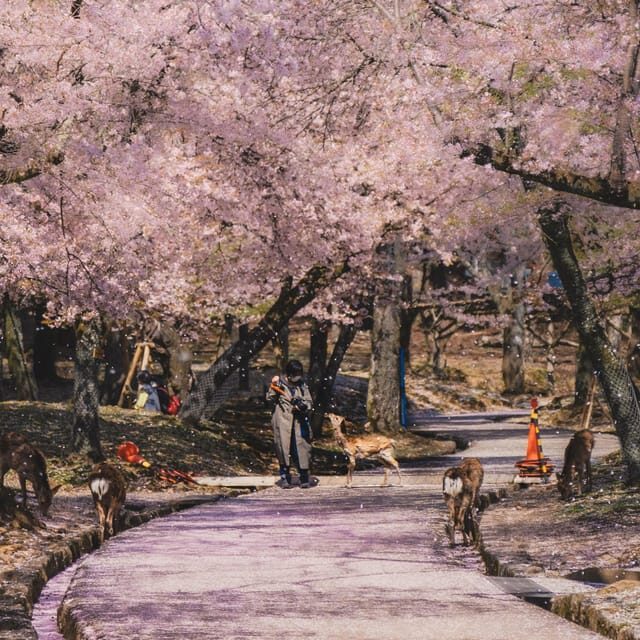
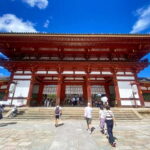
If you want one stop that justifies the long day, it’s Todai-ji. This tour gives one hour here, including a visit and guided tour time. The highlight is the Great Buddha Hall, home to the world’s largest bronze statue of Buddha.
Even if you’ve seen photos before, the scale is the point. A bronze Buddha at this size changes your sense of proportion. The hall space plus the statue creates a strong feeling—less about walking and more about standing, looking, and letting your brain catch up.
One hour can be a good match for Todai-ji because you need time to slow down. The most impressive parts often reward standing still rather than rushing through. You’ll have some shopping time too, which is useful because temple gift areas are often where you find small items and snacks for later, especially on a tight schedule.
Photo tip: in big halls, lighting can be tricky. You might find you get better photos by focusing on key angles and details instead of trying to capture everything at once.
You can also read our reviews of more tours and experiences in Kyoto


Kasuga Taisha lantern glow and your Kyoto time to reset
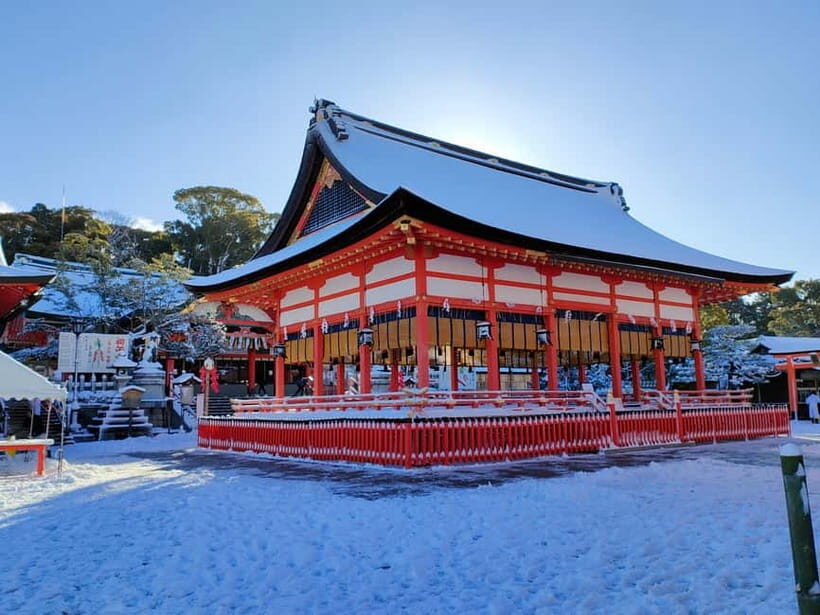
The day’s flow includes a late stop at Kasuga Taisha Shrine, known for being adorned with thousands of lanterns that create a magical glow at dusk. If the timing works the way it’s described, this is a strong emotional ending. It shifts you away from the daytime crowds and into a more atmospheric Kyoto moment.
After Nara, you also get a Kyoto block that includes break time, photo stop time, a guided visit, free time, shopping, sightseeing, and a short class segment. The exact nature of the class isn’t spelled out here, so treat it as a structured add-on rather than something you should plan your day around like a dedicated workshop.
I like this part because it gives you an off-ramp. After temples and trails, your feet are tired and your brain wants flexibility. Free time and shopping let you rebalance. You can grab a snack, pick up something small, or just sit for a minute and watch Kyoto life move by.
Price and value: $483 per group up to 6, with admissions and transport
The price is $483 per group up to 6 for a 10-hour private-style day trip. That sounds high at first glance, but value is about what you get wrapped into the total: guided time, transportation between sites, and admission to the mentioned stops.
Let’s do a practical way to think about it. If you fill the group of 6, you’re paying roughly $80 per person. If you’re only two people, it’s closer to $240 per person. The tour makes the most sense when you travel with a small group or family unit and can split the cost.
What you’re really buying is friction reduction:
- You don’t coordinate transit between Kyoto and Nara yourself.
- You don’t handle ticketing for the included stops.
- You get a live guide in English and Hindi to help you make sense of what you’re seeing.
If you’re traveling solo, you might compare costs against taxis or transit. But even then, the time saved can be meaningful if you want a structured day with major highlights rather than lots of self-planning.
Pace, walking, and who should skip this day trip
This is not a sit-and-smile tour. You’re outdoors for most of the day, and you’ll be walking a lot. The trip also notes it’s not suitable for children under 5, people with mobility impairments, or wheelchair users.
That’s important, because Arashiyama paths, torii stairs, and temple grounds are all active travel. Add in crowds and summer sun, and you’ll feel it.
If you love the idea of seeing Kyoto and Nara’s biggest icons in one shot, this fits well. If you need a slower, more flexible day—this might feel too constrained. The schedule includes set visit windows (like 30 minutes and 40 minutes at some stops), so you’ll move frequently.
So I’d book it if:
- You want maximum highlights with minimum logistics.
- You’re comfortable walking for hours.
- You’re traveling with others who can share the group cost.
Tips to make the most of bamboo, torii, deer, and Buddha
Here’s how to get better results from a day that’s tight on time.
Bring the right gear. The tour recommends comfortable shoes, a hat, camera, sunscreen, and water. I’d treat that as non-negotiable. If you forget one item—water or sun protection is the usual regret—you’ll spend the day thinking about comfort instead of sights.
Plan your photo strategy. Several stops include photo stop time, but with limited minutes. You’ll get the most if you pick a couple of must-have angles per site before you arrive, then move on.
Respect the deer rules. No feeding. No chasing. Keep your space. If you do this, you’ll get the classic deer interactions without turning the park into a stress test.
Keep belongings secure. Crowded areas can mean petty theft risk anywhere. The tour advises keeping your belongings secure, and that’s good common sense in Kyoto and around major attractions.
Ask your guide what matters most to you. Because the schedule is structured, a good guide can help you prioritize where your short time pays off. If guidance feels lighter at some entrances, you’ll still get value by having a plan before you start walking.
Should you book this Kyoto and Nara day trip?
I think this is a strong choice if you want a high-impact day that hits Kyoto icons and Nara UNESCO landmarks without you juggling transport, tickets, and timing. The included admissions and transportation remove a lot of decision fatigue, and the small group size helps the day feel organized rather than mass-tour chaotic.
It’s also worth booking if you like the idea of contrast: bamboo calm, torii color, deer encounters, and the Great Buddha Hall’s wow-factor. The Kasuga Taisha lanterns at dusk add a nice “Kyoto feels like Kyoto” ending if timing aligns.
But don’t book it if you want a long, slow stroll through fewer sites. With set time blocks, you’re trading depth for variety. And if you strongly prefer a constant guided walking experience at every moment, you should know that some parts of the day can feel more like being dropped near key entrances and then exploring.
If you do book, go in prepared: comfortable shoes, sunscreen, water, and patience for crowds. Then enjoy the fact that your whole day is built around the big hits of Kyoto and Nara.
FAQ
Where are the pickup and drop-off locations?
Pickup is included from your hotel or another location in Osaka or Kyoto. Drop-off is also in Kyoto or Osaka.
How long is the tour?
The duration is 10 hours.
What language is the live tour guide?
The live tour guide speaks English and Hindi.
Are admissions included?
Yes. Admission to all the mentioned sites is included.
Is transportation between stops included?
Yes. Transportation between the sites is included.
Is the tour suitable for young children or wheelchair users?
It is not suitable for children under 5 years old, people with mobility impairments, or wheelchair users.