REVIEW · SUSHI MAKING CLASSES
Kyoto Sushi Making Experience with a Professional Sushi Chef
Book on GetYourGuide →Operated by MagicalTrip · Bookable on GetYourGuide
Kyoto sushi making is both precise and surprisingly personal. In this small-group class in Kyoto, a professional Taisho chef teaches you nigiri craft and roll sushi step by step, then you eat what you made. Add in sake tasting, tempura, and a matcha moment in a quiet garden, and you get a full-on food lesson, not just a meal.
Two things I really like: you get hands-on sushi (not just watching), and you also get practical sake tasting with pairing guidance that makes the flavors make sense. I also like that the flow connects food to culture, starting with wagashi sweets and ending with matcha you whisk yourself.
One thing to consider first: this isn’t built for every diet. The class can’t accommodate vegetarian, vegan, or gluten-free requests, and you should plan around food prepared in non-allergy-controlled kitchens. Also, the tour starts on time, and late arrivals can’t join or reschedule.
In This Review
- Key highlights you will actually use
- From Karasuma Oike to DIESEL 京都: the start feels local
- Picking wagashi first: why the dessert choice is part of the lesson
- Meeting the Taisho chef: watching knife work that’s all about control
- Hands-on nigiri and rolls: what you’ll actually learn to do
- Tempura, drinks, and sake tasting: the meal becomes a flavor lesson
- The matcha experience in a quiet Kyoto-style garden
- Duration, group size, and timing: why 210 minutes feels full
- What you get for $161: value beyond the “class” label
- Who should book this Kyoto sushi workshop (and who should skip it)
- Practical booking tips so you don’t lose your spot
- Should you book this Kyoto sushi workshop?
- FAQ
- How long is the Kyoto sushi-making experience?
- What is included in the course?
- Is the class taught in English?
- How big is the group?
- What are the age requirements?
- Can the experience accommodate vegetarian or vegan diets?
- Can you request gluten-free options?
- Where is the meeting point?
- Is there a cancellation policy?
Key highlights you will actually use
- Small group (up to 7) means you get real attention while you’re forming nigiri and rolling.
- Make 9 nigiri plus roll sushi so you leave with skills, not just memories.
- Sake tasting with pairing tips helps you notice why certain flavors work together.
- Tempura set + included drinks round out the meal you create.
- Matcha whisking in a Kyoto-style garden ties the whole experience together with wagashi.
From Karasuma Oike to DIESEL 京都: the start feels local
The experience begins near Karasuma Oike Station, at Exit 5, and you’ll meet in the area around DIESEL 京都. Even if you’re using transit like a pro, I’d still show up a bit early. With a hands-on cooking class, arriving late can put you out of rhythm, and this one is strict about starting on time.
Before you ever step into the kitchen, you head out for a guided stop where you choose traditional Japanese sweets (wagashi). This matters more than it sounds. Wagashi isn’t just dessert here; it becomes part of your matcha pairing at the end, so you’re making choices with a future moment in mind.
You’ll also get an English-speaking guide who helps translate and explain what’s happening. Depending on the day, guides mentioned in past groups include people like Ayu, Yuka, or Ayuri (each can handle translation and keep you comfortable). That language support is a big deal when the chef is speaking mostly in Japanese.
You can also read our reviews of more tours and experiences in Kyoto.

Picking wagashi first: why the dessert choice is part of the lesson
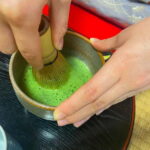
The wagashi stop isn’t a shopping detour. It’s more like the preface to the class. Your guide helps you choose sweets that you’ll later enjoy with matcha whisked during the final garden segment.
If you like experiences that feel intentional, this one gives you a clear thread: sweetness first, then matcha, then you connect the taste to the way Japanese tea culture approaches balance. It’s also a nice way to slow down before the intensity of knife work and sushi rice assembly.
And yes, you’ll get a chance to take photos during the activity. That’s helpful because once you’re holding tools and forming sushi, you won’t want to keep stepping out to capture every step.
Meeting the Taisho chef: watching knife work that’s all about control
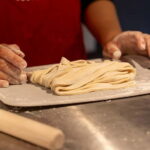
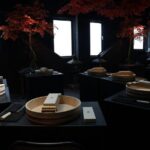
The main event happens in an authentic sushi restaurant setting. You meet a professional Taisho chef, and you start with a demonstration that focuses on precision—how to handle ingredients and how the pieces come together into neat, balanced sushi.
In a class like this, the “why” is what you’re really paying attention to. Knife technique isn’t just about speed; it’s about consistency and respect for the ingredient. Even if you don’t memorize every detail, you’ll learn the idea that sushi making is a craft where small corrections matter.
A good translator makes this easier. In past groups, guides like Ayu or Yuka have helped answer questions and keep explanations clear, including context about both traditional sushi making and what’s changed over time.
There’s also often curiosity built in. One past participant noted they were even able to look at the knives for a moment. That kind of access helps you understand the tools, not just the final bites.
Hands-on nigiri and rolls: what you’ll actually learn to do
After watching the demo, it’s your turn. You’ll make your own sushi under careful guidance—forming 9 nigiri sushi and also making roll sushi. This part is the heart of the value here: you’re not just eating sushi, you’re building it.
Because the group is limited to 7 participants, the chef and guide can correct you in real time. That matters when you’re trying to match technique to feel. Sushi is one of those foods where the result depends on how you handle it, not just the ingredients.
All cooking levels are welcome. I think that’s the right framing because sushi making is less about “being good at food” and more about following a sequence, getting comfortable with handling, and learning a few key adjustments from the instructor.
If you’re coming with kids, the minimum age is 4. For any potentially dangerous steps involving knives, children must be supervised by an accompanying adult. If your group includes kids, this is the part to think through early so everyone stays safe.
Tempura, drinks, and sake tasting: the meal becomes a flavor lesson
Once your sushi is ready, you eat it—freshly made by your own hands. But this class doesn’t stop at sushi. You also get a tempura set prepared by the chef.
Tempura is a smart companion dish because it changes the texture and introduces a different kind of crunch. It also gives your palate a break from raw or delicate flavors, so each new bite feels distinct instead of repetitive.
You’ll also receive two drinks, plus sake tastings with pairing tips. That’s where the experience starts feeling more like a guided tasting than a cooking class. You aren’t just sampling; you’re learning how to think about matching flavors.
Here’s what I’d take from the sake component: Japanese cuisine often treats pairing as a conversation. The goal isn’t one “best” flavor. It’s noticing how something changes when you combine it with sushi, tempura, and even your chosen sweets later.




The matcha experience in a quiet Kyoto-style garden
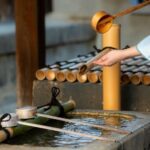
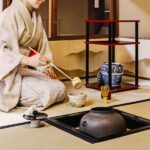
The class ends in a calmer, slower mode—your guide brings you to a Kyoto-style garden to unwind. This is where you whisk matcha yourself, which turns the experience from culinary craft into cultural ritual.
One small detail that stands out from past groups: you can sit on tatami mats during the matcha segment. That setting makes it easier to focus. It’s also a nice contrast after time in the restaurant kitchen, where everything feels sharper and more structured.
You’ll enjoy the matcha with the wagashi you picked earlier. That pairing is the payoff for doing the sweets stop at the start. The sweetness and texture of the sweets change how the bitterness and aroma of matcha reads on your tongue.
If you like travel moments that feel calm and grounded, this ending gives you that reset without turning the day into a long lecture.
Duration, group size, and timing: why 210 minutes feels full
The total time is 210 minutes (about 3.5 hours). That’s a well-packed window for a sushi class because it includes:
- a guided sweets stop,
- chef demonstration,
- hands-on sushi making,
- tempura and tastings,
- and the matcha segment in the garden.
The group size (up to 7 participants) is a big reason the pacing works. In small classes, you can actually pause to ask questions and get corrections before your sushi becomes the wrong shape or tempers the tasting experience.
Also, the tour starts on time out of respect for everyone. If you’re trying to fit it between other plans, don’t cut it close.
What you get for $161: value beyond the “class” label
At $161 per person, this isn’t a budget activity. But I think it’s priced like a real workshop with ingredients and chef time, not a basic cooking demo.
What’s included adds up:
- pro chef instruction,
- sushi (9 nigiri + roll sushi) and tempura,
- two drinks,
- sake tastings with pairing guidance,
- the matcha experience,
- Japanese sweets (wagashi),
- and tour photos.
You’re paying for multiple courses plus specialized teaching. If you were to recreate this as separate meals and add tastings on top, the cost would climb quickly. The value is also in the structure: you don’t just eat; you get guidance that helps you understand what you’re tasting.
Where the price can feel less “worth it” is if you already feel confident making sushi and you’re mainly after a casual meal. In that case, you might choose a great sushi restaurant instead and spend less. But if you want a skill you can bring home, the hands-on part is the key reason this works.
Who should book this Kyoto sushi workshop (and who should skip it)
This is a great fit for:
- people who want to learn sushi technique with direct coaching,
- anyone who likes food tastings (especially sake),
- couples or small groups who want more attention than big tours,
- and visitors who want Kyoto culture through food, not just sights.
It’s not a fit for:
- wheelchair users (not suitable),
- people needing vegetarian, vegan, or gluten-free options (not accommodated),
- people with severe allergies, since the class can’t guarantee allergy-free preparation.
If you’re flexible on diet and you’re okay with a small amount of structured instruction, you’ll likely enjoy it a lot. If your group needs substitutions or strict allergy control, you’ll need to think twice, because the data here suggests adjustments aren’t guaranteed.
Practical booking tips so you don’t lose your spot
A few practical points that can save headaches:
- Arrive near Karasuma Oike Exit 5 a little early, because late arrivals can’t join.
- Wear comfortable clothes for standing and working with your hands. You’ll be in a restaurant kitchen environment and then moving to a garden setting.
- If you’re bringing kids, plan ahead for supervision, especially around tools and any steps that could be risky.
- If you’re sensitive to dietary restrictions, read carefully—this class can’t promise allergy-free meals, and there are no vegetarian or vegan accommodations.
Also, it can be wise to bring your questions to the guide. In past groups, translators like Ayu have been able to handle explanation smoothly and answer questions about sushi culture and customs.
Should you book this Kyoto sushi workshop?
I’d book it if you want one activity in Kyoto that covers multiple layers: technique, tasting, and a calm cultural finish. The hands-on making of 9 nigiri plus rolls is the kind of skill-building that sticks, and the sake plus matcha pairing gives you more than just a full stomach.
I would skip it if your priority is a low-cost meal, or if your group needs vegetarian/vegan/gluten-free options or reliable allergy-safe preparation. In that case, you may be happier with a sushi restaurant that can meet your needs without the constraints of a fixed course.
If you fall into the first group, this class is one of the best ways to connect Kyoto food culture to something you can practice at home.
FAQ
How long is the Kyoto sushi-making experience?
The experience lasts about 210 minutes (around 3.5 hours).
What is included in the course?
You’ll make 9 nigiri and roll sushi, enjoy a tempura set, have two drinks, do sake tastings, try a matcha experience, and eat Japanese sweets (wagashi). Tour photos are also included.
Is the class taught in English?
Yes. The instructor is listed as English.
How big is the group?
This is a small group with a maximum of 7 participants.
What are the age requirements?
Participants must be at least 4 years old. Children must be supervised by an accompanying adult when handling knives or joining potentially dangerous steps.
Can the experience accommodate vegetarian or vegan diets?
No. Vegetarian and vegan requests can’t be accommodated.
Can you request gluten-free options?
No gluten-free requests are supported.
Where is the meeting point?
You meet near Karasuma Oike Station, Exit 5.
Is there a cancellation policy?
Free cancellation is available up to 24 hours in advance for a full refund.