REVIEW · KYOTO
Hammer Pattering Experience of Ring
Book on Viator →Operated by itoaware-いとあはれ-京都店 · Bookable on Viator
Hammered rings in Kyoto feel oddly calming. In about an hour, you’ll create a one-off design using Japan’s Tankin hammer technique, picking the material and the pattern you want. The workshop staff walk you through the process and help you end with a finished ring you can take home right away.
I especially like two things here: you choose your ring’s texture and shape, so it feels personal, not templated. And I love the finishing support—your ring gets polished and cleaned by the craftsmen at the end, so you’re not left with a half-done souvenir.
One consideration: this is not a full metal-forging class with welding and building from raw sheet. You add texture patterns to a ring that has already been welded or polished, and that may be perfect—or disappointing—depending on what you want to learn.
In This Review
- Key things to know before you go
- Tankin Hammer Texturing: Why This Kyoto Ring Class Feels Different
- Choosing Your Ring: Material, Thickness, Shape, and Texture
- The One-Hour Flow: What Happens During Your Session
- What This Workshop Includes (and What It Doesn’t)
- Location and the Private Workshop Advantage in Higashiyama
- Price and Value: Why $21.68 Works for a Real Keepsake
- Who Should Book This Ring Experience—and Who Might Skip It
- The Best Way to Get a Result You’ll Love
- Should You Book This Kyoto Ring Workshop?
- FAQ
- How long is the Hammer Pattering Experience of Ring in Kyoto?
- How much does it cost?
- Where do I meet for the workshop?
- Can I take my ring home the same day?
- Does the workshop include welding work?
- Is the workshop private?
- What is the confirmation timing after I book?
- Can most travelers participate?
- Is it okay to bring service animals?
- FAQ
- What is the cancellation policy?
Key things to know before you go
- Tankin-style hammer texturing: you stamp in patterns with special tools rather than only engraving or polishing.
- You customize your ring: pick material, thickness, shape, and the texture you want.
- One-hour workshop: plan for about 60 minutes from start to finish.
- Craftsmen handle final polishing: your ring is cleaned and finished for you at the end.
- Private session for your group: only your party participates.
- Same-day take-home: you leave with your finished ring.
Tankin Hammer Texturing: Why This Kyoto Ring Class Feels Different
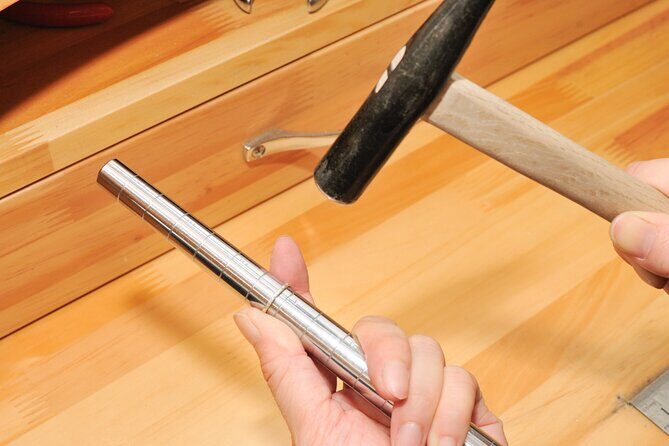
Most souvenir shops in Kyoto sell you something already finished. This experience is the opposite. You start with choices, then you physically make the surface pattern using hammer tools made for texture work.
The key word is Tankin—a traditional Japanese approach where the beauty is in the impressions and the rhythm of the tool. It’s not about learning a complex jewelry workflow. It’s about creating a wearable design through tactile patterning, with guidance so you don’t have to guess what to do.
What makes it click in real life is the structure. You’re not thrown into chaos. You choose options, you hammer the texture you picked, and then the shop takes care of the final polish. That balance is ideal if you want a meaningful “I made this” item without spending your whole day in a workshop.
You can also read our reviews of more tours and experiences in Kyoto.


Choosing Your Ring: Material, Thickness, Shape, and Texture
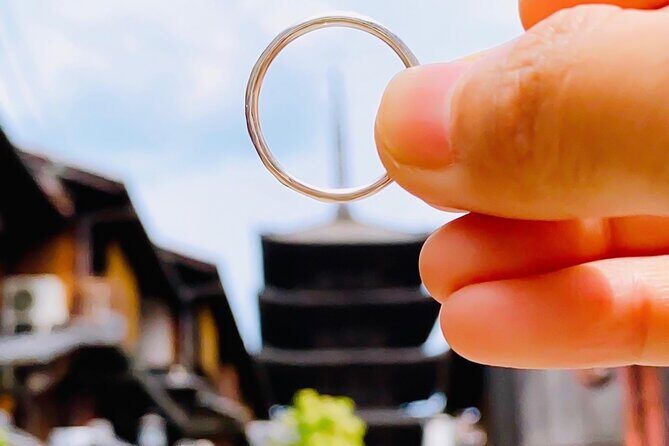
Here’s what you get to control. You’ll choose your favorite material, thickness, shape, and texture. That matters because a ring can look the same in photos while feeling completely different on your hand. Thickness changes how it catches light. Shape changes how it sits. Texture changes the whole personality of the design.
If you want a subtle look, you can likely lean toward quieter textures. If you want bold character, the hammer texturing is your shortcut to a high-impact surface. The shop helps you through the options, so you’re not stuck decoding jewelry terms alone.
One more smart detail: the class supports customization even with a limited time frame. You’re not asked to create a complex construction step-by-step. The focus stays on the texture and fit decisions so the ring ends up finished in the timeframe.
Also, this is a good activity for gifting. A workshop-made ring isn’t just a pretty thing. It’s a story. You can explain the technique you used, the texture you chose, and that you made it during your Kyoto stop.
The One-Hour Flow: What Happens During Your Session
The total workshop time is about one hour. That’s long enough to create something real, but short enough to fit into a normal Kyoto day.
A typical flow goes like this:
First, you select your options. You choose the ring style factors you want—material, texture, thickness, and shape. The staff explain what they’re doing and what you should decide now versus later.
Then you move into the hammering stage. You’ll use special hammers and tools to add your chosen texture pattern. This is the fun part because you can see progress quickly. With each strike or sequence, the surface changes from blank to patterned.
After the texturing, the workshop doesn’t just stop there. Skilled craftsmen take over for the final steps: polishing and cleaning your ring so it looks finished rather than workshop-worn. You’ll also have staff support until the end, including help with a commemorative photo.
And the best part for planning: you can take the ring home on the same day. No shipping. No waiting. When you’re done, you’re done.
What This Workshop Includes (and What It Doesn’t)
This is where expectations need a quick reality check.
The workshop does not include welding work. Instead, it adds patterns to rings that have already been welded or polished. In other words: you’re not building the ring’s structure from raw metal in front of you.
From a visitor point of view, that’s a trade-off. The upside is time and quality. You avoid long construction steps, and the shop makes sure the ring finishes properly. The downside is if you came hoping to learn soldering, full forging, or a full metal-smithing workflow, you might feel limited.
Still, the class is more than just tapping a pre-made stamp. You’re customizing texture and making the pattern choices matter. And because the craftsmen handle polishing and cleaning, you get a nicer final look than if you had to finish it yourself.
If you’re in Kyoto for a short stay and you want a high-value hands-on activity that fits into your schedule, this setup is a smart way to do it.
Location and the Private Workshop Advantage in Higashiyama
Your meeting point is Itoaware Kyoto, at 91-5 Hoshinochō, Higashiyama Ward, Kyoto. The activity ends back at the same spot, so you don’t need to route your afternoon around a separate pickup location.
It’s also close to public transportation, which is a big deal in Kyoto. You want workshops that don’t eat your time with extra transit.
I also appreciate the “only your group” format. This isn’t a chaotic multi-language crowd where you lose attention. A private setup usually means the staff can support you at the right pace, especially during the customization and hammering stage.
And because the class is short, it doesn’t turn into a long sit-and-watch activity. You get to be part of the making.




Price and Value: Why $21.68 Works for a Real Keepsake
At $21.68 per person, this is priced for accessibility. It’s not trying to compete with high-end artisan jewelry. It’s closer to a skill-based souvenir—one you make yourself.
Value comes from three places:
1) You’re not just buying a ring. You’re controlling the texture and design choices.
2) You’re getting finishing help from craftsmen, including polishing and cleaning.
3) You take it home the same day, so you don’t pay for shipping time or delays.
One participant noted that the price felt reasonable compared with what sterling silver typically costs. Even if you don’t track jewelry prices closely, that’s a useful gut-check: you’re paying for the experience and the finishing process, not just the material.
If you’re deciding between a generic shop souvenir and a hands-on workshop, this one usually wins on meaning. It’s a Kyoto memory you can wear.
Who Should Book This Ring Experience—and Who Might Skip It
This workshop is a great fit if you want one of these outcomes:
- A personal souvenir you can wear often
- A hands-on activity that doesn’t take half a day
- A gift that feels thoughtful because you made it
- A short class that still feels special and guided
It also seems to work for families. People have enjoyed doing it together, including with kids. Since the workshop is about hammering texture and following instructions, it’s best for kids who can focus for about an hour.
You might consider another type of jewelry class if you specifically want to learn welding, soldering, or building the ring structure from scratch. This experience focuses on texture patterning, not metal construction.
The Best Way to Get a Result You’ll Love
A few practical tips can make your ring look better and feel more like you:
- Choose texture with your long-term taste in mind. Bright, high-contrast patterns can look amazing, but they can also feel bold day-to-day.
- Think about how thickness will feel on your finger. Thicker can look heavier and more dramatic. Thinner can feel lighter and easier to wear.
- Go in ready to decide. The class is about an hour, so you’ll move through choices efficiently.
- Ask for help during sizing and finishing steps. The staff are there to support you through the end process.
And if you want personalization beyond the standard texture, it’s smart to ask what customization options are available during your session. One person shared that they left with an engraving including Kyoto, so personalization may be possible depending on what the shop offers that day.
Should You Book This Kyoto Ring Workshop?
If you want a short, memorable craft experience in Kyoto, I’d book it. The combination of customization, Tankin-style texturing, and same-day take-home makes it feel like more than a tourist activity.
Skip it only if your main goal is learning the full jewelry process with welding and building. Since this class doesn’t include welding, you’ll get the best value when you’re excited about texture and pattern—rather than metalwork mechanics.
If your schedule is tight, this one-hour format is a strong reason to go. And if you like bringing home something handmade that actually fits your story, the ring you make here is exactly that kind of souvenir.
FAQ
How long is the Hammer Pattering Experience of Ring in Kyoto?
The workshop takes about 1 hour.
How much does it cost?
It’s $21.68 per person.
Where do I meet for the workshop?
You meet at Itoaware Kyoto, 91-5 Hoshinochō, Higashiyama Ward, Kyoto, 605-0853, Japan. The activity also ends back at the same meeting point.
Can I take my ring home the same day?
Yes. You can take the ring home on the day of the workshop.
Does the workshop include welding work?
No. This experience does not include welding. It adds texture patterns to rings that have already been welded or polished.
Is the workshop private?
Yes. It’s a private tour or activity, and only your group participates.
What is the confirmation timing after I book?
Confirmation is received within 48 hours of booking, subject to availability.
Can most travelers participate?
Most travelers can participate.
Is it okay to bring service animals?
Service animals are allowed.
FAQ
What is the cancellation policy?
You can cancel for a full refund up to 24 hours in advance of the experience’s start time. If you cancel less than 24 hours before start time, the amount paid is not refunded.