REVIEW · FUSHIMI INARI TOURS
Sacred Treasure Fushimi Inari and Kiyomizu Dera Tour
Book on Viator →Operated by Konnichiwa-japan · Bookable on Viator
Fushimi Inari and Kiyomizu-dera in one walk is a great combo. You get the Shinto side at Fushimi Inari with its famous torii path, then you switch gears to the Buddhist landmark of Kiyomizu-dera, plus a relaxing end in the streets of Ninenzaka and Sannenzaka. I like that the tour is tightly planned for a short stay in Kyoto, so you’re not spending half your day figuring out transit and entrances.
I also really like the way a good guide can connect the dots between the two sites and the beliefs behind them. Some guides, like Andrea from Colombia and guides such as Joanes y Ricardo, focus on the meaning of what you’re seeing and keep things moving without turning it into a lecture. One possible drawback: the organization quality doesn’t always seem consistent, and there are reports of last-minute issues and extra charges in at least one case, so I recommend double-checking what’s included and staying flexible.
In This Review
- Key Things That Make This Tour Worth Your Time
- A 3-Hour Kyoto Circuit: Torii to Pure Water
- Fushimi Inari Taisha: What the Torii Path Really Teaches
- Kiyomizu-dera: UNESCO Views and Sacred Water for Health
- Ninenzaka and Sannenzaka: Old Streets, Shops, and a Gentle Finish
- Price and Value: Why $30 Can Make Sense
- The Guide Factor: When the Tour Feels Like Culture, Not Checklists
- Who This Tour Fits Best (And Who Might Want Something Else)
- Practical Tips Before You Go
- Should You Book Sacred Treasure: Fushimi Inari and Kiyomizu-dera?
- FAQ
- How long is the Sacred Treasure Fushimi Inari and Kiyomizu Dera Tour?
- What does the tour cost?
- What’s included in the price?
- Where do I meet the guide, and where does the tour end?
- Is the ticket mobile?
- What happens if the weather is bad?
Key Things That Make This Tour Worth Your Time
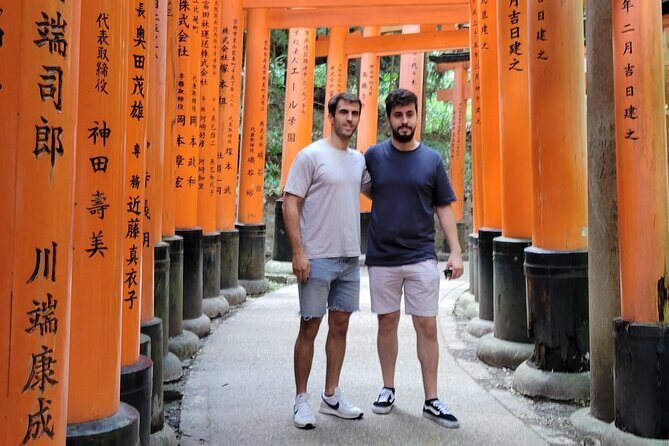
- Two major Kyoto religions in one route: Shinto at Inari, then Buddhism at Kiyomizu-dera
- Temple tickets included for the main stops, so you can budget one clear amount
- A real end-of-walk finish at the Ninenzaka/Sannenzaka shopping streets for snacks and souvenirs
- Guides make the mythology practical (some include participation in a ritual moment during temple time)
- Small-group feel within a cap: up to 50 people, with a guided walking pace
A 3-Hour Kyoto Circuit: Torii to Pure Water
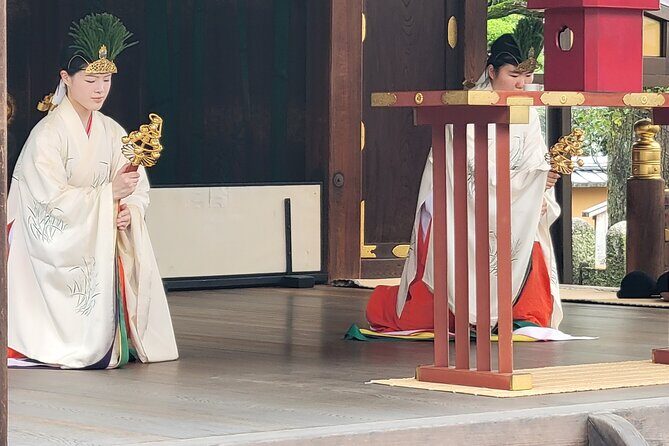
This is a compact tour built around a classic Kyoto pairing: Fushimi Inari Taisha and Kiyomizu-dera. The schedule is short enough that it works even if you’re only in Kyoto for a couple days. At the same time, it’s long enough that you don’t just stand at a viewpoint and bolt. You’ll walk, you’ll see, and you’ll get a human explanation of what you’re looking at.
The route also has a nice rhythm. You start with the famous vermillion torii gates, then you move to a temple site where views and sacred water are part of the experience. You end with the slow, old-street atmosphere of Ninenzaka and Sannenzaka. That ending matters because it gives you an easy way to transition from “tour mode” into wandering on your own.
One more small detail I like: the tour uses a mobile ticket. In Japan, that’s one less thing to manage. You also get a certified guide, which is important when you’re navigating Kyoto’s crowded shrine and temple areas.
You can also read our reviews of more tours and experiences in Kyoto.


Fushimi Inari Taisha: What the Torii Path Really Teaches
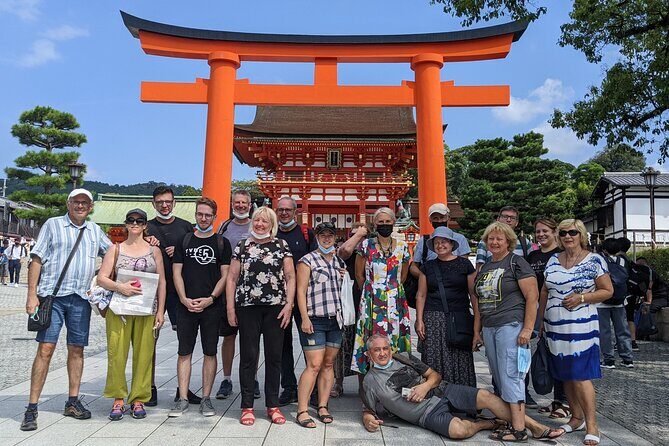
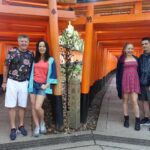
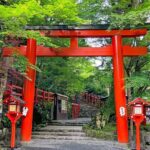
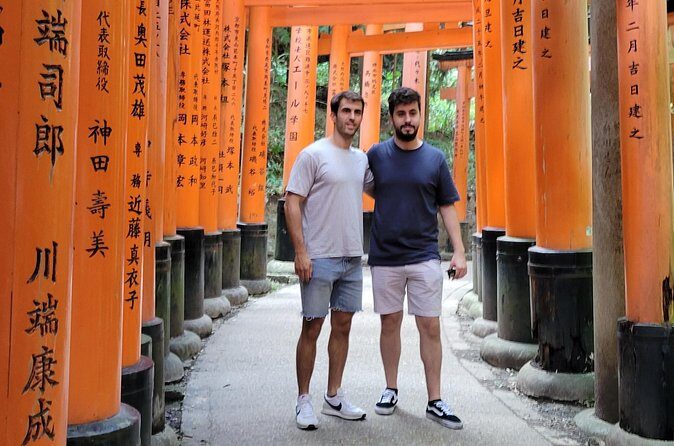
Your first stop is Fushimi Inari Taisha Shrine for about an hour, with an admission ticket included. The headliner is, of course, the thousands of vermillion torii gates forming a tunnel-like route. But what makes Inari special isn’t only the photos. It’s the sense of movement—walking through the gates feels like you’re entering a sacred system, not just passing landmarks.
The tour framing helps. Inari is dedicated to Inari, a Shinto deity associated with rice, prosperity, and business. That matters because it changes how you read the site. You’ll notice that people aren’t treating it like a random scenic spot. They’re there for blessings tied to livelihood and wellbeing.
Practical note: even though the tour is only an hour here, the Inari grounds can feel bigger than they look on a map. Wear shoes you trust, because you’ll be on foot for this portion of the day. If you’re the type who likes to take your time at every small detail, plan on choosing what to focus on with your guide and saving a longer solo revisit for later if your schedule allows.
What you’ll likely get from your guide at Inari:
- A clearer sense of why the gates multiply where they do
- Explanations tied to prosperity and business themes
- Tips for where to pause so you’re not just walking through crowds
A bonus from the guide variety mentioned in past groups: some guides lean into mythology and history. If you get a guide with a storyteller style—one guide named Robert is mentioned as explaining mythology and history in a way that helped the whole group understand the meaning—you’ll probably feel the site more than you would on your own.
Kiyomizu-dera: UNESCO Views and Sacred Water for Health
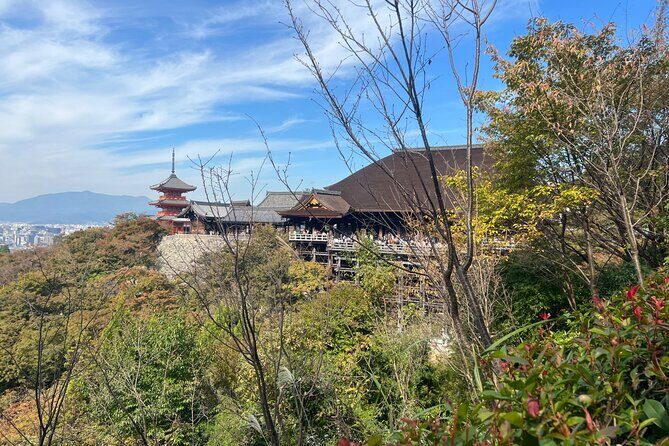
Next up is Kiyomizu-dera, also about 1 hour 30 minutes, with an admission ticket included. This is one of Kyoto’s best-known landmarks, and the tour makes sense here because Kiyomizu-dera isn’t just “look at the temple.” It’s a full sensory experience built around a famous wooden stage and sacred water.
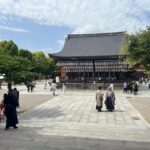
Kiyomizu-dera is often called the Pure Water Temple, and it has a long legacy—over a thousand years. The site includes a wooden stage that juts out over the hillside, and that structure is a big part of why it’s so memorable. When you’re standing there, you understand why the views are part of the legend.
Then there’s the sacred-water element. You’ll hear about the water being believed to grant health and longevity. Even if you’re not a believer in the spiritual claims, the belief itself is part of the culture. What matters is how people treat the water: with purpose, patience, and a clear intention tied to wellbeing.
Here are the two big reasons this stop is worth your time:
- The architecture and viewpoints make the temple feel dramatic, not flat or generic
- The sacred water connects the physical site to a belief system that still matters today
One interesting detail from past guide styles: some guides include a short moment of participation in a ritual during temple time. For example, a group member participated in a ritual connected to finding the right person in one of the temples. You don’t need to treat it as a performance. If your guide offers context first, it can be a meaningful cultural moment rather than a gimmick.
Potential drawback here: Kiyomizu-dera draws crowds. Your group size has a cap (up to 50), but peak-season queues and packed viewing areas can still limit how much you can linger. Your best move is to follow your guide’s timing cues, especially if your goal is to see the stage and the sacred water without losing half the tour to bottlenecks.
Ninenzaka and Sannenzaka: Old Streets, Shops, and a Gentle Finish
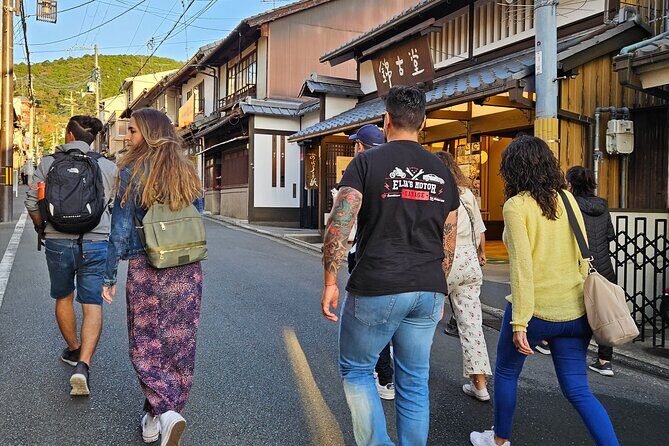
After the temples, you get the payoff of walking through Kyoto’s old-street atmosphere: Ninenzaka and Sannenzaka. This part is shorter—about 15 minutes each—but it’s designed as a wind-down so you’re not mentally done before you reach Kyoto’s most charming street scenes.
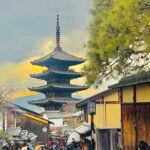
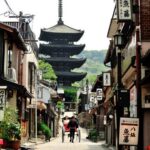
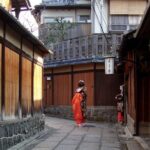
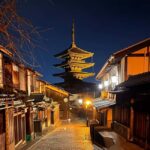
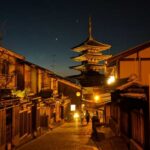
These streets are known for cobblestone paving and traditional wooden buildings preserved along the route. That texture matters. It slows your pace. It makes it easier to enjoy details like signs, storefront designs, and the general “this has been here a long time” feeling.
You’ll also find teahouses and souvenir or craft shops, and since the tour ends at these streets, you can keep going after the guided portion. One practical advantage is that you’re not left stranded at a random spot. You’re dropped at a place where it’s naturally easy to grab a coffee, browse, and plan your next move.
The one thing to watch: because this is a short segment, it can feel more like a guided orientation than a deep wander. If you love shopping or street photography, consider arriving a bit hungry and ready to extend your stroll afterward. The tour gives you a clean starting point; it doesn’t replace a longer solo wander.
Price and Value: Why $30 Can Make Sense
At $30 per person for roughly 3 hours, this tour is positioned as a value choice for people who want a concentrated Kyoto highlight day. The big value element is not the guide alone—it’s that temple tickets are included for the main stops. That matters because Kiyomizu-dera and Fushimi Inari aren’t free, and paying separately while also managing navigation can get annoying fast.
Another value piece: the tour is described as having a certified guide and a walking experience with tickets included. In Kyoto, that’s often the difference between a smooth day and a frustrating one—especially when you’re moving between religious sites that have different customs and flow.
Where I’d be careful: the tour provider lists tickets as included, but there are also accounts of additional entrance fees or transportation-related payments being requested in at least one situation. If you’re paying by credit card and you end up asked for extra money, you don’t want an argument in the middle of a shrine line. My practical advice: check the inclusions carefully before you go and save any message confirmations from booking. That way you can reference it calmly if anything feels off.
Still, even with that caution, $30 for a guided route with temple admissions can be a good deal if:
- you’re short on time in Kyoto
- you want two major sites without stitching transit together yourself
- you’d rather spend your energy on the places than on logistics
The Guide Factor: When the Tour Feels Like Culture, Not Checklists
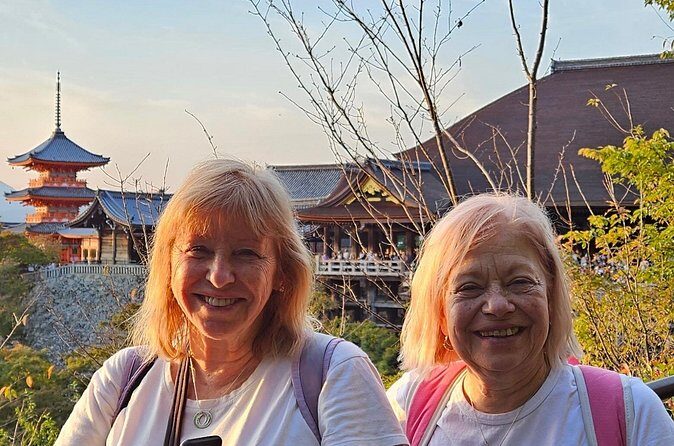
The most consistent praise in past experiences is the guide impact. People didn’t just love the sights—they liked how the guide connected them. That shows up in multiple ways:
- learning about religion and history through the contrast of Shinto and Buddhism
- hearing mythology that made the sites feel less like symbols and more like belief systems
- practical navigation help, which reduces the stress of moving through busy areas
Names that have come up include Andrea from Colombia and guides Joanes y Ricardo, plus Robert. The common thread is that when the guide explains the “why,” you remember more than you would from signage alone. If you get a guide who shares the stories in a way that matches your pace, you’ll probably feel like the tour is worth repeating content-wise, even if the route is the same.
What I’d watch for as a potential downside is consistency. A serious complaint exists about a last-minute cancellation tied to the guide being delayed, with a refund not issued in that account. Another issue described an organization change where the plan shifted and extra costs were requested. I’m not saying that will happen to you. I am saying that if you have a fixed schedule—like you must catch a train at a certain time—have a backup option for either the day’s route or a nearby alternative plan.
A smart strategy: treat the tour as your best organized plan, but keep a low-effort backup in mind. Kyoto is big, and you’ll still find the same streets and temples even if you have to adjust.
Who This Tour Fits Best (And Who Might Want Something Else)
This tour is a good fit if you:
- want Shinto and Buddhism covered in one day
- like guided context more than self-guided wandering
- are okay with a short temple time and a short old-street time
- prefer a simple start-to-finish flow with a clear meeting point and an end near Ninenzaka/Sannenzaka
It may be less ideal if you:
- want long, slow time inside each temple area without a group pace
- hate crowds and need total control over timing
- need a guarantee of organizational consistency on a day that cannot slip
If you’re traveling as a solo person or as a couple, you’ll likely appreciate the structure. If you’re with family members who need frequent breaks, consider whether 3 hours of walking plus lines will feel comfortable.
Practical Tips Before You Go
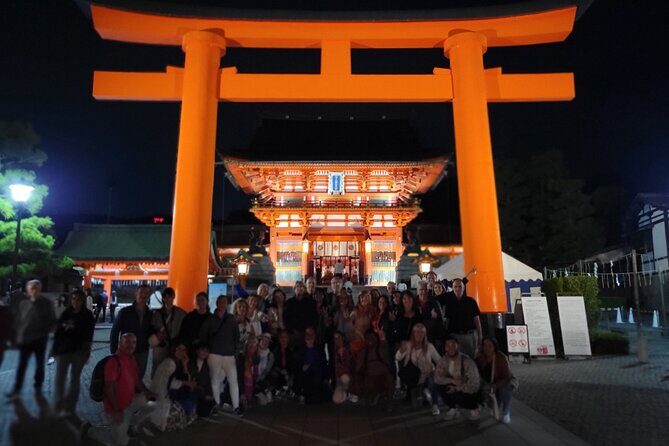
A few things will make your day smoother, even if your guide is excellent.
Wear the right shoes
You’re moving between shrine and temple grounds, plus walking cobblestone streets. If your feet hurt, you’ll stop enjoying the explanations.
Expect weather to matter
The tour notes it requires good weather. In Kyoto, rain can mean slick surfaces and stronger crowds indoors. If conditions aren’t ideal, be ready for itinerary changes or rescheduling.
Bring a small buffer for lines
Even when ticket time is included, entry lines and crowd flow can take time. Don’t plan a strict second activity immediately after the tour ends, unless it’s something flexible.
Know your end point
The tour ends at the shopping street of Ninenzaka and Sannenzaka, where you can shop and grab coffee. That’s convenient, but it also means you’ll want to decide ahead of time whether you’ll linger for souvenirs or jump to your next planned stop.
Should You Book Sacred Treasure: Fushimi Inari and Kiyomizu-dera?
If you want an efficient, guided Kyoto highlights day with temple admissions included, I think this is a solid option. The combination works because it shows Kyoto’s spiritual contrast in a way that a self-guided day often can’t. Fushimi Inari’s torii route plus Kiyomizu-dera’s stage and sacred water give you two memorable “anchor moments,” and the old streets make the ending feel relaxed.
My “yes, but” is about reliability. There are reports of last-minute cancellation issues and at least one case involving unexpected extra costs. If you’re traveling with schedule pressure, I’d choose a plan that doesn’t leave you stranded if the tour needs to change. If you can be flexible, this tour’s structure and focus on religious meaning make it a good use of a half-day.
FAQ
How long is the Sacred Treasure Fushimi Inari and Kiyomizu Dera Tour?
The tour lasts about 3 hours.
What does the tour cost?
It costs $30.00 per person.
What’s included in the price?
Included items are a certified guide, tickets to the temples, and the walking tour experience.
Where do I meet the guide, and where does the tour end?
You start at Kyoto Station (Kyoto Station Higashishiokoji Kamadonocho, Shimogyo Ward). The tour ends at the shopping street of Ninenzaka and Sannenzaka near Kiyomizu-dera.
Is the ticket mobile?
Yes, the tour uses a mobile ticket.
What happens if the weather is bad?
The tour requires good weather. If it’s canceled due to poor weather, you’ll be offered a different date or a full refund.
If you tell me your travel dates and whether you prefer early mornings or later starts, I can help you map this half-day into a smart Kyoto day plan.