REVIEW · FUSHIMI INARI TOURS
Gion and Fushimi Inari Shrine Kyoto Highlights with Government-Licensed Guide
Book on Viator →Operated by Japan Guide Agency · Bookable on Viator
Kyoto in one long, guided walk.
I like how this tour strings together Gion (including Shirakawa and the lanes around Hanamikoji) with Fushimi Inari’s torii trails, so you don’t spend your evening bouncing between places on your own. I also like the way a licensed local guide explains geisha culture in plain terms, including the practical difference between maiko and geiko, and what you’re actually looking at when you spot someone in motion. The main drawback to plan around is that it’s a full walking route for about 6 hours, so if you hate long strolls or have mobility limits, you’ll feel it.
One more reason this works well: it’s sized for conversation (up to 10 people), and that matters when you’re trying to ask questions about etiquette, history, and street-level details without your guide racing ahead. If you’re the type who likes photo stops but also wants context, this route gives you both. Just keep in mind that the temples you visit have their own admission rules—some are free, some are not—so your final cost depends on which entry fees apply to the day’s chosen times.
In This Review
- Key Highlights You’ll Actually Feel on the Street
- Why This Kyoto Loop Works: Gion, Pontocho, and Fushimi Inari Together
- Meeting at Tatsumi-jinja and How the Walking Pace Feels (Max 10 People)
- Fushimi Inari-taisha: Torii Trails Without the I-Guess-This-Wrong Problem
- Gion After Dark: Shirakawa Canal, Hanamikoji Lanes, and Geiko Stories
- The Shirakawa Area: Why the Canal Lines Matter
- Quick Shrine Stops That Add Real Meaning: Yasaka and Tatsumi Daimyojin
- Kiyomizu-dera and Kennin-ji: The Temples You’ll Want to Budget For
- Price and Value: What You Pay For (and Why It Can Be Worth It)
- Guide Quality: Licensed Local English and the Mari-san Effect
- Practical Tips for Getting the Most Out of This Evening Walk
- Who Should Book This Tour (and Who Might Want a Different Plan)
- Should You Book This Tour?
- FAQ
- How long is the tour?
- Where does the tour start and end?
- Is the tour a walking tour?
- How big is the group?
- Is the guide English-speaking and licensed?
- Is Fushimi Inari admission included?
- Are Kiyomizu-dera and Kennin-ji admissions included?
- Do I get a mobile ticket?
- Can I bring a service animal?
- What’s the cancellation rule if I change my plans?
Key Highlights You’ll Actually Feel on the Street
- Geisha-district orientation in Gion so you don’t get lost in the lanes around Shijo, Hanamikoji, and Shirakawa
- Fushimi Inari with a trail-focused mindset, so you understand what you’re seeing beyond the first row of torii
- Small group size (max 10) that makes it easier to hear the guide while walking through tight streets
- A timed set of stops that strings together Gion, Kiyomizu-dera, and Kennin-ji without the usual guesswork
- Guides who can explain maiko vs geiko and what those sightings might mean in real life
Why This Kyoto Loop Works: Gion, Pontocho, and Fushimi Inari Together
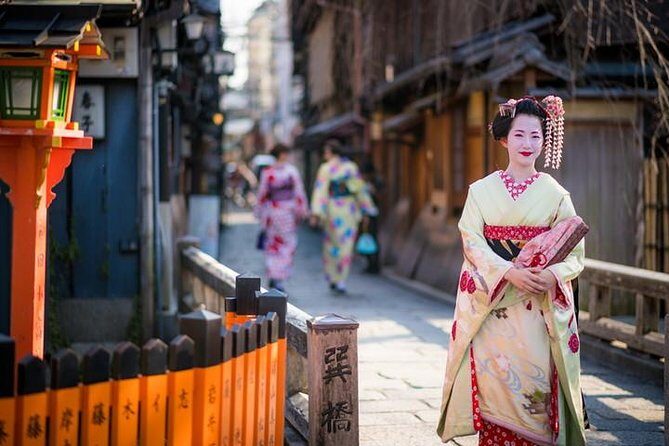
Kyoto can be a little like a giant museum after dark. You arrive, you wander, you take photos, and then you realize you never really understood the layout. This tour tries to fix that by giving you a guided path that connects the famous geisha district areas with Fushimi Inari’s dramatic shrine trails.
What I like is the mix of moods. Gion and Pontocho feel like Kyoto’s social side—streets, teahouses (ochaya), and the Shirakawa canal area where you see why this neighborhood has such a strong identity. Then Fushimi Inari shifts the tone completely: you’re moving through a corridor of vermilion torii that changes how you walk and look at the landscape.
You can also read our reviews of more guided tours in Kyoto


Meeting at Tatsumi-jinja and How the Walking Pace Feels (Max 10 People)

You start and end at Tatsumi-jinja Shrine (Tatsumi Dai-myojin), and pickup/drop-off is on foot. That detail sounds small, but it changes the experience. Instead of standing around at a bus stop, you begin in the neighborhood fabric—Kyoto streets with their rhythms.
The tour is for up to 10 travelers, and that size helps in two ways. First, it’s easier to keep the group together when you’re threading through narrow walkways. Second, it’s easier to hear your licensed guide when the street gets noisy and you want context on what you’re seeing.
Plan for walking comfort. The schedule spreads multiple key areas across about 6 hours, and several sections involve tight lanes where you won’t have room to lag behind. If you wear comfortable shoes, you’ll enjoy the pace more. If you’re hoping to “mostly watch,” you might wish you’d booked something shorter.
Fushimi Inari-taisha: Torii Trails Without the I-Guess-This-Wrong Problem
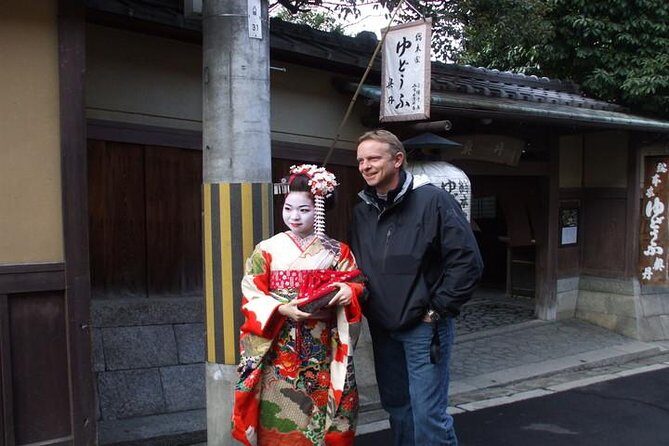
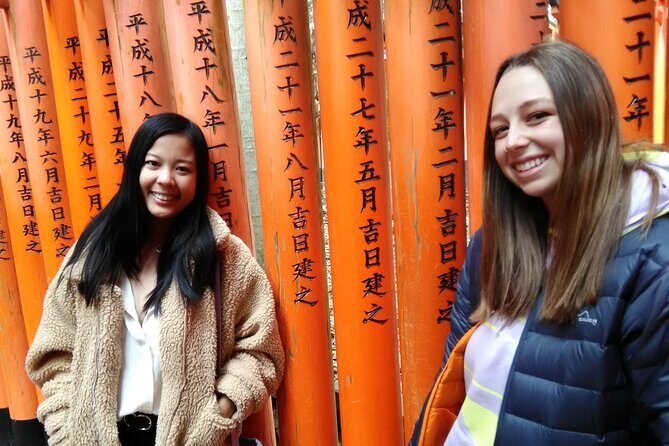
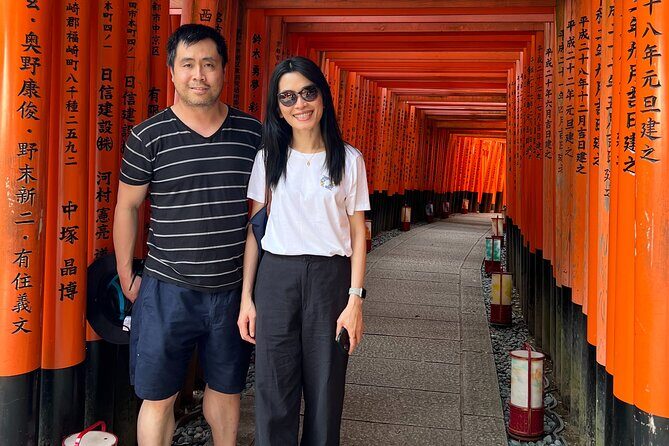
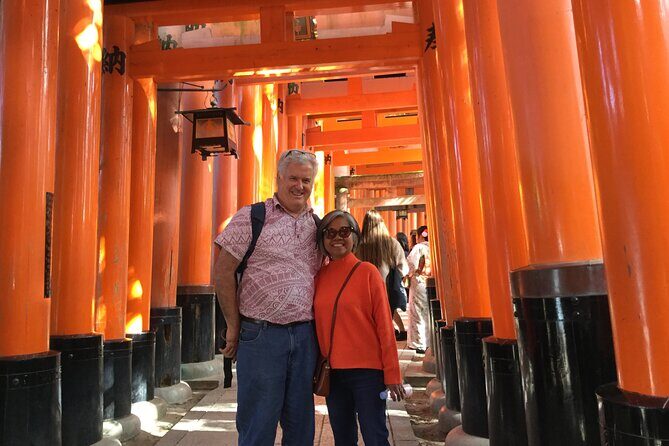
Fushimi Inari is famous for a reason. Even before you fully understand Shinto shrine customs, you feel it: the sheer number of torii gates and the way they structure your movement into the hills behind the main area.
In a solo visit, people often do the first stretch, then turn around because they’re unsure how far to go. On this guided walk, the value is orientation. You’re not just seeing the famous gates—you’re learning how the shrine and its trail system connect to why the place matters. That turns a photo stop into a real visit.
You also get a practical win: the tour builds time for this as a dedicated highlight (about an hour) with free admission noted for the shrine itself. That means you can focus on the experience rather than constantly checking costs.
Gion After Dark: Shirakawa Canal, Hanamikoji Lanes, and Geiko Stories
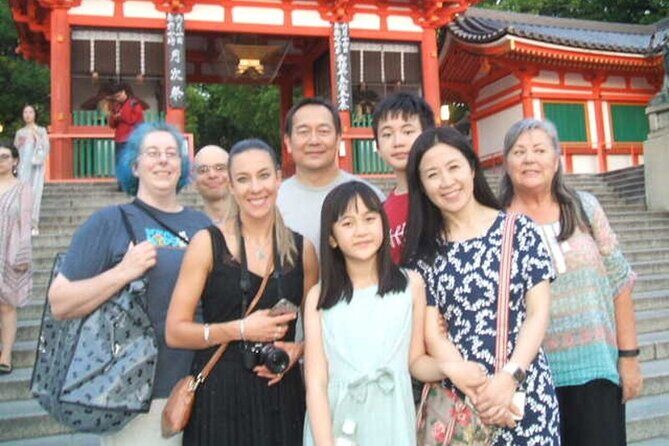
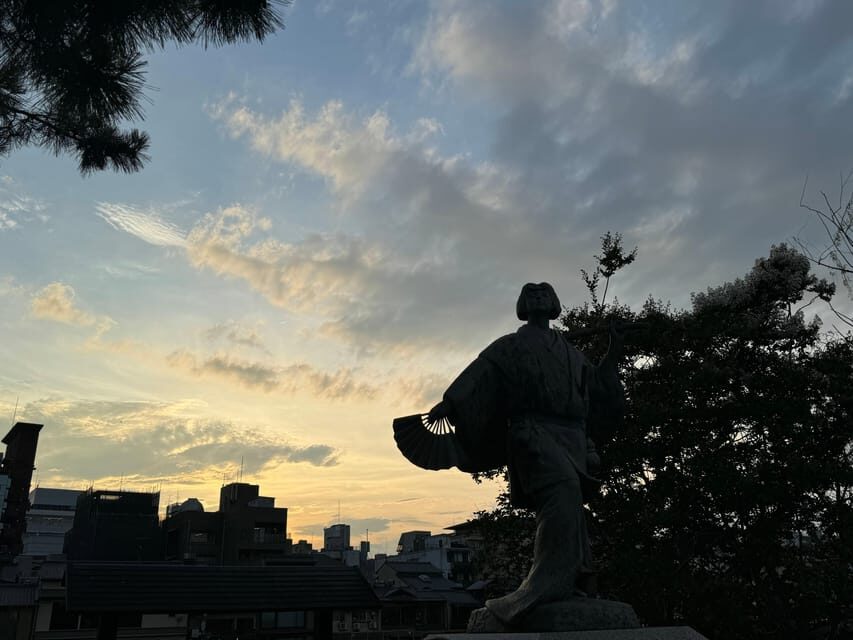
Gion is the headline neighborhood, and this tour is designed to help you read it. You’re guided through the area around Shijo Avenue—between the Yasaka Shrine side and the Kamo River side—plus the scenic Shirakawa area along the canal. Those lanes can be confusing at first, especially if you’re trying to find the places you saw in photos.
What’s especially useful is the guide’s explanation of geisha culture in context. This isn’t just “tour trivia.” You learn how the district works, what the difference between maiko and geiko means, and what to notice when you’re lucky enough to catch someone on the move. One guide name came up in feedback: Mari-san. People liked her explanations and felt the tour helped them understand what they were seeing instead of treating it like a show.
One more real-world note: sightings aren’t guaranteed. On one night, your group might spot maiko or geiko, and on another night you might only get the atmosphere and the stories. Either way, I’d still book this for the orientation. Gion is one of those places where having a plan is half the enjoyment.
The Shirakawa Area: Why the Canal Lines Matter
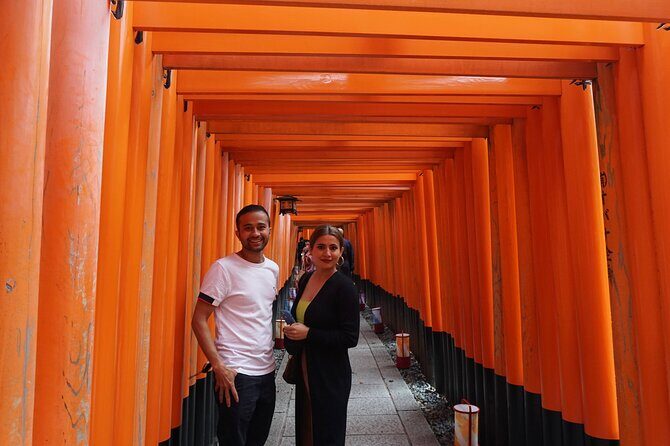
Shirakawa isn’t just pretty scenery. The canal-side streets and high-class ochaya-lined atmosphere explain why this area became associated with geisha life. The walking approach here matters because you’re moving parallel to the canal, so you can absorb the street scale and the way the neighborhood was built to support its social world.
If you like photography, this part is strong. You’re working with long lines, soft lighting, and the feeling of stepping into a Kyoto scene that’s hard to recreate from a single street corner. Just remember: these are real streets with real businesses, so keep your pace respectful and don’t block entrances while you frame a shot.






Quick Shrine Stops That Add Real Meaning: Yasaka and Tatsumi Daimyojin

Not every stop is “grand and ticketed.” Some are quick—but they’re there for a reason.
At Yasaka Shrine (also known as Gion Shrine), you get a fast but useful introduction to a shrine that sits right between major Gion access points. The guide context helps you understand why people gather here and how it connects to the surrounding neighborhood identity.
Then you visit Tatsumi Daimyojin Shrine, which has a small, inner torii feel and sits near the kind of lanes associated with ochaya and geisha activity. These shorter shrine moments work best when you treat them as orientation stops—places that give meaning to the streets you’ll walk next.
If you hate quick stops, this part could feel a bit “blink and miss.” But if you enjoy understanding how religious spaces and everyday city life overlap, it’s exactly the right tempo.
Kiyomizu-dera and Kennin-ji: The Temples You’ll Want to Budget For
Kiyomizu-dera is one of Kyoto’s most recognizable temples, and this tour gives it about an hour. Admission isn’t included, so you’ll want to plan for that cost. The benefit of having it on the route is simple: you’re not trying to stitch together directions across neighborhoods while you’re also trying to time Gion at night.
Kennin-ji follows with a very short visit noted as about a minute. That sounds almost too brief, but it can still be worthwhile if what you want is a guided entrance into how this area fits next to the busy city streets. Kennin-ji is known for its grounds and dry landscape gardens (karesansui), and even a quick walk-through from a guide can help you know what to pay attention to rather than just scanning for the big landmark photo.
Because the tour runs about 6 hours total, the best mindset is to treat these temple stops as focused introductions. If you love temples and want slow time for details, you’ll likely come back later anyway—and that’s true for most people in Kyoto.
Price and Value: What You Pay For (and Why It Can Be Worth It)
The price is about $154.37 per person for a 6-hour guided experience, with group discounts and a mobile ticket included. On paper, it’s not the cheapest way to see Kyoto. The value comes from what you’re buying:
- A licensed local English-speaking guide to interpret what you’re looking at
- A tight walking route that hits multiple major areas in one evening
- Reduced navigation stress in places where streets can be confusing
- Time-saving planning for first-time visitors who don’t want to build an itinerary from scratch
Now the part to budget: Kiyomizu-dera and Kennin-ji admission aren’t included, while Fushimi Inari is free as listed. So your total cost depends on your temple entry choices on the day.
If you’re traveling with friends and you want coordination without hiring separate transportation, a small group also helps keep things moving.
Guide Quality: Licensed Local English and the Mari-san Effect
This is a government-licensed, local English-speaking guide experience, and that matters. In Kyoto, the difference between seeing a place and understanding it can be one sentence from a good guide explaining why it’s there and what the symbols mean.
Feedback highlights guide clarity and usefulness. People specifically mentioned learning the difference between maiko and geiko, and they enjoyed being able to ask questions without feeling rushed. Mari-san was singled out by name for being informative and helpful, and for making the tour enjoyable even when sightings were unexpected.
One caution I’ll mention because it affects your peace of mind: there was a low-rating experience where a guest felt the guide was late and suggested something like a coffee stop, which wasn’t part of the intended route. That’s not something you can fully predict, but it does reinforce an important habit: if you’re the type who needs everything tight on timing, ask questions early and keep your expectations grounded in the walking-tour structure.
Practical Tips for Getting the Most Out of This Evening Walk
A guided loop like this works best when you’re prepared for Kyoto walking, crowd patterns, and nighttime light.
Wear comfortable shoes, period. Kyoto’s charm comes from foot traffic, and the streets in and around Gion aren’t designed for leisurely slowness. Bring water, especially if you’re traveling in warmer months. And if you care about photos, decide before you go: do you want quick shots while walking, or do you want pauses for compositions? Your guide may adjust the flow based on street conditions and group pace.
Also, if you’re hoping to see maiko or geiko, be ready to feel a little excited and a little patient at the same time. The tour can increase your chances by putting you in the right lanes and teaching you what to look for, but it can’t control who walks out of a doorway.
Who Should Book This Tour (and Who Might Want a Different Plan)
I think this tour is a strong match if you’re:
- A first-time Kyoto visitor who wants orientation fast
- Interested in geisha district culture and street-level context
- Comfortable walking for about 6 hours
- Traveling with friends and want a small-group experience up to 10 people
It might not be ideal if you:
- Want a “see one or two places deeply” day
- Hate walking on uneven sidewalks and through narrow streets
- Are very sensitive to admission costs since some temple entries aren’t included
Also, if you’re traveling with kids or anyone who struggles with long pacing, you might want something shorter or less stop-and-go.
Should You Book This Tour?
Yes, if your goal is to understand Kyoto quickly and enjoy a well-timed evening route. The biggest selling points are practical: a licensed guide who explains geisha culture in usable terms, a small group that keeps things listenable, and a route that connects Gion’s lanes with the torii-lined drama of Fushimi Inari plus major temple areas.
No, if you want a relaxed day with lots of free time to wander without structure. This is a guided walking circuit, not a slow drop-in tour.
My advice: book it if you want the street-level story. In Kyoto, that kind of understanding pays off immediately—especially in neighborhoods like Gion, where getting oriented makes the whole place feel different.
FAQ
How long is the tour?
The tour lasts about 6 hours.
Where does the tour start and end?
It starts at Tatsumi-jinja Shrine (Tatsumi Dai-myojin) in Kyoto and ends back at the same meeting point.
Is the tour a walking tour?
Yes. It’s a walking tour, and pickup/drop-off is on foot.
How big is the group?
The maximum group size is 10 travelers.
Is the guide English-speaking and licensed?
Yes. The tour includes a government-licensed local English-speaking guide.
Is Fushimi Inari admission included?
Fushimi Inari-taisha is listed as free, and admission is noted as free for that stop.
Are Kiyomizu-dera and Kennin-ji admissions included?
No. Admission for Kiyomizu-dera and Kennin-ji is not included.
Do I get a mobile ticket?
Mobile ticket is listed as a feature of the experience.
Can I bring a service animal?
Yes, service animals are allowed.
What’s the cancellation rule if I change my plans?
Free cancellation is available up to 24 hours in advance for a full refund. Canceling within 24 hours may not be refunded.