REVIEW · NIJO CASTLE TOURS
Nijo Castle Samurai Inside Story — Top-Rated Guide (Max 8)
Book on Viator →Operated by TripTomo · Bookable on Viator
Secret samurai stories make Nijo Castle feel alive, especially with a guide who shares inside tales and handles included admission for you. I like that it’s built to keep you oriented, so you spend less time figuring out where to go and more time understanding what you’re seeing.
I really value the small group size (up to 8), because it makes the tour feel personal. You can ask questions and get clearer answers as the guide explains samurai life, including unspoken rules and hidden systems.
One possible drawback: this tour isn’t recommended for small children. If your group includes very young kids, you may want to choose a shorter, more flexible activity.
In This Review
- Key highlights you’ll actually feel during the tour
- Why Nijo Castle feels different with a guide
- Meeting at Nijō Castle’s West-side gate: easy start, low stress
- The 3-hour walkthrough: how the tour keeps moving
- Samurai stories that go beyond costumes and swords
- The shogun–emperor context that sharpens your whole Kyoto day
- Small-group attention plus green tea: the break that keeps you fresh
- Price and value: what $98 really buys you
- Logistics that matter: mobile ticket and getting oriented
- Who should book this (and who might skip it)
- Should you book Nijo Castle Samurai Inside Story?
- FAQ
- What is the duration of the tour?
- How much does the tour cost?
- Is admission to Nijo Castle included?
- Where do I meet the guide?
- Is the ticket mobile?
- What’s included in the tour besides the guide?
- What group size should I expect?
- What if the weather is poor?
Key highlights you’ll actually feel during the tour
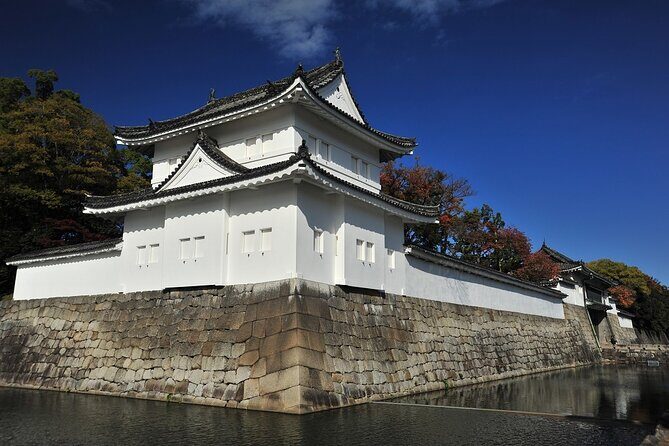
- Meet at the main gate on the West side: the tour starts at the large white gate at Nijō Castle, so you get your bearings fast
- Admission is included: no hunting for tickets once you arrive
- Max 8 people: more time with your guide, fewer distractions, better focus
- Coffee and green tea break: a mid-tour pause to recharge during the walk
- Samurai context you can use elsewhere in Kyoto: the shogun/emperor story helps the larger Edo-era picture click
Why Nijo Castle feels different with a guide
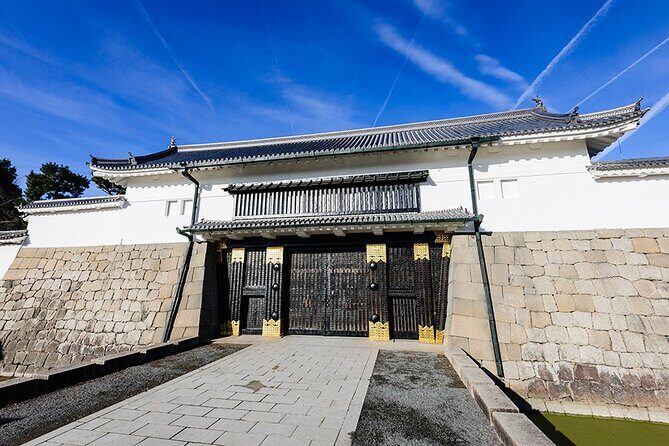
Nijo Castle is one of those Kyoto sights where you can wander, take photos, and still feel like you missed the point. The big win here is that your guide turns the castle grounds into a story about how samurai life worked—what roles mattered, what people expected from each other, and how power played out in daily order.
Instead of treating the visit like a checklist, the guide focuses on the parts many people overlook: secret roles of samurai, the unspoken rules people were expected to follow, and the hidden systems that shaped behavior inside the setting. That kind of framing changes how you notice details. Even without getting technical, you start seeing the castle as a place built to manage people, not just impress visitors.
I also appreciate the “you won’t get lost” design. The meeting point is specific, and the tour is structured so you’re not drifting around with confusion on your face. This matters in Kyoto, where landmarks are close together but not always intuitive when you’re tired or jet-lagged.
You can also read our reviews of more guided tours in Kyoto


Meeting at Nijō Castle’s West-side gate: easy start, low stress
You’ll meet at Nijō Castle, 541 Nijōjōchō, Nakagyo Ward, Kyoto. The key detail is where: in front of the main gate, described as the large white gate on the West side of the castle.
That sounds small, but it’s the difference between a smooth start and a stressed scramble. When a guide tells you exactly where to go, you can arrive, check in, and settle into the tour instead of spending your first minutes hunting for the right entrance.
You’ll also get a mobile ticket. That helps if you don’t want to deal with paper tickets or if you’re trying to keep your day organized between other Kyoto stops.
The 3-hour walkthrough: how the tour keeps moving
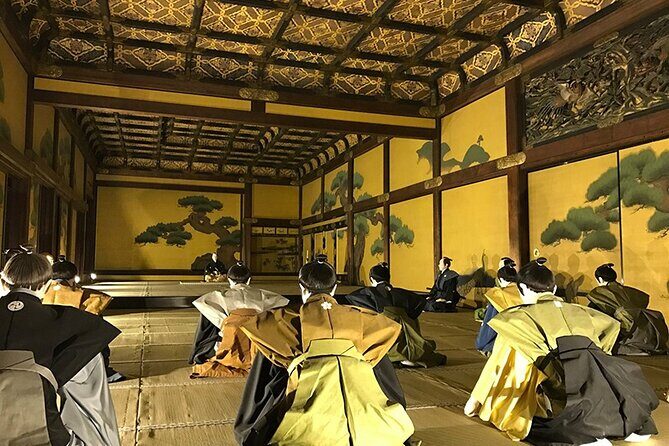
The experience runs about 3 hours. It’s long enough to learn what you’re looking at, but not so long that you feel trapped in one place. The pacing is built around walking the grounds with your guide leading the story.
Because the group stays small (up to 8), the tour doesn’t turn into a loud, fast-moving parade. You can ask follow-up questions when something clicks—or when it doesn’t. That flexibility is useful with Nijo, where the historical context can make you want to connect one area to another.
Here’s what you should expect from the guide’s approach during the walk:
- A guided route through the castle that highlights the samurai side of the story
- Explanations of how samurai culture shaped rules and daily life
- Clear context for the castle’s place in Japanese culture, not just dates and names
The tour includes a break in the middle, so you’re not forced to power through the full visit with no reset.
Samurai stories that go beyond costumes and swords
Plenty of tours talk about samurai in a broad, movie-trailer way. This one is different because it focuses on how samurai life actually worked—especially the social mechanics that kept everything in place.
The tour’s big theme is that samurai history isn’t just about fighting. It’s also about order: who holds what power, what people are expected to do, and how control is maintained without constant conflict. Your guide brings out themes like:
- Secret roles: not everyone had the same function, even if you might assume everyone followed the same script
- Unspoken rules: behavior mattered, and people learned what was acceptable by watching and understanding the system
- Hidden systems: there’s structure behind the scenes, and once you know what to look for, the castle stops feeling like empty space
I like how that kind of interpretation turns your visit into something you can discuss later. If you want your Kyoto day to feel coherent, this helps. You stop seeing the castle as isolated and start seeing it as part of a bigger framework of Edo-era power and governance.
The shogun–emperor context that sharpens your whole Kyoto day
One of the most useful things about this tour is that it doesn’t treat history as a sealed-off chapter. The guide connects the castle to broader Japanese context—especially the relationship between the shogun, the emperor, and the Edo period.
That matters because Kyoto isn’t just one museum. If you’re planning to visit multiple major historical sites in the same day, this kind of framing helps them stop blending together. Even when the sites feel different on the surface, the power story stays consistent.
Also, the guide’s style is part of the value. Multiple reviews highlight an approach that’s clear, energetic, and easy to follow, with answers that go beyond the basics. That kind of guidance is especially helpful if you’re the type who asks why things were designed a certain way—or how different groups were supposed to interact.






Small-group attention plus green tea: the break that keeps you fresh
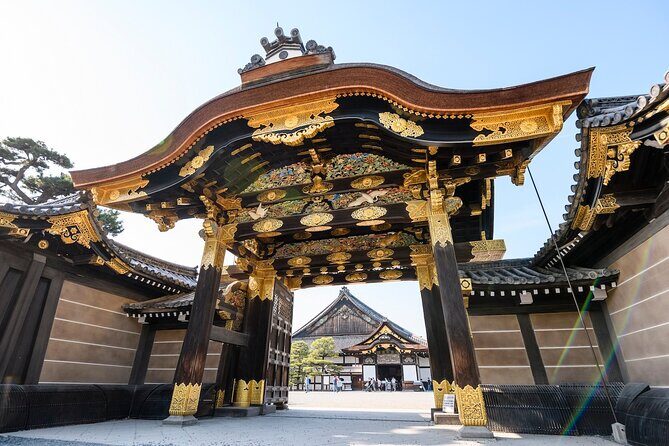
You get coffee and/or tea, and the tour description specifically notes refreshing green tea during the break time in the middle of the tour. It’s not a huge stop, but it’s timed well—exactly when you’d start thinking about water, snacks, or your feet.
This is another place where small-group design pays off. With up to 8 people, the break doesn’t feel chaotic. You can use it to reset and keep listening, instead of losing the story to logistics.
If you’re the kind of person who gets distracted when you’re tired, this is worth it. You’ll hear more, notice more, and finish the tour feeling like you gained something—not like you survived it.
Price and value: what $98 really buys you
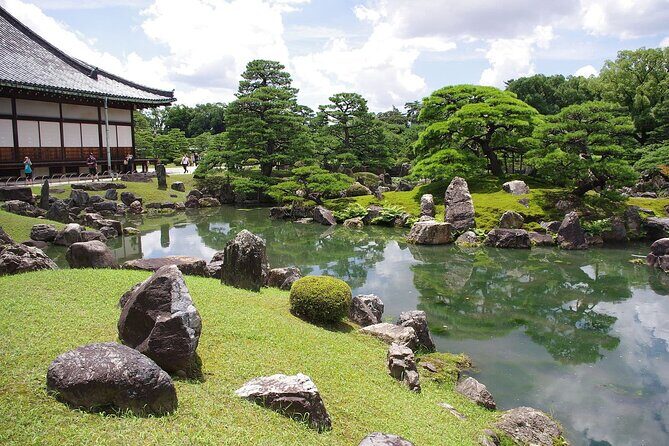
At $98 per person, this isn’t a budget “walk-and-photo” activity. But you’re not paying just for a ticket and a generic explanation either.
Here’s the value math that makes sense based on what’s included:
- Nijo Castle admission is included (full course)
- A guide leads the visit for about 3 hours
- Coffee/tea (including green tea) is included
- The group is capped at 8, which usually means more direct interaction than big group tours
If you’re already planning to visit Nijo Castle anyway, a guided experience becomes easier to justify. You’re paying to convert the visit from background sightseeing into a guided narrative you can actually remember.
If you’re on a tight schedule and want to see everything quickly, you might question paying $98 for a single stop. But if you care about context and you want your time in Kyoto to feel meaningful, this is a fair price for a focused experience.
Logistics that matter: mobile ticket and getting oriented
A few practical details help this tour run smoothly:
- You use a mobile ticket, which keeps your day simple
- You meet at a clearly defined spot: the large white main gate on the West side
- The end point brings you back to the meeting area, so you’re not left stranded far from where you started
Also, the tour is near public transportation, which is a big deal if you’re moving through Kyoto by bus or train. You won’t need private transportation for this one.
Who should book this (and who might skip it)
This tour is a strong match if you:
- Want a guided explanation of samurai history tied to what you see at Nijo Castle
- Like small group tours where you can ask questions
- Plan to spend time in Kyoto learning about the wider Edo-era story and how power worked
It’s not the best fit if:
- You’re traveling with small children, since it’s specifically not recommended
- You prefer completely free, self-paced wandering with no structure
If you’re torn between a solo visit and a guided visit, think about your goal for the day. If your goal is understanding, this guide-led approach gives you the most payoff per hour.
Should you book Nijo Castle Samurai Inside Story?
Yes—if you care about context and you want Nijo Castle to make sense beyond the walls.
Book it if you want samurai stories with practical framing: secret roles, unspoken rules, and the systems that shaped daily life. The combination of included admission, small group size, and a tea break makes it feel efficient, not fussy. And the shogun/emperor/Edo-era context gives your other Kyoto history stops a better connection.
Skip it only if your priority is speed, or if your group includes small kids who may struggle with a structured 3-hour walk. If that’s your situation, you’ll likely get more comfort and flexibility from a different format.
FAQ
What is the duration of the tour?
The tour is about 3 hours.
How much does the tour cost?
It costs $98.00 per person.
Is admission to Nijo Castle included?
Yes. Admission for Nijo Castle is included (full course).
Where do I meet the guide?
Meet in front of the main gate, described as the large white gate on the West side of Nijō Castle.
Is the ticket mobile?
Yes, the tour uses a mobile ticket.
What’s included in the tour besides the guide?
Coffee and/or tea are included, and the tour notes a green tea break during the middle of the tour.
What group size should I expect?
The tour has a maximum of 8 travelers.
What if the weather is poor?
This experience requires good weather. If it’s canceled due to poor weather, you’ll be offered a different date or a full refund.