REVIEW · FULL-DAY
Kyoto & Uji: Full Day Sightseeing Tour from Osaka or Kyoto
Book on Viator →Operated by F Trip · Bookable on Viator
Kyoto and Uji in one smooth day. You’ll get Kinkaku-ji Golden Pavilion sparkle and Kiyomizu-dera drama without the stress of coordinating buses and tickets. I also like the pacing: you’re given real time to walk the lanes, not just pose and move on. One thing to plan around is that this is a full 9-hour outing, so if you’re sensitive to long sitting in a vehicle, it can feel like a lot.
The route smartly strings together Kyoto’s most photo-famous sights with Uji’s calmer, tea-focused atmosphere. You start with the big UNESCO hits, then shift to old-town streets, and finish with Byodo-in and the shopping strip in Omotesando.
This is a good fit if you want structure. It’s not the right choice if you want to freely wander far off the beaten path for hours with no schedule.
In This Review
- Key things to know before you go
- A One-Day Route Through Kyoto and Uji: What You Actually Get
- Getting Around in Comfort: The 9-Hour Flow From Osaka or Kyoto
- Kinkaku-ji Golden Pavilion to Kiyomizu-dera: Two UNESCO Stops Without the Planning Headache
- Kinkaku-ji (Golden Pavilion)
- Kiyomizu-dera
- Sannenzaka and Ninenzaka Lanes Plus Yasaka Koshin-do Monkeys
- Sannenzaka and Ninenzaka
- Yasaka Koshin-do (Koshindo)
- Uji River and Uji Shrine: The Calm Side of Kyoto
- Uji River
- Uji Shrine with Rabbit Motifs
- Byodo-in Temple and Omotesando: Phoenix Hall Views and Green Tea Time
- Byōdo-in Temple (Phoenix Hall area)
- Byodo-in Omotesando (tea shopping street)
- Price, Tickets, and Timing: Is This Good Value?
- Who This Tour Suits (and Who Should Skip It)
- Final Call: Should You Book This Tour?
- FAQ
- How long is the Kyoto & Uji full-day tour?
- What is included in the tour price?
- Are temple admission tickets included?
- Is lunch included?
- Is the tour ticket mobile?
- How many stops are on the itinerary?
- Is this tour limited in group size?
- Where is the tour located and how do you get there?
- What is the cancellation policy?
Key things to know before you go
- Eight major stops in a logical order: Kyoto icons first, then Uji, so you’re not crisscrossing the map all day.
- Tickets are partly on you: Kinkaku-ji, Kiyomizu-dera, and Byodo-in require admission tickets (1600 yen total).
- A guide does the heavy lifting: You’ll travel with a professional guide plus an air-conditioned vehicle.
- Time for walking, not just sightseeing: You get a solid block at places like Sannenzaka and Ninenzaka.
- Small-enough group feel: Maximum of 45 people, so it’s not a school-assembly mega-tour.
A One-Day Route Through Kyoto and Uji: What You Actually Get
This tour is built for people who want big-name Kyoto and the calmer Uji vibe in a single day. The day is about 9 hours, and the itinerary hits eight of the most famous scenic stops in a sequence that keeps travel time reasonable. You’re not expected to run. You are expected to walk—especially on the old streets near Kiyomizu-dera.
You’ll start with two UNESCO World Heritage heavyweights and then move into classic “Kyoto street” mode with Sannenzaka and Ninenzaka. After that, the scenery shifts again: smaller stops, short walks, and a look at Uji’s river and shrine culture before finishing at Byodo-in and its tea-shopping area.
If you like your travel days with a clear plan (and you don’t want to spend your vacation time figuring out routes), this setup is a strong match.
You can also read our reviews of more tours and experiences in Kyoto
Getting Around in Comfort: The 9-Hour Flow From Osaka or Kyoto
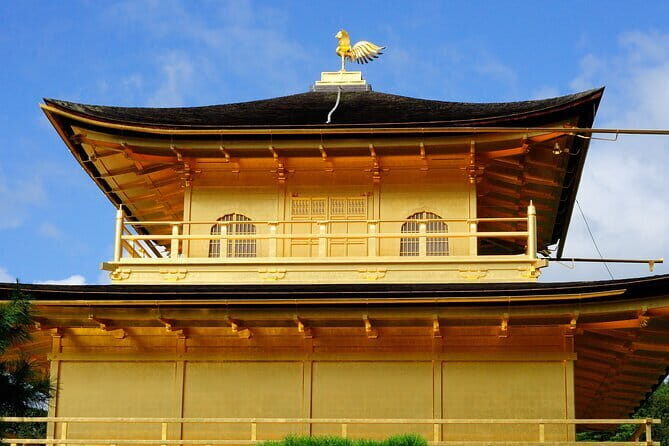
The tour runs with an air-conditioned vehicle and a guide, which matters in Kyoto because you’re often bouncing between neighborhoods. The bus aspect is especially useful if you’re visiting during hot or rainy stretches—one review noted heavy rain in the afternoon and the trip still worked out well.
A few practical points that affect how the day feels:
- You’ll be on the move for most of the day, even though each stop has a set time.
- You’ll want comfortable shoes. Kyoto’s “short walks” can still add up.
- Lunch isn’t included, so you should decide what you’ll do for food in advance (carry a snack, or plan a quick meal near one of the stop areas).
The tour also uses a mobile ticket, which makes it easier on the day-of. And it’s capped at 45 people, so you shouldn’t feel like you’re trapped in a crowd the whole time.
Kinkaku-ji Golden Pavilion to Kiyomizu-dera: Two UNESCO Stops Without the Planning Headache
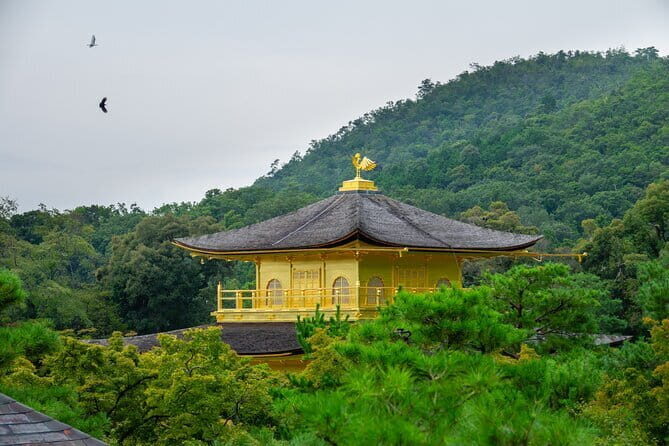
Two of the day’s biggest moments are Kinkaku-ji and Kiyomizu-dera, and they’re both UNESCO World Heritage sites. The tour gives you 40 minutes at Kinkaku-ji and about 1 hour at Kiyomizu-dera.
Kinkaku-ji (Golden Pavilion)
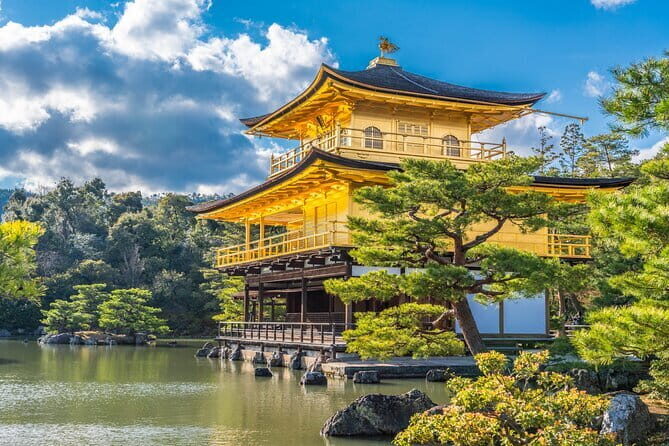
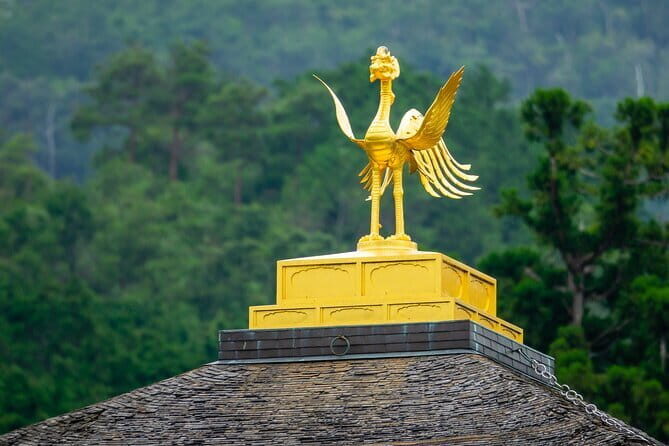
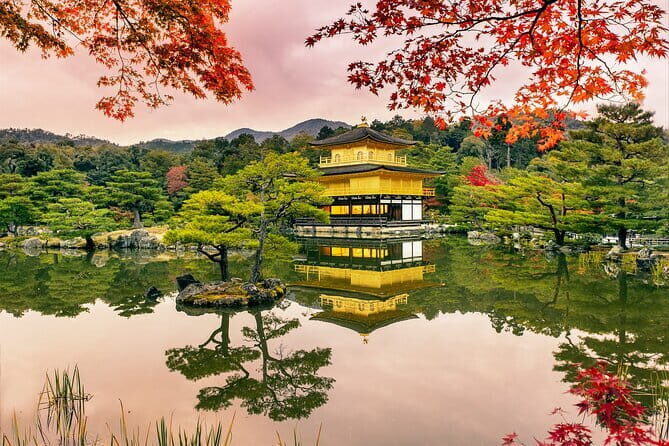
Kinkaku-ji is famous for its dazzling gold exterior and the calm gardens that surround it. In practice, that means you’ll get the classic views from key angles without standing around waiting for a bus plan. The time is short enough that you’ll want to move with purpose—see the main pavilion view points, then enjoy the garden atmosphere before heading out.
Admission isn’t included here, so budget for the ticket expense.
Kiyomizu-dera
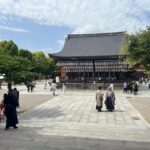
Kiyomizu-dera is one of the most celebrated temples in Japan and part of the Historic Monuments of Ancient Kyoto UNESCO site. The tour’s 1-hour window is often enough to take in the main temple area and soak up the old-temple feel at a relaxed pace. The founding date is listed as 780, which helps you remember you’re standing on a place that’s been meaningful for a long time.
Again, admission is not included, so you’ll pay the ticket as part of the overall ticket add-on (1600 yen total across the three paid attractions).
A nice benefit of touring this way: you’re not splitting your day between “find the ticket office” and “wait for the group.” The guide’s role is to keep things moving.


Sannenzaka and Ninenzaka Lanes Plus Yasaka Koshin-do Monkeys
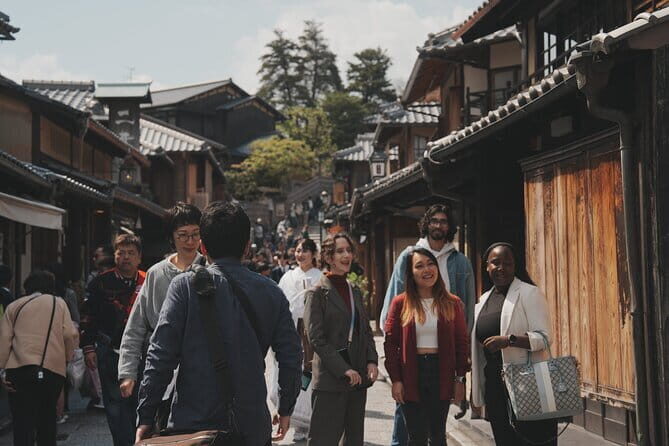
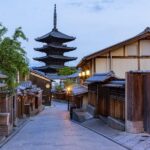
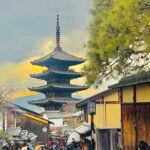
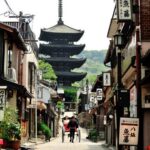
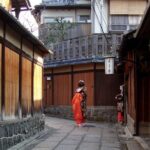
After Kiyomizu-dera, the tour leans into Kyoto’s atmosphere. The Sannenzaka and Ninenzaka area gets about 1 hour, and it’s one of the most rewarding parts of the itinerary if you like walking streets lined with old-style buildings.
Sannenzaka and Ninenzaka
These are sloped streets where shops and preserved architecture create a strong sense of place. It’s the kind of area where you can slow down, look at crafts, and take photos that feel more like “Kyoto street life” than museum signage.
Because it’s a longer walk block (about an hour), I recommend using that time for your wandering, not for gulping down snacks. Save the snack breaks for when you spot something you actually want, not just because you’re hungry.
Yasaka Koshin-do (Koshindo)
Next is Yasaka Koshin-do for about 30 minutes. It’s known for the colorful “monkeys” decorating the temple. This stop is short, but it’s visually fun and a nice palate cleanser after the bigger temple experience.
Admission is free at both Sannenzaka/Ninenzaka area and Yasaka Koshin-do, so you can spend your money on things you choose rather than fees you didn’t expect.
Uji River and Uji Shrine: The Calm Side of Kyoto
Uji is where the day starts to feel less like a checklist and more like a place with its own rhythm. You’ll get 20 minutes at the Uji River and 20 minutes at Uji Shrine, both free.
Uji River
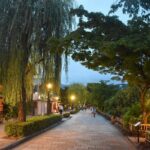
The tour description notes that the Uji River is the only river that originates from Lake Biwa. That’s a detail that helps you appreciate why this area has long been important as a waterway. In other words, it’s not just scenery—this river system played a practical role in connecting regions.
With only about 20 minutes, your goal here should be a quick reset: walk, look, take a few photos, and then move on. Don’t expect a long riverside linger unless you plan extra time separately.
Uji Shrine with Rabbit Motifs
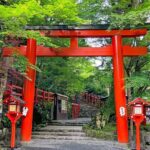
At Uji Shrine, the theme is rabbits. The white, red-eyed bunny image shows up on lanterns and ema (votive tablets). It’s a small, specific cultural detail that makes the shrine feel memorable compared to generic “big gate, big hall” stops.
This is also a nice moment to pause before Byodo-in, because the day is starting to stack up mentally.
Byodo-in Temple and Omotesando: Phoenix Hall Views and Green Tea Time
The last major portion of the tour hits Byodo-in and then ends with Byodo-in Omotesando. You’ll spend about 30 minutes at Byōdo-in Temple and about 30 minutes on Byodo-in Omotesando.
Byōdo-in Temple (Phoenix Hall area)
Byodo-in is one of Japan’s best-preserved national treasures and a UNESCO World Heritage site. The Phoenix Hall is the iconic structure, and the description calls out the wing-like corridors. Even with a limited visit window, this is one of those places where the key view hits quickly.
Admission isn’t included here, so this is one more fee to factor into your day budget (again, rolled into the 1600 yen total add-on).
Byodo-in Omotesando (tea shopping street)
Omotesando is where Uji’s green tea identity becomes obvious. The street is lined with shops selling tea and tea-related products. This is a practical end to the tour because you can pick up something to take home right after you’ve seen the cultural anchor (Byodo-in).
If you’re the type who likes to leave Kyoto with an edible souvenir, this is the time. Just keep an eye on your bag weight, especially if you’re carrying luggage during the day.
Price, Tickets, and Timing: Is This Good Value?
The headline price is $57.90 per person for a tour that runs around 9 hours. That’s not just “a bus ride with one stop.” You’re paying for guided timing, transport, and the structure that takes you across multiple neighborhoods.
The part to understand clearly: tickets are not included for Kinkaku-ji, Kiyomizu-dera, and Byodo-in Temple, and the total listed ticket cost is 1600 yen. So your all-in cost is your tour price plus that admission amount.
Lunch isn’t included either, so budget for food separately. If you’re comparing this to doing Kyoto + Uji on your own, the real value is time saved. Kyoto is easy to get wrong: wrong bus, wrong stop, wrong line at the wrong hour. This tour removes a lot of that friction.
Is it the cheapest way? Not necessarily. But if you hate logistics on a first visit, this tends to be a smart trade: money now for a smoother day.
Who This Tour Suits (and Who Should Skip It)
I’d book this if:
- You’re short on time and want major Kyoto plus Uji in one day.
- You prefer a guide-led schedule that keeps you from wasting hours planning.
- You enjoy walking old streets and temple grounds and don’t need every minute to be “your own choice.”
I’d think twice if:
- You plan to skip ticketed sites and only want free wandering. Three of the highlights are ticketed.
- You’re traveling with a strict need for long, unhurried breaks at each place. Some stops are only 20–40 minutes.
- You’re extremely sensitive to long vehicle time. The tour is around 9 hours, and the day includes transit.
One more small practical note: the tour asks you to indicate if you’re traveling with a stroller or large luggage. That matters because it can affect how you’re positioned on the vehicle and during boarding.
Final Call: Should You Book This Tour?
Yes—if your goal is a first-pass Kyoto and Uji best-of day with minimal logistics drama. The combination of Kinkaku-ji, Kiyomizu-dera, Sannenzaka/Ninenzaka, and Byodo-in gives you the famous hits plus the calmer tea culture of Uji. Add in the air-conditioned vehicle and a guide who keeps timing on track, and you’ve got a strong value proposition for a tight schedule.
Book it especially if you want to see a lot while still being able to walk and explore each area on your own time within the stop window.
If you’d rather build your own day around fewer sights and longer pauses, then you might get more satisfaction by planning independently.
FAQ
How long is the Kyoto & Uji full-day tour?
It runs for about 9 hours.
What is included in the tour price?
You get transportation in an air-conditioned vehicle and a guide.
Are temple admission tickets included?
No. Tickets are not included for Kinkaku-ji, Kiyomizu-dera, and Byodo-in Temple, and the listed total is 1600 yen.
Is lunch included?
No, lunch is not included.
Is the tour ticket mobile?
Yes, it uses a mobile ticket.
How many stops are on the itinerary?
There are eight stops: Kinkaku-ji, Kiyomizu-dera, Sannenzaka & Ninenzaka, Yasaka Koshin-do, Uji River, Uji Shrine, Byōdo-in Temple, and Byodo-in Omotesando.
Is this tour limited in group size?
Yes. The maximum group size is 45 travelers.
Where is the tour located and how do you get there?
The tour is in Kyoto, and it’s described as operating from Osaka or Kyoto. It also notes it’s near public transportation.
What is the cancellation policy?
You can cancel for free up to 24 hours in advance for a full refund.