REVIEW · FUSHIMI INARI TOURS
Kyoto: Kiyomizu-dera, Fushimi Inari & Gion Geisha District
Book on GetYourGuide →Operated by Kyoto Guide · Bookable on GetYourGuide
Torii gates and temples in one half-day. This Kyoto combo tour ties together Fushimi Inari Taisha, Kiyomizu-dera, and the streets of Gion with clear explanations that make the sights easier to read. You’ll also get that Kyoto feel of old alleys and temple hills without needing a full-day schedule.
What I like most is the way the guide connects what you see to what it means. I also appreciate the iPad image explanations and the no-stress photo help, which makes the stops land faster and look better on your camera roll.
One consideration: this is still a walking tour with public transit and some stairs. If you have back issues, mobility limits, visual impairments, or low fitness, it may not be the right match—and Kiyomizu-dera has an extra entrance fee.
In This Review
- Key things to know before you go
- Meeting at 7-Eleven JR Kyoto Station: how the tour starts
- Fushimi Inari Taisha and the torii trail that actually means something
- Kiyomizudera: power spots for love, longevity, and study
- Ninen-zaka and Sannenzaka: where Kyoto looks the way it’s remembered
- Gion and geisha culture: what you’ll learn before you look
- Logistics that affect your day: cost, transit, and pace
- What to bring and how to get great photos without slowing everyone down
- Who this tour suits best (and who should choose something else)
- Should you book this Kyoto Kiyomizu-dera, Fushimi Inari & Gion tour?
- FAQ
- Where do we meet for the tour?
- How long is the tour?
- Are there entrance fees included?
- What language is the guide available in?
- Is transportation included?
- What’s included in the tour price?
- What should I bring, and is there anything I can’t bring?
Key things to know before you go
- Kyoto City Certified Tourist Guide who explains the sites in plain English or Spanish
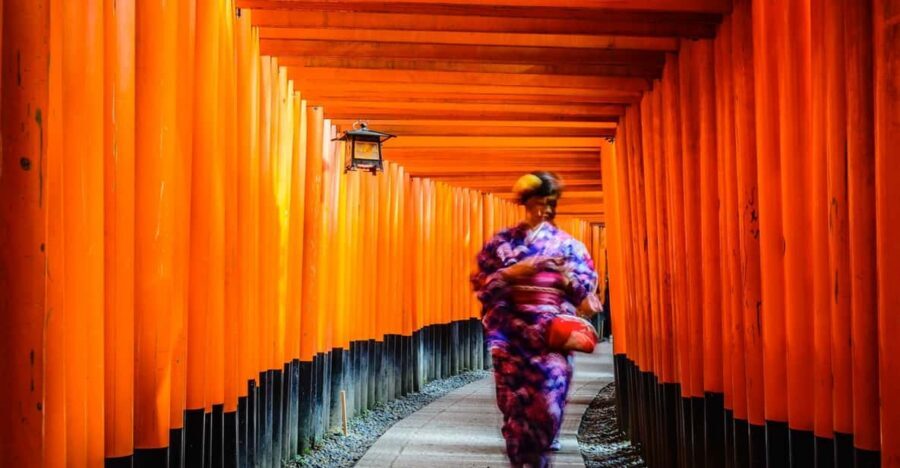
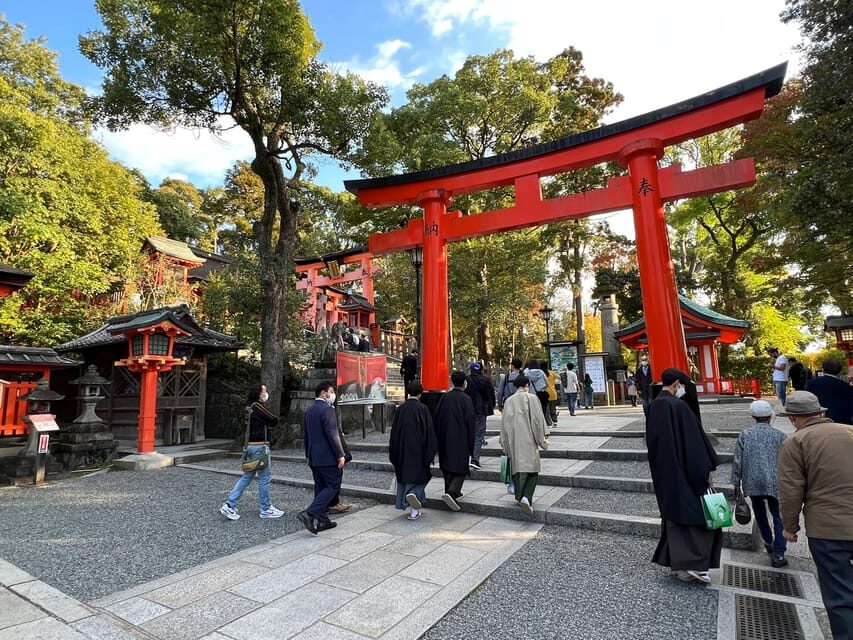
- Fushimi Inari’s torii trail on a guided walk through the iconic vermilion gates
- Kiyomizu-dera power spots tied to love, longevity, and academic success
- Ninen-zaka and Sannenzaka old-street strolls with traditional shop streets
- Gion geisha and maiko context, so you understand what you’re seeing (not just looking)
- Photo-friendly guide setup: you can ask for as many pictures as you want
Meeting at 7-Eleven JR Kyoto Station: how the tour starts
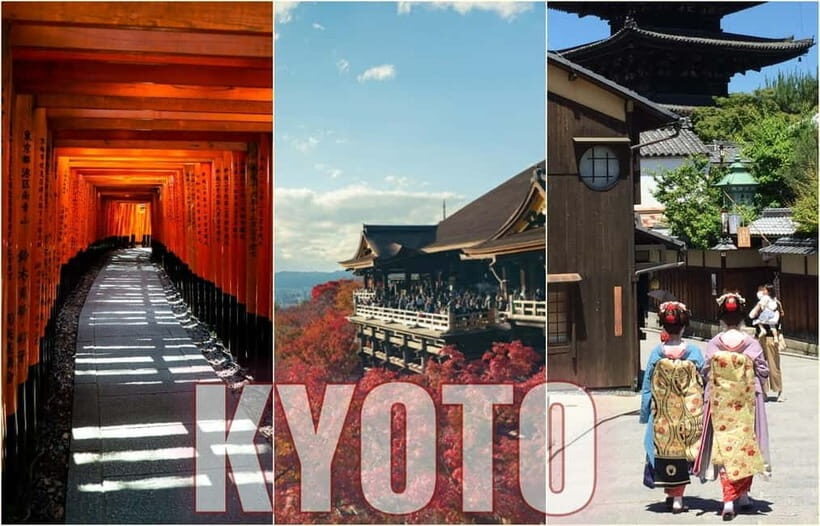
You’ll meet in front of the door of a 7-Eleven at JR Kyoto Station, in the building’s 1F area. Use the Kyoto Tower side exit, since that keeps your first minutes calm instead of scrambling for the right door.
The guide holds an iPad and a red card with the words RBRT (Roberto). That little detail matters in a crowded station, especially early in the day. Once everyone’s together, you’ll move quickly into a short public-transit plan that keeps the 4 hours focused.
This tour is a private group, so you can set a slower pace if your knees feel less cooperative. Still, expect real walking at temple and shrine sites, plus some stair steps where you’ll want good traction.
You can also read our reviews of more tours and experiences in Kyoto.



Fushimi Inari Taisha and the torii trail that actually means something
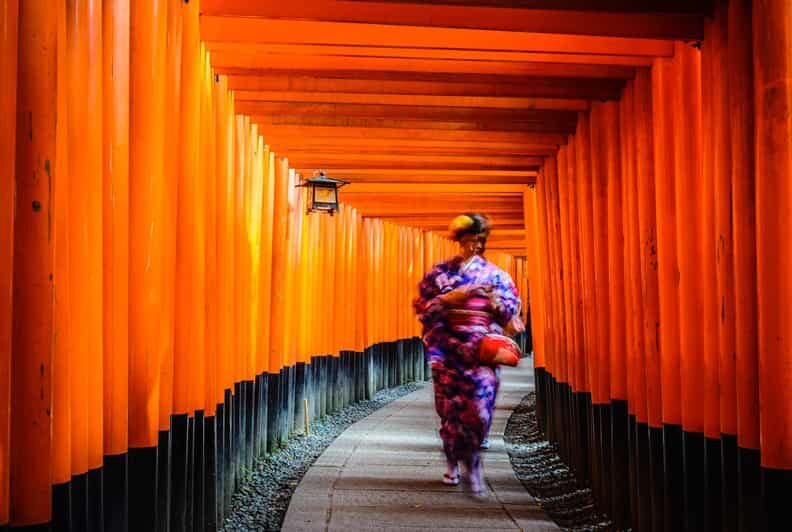
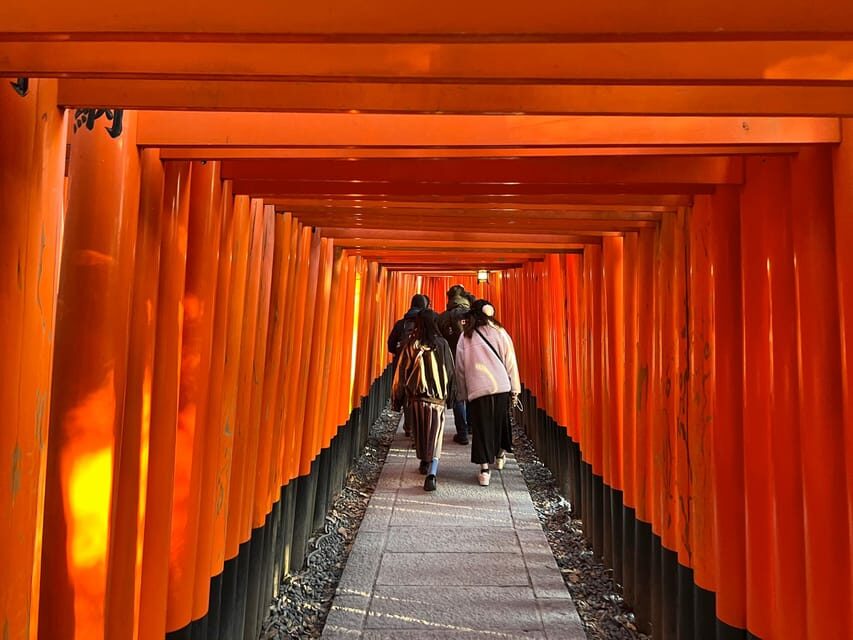
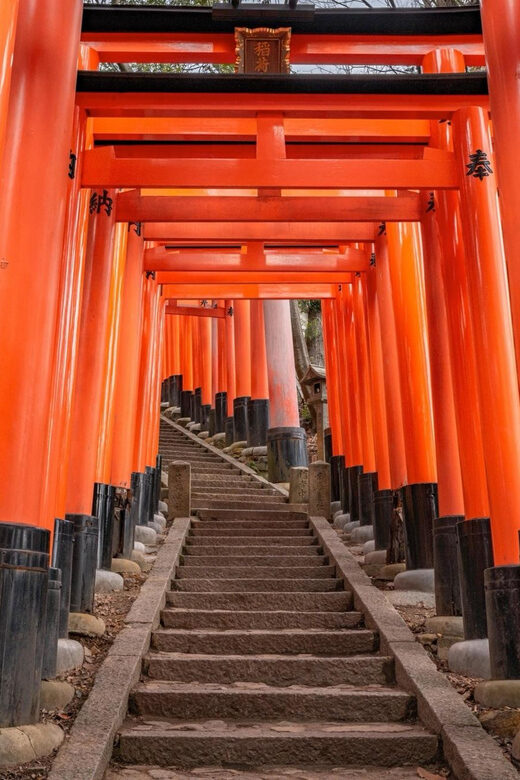
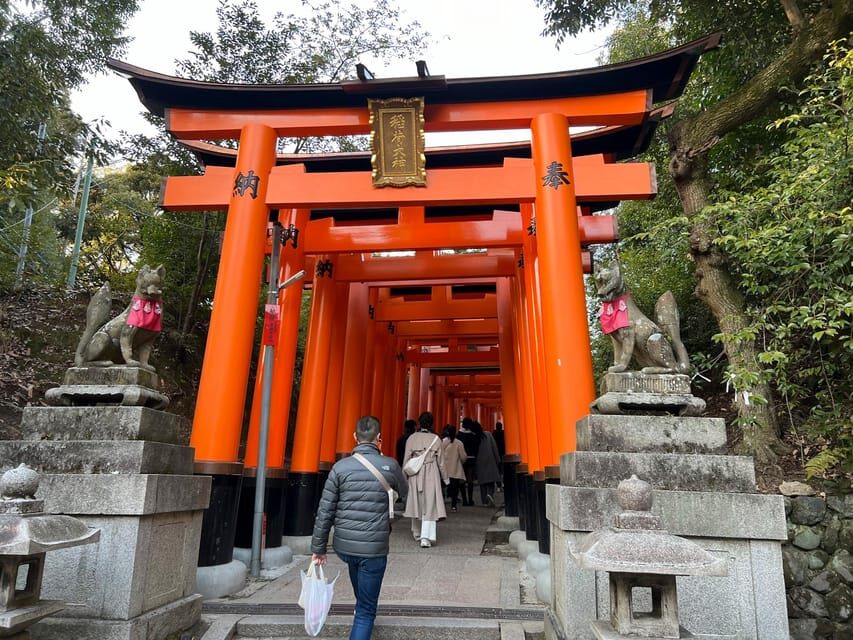
Most people come to Fushimi Inari for the gates. You’ll still get that: a guided trek through a long path of vermilion torii gates that feels like you’re walking inside a Kyoto icon.
The value here is not just the photos. Your guide gives the Shinto context—ancient origins and how the shrine fits into the bigger Shinto picture—so the torii trail becomes more than a backdrop. As you walk, the explanations help you understand why people visit and what these structures symbolize in daily belief.
Practical timing matters too. You’ll spend about 75 minutes at Fushimi Inari with guiding, which is enough time to see the famous corridor and still keep moving instead of standing around too long. You also take a short train ride as part of the route, about 10 minutes from the meeting point area.
Good to know for comfort: wear shoes that can handle uneven stone and long uphill stretches. You don’t want to lose time stopping for sore feet.
Kiyomizudera: power spots for love, longevity, and study
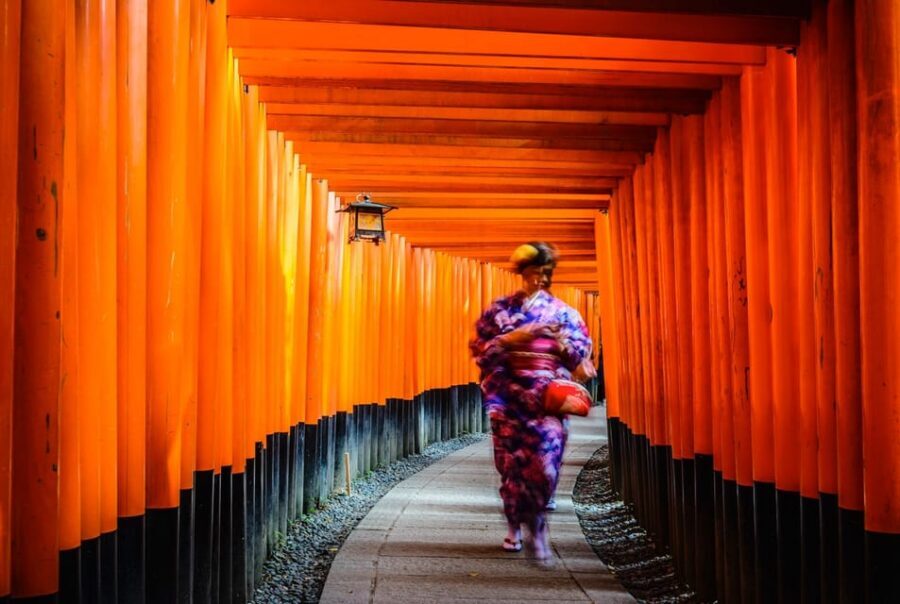
Kiyomizudera is one of Kyoto’s headliner temples, but the difference on a guided tour is how you interpret the experience. You’ll get explanations tied to the temple’s well-known power spots—places associated with blessings such as love, longevity, and academic success.
That matters because Kiyomizudera can feel like a lot at once: viewpoints, platforms, crowds, and lots of visitors moving in multiple directions. With guiding, you learn what to look for and why people pause. You also get help choosing where to focus so you don’t spend the visit just chasing the most obvious photo angles.
Plan for about 80 minutes inside and around Kiyomizudera with a guided visit. There is an entrance fee of 500 yen (around US$3.10), and it’s not included. You’ll want cash ready for this, and it’s one of those small add-ons that can change your spending plan if you forget it.
After Fushimi Inari, you’ll take a ~30-minute train ride toward Kiyomizudera. That keeps the route efficient, and it also breaks up what would otherwise be a long stretch of walking with no transit reset.
Ninen-zaka and Sannenzaka: where Kyoto looks the way it’s remembered
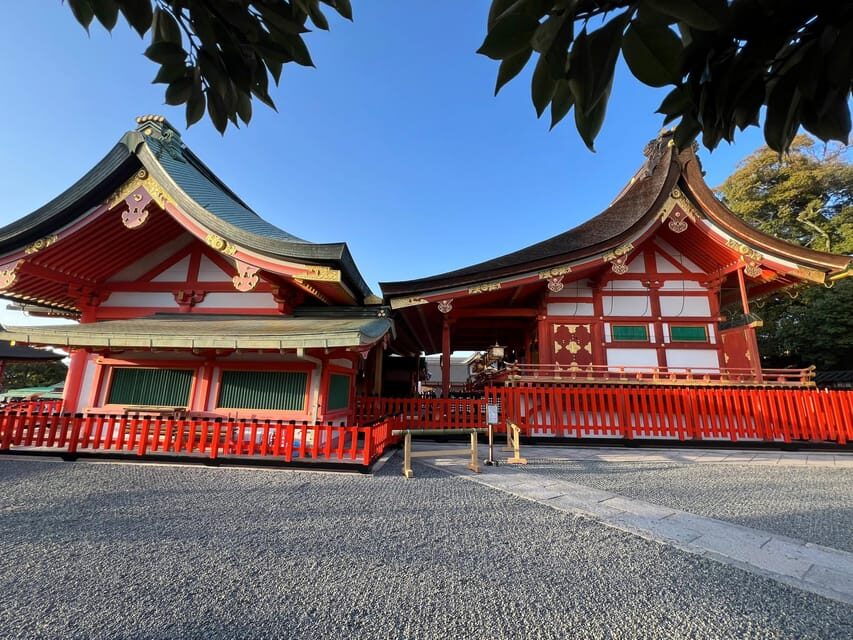
Once you’re done with Kiyomizudera, you’ll step into the famous old-street vibe on the way toward the Gion area. Two key streets are Sannenzaka and Ninenzaka, which are known for traditional wooden buildings and old-style merchant shops.
The best way to use this part of the tour is to slow down. This is where Kyoto stops being a list of sites and becomes a sense of place. Your guide’s pace here makes the walk feel like part of the story instead of a transfer between stops.
You’ll have short walking segments here—around 10 minutes each for Sannenzaka and Ninenzaka. There’s a nice rhythm to it: see the streets, take a breather, then move on before the crowds get too intense.
A practical tip: bring water, even if you think you’re only walking a little. Temple areas can be tiring, and you don’t want to be stuck hunting a drink with everyone else.
Gion and geisha culture: what you’ll learn before you look
The tour ends in Gion, Kyoto’s best-known geisha district. That final stretch is especially good with a guide because you’ll understand what you’re seeing before you assume things.
You’ll learn facts about geishas and maiko—including how entertainment teahouses (ochaya) fit into the district’s traditional world. You’ll also understand why machiya merchant houses are such a big part of Gion’s visual identity.
What I like about ending here: you finish in a lively neighborhood where you can keep exploring on your own. The tour wraps up with a 15-minute walking segment through Gion streets, and then you’re in a position to take a city bus or taxi back to your hotel.
Keep expectations grounded. You’re not signing up for a performance, and the guide doesn’t frame this as that kind of outing. Instead, it’s a cultural orientation that makes your stroll through Gion feel more intentional.





Logistics that affect your day: cost, transit, and pace
Let’s talk value first. The tour price is $90 per person for about 4 hours, and it includes a Kyoto City official certified guide. It also includes explanation support via images on an iPad, plus the guide will take as many pictures of you as you want.
What’s not included is equally important:
- Entrance fee to Kiyomizudera: 500 yen (approx US$3.10)
- Transportation costs (you use public transit, like trains and buses)
Because transportation isn’t included, I suggest you budget a little extra beyond the headline price. The transit plan is efficient, but you’ll still pay for your share of it.
Pace and suitability also need an honest note. This isn’t ideal for people with back problems, mobility impairments, wheelchair users, visual impairments, or for people over 75, and it also isn’t a good fit for low fitness. You’ll walk enough that you’ll feel it.
Also, follow the rules: no smoking and no luggage or large bags. If you’re traveling with big gear, you’ll want to store it before you start.
What to bring and how to get great photos without slowing everyone down
This tour is photo-friendly, and your guide can take pictures and videos while you’re walking between key spots. The trick is to use that help efficiently, so you don’t waste time asking for shots at the wrong moments.
Bring:
- Comfortable shoes (non-negotiable for stairs and temple footing)
- Water
- Comfortable clothes
- Cash (for Kiyomizudera entrance)
For best results, do quick photo requests at the start of each stop rather than at the busiest moment inside a shrine corridor. That way you get the shots without creating friction for others or for your own timing.
One more practical note: the tour provides an iPad for explanations. That means your guide can point out details even when you can’t get close enough to inspect everything on your own.
Who this tour suits best (and who should choose something else)
This is a strong choice if you want the biggest Kyoto hits in a tight time window and you like learning what you’re seeing. It’s especially good if you care about context: Shinto at Fushimi Inari, Kiyomizudera’s blessing associations, and the basics of geisha and maiko culture in Gion.
It’s also a nice option for couples or small groups who want a private pace and plenty of photos. Because it’s private, your guide can adjust walking speed and keep the day from feeling like a conveyor belt.
Choose another option if you:
- need wheelchair-level accessibility
- have major mobility constraints
- have significant visual limitations
- want a mostly flat, minimal-walking plan
Should you book this Kyoto Kiyomizu-dera, Fushimi Inari & Gion tour?
If you have about half a day and you want a guided route that connects the dots, I think this is a smart booking. The combination of Fushimi Inari’s torii trail, Kiyomizudera power-spot explanations, and a guided orientation to Gion geisha culture is exactly the kind of “learn while you walk” experience that pays off.
Book it if you’re comfortable with walking, you can handle a couple of extra costs (Kiyomizudera entrance and transit), and you want photos plus clear cultural context from a certified Kyoto guide.
If you prefer a low-effort schedule or you need strong accessibility support, you’ll likely be happier with a different format.
FAQ
Where do we meet for the tour?
You meet in front of the door of 7-Eleven at JR Kyoto Station building 1F. Use the Kyoto Tower side exit, and look for the guide holding an iPad and a red RBRT card.
How long is the tour?
The tour lasts about 4 hours.
Are there entrance fees included?
Kiyomizudera’s entrance fee is not included. It’s 500 yen (approximately US$3.10). Guide entrance fees and transportation fees are also not something you need to pay.
What language is the guide available in?
The live guide offers English and Spanish.
Is transportation included?
No. You’ll use public transportation (city bus and train), but transportation costs are not included.
What’s included in the tour price?
You get a Kyoto City official certified guide, iPad explanations with images, and help taking pictures (as many as you wish).
What should I bring, and is there anything I can’t bring?
Bring comfortable shoes, water, comfortable clothes, and cash. Smoking is not allowed, and luggage or large bags are not allowed.