REVIEW · KYOTO
Kyoto: Kiyomizudera, Higashiyama and Yasaka Discovery Tour
Book on GetYourGuide →Operated by TripGuru Japan · Bookable on GetYourGuide
Kyoto turns your feet into a guided story. This Kiyomizudera-to-Gion-area walk hits two things I love: the big temple moments (with Kannon and the sacred seiryuu blue dragon explained) and the stone-street strolls in Sannenzaka and Ninenzaka. One thing to plan for: it’s a compact 3 hours with lots of outdoor walking and steps, so comfortable shoes matter.
I also like that the tour stays small—up to 9 people—so questions don’t get lost in a crowd. You’ll end near Gion-Shijo, which makes it easy to keep exploring after the guide leaves you in a practical, lively spot.
In This Review
- Key Things That Make This Tour Worth Your Time
- Kyoto’s Kiyomizudera UNESCO Stop: Kannon and the Blue Dragon Views
- Walking the Old Streets: Sannenzaka, Ninenzaka, and Nene no Michi
- Kōdaiji Temple: Hideyoshi’s Wife, Zen Gardens, and Inside-The-Room Details
- Yasaka Shrine and Maruyama Park: Shinto Context You Can Actually Use
- Price and Value: What $54 Gets You in Kyoto
- Meeting Point, Route End, and the Real-Life Walking Factor
- Who This Tour Fits Best (and Who Should Skip It)
- Final Verdict: Should You Book This Kyoto Discovery Tour?
- FAQ
- What is the duration of the Kyoto Kiyomizudera, Higashiyama and Yasaka Discovery Tour?
- How much does the tour cost?
- Where do I meet the tour guide?
- What does the tour include?
- Which sites are visited?
- Is the group size small?
- What should I bring?
- Is the tour suitable for everyone?
Key Things That Make This Tour Worth Your Time
- UNESCO Kiyomizudera with clear explanations of Kannon and the seiryuu blue dragon
- Sannenzaka, Ninenzaka, and Nene no Michi for old-street atmosphere and quick photo stops
- Kōdaiji Temple tied to Toyotomi Hideyoshi’s wife, with Zen gardens plus lavish interior spaces
- Yasaka Shrine with on-the-ground Shinto context that makes the rituals easier to understand
- Maruyama Park timing for a seasonal stroll, especially when cherry blossoms are in swing
- Small group pacing so you can ask questions, not just follow along
Kyoto’s Kiyomizudera UNESCO Stop: Kannon and the Blue Dragon Views
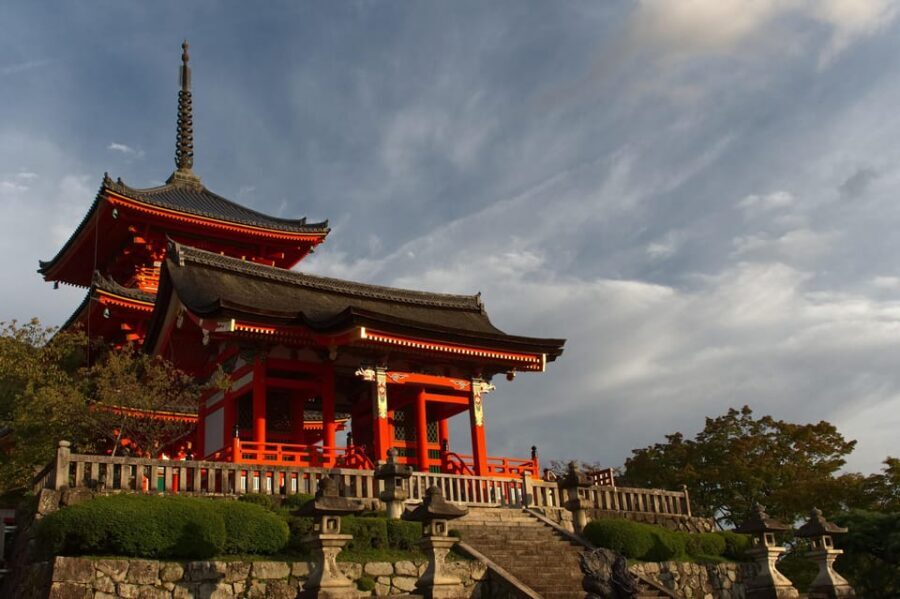
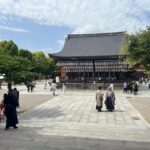
Your tour starts with a straightforward goal: get you to Kiyomizudera early enough to feel the place before your legs are fully cooked. The guide takes you through the main highlights with the kind of context that turns a famous postcard into something you actually understand.
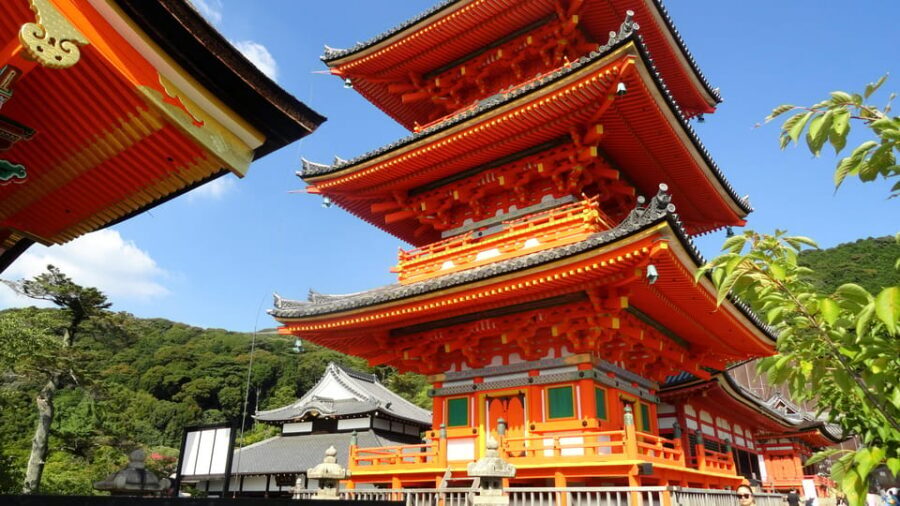
At Kiyomizudera, the big draw is the viewing area—Kyoto’s classic “look-out” moment. But what makes this stop different is the way your guide frames it around the temple’s spiritual focus. You’ll learn about Kannon, often described as the deity of peace and mercy, and you’ll hear about the sacred seiryuu blue dragon. That matters because it gives you something to watch for beyond architecture and crowd lines.
If you’re the type who likes to know why a place is important, this part is a win. If you’re mainly there for photos, you’ll still get value: the guide points out where it’s easier to get good angles while you’re moving through the complex. And because the tour is only 3 hours, you’re not stuck waiting around for long stretches in one spot.
Possible drawback here: Kiyomizudera is an iconic stop, so expect the area to feel busy. When that happens, the guide’s timing and crowd-reading makes a difference—your time stays focused instead of spent inching forward without a plan.
You can also read our reviews of more tours and experiences in Kyoto.


Walking the Old Streets: Sannenzaka, Ninenzaka, and Nene no Michi
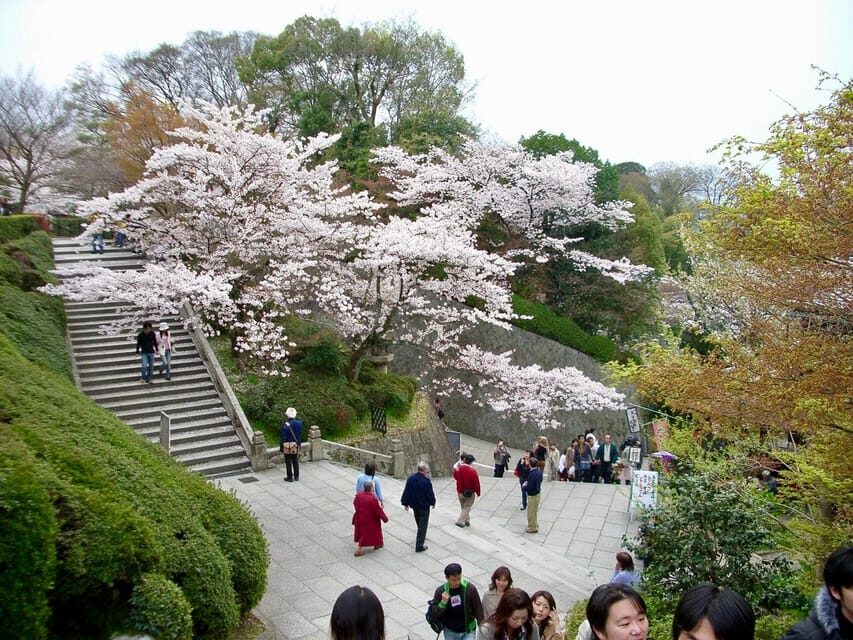
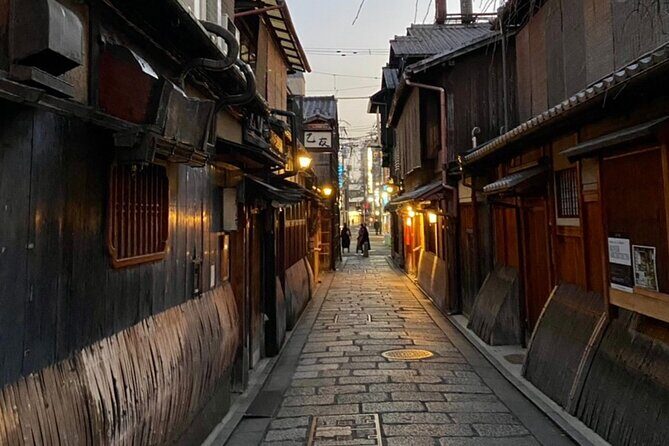
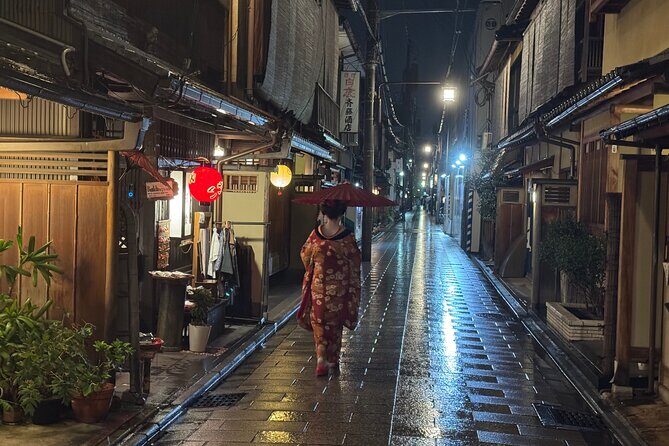
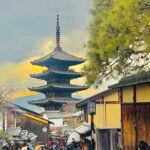
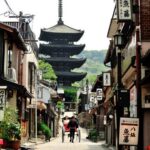
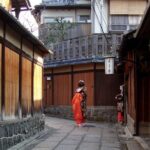
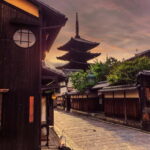
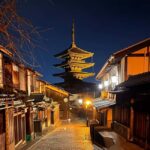
After the temple, the pace shifts. This is where Kyoto starts feeling like Kyoto on foot: narrow lanes, old-style shopfronts, and that layered sense of time that you don’t get from a quick photo-and-go.
The walk includes Sannenzaka, Ninenzaka, and Nene no Michi. Even if you know Kyoto has preserved streets, these lanes still surprise people. Why? Because the street layout shapes what you notice—signage, textures, and small storefront details show up as you round corners and climb the stone steps.
This is also where you can let your interests guide you. The tour is structured, but it leaves room for the reality of being there: a quick look inside a small shop, or a food pause if you want one. In past groups, guides like CC have been willing to flex for short matcha or shopping breaks while still keeping the main sites on track. That’s a practical style of guiding—Kyoto rewards curiosity, and a rigid itinerary can make you miss the best bits.
What to watch for: Sannenzaka and Ninenzaka involve steps and uneven spots. If you’re used to casual walking days, treat this as a “wear good shoes” event. Your camera is also worth bringing, but don’t let it slow you down on the stairs—save the detailed shots for when you’re stopped.
Kōdaiji Temple: Hideyoshi’s Wife, Zen Gardens, and Inside-The-Room Details
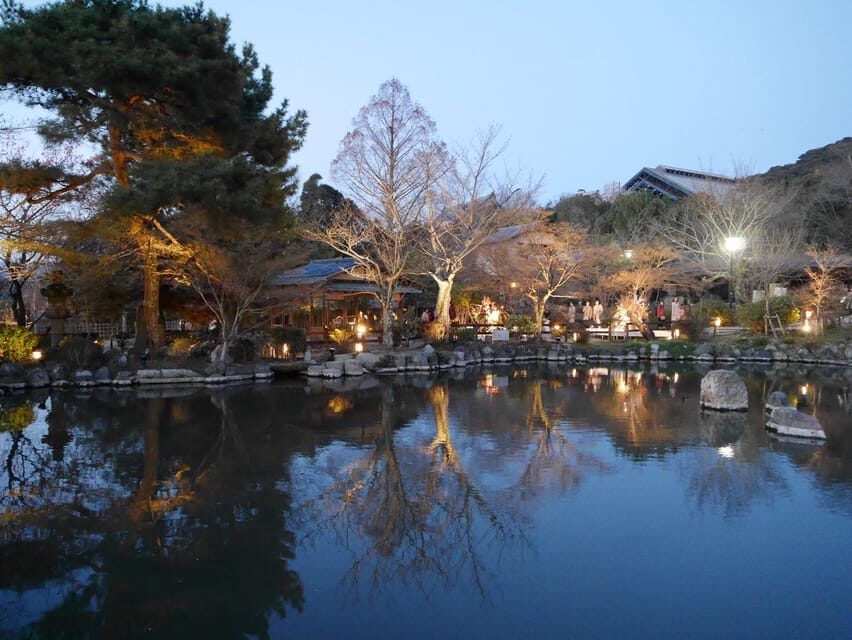
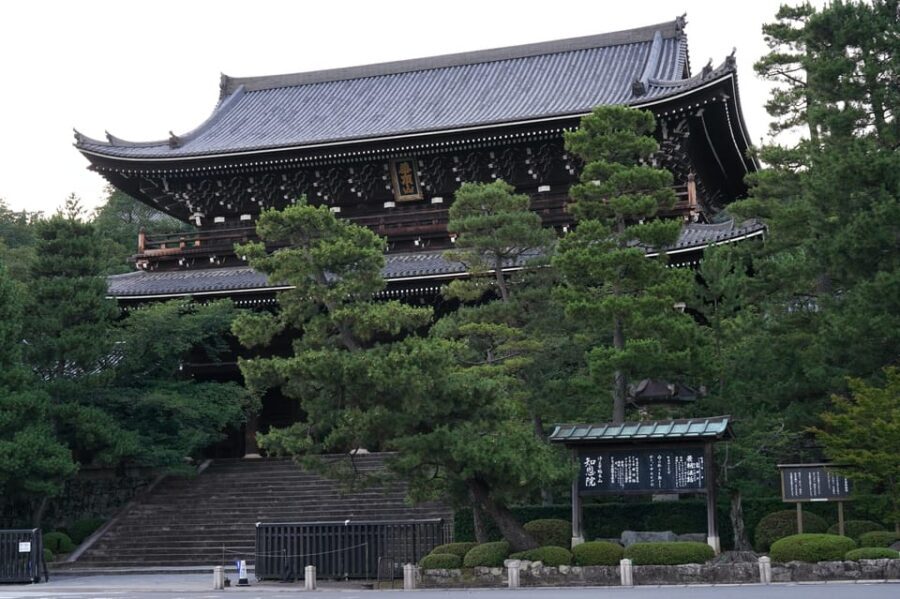
Next up is Kōdaiji Temple, and the reason it feels special is how personal its story is. You’ll hear that it was built in memory of Toyotomi Hideyoshi’s wife. That connection matters because it changes Kōdaiji from just another temple stop into a place with a specific human narrative behind it.
What you’ll experience breaks into two modes:
1) Zen garden atmosphere
You’ll get a chance to see the carefully composed garden areas. Even if you don’t read every symbol, the guided context helps you understand why the layout feels deliberate instead of random.
2) Lavish interior spaces
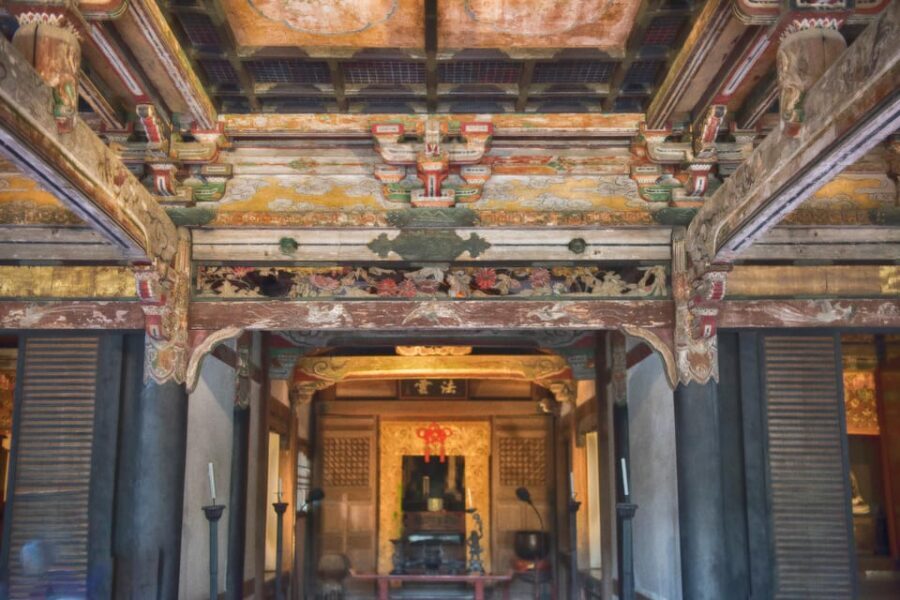
This is one of those stops where the contrast is part of the magic. Outdoor walking gives way to interior detail—rooms and decorative elements that signal wealth, status, and ceremony. The guide helps you notice what you might otherwise overlook if you were rushing through on your own.
The time on this stop is tight—about 30 minutes—so you won’t get a long, slow soak. But for most people, that’s the point of a 3-hour “hit the highlights” tour. You come away with a clear sense of Kōdaiji’s character without sacrificing the later stops.
Tiny caution: because there are both garden and interior elements, you’ll likely be transitioning between areas. Keep an eye on your pace and shoe traction so you don’t feel rushed in the best moments.
Yasaka Shrine and Maruyama Park: Shinto Context You Can Actually Use
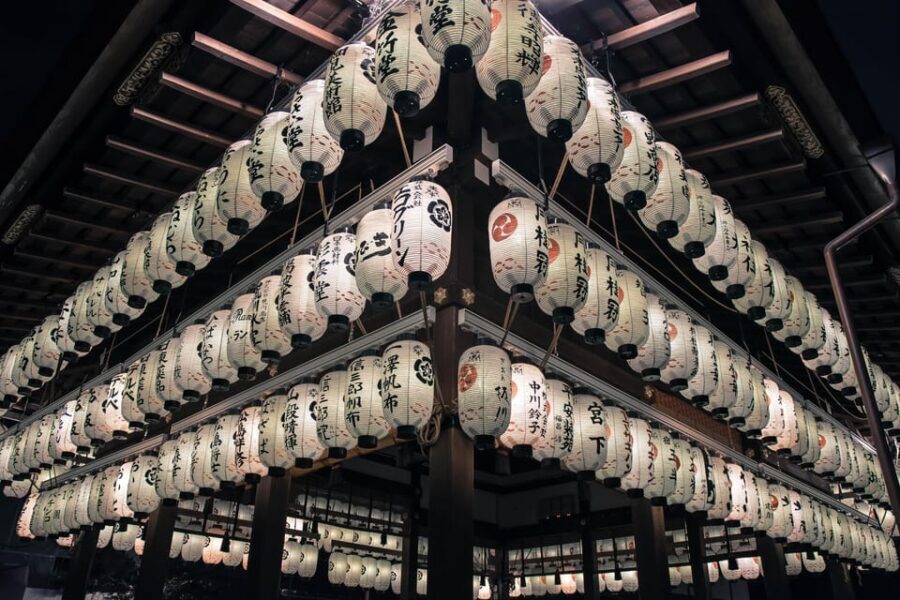
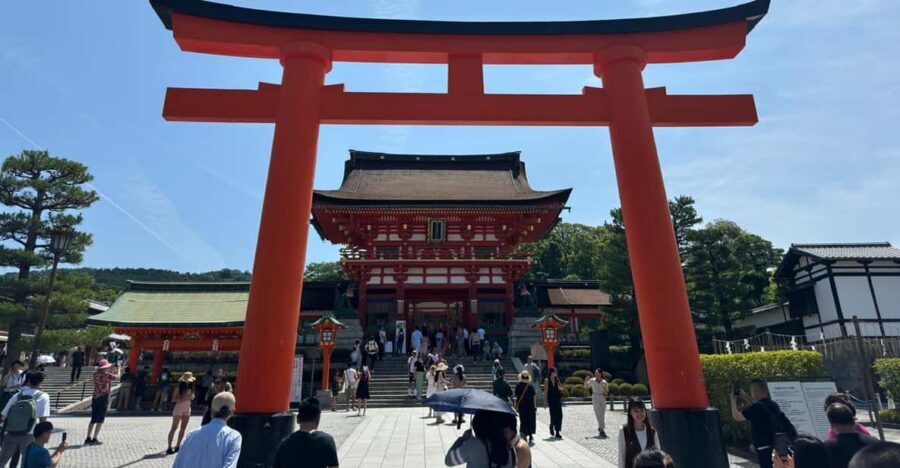
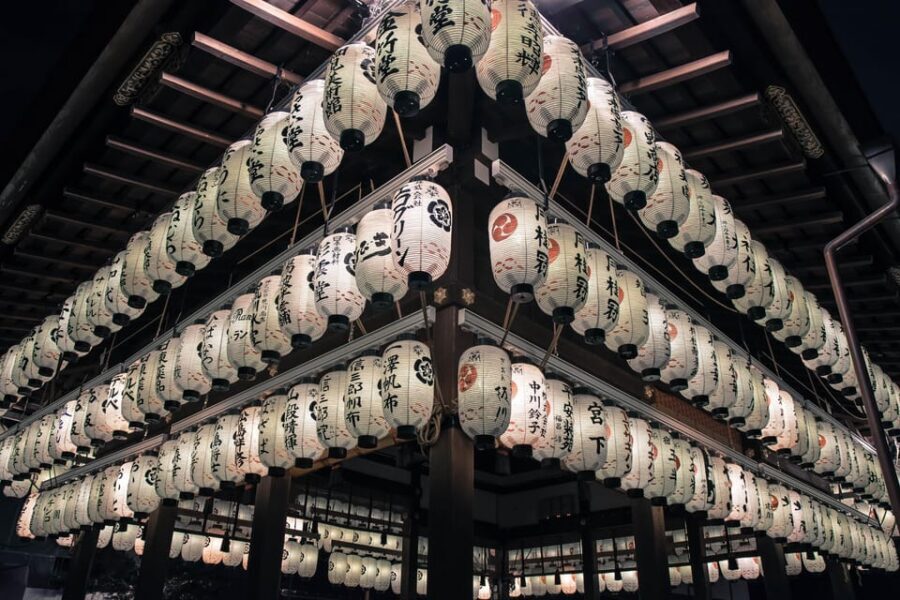
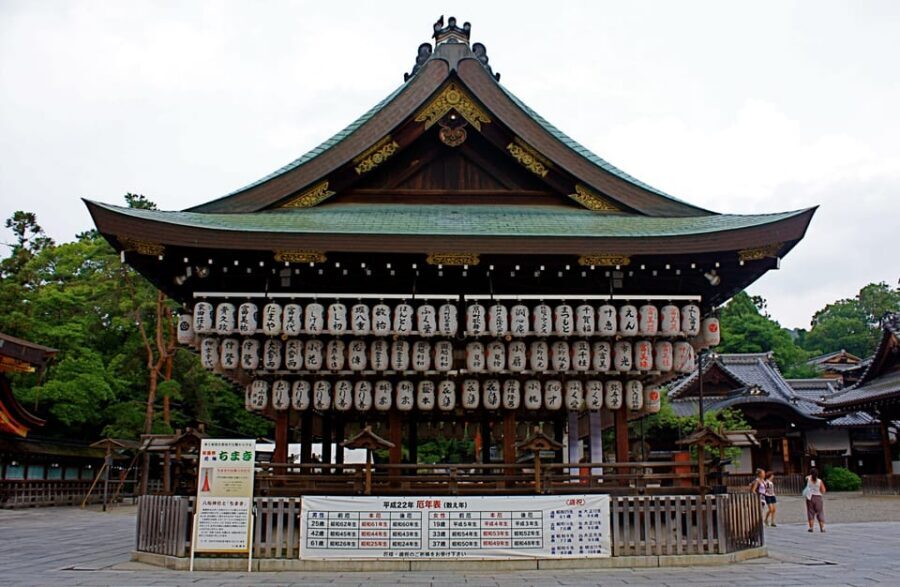
From Kōdaiji, it’s a short walk to Yasaka Shrine, one of Kyoto’s most recognizable Shinto sites. Here’s what makes this stop land: your guide translates shrine practices and Shinto culture into something you can recognize while you’re standing there.
You’ll hear stories about Shinto history, culture, and practices. That isn’t just trivia—it changes how you look at what you see. Instead of wondering why people are doing what they’re doing, you get a framework. You can focus on the ritual logic and the meaning, not just the visuals.
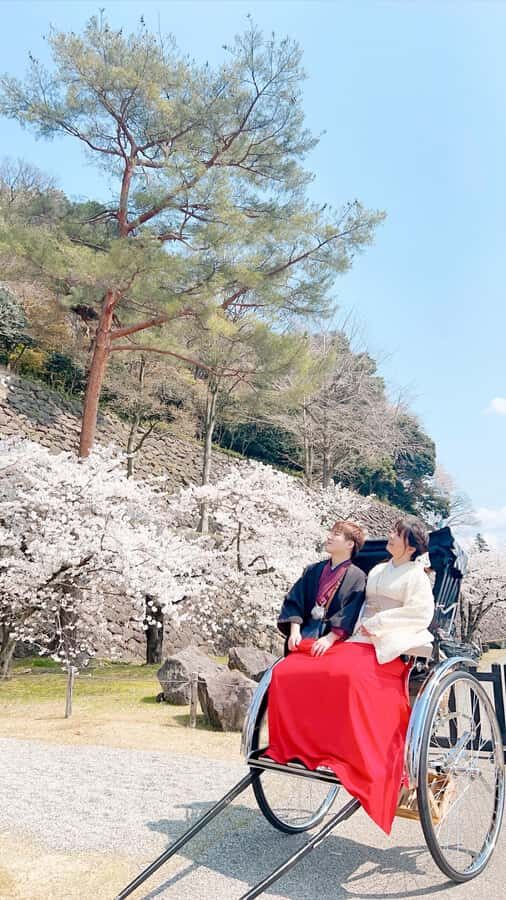
After Yasaka Shrine, the tour leads you toward Maruyama Park, a favorite during cherry blossom season. Even if you’re not going in peak bloom, this timing gives the day a second mood. Temples and shrines are structured; parks let the body slow down for a minute. It also works well because you’re heading toward the Gion-Shijo end point.
This part of the tour is especially good if you like your Kyoto days to feel balanced—religious architecture plus cultural storytelling plus an outdoor pause.
Price and Value: What $54 Gets You in Kyoto
At $54 per person for a 3-hour outing, this tour is priced like what it is: a guided “best-of” walk rather than a full-day, all-inclusive experience.
Here’s where the value shows up:
- English-speaking guide for the whole route
That matters in Kyoto because temples and shrines are layered. You don’t just see buildings—you hear how they connect to beliefs, legends, and traditions.
- Entrance fees included for Kiyomizudera and Kōdaiji
This is a clean practical win. You don’t have to split your attention between tickets and navigation while you’re already trying to enjoy the day.
- Snacks included
It’s small, but it helps. Kyoto walking days can feel longer than you expect, and a snack keeps you from turning “cool cultural walk” into “hangry logistics problem.”
What isn’t included is also worth planning for: no hotel pickup/drop-off, and no meals or other drinks. You’ll want to manage lunch on your own before or after. And since the activity is focused and time-boxed, personal shopping sprees are on you.
The tradeoff: you’re paying for guidance and efficiency. If you love self-guided exploration and don’t care about temple context, you might prefer an independent day. But if you want the stories and the smart pacing in a short window, the price starts to make sense fast.
Meeting Point, Route End, and the Real-Life Walking Factor
The meeting point is a simple one: 7-Eleven at 112 Tatsumichō. Look for your guide wearing a TripGuru shirt or holding a TripGuru sign. It’s an easy anchor point if you’re already navigating Kyoto by transit.
The tour finishes at Gion-Shijo Station, which is a big deal for how convenient the day feels. Gion-Shijo puts you near plenty of options for post-tour wandering—dinner, cafés, and more street-level exploring without needing to figure out what your next transportation step is.
Still, the tour has a clear movement requirement. Comfortable shoes are not optional advice here; it’s a practical one. And it’s not designed for everyone: it’s not suitable for pregnant women, people with mobility impairments, heart problems, or respiratory issues. If any of those conditions apply, you’ll want to choose a gentler option.
Who This Tour Fits Best (and Who Should Skip It)
This Kyoto experience works best if you want:
- A tight, well-paced hit-list of Kiyomizudera, Kōdaiji, and Yasaka Shrine
- Temple and shrine context explained in plain terms
- A small group setting where the guide can flex with short breaks for matcha or shopping rather than treating everything like a conveyor belt
It’s also a solid choice for people who like photos but hate feeling lost. Guides have been praised for pointing out good photo spots and for keeping explanations entertaining, not dry.
You might want to skip or rethink it if:
- You need minimal walking or step-free routes
- You want a slow, long sit-down day where you can linger for hours in each garden or hall
- You’re traveling with very limited flexibility and need more control over pace and rest stops
Final Verdict: Should You Book This Kyoto Discovery Tour?
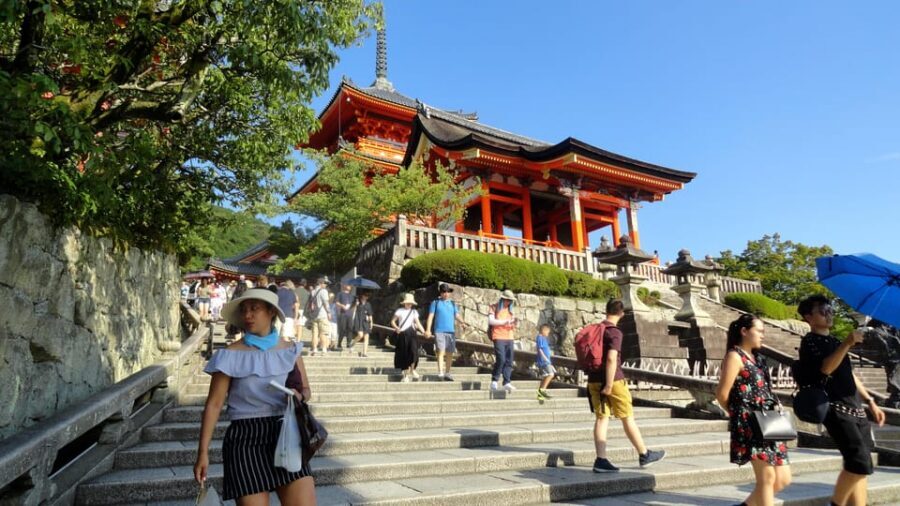
If you’re in Kyoto for a short stay or you want one efficient “temple-and-shrine day” that still feels human, I’d book it. The mix of Kiyomizudera (UNESCO + Kannon/blue dragon context), Sannenzaka/Ninenzaka streets, Kōdaiji (Hideyoshi’s wife + garden and interiors), and Yasaka Shrine (Shinto stories)
hits the right beats without dragging.
But be honest with yourself about the biggest tradeoff: it’s only 3 hours, so you won’t get a slow, lingering day—and it involves steps and outdoor walking. If that’s your comfort zone, this is a good value way to understand Kyoto fast, walk smart, and end the day ready for Gion-Shijo exploring.
FAQ
What is the duration of the Kyoto Kiyomizudera, Higashiyama and Yasaka Discovery Tour?
The tour lasts 3 hours.
How much does the tour cost?
It costs $54 per person.
Where do I meet the tour guide?
You meet at the 7-Eleven located at 112 Tatsumichō. Look for a guide wearing a TripGuru shirt or holding a TripGuru sign.
What does the tour include?
It includes an English-speaking tour guide, entrance fees for Kiyomizudera and Kōdaiji Temple, and snacks.
Which sites are visited?
You’ll visit Kiyomizudera Temple, Sannenzaka, Kōdaiji Temple, Yasaka Shrine, and you’ll also pass through Maruyama Park area.
Is the group size small?
Yes. The group is limited to 9 participants.
What should I bring?
Bring comfortable shoes, a camera, and cash.
Is the tour suitable for everyone?
It’s not suitable for pregnant women, people with mobility impairments, people with heart problems, or people with respiratory issues.