REVIEW · DRINKING TOURS
Kyoto: Beyond the Insider Sake Tasting Experience
Book on GetYourGuide →Operated by Add Stories Co., Ltd · Bookable on GetYourGuide
Kyoto night and bars are great, but this is different. You’ll learn why sake tastes the way it does by tasting 10 varieties that are rarely found overseas. I like that it’s built for both beginners and people who already order sake confidently, and I like that every guide is a certified sake sommelier. The main drawback to plan around is that alcohol rules are strict: if you arrive by car or bicycle, alcohol won’t be served, and late arrivals can mean you lose your booking.
In This Review
- Key Things I’d Focus On Before You Book
- Why This Kyoto Sake Tasting Changes the Game
- The Private Room Experience: Quiet, Focused, and Practical
- How the Tasting Actually Flows: 10 Types, One Learning Arc
- The Big Lesson: Ingredients and Process Shape Flavor
- Ancient Methods and Microorganism-Based Sake
- Wood-Brewed Sake and Regional Taste
- What You Learn That Actually Helps You Buy and Order Sake
- Price and Value: Is $66 Reasonable for 10 Tastings?
- Timing, Arrival Rules, and Alcohol Policy You Should Know
- Who This Kyoto Sake Experience Is Best For
- My Take: Should You Book This One?
- FAQ
- How many sake types are included in the tasting?
- Is food pairing included?
- Where does the activity take place?
- What is the price?
- Who leads the experience?
- What languages are available?
- What are the age rules for drinking sake?
- Are there any other age restrictions?
- Can kids or non-drinkers join?
- What if I arrive late?
- What is the cancellation policy?
Key Things I’d Focus On Before You Book
- 10 sake styles with flavors chosen by a certified sake sommelier to show how production changes taste.
- Private tasting room so the learning stays calm, not crowded or rushed.
- Certified sake sommeliers lead the explanations and keep the pacing clear.
- Rare overseas picks, including versions made with older methods, microorganism-based concepts, and wood-used brewing.
- Beginner-friendly structure: you’ll cover basics of production and sake categories even if you’ve never ordered sake before.
Why This Kyoto Sake Tasting Changes the Game
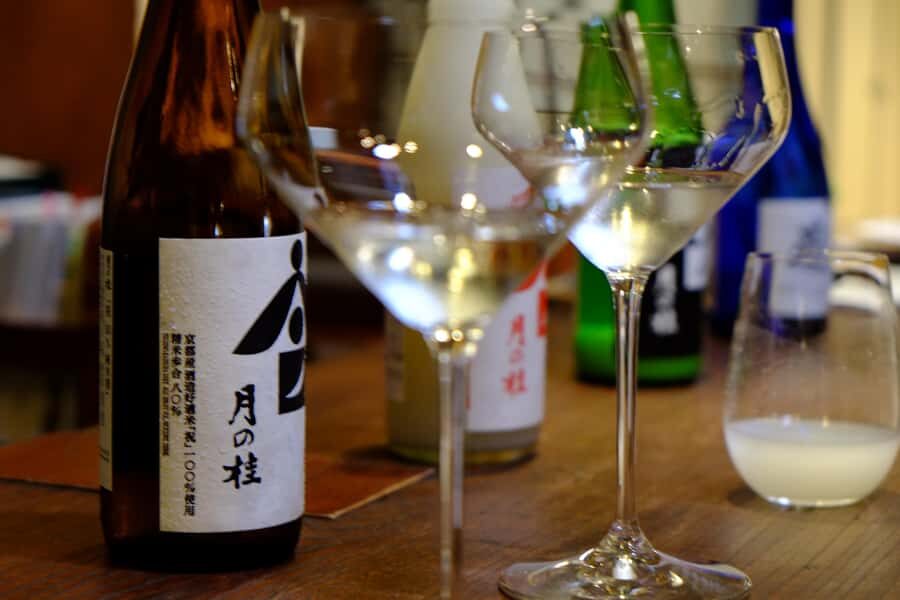
Kyoto is famous for small pleasures, and sake is one of them. But most tastings stop at easy categories and a few crowd-pleasers. This experience aims for something more useful: it connects what you’re drinking to the choices made during brewing—ingredients, technique, and even the materials used.
I like the logic of the approach. You’re not just swallowing and moving on. You’ll also cover the basics of sake production and the main sake categories, which makes the rest of the tasting make more sense fast.
Here’s the other big reason this works: the set of 10 unique varieties is designed to show contrast. One pours differently because of method. Another shifts because of ingredients or process. Instead of one “good” bottle, you get a real sense of how flexible sake can be.
You can also read our reviews of more food & drink experiences in Kyoto

The Private Room Experience: Quiet, Focused, and Practical
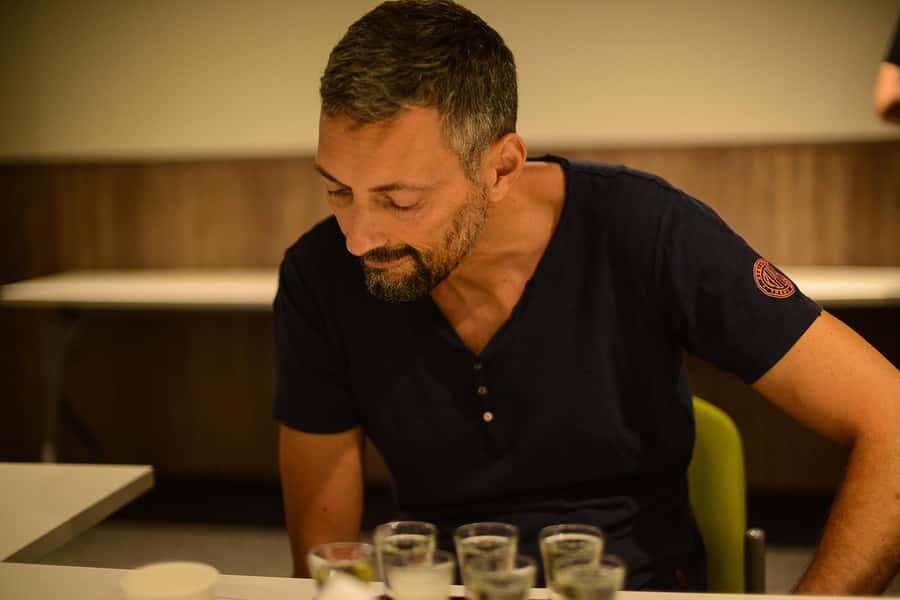
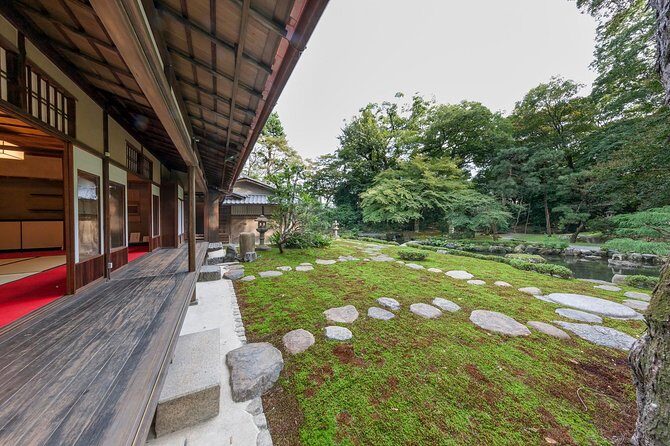
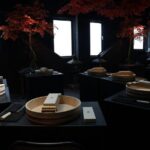
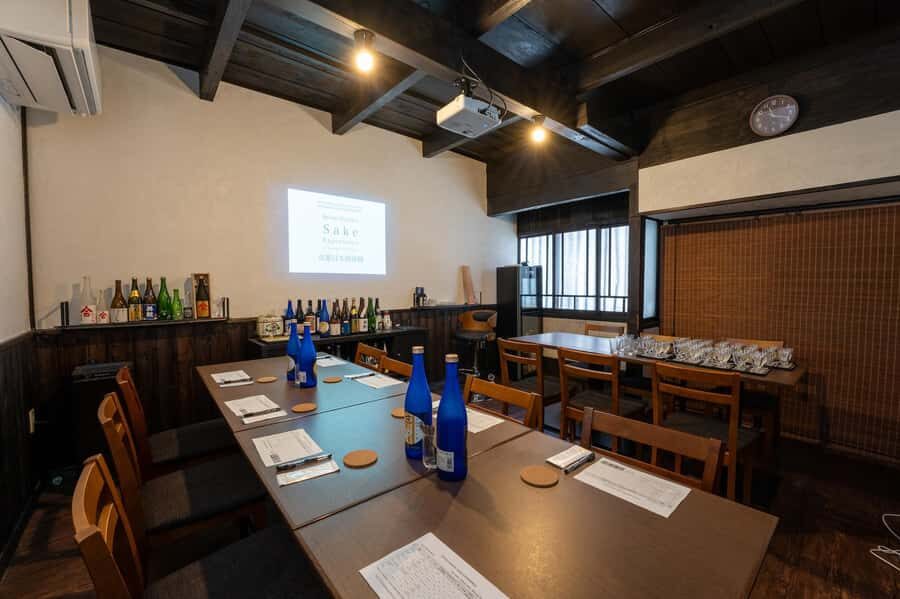
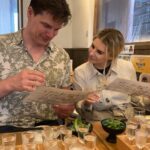
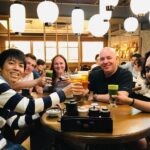
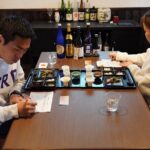
This tour happens in a dedicated private sake tasting room. That matters more than it sounds, because sake tasting is detail-heavy. When you’re in a private space, you can hear the explanations clearly and take tasting notes without feeling like you’re competing for attention.
You’ll get tasting note materials as part of the experience. That’s a smart touch, because sake changes with temperature and with your own learning curve. Having something to write on means you can remember what you liked and why—so later, when you’re back in a shop, you’re not starting from zero.
Also, the format is guided by certified sake sommeliers. That’s not just a credential for marketing. In practice, it usually means the explanations stay grounded in production rather than random trivia. In the reviews, people consistently highlight that the guide’s presentation and description are clear and helpful.
How the Tasting Actually Flows: 10 Types, One Learning Arc

The tour’s heart is straightforward: you’ll taste 10 kinds of sake selected by the sommelier. The goal is not to “collect stamps.” Each pour acts like a clue to a bigger story about how sake is made.
Even if you’re starting from scratch, the experience includes the basics of sake production and sake categories. So you’re not thrown into advanced terms with no context. For experienced drinkers, that same structure can still be useful, because it gives you a common language before you compare styles.
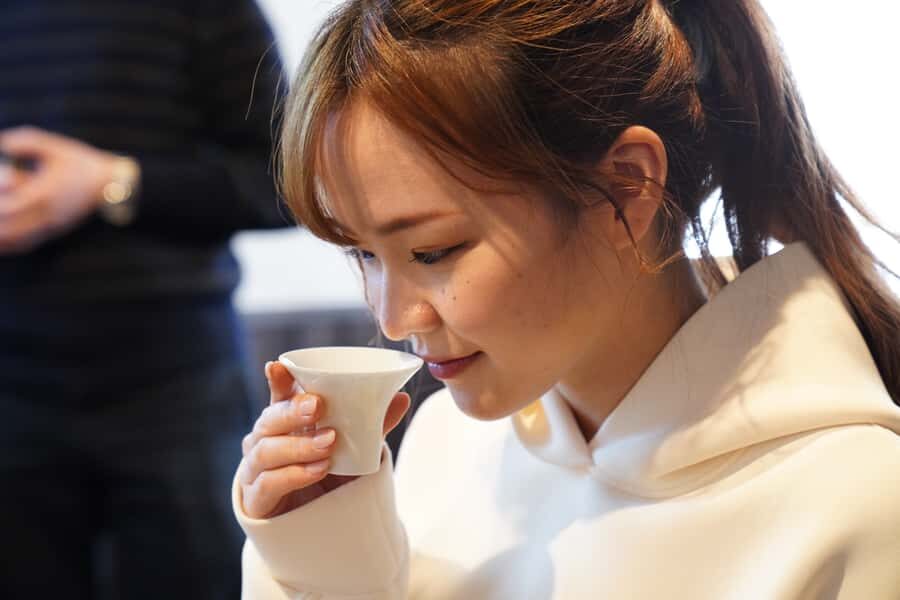
What I’d expect you to do mentally is simple: treat each pour like a mini lab test. Ask yourself questions like:
- What smells different about this one?
- Does it feel lighter or heavier?
- Is it crisp and clean, or more rounded?
- Does the finish feel dry, sweet, or something in between?
The sommelier’s job is to connect those impressions back to production choices, so you’re not just guessing.
The Big Lesson: Ingredients and Process Shape Flavor
One of the highlights is that you’ll deepen your understanding of important ingredients in sake making. That’s where the experience goes beyond “tasty.” It helps you understand what to look for later, whether you’re buying a bottle for dinner or ordering at a bar.
Sake is often treated like a single product, but it’s really a family of outcomes. The same base idea can lead to very different results depending on the brewing concept and how the brewer manages fermentation and materials.
If you’re a beginner, this is the shortcut to feeling confident. You’ll stop thinking of sake as something you either like or don’t like. Instead, you’ll learn what production choices tend to create certain flavor directions.
If you’re an advanced drinker, this still has value. Instead of repeating what you already know, the tasting set is built around styles that are harder to find abroad. That makes the learning more than theoretical.
Ancient Methods and Microorganism-Based Sake
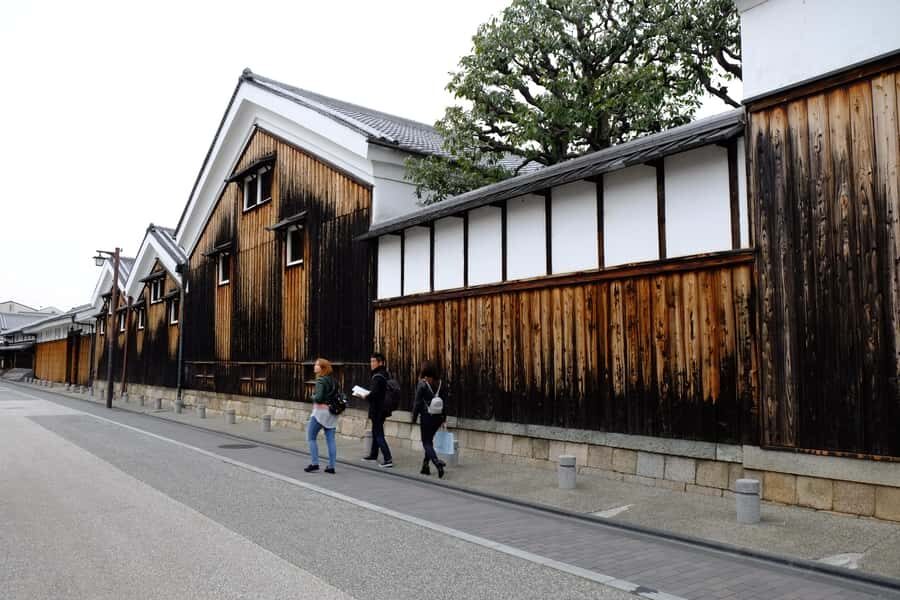
The experience explicitly sets out to go past modern approaches. You’ll taste sake brewed using ancient methods, including versions that work under different assumptions than today’s standard practices. In plain terms: the past isn’t a museum here. It’s an active flavor strategy.
You’ll also encounter a newer concept of sake that uses characteristics of microorganisms. That phrase matters because it signals that fermentation and microbial management are not just technical steps. They can shape aroma, texture, and overall flavor profile.
This part is where you may notice a “pattern shift.” Modern mass-market sake often aims for clean, consistent results. These alternative methods and microorganism-centered concepts can push you into more varied sensory territory—things like aroma differences, texture changes, and finishes that don’t behave like the usual playbook.
You can also read our reviews of more drinking tours in Kyoto



Wood-Brewed Sake and Regional Taste
Another standout theme is sake brewed using local wood, which is described as producing a taste unique to the region. Even without specific brand names provided in the tour notes, the concept itself is big. It suggests that materials used during brewing can affect how the final product tastes.
If you’re the type who likes to understand why a place tastes like a place, this is a strong match. The idea that local wood can translate into local flavor gives you a practical way to think about terroir-like influences in sake.
When you taste it, try to separate two things:
- What you like right now
- What you’re learning about the mechanism behind it
That second part is what makes the experience valuable long after the last sip.
What You Learn That Actually Helps You Buy and Order Sake
A lot of tastings teach you what something tastes like. This one aims to teach you why. That difference is what turns a fun evening into a useful skill set you can use the next day.
Because you’ll cover basics of categories and production, you can start building a mental map. Then, each of the 10 pours becomes a real data point that you can reference later.
I also like that the tasting is led in English. That means the explanations of ingredients and methods won’t require you to guess through language gaps. You’ll get clearer at ordering and discussing sake sooner, without turning your vacation into a classroom.
Price and Value: Is $66 Reasonable for 10 Tastings?

At $66 per person, you’re paying for a structured lesson: 10 sake tastings, tasting notes, a certified sake sommelier guide, and a dedicated private tasting room.
Compared to casual tastings where you might taste fewer pours or pay for bottles without much teaching, the value here is the combination of quantity and instruction. The tour isn’t just selling you liquid. It’s selling you understanding, and that’s what helps you later.
There’s also value in the focus on sake brewed with different concepts—ancient methods, microorganism-based ideas, and wood-based regional influence. In a normal bar, you’d likely struggle to find those specific angles in one sitting, especially ones rarely found overseas.
Timing, Arrival Rules, and Alcohol Policy You Should Know
Before you go, keep the practical rules in mind. The experience is for adults at Japan’s legal drinking age of 20. If you’re under 20, you’ll be served non-alcoholic drinks.
Also, for safety and legal reasons, alcohol won’t be served to guests who arrive by car or bicycle, and non-alcoholic drinks are available instead. Alcohol service is not the kind of thing you can negotiate on-site.
You also need to be on time. If you’re more than 10 minutes late, the booking is canceled. Finally, no reservation means you can’t join the tour, including children and non-drinkers.
Who This Kyoto Sake Experience Is Best For
This experience fits a wide range, and that’s one reason it gets such high marks.
You’ll likely love it if:
- You’re new to sake and want a clear start with production basics and categories.
- You already like sake and want unusual varieties that are harder to find abroad.
- You enjoy learning by tasting and want tasting notes to keep your impressions organized.
It may not fit if:
- You need a food-and-drink pairing included, because food pairing is not included.
- You’re planning around alcohol access that depends on how you travel to the room, due to the car or bicycle alcohol rule.
- You fall into the listed restrictions: it’s not suitable for children under 3 years, pregnant women, or people under 19 years.
My Take: Should You Book This One?
If you want a sake experience that actually teaches you something you can use—ingredients, categories, and how brewing choices translate into flavor—this is an easy yes. The best part is the 10-variety lineup built to show contrast, not just repeat safe options.
The only reason I’d hesitate is logistics and strict rules: you’ll want to arrive on time and understand the alcohol policy and age requirements. If that fits your trip style, book it. Then add an extra win: once you’ve learned the basics here, you’re set up to go further on your next sake-focused stop in Kyoto—because this kind of training makes every bottle after it easier to understand.
FAQ
How many sake types are included in the tasting?
You’ll taste 10 kinds of sake as part of the experience.
Is food pairing included?
No. Food pairing is not included.
Where does the activity take place?
The tour takes place in a dedicated private sake tasting room and it starts at Kyoto Insider Sake Experience. It ends back at the meeting point.
What is the price?
The price is listed as $66 per person.
Who leads the experience?
The guide is a certified sake sommelier.
What languages are available?
The experience is offered in English.
What are the age rules for drinking sake?
Japan’s legal drinking age is 20. Customers under 20 years old will be served non-alcoholic drinks.
Are there any other age restrictions?
The tour is listed as not suitable for people under 19 years.
Can kids or non-drinkers join?
Guests without a reservation (including children and non-drinkers) will not be allowed to join.
What if I arrive late?
If you are more than 10 minutes late, your booking will be canceled.
What is the cancellation policy?
You can cancel up to 7 days in advance for a full refund.