REVIEW · SUSHI MAKING CLASSES
Kyoto Sushi Making Experience with a Professional Sushi Chef
Book on Viator →Operated by MagicalTrip Inc. · Bookable on Viator
Knife skills meet food fun in Kyoto. This hands-on class with a professional Taisho chef lets you shape nigiri and make roll sushi, then eat what you create with tempura, sake tastings, and matcha. I also like the small group size (max 8) and the clear, English-friendly guidance, which keeps things relaxed even if sushi is new to you. One drawback to consider: the chef does the cutting, so you won’t learn knife work like a professional, just how to assemble and handle the sushi correctly.
You start with traditional Japanese sweets, then move into a sushi restaurant setting where the pace is practical: watch, learn, do, taste. The finale is a quieter Kyoto-style garden moment where you whisk matcha and enjoy the sweets you picked earlier. If you’re craving a full-on cooking chaos story, this is more calm and focused, with you doing the steps that visitors can realistically master in a few hours.
In This Review
- Key things you’ll do (and why they matter)
- Where the Kyoto Sushi Class Fits in Your Day
- Before Sushi: Traditional Sweets and Setting the Tone
- Inside the Sushi Restaurant: Meet the Taisho Chef
- The 9 Nigiri and Roll Sushi You’ll Actually Make
- Tempura Set and the Role of Hot Food in Sushi
- Drinks, Sake Tastings, and Pairing Tips You Can Reuse
- Matcha in a Kyoto-Style Garden: Finish With a Ritual
- Price and Value: Is $163.30 Worth It?
- Who This Sushi Experience Is Best For
- Small Details That Make or Break the Experience
- Should You Book This Kyoto Sushi Making Class?
- FAQ
- What’s the duration of the Kyoto sushi making experience?
- What sushi and food are included?
- Do I need Japanese language skills?
- Will I use a knife during the class?
- How many people are in the group?
- Where does the experience start?
- What is the cancellation policy?
Key things you’ll do (and why they matter)
- Make 9 nigiri plus roll sushi: you’ll get practice shaping sushi, not just eating it.
- Tempura set prepared by the chef: it adds a classic contrast to raw fish and rice.
- Sake tastings with pairing tips: you learn how different styles change the bite.
- Matcha whisking in a Kyoto-style garden: you finish with a ritual, not a rush.
- Small group, max 8 travelers: more time for questions and feedback.
Where the Kyoto Sushi Class Fits in Your Day
This experience runs about 3 hours 30 minutes and starts at 3:30 pm. That timing is smart in Kyoto. You get to enjoy the late afternoon light, then slide into a food-focused block right before evening dinner plans or a night stroll.
The group is capped at 8 travelers, which matters more than most people expect. In a bigger class, you watch more than you do. Here, you can actually work with the rice and fillings while your guide keeps an eye on your technique and pace.
You also get a guide who communicates in English, and the Taisho chef leads the hands-on sushi craft. You won’t need any Japanese skills, and you won’t be stuck with a lot of confusing written steps. In practice, that means you can focus on the feel of the process.
The class ends back at the meeting point, so you’re not guessing your way home from a far-off corner. You’ll meet at Diesel604 Banochō, Nakagyo Ward, Kyoto.
You can also read our reviews of more tours and experiences in Kyoto.

Before Sushi: Traditional Sweets and Setting the Tone
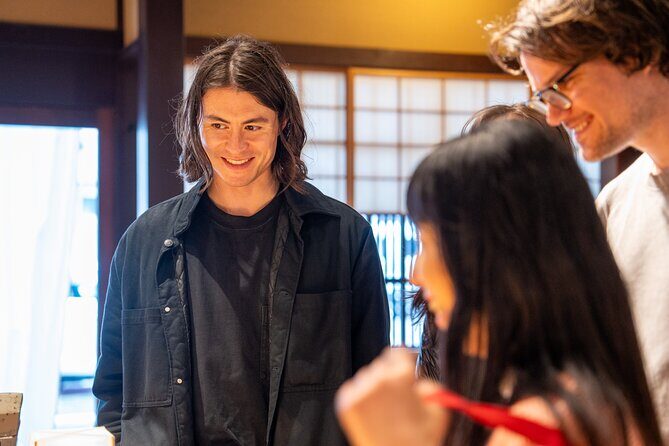
You begin by visiting a local shop for traditional Japanese sweets, guided by a friendly English-speaking expert. This first stop might sound like a warm-up, but it actually makes the whole class easier to enjoy.
Why? Because it gives you an immediate flavor baseline. Kyoto sweets often have a gentle sweetness and a texture that’s very different from Western desserts. Once you taste those flavors early, you’ll know what kind of sweetness the later matcha pairing is aiming for.
Another practical benefit: it slows you down on purpose. Sushi experiences can feel rushed if you’re hungry and scanning menus in your head. This start keeps you from sprinting mentally. You’re in the right mode when you step into the sushi restaurant.
And yes, you’ll end up using those sweets again at the end with matcha, so it’s not wasted time. It’s part of the flow.
Inside the Sushi Restaurant: Meet the Taisho Chef
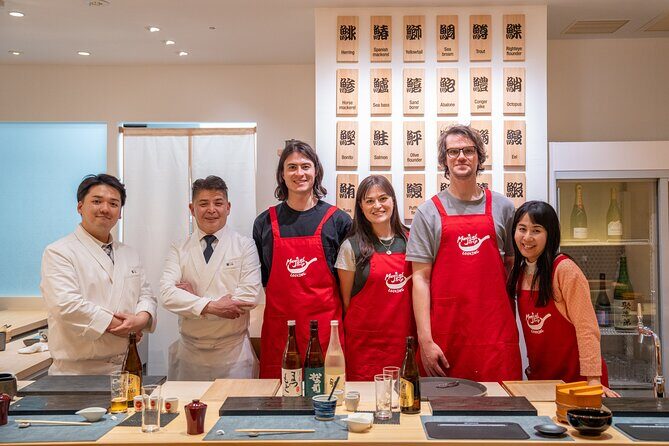
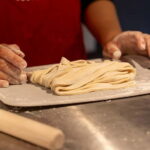
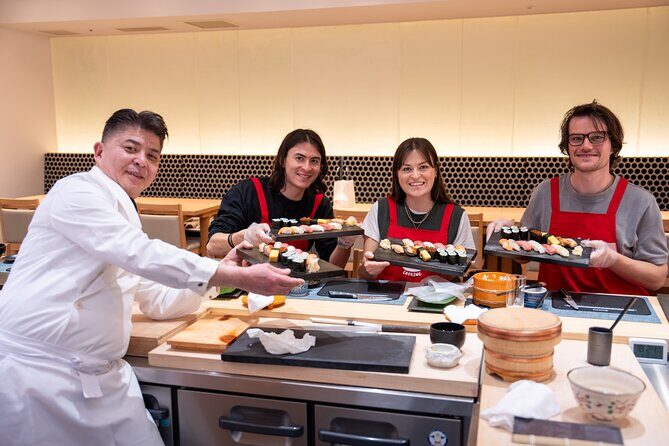
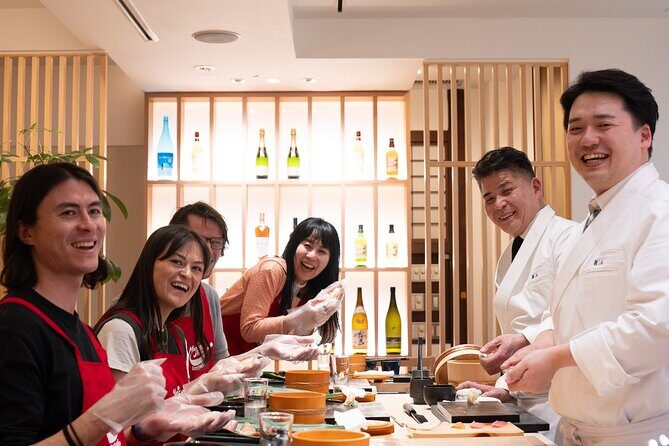
The heart of the class is time with a professional Taisho chef in a real sushi setting. You’ll watch precise work first: how fish is handled, how sushi is shaped, and how the chef thinks about balance and portion size.
Then comes the part you’re really paying for: you learn to make your own sushi with guidance at each step. The chef’s role is direct, but you’re not just standing there. You’ll participate in shaping and assembling.
One key detail that makes this class visitor-friendly: the Taisho handles the slicing. That means you don’t have to manage sharp knives or worry about cutting fish incorrectly. You still learn the technique that matters for your final plate: rice handling, molding, and assembling.
If you want to take home the feeling of sushi craft, this is the right approach. You’re learning the steps you can reliably repeat later, not just watching the scary parts.
The 9 Nigiri and Roll Sushi You’ll Actually Make
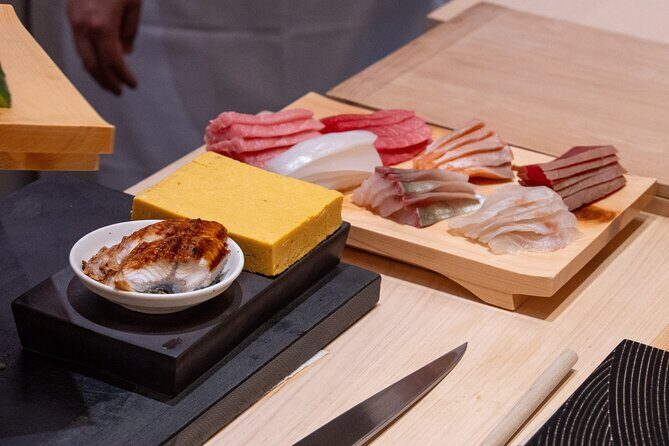
You’ll learn to make a set that includes 9 nigiri plus roll sushi. That sounds like a lot, and it is, but the class is structured so it doesn’t turn into a blur of rice disasters.
Here’s what you should focus on while you’re working:
- Rice portion and texture: sushi rice should feel consistent, not dry or overly loose.
- Shape and firmness: you want a tidy form that still feels light.
- Balance with toppings and fillings: too much or too little throws off the bite.
- Gentle handling: sushi doesn’t like rough treatment.
The value of making so many pieces is repetition. Even if you only get a few tries on each type, the class gives you enough practice to understand what you’re doing wrong or right. I like that it’s not just one demonstration piece followed by eating. You leave with muscle memory.
This is also where small-group attention really shows. With max 8 people, you can ask quick questions and get corrections without waiting for a full reset.
Tempura Set and the Role of Hot Food in Sushi
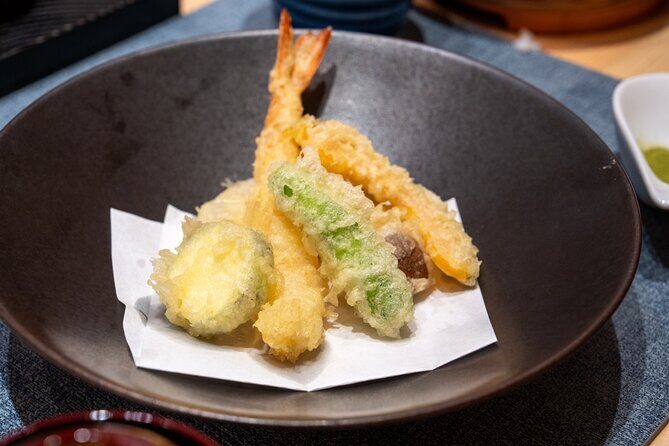
After shaping and tasting nigiri and rolls, you’ll also enjoy a tempura set prepared by the chef. Tempura changes the whole rhythm of your meal because it’s hot, crisp, and comforting in a way raw fish and sushi rice can’t be.
This matters because sushi-only tastings can feel one-note if you’re not used to it. Adding tempura gives you contrast: crisp batter against soft rice, and a warm finish to the savory sequence.
One review I really took to heart was how people described the tempura as the best they’d had in Japan. Even if everyone’s palate differs, that kind of feedback usually points to two things that matter to you: freshness and good technique. You’re not eating a lukewarm side. You’re eating a deliberate course that supports the sushi.




Drinks, Sake Tastings, and Pairing Tips You Can Reuse
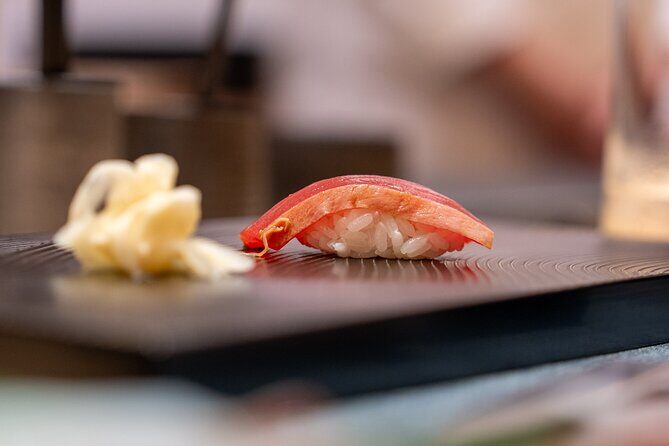
You get two drinks plus sake tastings, and the guide gives pairing tips so you understand what you’re tasting. This part is more useful than it sounds because it turns sake from a random add-on into a tool.
In plain terms, you’ll start noticing how different sake styles can:
- change how the fish tastes,
- shift rice sweetness,
- and affect the overall salt balance of sushi.
And because you’re trying sake alongside bites you made yourself, you’ll remember the logic better. It’s one thing to hear pairing advice in a classroom. It’s another to test it with the sushi on your plate.
If you’re a foodie, this is the section that can level up your future ordering back home. Even if you don’t become a sake expert, you’ll have a few pairing ideas you can apply when you see labels and menus.
Matcha in a Kyoto-Style Garden: Finish With a Ritual
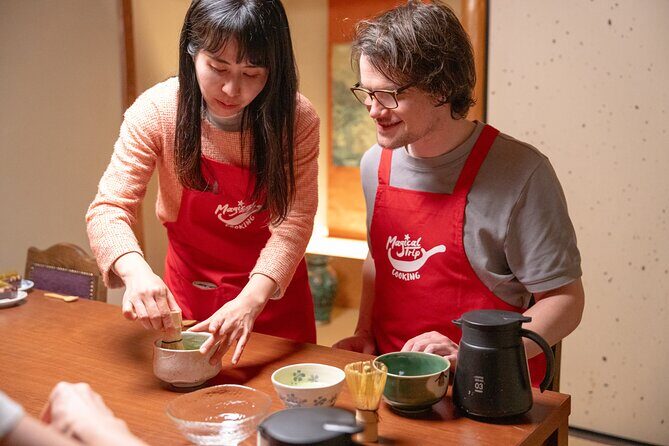
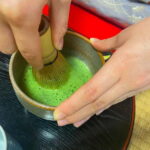
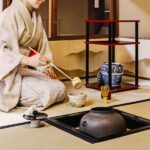
The experience ends with a calm, Kyoto-style garden moment. You’ll whisk matcha and enjoy it with the Japanese sweets you chose at the start.
This is a smart ending. After fish, rice, and tempura, matcha gives you a different texture and aroma. It also resets your palate before you’re fully done eating.
More importantly, this is a hands-on cultural skill. Whisking matcha isn’t just about drinking a green beverage. You learn the basic method and you see why the ceremony matters to taste and texture. Done right, matcha feels smooth and even, not gritty.
I like that it’s not rushed. The garden setting gives you a breather after the energy of making and tasting sushi.
Price and Value: Is $163.30 Worth It?
At about $163.30 per person for roughly 3.5 hours, this isn’t a budget activity. But it can be good value for the right traveler, and here’s why.
You’re paying for:
- a professional Taisho chef experience (not a generic cooking demo),
- hands-on practice with 9 nigiri and roll sushi,
- tempura, two drinks, and sake tastings,
- plus matcha and traditional sweets.
In other words, the price isn’t just for rice shaping. It’s for a full food sequence with guided instruction and tasting included. Also, the max 8 group size adds value because it reduces waiting and increases attention.
The biggest factor is your goal. If you want to eat sushi in Kyoto, you can do that for less. If you want to learn the process, understand the flavor logic (especially sake), and walk away with a skill you can replicate, this is more defensible.
One small consideration: the chef handles slicing, so this is not the kind of class where you leave with advanced knife skills. You’re learning assembly and technique you can safely practice later.
Who This Sushi Experience Is Best For
This class fits well if you:
- love sushi but want to understand it beyond ordering,
- want hands-on cooking without stressful knife work,
- enjoy food pairing (especially sake),
- travel in a small group or as a couple, solo, or with kids age 4+.
It’s also a good choice if you’re visiting Kyoto for the food culture and want something that feels local and skill-focused, not just a restaurant meal.
If you’re the type who wants a long, slow meal with lots of sitting and watching, you might find the structure busy. But if you like doing, tasting, and asking questions, you’ll probably enjoy the pace.
And if you’re celebrating something, this small setting is a nice fit. You get a sense of occasion without being overly formal.
Small Details That Make or Break the Experience
A few practical pieces are worth noting because they affect how smooth your evening feels:
- English-speaking guidance: you can follow along without stress.
- Mobile ticket: fewer paper issues when you arrive.
- Near public transportation: you’re not stuck coordinating a taxi right away.
- Ends where it starts: easy return plans.
Also, confirmation comes at booking, and free cancellation is available if plans change. If you’re flexible, you can hold a spot while you lock in the rest of your Kyoto schedule.
One name that stood out in feedback was guide Ayuri. People appreciated her guidance and the fact that she made the experience feel friendly, not stiff.
Should You Book This Kyoto Sushi Making Class?
I’d book it if your goal is skill plus taste. You’ll make a lot of sushi, eat tempura, try sake with pairing tips, and finish with matcha in a Kyoto-style garden. It’s structured, small-group, and guided in a way that keeps beginners comfortable.
Skip it if you’re mainly after the cheapest sushi you can find, or if you specifically want to practice knife cutting yourself. Here, the chef does the slicing, and your learning is about assembly and technique you can repeat.
If you’re on the fence, a helpful way to decide is this: do you want to walk away with knowledge you can use at home? If yes, this class has a strong chance of being worth it.
FAQ
What’s the duration of the Kyoto sushi making experience?
The experience lasts about 3 hours 30 minutes.
What sushi and food are included?
You’ll make 9 nigiri and roll sushi, enjoy a tempura set, have two drinks, do sake tastings, whisk matcha, and enjoy Japanese sweets.
Do I need Japanese language skills?
No. The guide speaks English, so you can follow along without Japanese knowledge.
Will I use a knife during the class?
The Taisho chef handles the slicing, so you don’t need to manage sharp knives.
How many people are in the group?
The class has a maximum of 8 travelers.
Where does the experience start?
It starts at Diesel604 Banochō, Nakagyo Ward, Kyoto, and it ends back at the meeting point.
What is the cancellation policy?
You can cancel for free up to 24 hours before the experience’s start time for a full refund. Changes within 24 hours aren’t accepted, and late cancellations aren’t refunded.