REVIEW · TEA CEREMONY EXPERIENCES
Kyoto Private Tea Ceremony with Tea Master at Home
Book on Viator →Operated by SAKURA Experience Japanese Culture Nijo Home · Bookable on Viator
Tea at a real Kyoto home feels oddly powerful. This Kyoto private tea ceremony with Aya-sensei turns a quiet room (Koma and Hiroma) into a lesson you can actually feel, from ceremonial bowing to whisking matcha the traditional way. I like that it is private and carefully paced, so you can ask questions instead of racing through a script.
I also love the food side: you get three types of seasonal wagashi from a long-established confectioner, and they are gluten-free and vegan, which makes it much easier to enjoy without stress. One drawback to plan for: the rules are firm. Socks, sleeves, no fragrance, and arriving on time matter, and if you miss the start window you may not be able to join.
In This Review
- Key things that make this experience worth it
- Tea ceremony in a Kyoto home, not a staged show
- What you’ll learn in the tea ceremony (and why it’s useful)
- The sweets break: three kinds of wagashi that fit your diet
- Matcha practice: whisking the traditional way with Uji tea
- Tea room etiquette: socks, sleeves, no perfume, and arriving on time
- Location near Nijo Castle: easy to fit into a Kyoto day
- Price and value: what $99.08 buys you (and why it’s not just “a tea”)
- Who this Kyoto tea ceremony suits best
- Should you book this private tea ceremony in Kyoto?
- FAQ
- How long is the Kyoto private tea ceremony experience?
- Is this experience private?
- What is included in the price?
- Are kimono rentals included?
- Are the sweets suitable for vegan or gluten-free diets?
- Do I need to wear socks in the tea room?
- Is there an age limit for children?
- What happens if I arrive late?
- Where does the experience start?
Key things that make this experience worth it
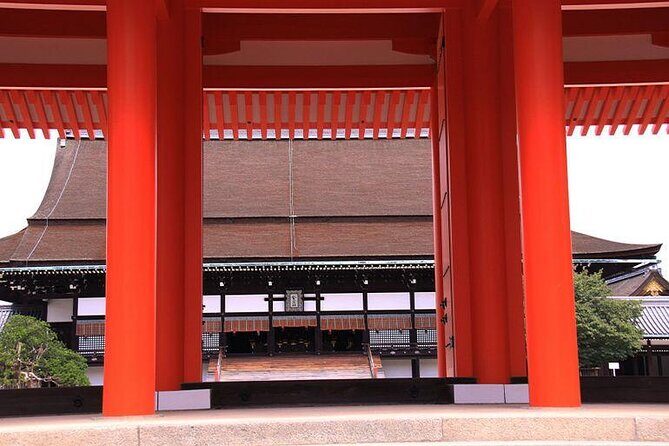
- A licensed tea master-led session in a local home near Nijo Castle, not a crowded showroom
- Hands-on matcha making with a bamboo whisk and time to get it right
- Three seasonal wagashi designed to fit many diets (gluten-free and vegan)
- Meaningful souvenirs: a short tea ceremony booklet plus the memory of the etiquette you practice
- Practical comfort details like small chairs available if you need them, while still protecting tatami with socks
Tea ceremony in a Kyoto home, not a staged show
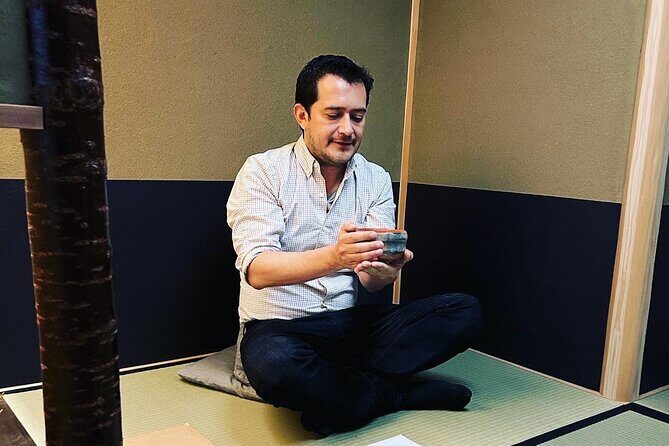
The biggest thing you’re buying here is context. In many Kyoto “tea experiences,” you watch a performance and move on. In this one, you step into the tea room of a private residence, where the ceremony is treated like a living art. That matters because tea isn’t just a drink. It’s timing, attention, and respect for the space you’re in.
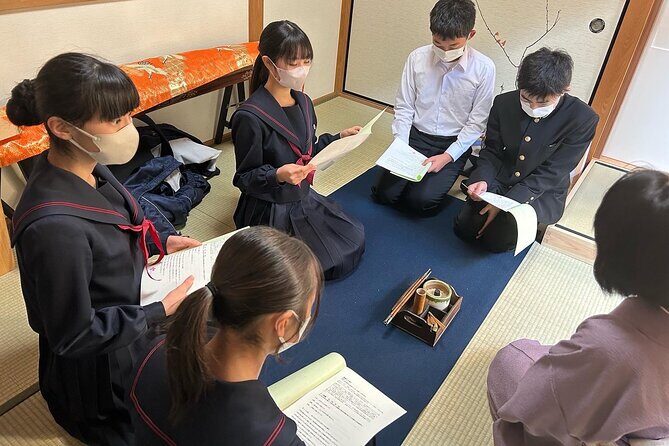
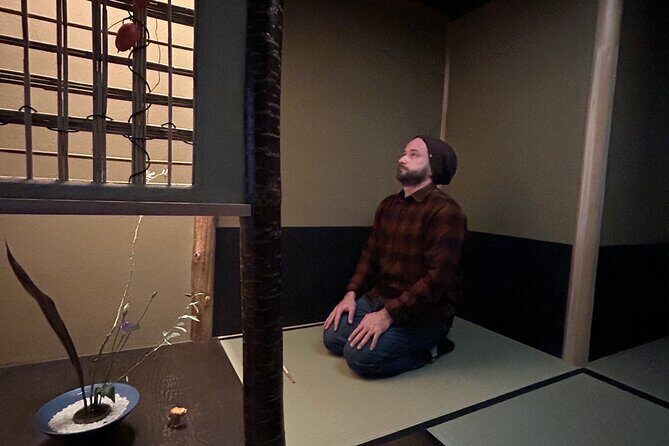
The host team is led by Aya-sensei, a tea master guiding the session in a calm, structured way. The home is set up with traditional tea rooms (Koma and Hiroma), so you’re not picturing what tatami and sliding doors feel like. You’re actually inside that world, with the ceremony pace set by the teacher, not by a tour bus schedule.
Also, this place is described as a quiet retreat used by dignitaries and museum/cultural professionals. You don’t need that detail to enjoy it, but it helps explain why the atmosphere feels “handled with care.” The session is designed to be respectful, not loud.
You can also read our reviews of more private tours in Kyoto

What you’ll learn in the tea ceremony (and why it’s useful)
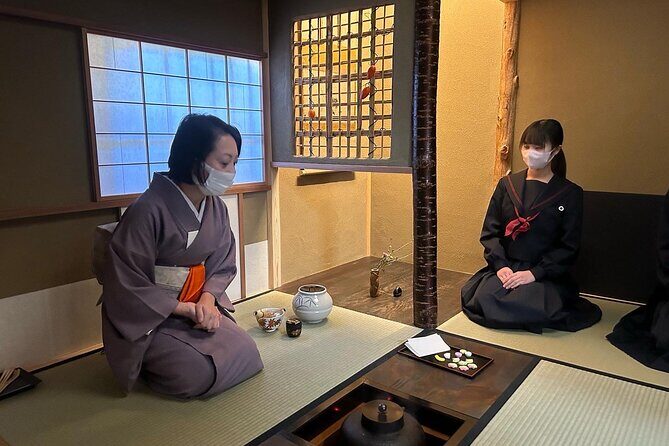
You’ll spend about an hour learning how tea ceremony works as etiquette, not just technique. That sounds abstract, so here’s what it means in practice.
First, Aya-sensei explains the spirit of the ceremony: the focus on harmony, mindfulness, and careful gestures. Then she walks you through the procedures step by step so you understand what you’re doing and why your movement matters. You’re not only copying motions. You’re getting the meaning behind them, which is what makes tea ceremony click after you leave.
Second, you practice parts of the ritual yourself. That’s a big deal. Watching someone whisk matcha is one thing. Feeling the rhythm of the whisk, learning the proper way to receive and handle sweets, and understanding how to sit and respond changes how you experience the entire ceremony. Several past participants highlighted that the hour isn’t just informative; it’s hands-on and easy to follow, even for visitors new to the culture.
And third, you get a take-home booklet. It’s described as a concise guide to the spirit and etiquette of tea. That’s useful for two reasons: it helps you remember what you were taught, and it gives you a quick reference if you want to try explaining tea ceremony at home later without guessing.
The sweets break: three kinds of wagashi that fit your diet
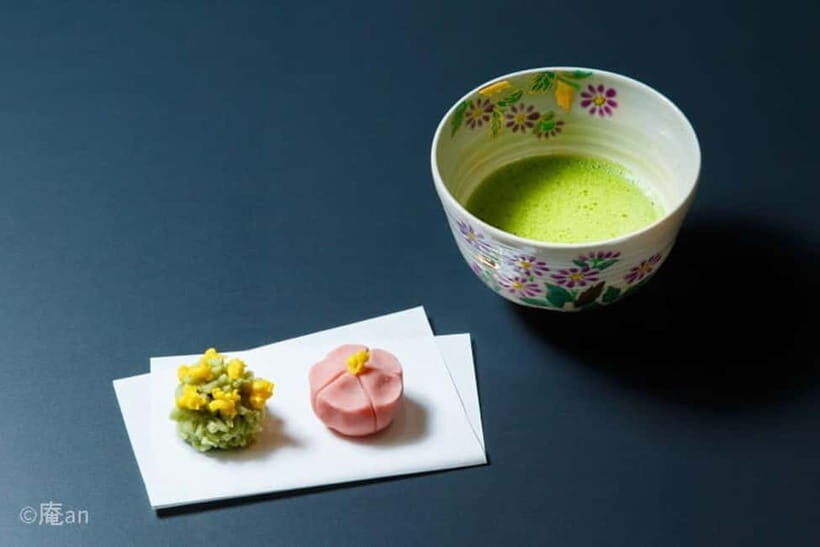
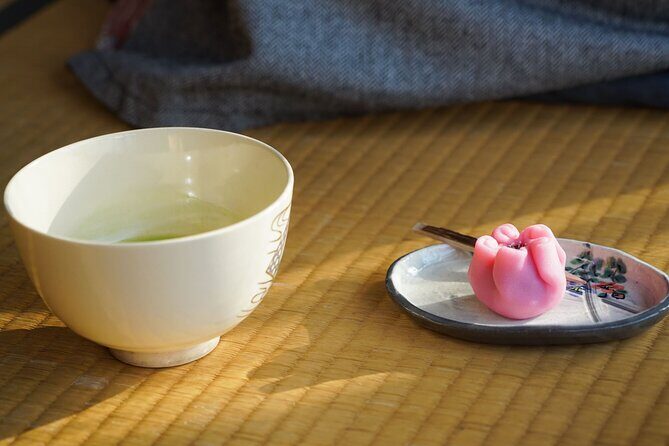
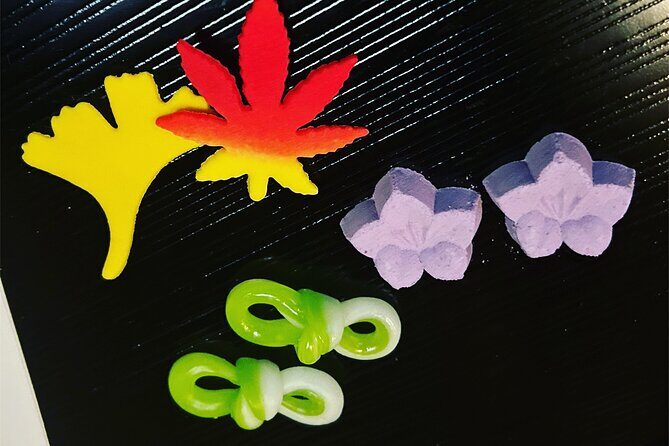
Tea ceremony isn’t all matcha. The snacks matter, because wagashi are part of how the host introduces season and mood. Here, you’ll enjoy three different types of Japanese sweets (wagashi). They’re seasonal and prepared by a long-established Kyoto confectioner.
The best practical detail is dietary: the sweets are gluten-free and vegan, which supports many diets without turning the experience into a negotiation. Kyoto food can be amazing, but “can I eat this?” can turn into a stress spiral. This setup aims to remove that friction so you can focus on tasting and etiquette instead.
When you’re in the tea room, you’ll be guided on how to enjoy the sweets in the intended way. Think of it as taste + timing. You’re not speed-eating. You’re experiencing. That slow pace is one of the reasons this kind of private class can be a highlight of your trip, especially if you enjoy quiet, thoughtful activities.
Matcha practice: whisking the traditional way with Uji tea
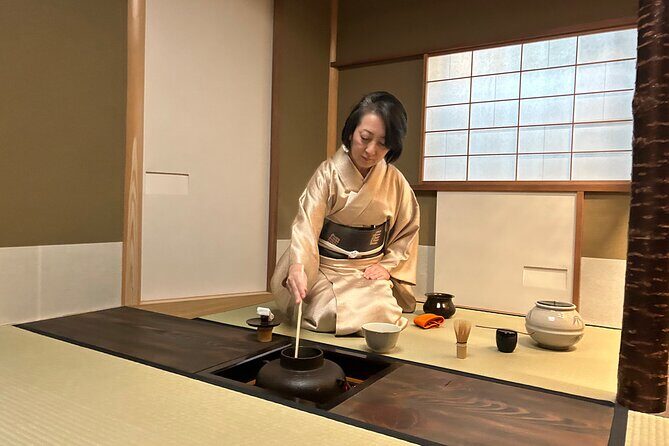
Now for the main event: matcha.
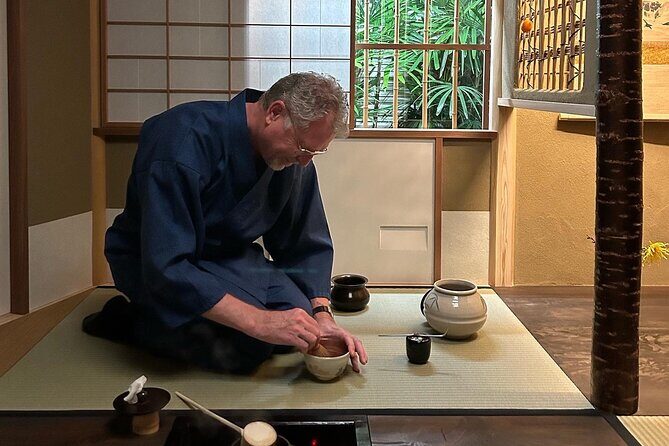
You’ll learn to prepare matcha using a bamboo whisk, and you’ll do it as part of the hands-on experience. The session includes demonstration plus guided preparation, so you’re not staring at tools wondering what to do. Aya-sensei provides step-by-step explanation, and past guests repeatedly mentioned that she is patient and makes it easy to ask questions.
You’ll also drink matcha: the package includes two bowls of matcha prepared with the original blended matcha from Uji. Uji is a historic tea-growing area, and that “from the garden” story matters because it ties the flavor to place, not just marketing. Even if you already like matcha, tasting it in a ceremony setting changes how you notice it. You’re paying attention to texture, aroma, and the way sweetness (from wagashi) shifts how the matcha tastes.
One more practical detail: you don’t need to be confident. The class is designed for people who are new to tea ceremony. That’s part of the value of hiring a tea master privately. You get correction, not just narration.
Tea room etiquette: socks, sleeves, no perfume, and arriving on time
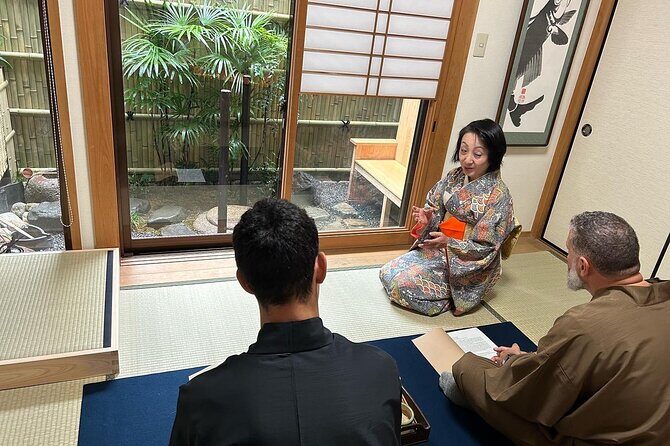
This experience has boundaries, and those boundaries make the room work. If you want tea ceremony as a calm ritual, the rules protect that calm.
Here’s what you should plan for before you arrive:
- Wear socks (not bare feet) to protect tatami mats and for hygiene. If you forget, socks can be purchased on site.
- Wear long pants or a long skirt, plus a top with sleeves. Sleeveless tops, shorts, and mini skirts are not permitted.
- Avoid perfume and fragrances, including musk-based scents. If you show up wearing fragrance, you may be asked to remove it before entering.
- Be on time. Arriving more than 15 minutes after the start means you won’t be able to participate, and no refund is provided.
This sounds strict, but it’s also fair. Tea ceremony isn’t the right place to improvise your clothing plan. If you follow these rules, you’ll feel the difference immediately: less worry, smoother pacing, and a room that stays quiet enough to hear the whisk and feel the rhythm.
One comfort note: small chairs are available for guests who need them. So if kneeling on tatami isn’t your thing, you can still participate.






Location near Nijo Castle: easy to fit into a Kyoto day
The meeting point is Sakura Experience Japanese Culture Nijo Home in Izumichō, Nakagyo Ward, Kyoto, near public transportation. It’s also close to Nijo Castle, and one past guest described it as about a six-minute walk from Hotel Mitsui. That gives you a helpful mental map: you can treat this as a morning or afternoon activity and then walk toward major sights right after.
Because it runs about an hour, it’s easier to schedule than longer craft classes that eat up half a day. Also, it’s a private experience, so you’re not trapped waiting for a whole busload to finish.
If you’re building your day around quieter Kyoto, I’d pair this with nearby cultural stops, then keep the rest of your afternoon flexible. Tea ceremony sets a slow, reflective mood. If you immediately jump into hectic shopping streets, you’ll feel like you swapped trains mid-ride.
Price and value: what $99.08 buys you (and why it’s not just “a tea”)
At $99.08 per person for about an hour, this isn’t a budget activity. So the real question is value: what’s included, and how much of it is hands-on?
You receive:
- Three types of handcrafted wagashi
- A tea ceremony booklet to take home
- Demonstration and hands-on matcha preparation by the tea master
- Two bowls of matcha made from the original blended matcha from Uji
What you’re not paying extra for is the chance to repeat the process in a private setting. Many tea classes give you a quick taste and a quick watch. Here, the ceremony is taught as a sequence you can participate in, which is why past guests described it as a highlight that lasted for days.
Another value angle is dietary compatibility. If you’ve ever had to sit out sweets because of restrictions, you know how much that costs in enjoyment. The gluten-free and vegan wagashi alone can make the experience feel “built for you,” not “adapted for you.”
Finally, privacy is part of the cost. You get a calm room, direct attention, and the ability to move at the teacher’s pace. If you like guided experiences with real cultural depth, this price can feel like a smart trade: less sightseeing time, more meaning.
Who this Kyoto tea ceremony suits best
This tea ceremony is best for you if you want:
- A quiet, respectful Kyoto cultural experience
- Clear instruction and hands-on practice with matcha
- A setting that feels local, inside a real home
- A teacher who makes space for questions (past reviews praised Aya-sensei’s warmth and friendliness, and that she speaks excellent English)
It may be less ideal if:
- You’re traveling with children aged 13 and under, since children in that age range are not permitted
- You’re not willing to follow strict etiquette rules (socks, sleeves, no fragrance, and punctuality)
- You want something fast and loud. This is a one-hour ritual, not a high-energy show
Overall, it’s a strong fit for couples, solo travelers who like calm experiences, and families with teens who can follow etiquette guidelines.
Should you book this private tea ceremony in Kyoto?
I think you should book it if your idea of a great Kyoto memory is a slow ritual done well. This experience is built around the stuff that’s hard to fake: the teacher-led pacing, the hands-on matcha making, and the quiet etiquette that turns tea into a full cultural moment.
It’s also a practical win if you have dietary concerns. Gluten-free and vegan wagashi are included, so you’re not hoping the kitchen can figure it out last minute.
Before you book, do a quick self-check. Can you show up on time, wear socks and sleeves, and leave perfume at home? If yes, you’ll likely walk away feeling like you learned something real, not just collected a photo.
If your plans are still moving around, this experience offers free cancellation up to 24 hours in advance for a full refund, which makes it easier to hold while you fine-tune your Kyoto schedule.
FAQ
How long is the Kyoto private tea ceremony experience?
It runs for about 1 hour.
Is this experience private?
Yes. It is a private tour or activity, so only your group participates.
What is included in the price?
You get three types of seasonal wagashi, tea ceremony instruction with demonstration and hands-on matcha preparation, a tea ceremony booklet souvenir, and two bowls of matcha made from an original blended matcha from Uji.
Are kimono rentals included?
No, kimono rental is not included.
Are the sweets suitable for vegan or gluten-free diets?
Yes. The snacks are described as gluten-free and vegan.
Do I need to wear socks in the tea room?
Yes. Socks are required for hygiene and to protect the tatami mats. Socks can be purchased on site if you forget.
Is there an age limit for children?
Yes. Children aged 13 and under are not permitted to join the class.
What happens if I arrive late?
If you arrive more than 15 minutes after the start time, you won’t be able to participate, and no refund can be provided.
Where does the experience start?
It starts at さくら日本文化体験 二条城教室 / SAKURA Experience Japanese Culture Nijo Home, 660番地 Izumichō, Nakagyo Ward, Kyoto 604-0015, Japan, and ends back at the meeting point.