REVIEW · KYOTO CRAFT WORKSHOPS
Kyoto Ninenzaka : Japanese Calligraphy Class in Townhouse
Book on GetYourGuide →Operated by Kangetsu Kyoto · Bookable on GetYourGuide
A brush, a hush, and Kyoto calm. This 50-minute Japanese calligraphy class near Kiyomizu Temple and Ninenzaka teaches shodō fundamentals step by step, then lets you take your writing home. The location alone is a treat, since you’re right where Kyoto tourists slow down to soak in old-street charm.
I love that it’s truly beginner-friendly. You get guided instruction on tools, brush pressure, and the meditative prep of paper, even if you have zero Japanese or art experience. One thing to keep in mind: the class is short, so you’ll leave with a strong start, not total calligraphy mastery.
You’ll also like the practical payoff. Your final piece becomes a real take-home souvenir, not a souvenir-size print, and the tone stays calm and focused throughout.
In This Review
- Key highlights worth your attention
- Finding the Ninenzaka townhouse base near Kiyomizu Temple
- 50 minutes of shodō: what happens in the class
- Tools you’ll learn to use: brushes, ink stick, inkstone, paperweight
- Brush control for beginners: pressure, lines, dots, sweeps
- Writing basic kanji with proper balance and spacing
- The calming Kyoto rhythm: why the atmosphere matters
- Your take-home souvenir: keep the calligraphy, not just the photos
- Price and value: is $49 for 50 minutes fair?
- Practical tips: socks, clean clothes, and what to avoid
- Who this Kyoto shodō class is best for
- Quick reality check on kimono and what’s extra
- Should you book this Kyoto Ninenzaka calligraphy class?
- FAQ
- How long is the Japanese calligraphy class?
- Where do I meet for the class near Kiyomizu Temple?
- What is the price per person?
- Do I need Japanese language or art experience?
- What’s included in the class?
- Is a kimono included?
- What should I bring?
- Are pets, luggage, and selfie sticks allowed?
Key highlights worth your attention
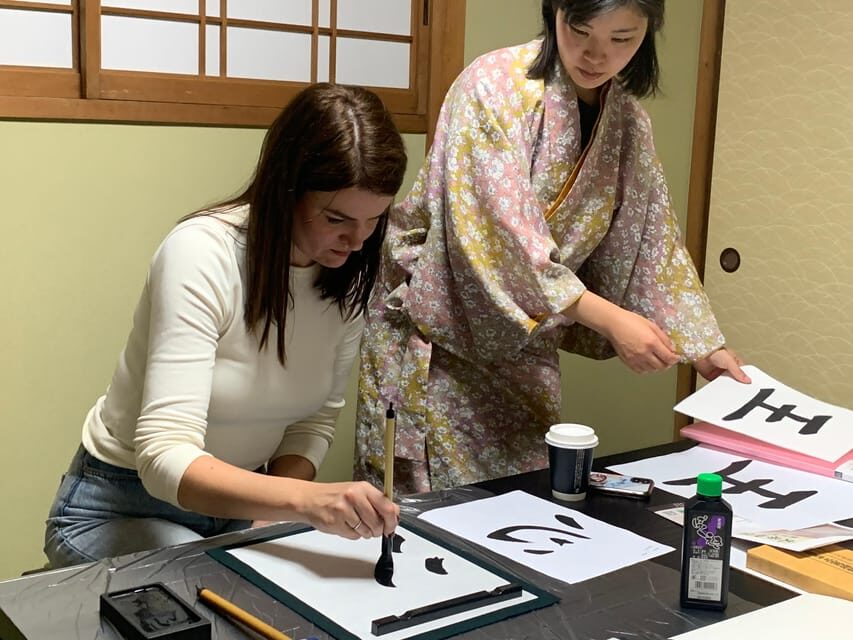
- Small-townhouse setting near Kiyomizu Temple and Ninenzaka, easy to reach on foot
- Hands-on shodō instruction that teaches brush handling and stroke basics
- Beginner support covering tools, paper prep, and layout for balance in kanji
- Take-home keepsake: your finished calligraphy piece
- A peaceful pace designed for concentration, not rushing
- English instruction with a master and assistant guiding you through each step
Finding the Ninenzaka townhouse base near Kiyomizu Temple
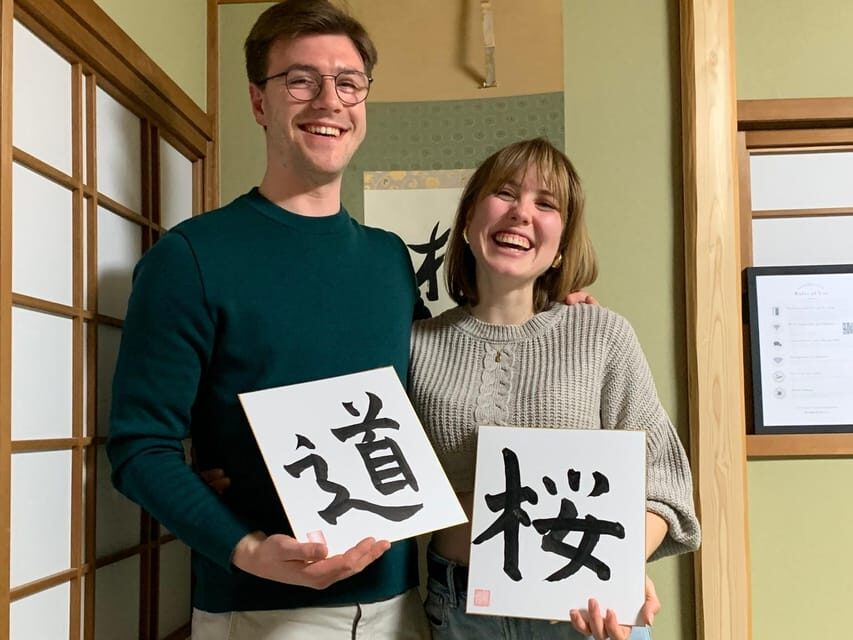
This class starts in a Kyoto townhouse area by Kiyomizu Temple, tucked near the end of the alley next to Starbucks on Ninenzaka. That meeting point matters because Ninenzaka is one of those streets where everything looks like it might be right. If you’re walking from Kiyomizu Temple, slow down and treat the alley like a mini quest: you’re looking for that Starbucks landmark, then the townhouse entrance at the alley end.
Why I like this location for a class: it keeps the experience grounded. You’re not commuting far, and you can plan your calligraphy slot like part of a larger Kyoto walking day. After you finish, it’s natural to wander the Ninenzaka lanes and work off any ink-smudge anxiety by simply enjoying the street atmosphere.
You can also read our reviews of more tours and experiences in Kyoto

50 minutes of shodō: what happens in the class
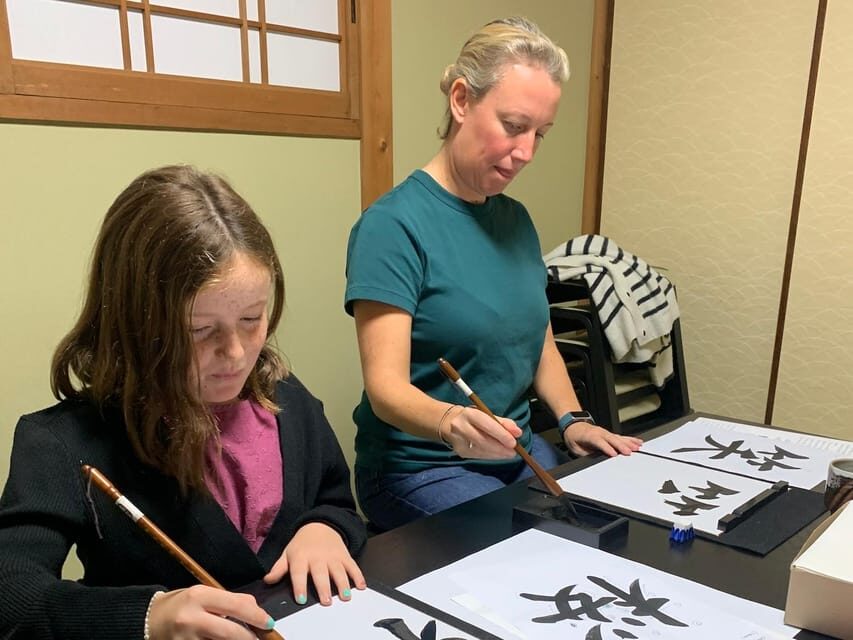
The structure is straightforward, and that’s a big part of why this works for beginners. You’re guided through a full arc: from what calligraphy is, to how to handle the tools, to making your first simple kanji with correct balance.
Here’s the flow you can expect:
First, you get an introduction to calligraphy and its background—history, cultural context, and the key ideas behind shodō. This isn’t just trivia. It helps you understand why strokes matter, why pressure changes the character, and why the act of writing feels almost like a quiet ritual.
Then you move into the tools. You’ll learn what each item is for and how to care for it: brushes, ink sticks, an inkstone, and writing paper. This is useful because calligraphy tools behave differently than typical pens and pencils. If you treat them like normal writing instruments, your strokes will look off fast. The class helps you reset that expectation.
After that comes brush handling. This part is practical: how to hold the brush, how to adjust pressure, and how to control the look of the stroke as you move. You’ll also practice the kind of basic components that make kanji possible—lines, strokes, and dots or sweeps.
From there, you prepare your paper. You’ll learn how to use the writing paper and a paperweight, and you’ll feel the shift from instruction mode to concentration mode. Calligraphy paper prep isn’t busywork. It sets your pace and makes you less likely to rush.
Finally, you write basic kanji characters with attention to vertical and horizontal balance and proper placement. The goal isn’t artistic perfection. It’s correct structure and a clean sense of spacing. The class also uses seasonal themes and expressions, which gives your finished work extra meaning and makes the piece feel more like yours.
Tools you’ll learn to use: brushes, ink stick, inkstone, paperweight
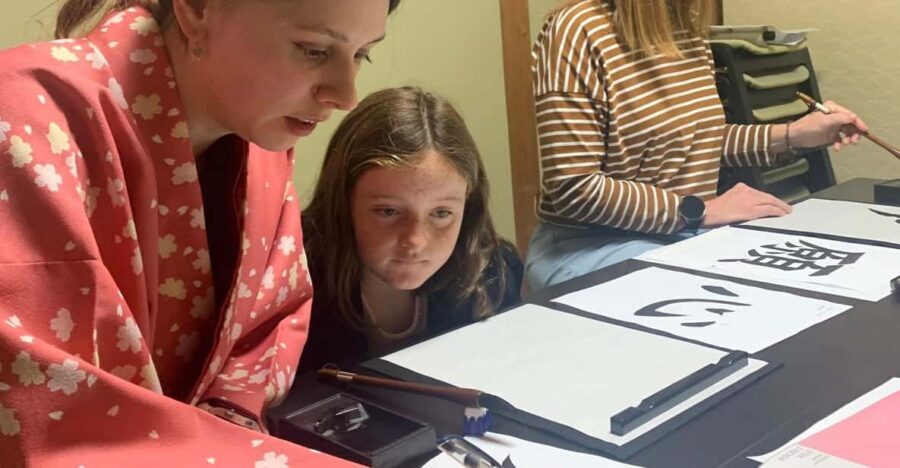
If you’ve never used an ink stick before, this class gives you the full picture. You’re not just handed ink like a bottle-and-go situation. You learn how the ink is made and used, which helps you understand how the stroke ends up looking the way it does.
You’ll cover:
- Brushes: how to hold them and how pressure changes the stroke
- Ink stick and inkstone: how to handle the ink process
- Writing paper plus a paperweight: how to position and stabilize your sheet
Why this matters for value: $49 for 50 minutes can feel short on paper, but learning the tool basics quickly is the difference between an enjoyable attempt and a frustrating one. This class spends time on what actually controls the final look. Even if you keep the piece as a souvenir, you’ll remember the process because you understood it, not just copied it.
Brush control for beginners: pressure, lines, dots, sweeps
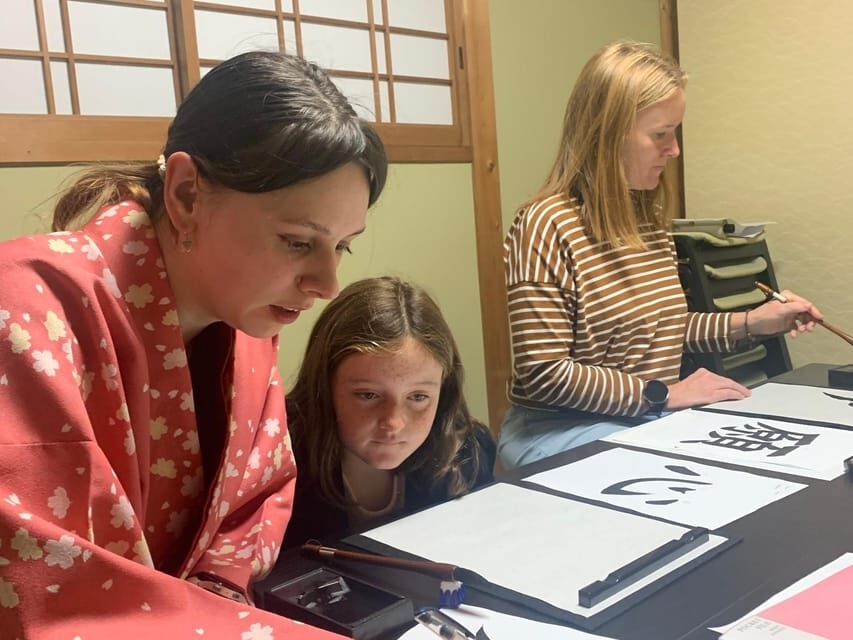
The most important skill you’ll practice is basic brush control. That includes:
- How to hold the brush so you’re not strangling it
- How to adjust pressure to avoid weak, blotchy strokes
- How to execute lines cleanly
- How to handle dots or sweeps, which can look easy until you try them
The class guidance here is patient and direct, with a master and an assistant supporting the flow. That pairing is handy because one instructor can show the technique while the other helps you correct what you’re doing in real time. It’s also a relief if your hand gets shaky when you try something unfamiliar.
A small heads-up: brush techniques can feel slightly different immediately. Your brain wants to steer like a pen. Brush writing asks for a different kind of control—less force, more intention. If you let the first strokes look imperfect, you’ll get the hang of it faster.
Writing basic kanji with proper balance and spacing
Once you’re comfortable with the basics, you move to writing simple kanji characters. The class focuses on vertical and horizontal balance and on where each component sits within the character.
This part is where beginners often worry: Will my character look wrong? Here’s the better approach: treat it like layout training. Spacing and balance are the skeleton of kanji. If you get that right, the character reads correctly even if one stroke isn’t your best.
Also, the class adds cultural depth through seasonal themes and expressions. That means your practice doesn’t feel like copying random shapes. Instead, you’ll be writing something with a context, which makes the final keepsake more meaningful.






The calming Kyoto rhythm: why the atmosphere matters
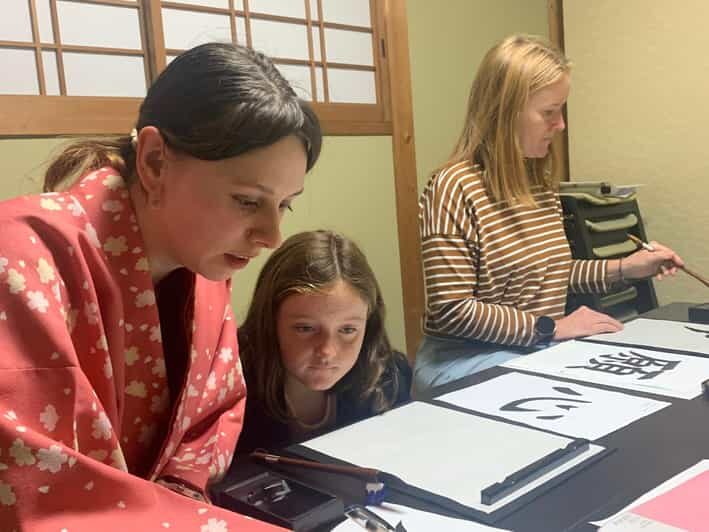
This is the kind of activity that benefits from a calm head. The townhouse setting plus the quiet nature of shodō make it easier to focus. You’re working with ink, paper, and careful brush movement—not noisy props or fast-paced games.
That atmosphere is part of what people love about the class: it feels like Kyoto rather than a theme-park craft. You step into a peaceful mindset, learn practical technique, and then leave with a physical reminder of the moment.
If you’re the type who gets overwhelmed by busy schedules, this is a good fit. A 50-minute block is short enough to stay comfortable, but long enough to actually finish something you can hold.
Your take-home souvenir: keep the calligraphy, not just the photos
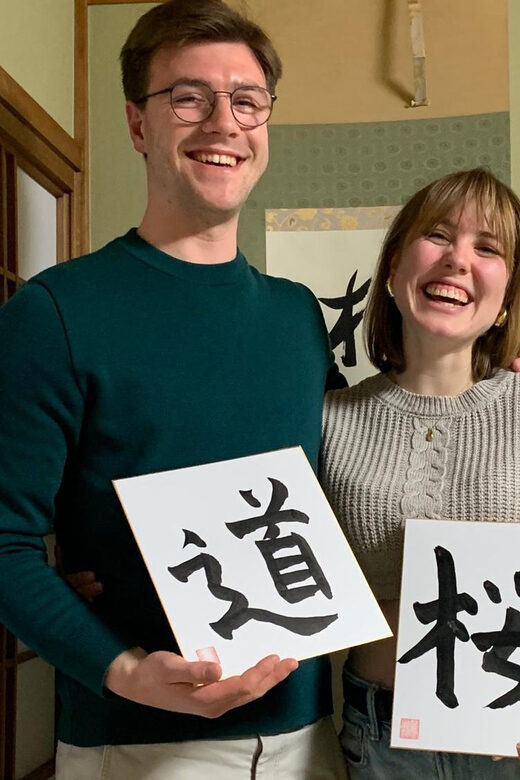
At the end, you keep your calligraphy. That’s not a throwaway line—it’s a major reason the class feels like a real experience instead of a one-and-done novelty.
To make this worth it for you, think about how you’ll store it:
- Bring a plan for handling damp ink areas right after class
- Decide ahead of time if you’ll frame it or carry it in protective packaging later
Even if you’re not a calligraphy collector, it’s a tangible memory that beats an extra photo card. You’ll also know what you did: the lesson connects the tool skills to the final strokes, so the keepsake feels earned.
Price and value: is $49 for 50 minutes fair?
At $49 per person for about 50 minutes, this class sits in the reasonable range for a hands-on cultural workshop in central Kyoto. What makes it good value isn’t just the time length. It’s what you’re getting with it.
You receive:
- Experienced instructors and careful guidance
- Practice time that covers tools, technique, and basic kanji layout
- An original booklet about calligraphy
The booklet matters more than you might think. It gives you a way to continue learning after the class, instead of forgetting everything the moment you step back into the street noise. Add the fact that you’ll leave with an actual piece of writing, and the price becomes easier to justify.
One cost consideration: transportation isn’t included. If you’re already walking around Kiyomizu Temple and Ninenzaka, that’s a non-issue. If you’re coming from farther out, factor in how long your walk or transit will take.
Practical tips: socks, clean clothes, and what to avoid
This class has a few rules that are there for a reason. They keep things calm and protect the materials. Plan for them so you don’t feel rushed.
What you should bring:
- Socks
- Clothes that can get dirty
Socks are required. If you don’t have them on the day, you can get socks provided for a fee.
What to avoid (because they’re not allowed):
- Pets
- Baby strollers
- Smoking
- Luggage or large bags
- Selfie sticks
- Making noise indoors
- Alcohol and drugs
Small advice: wear something you can sit in comfortably for 50 minutes and that won’t stress you out if you get a tiny ink spot. Calligraphy is supposed to be a focused craft, not a fashion show with stakes.
Who this Kyoto shodō class is best for
This class is a strong match if you:
- Are a complete beginner and want real technique, not just decoration
- Want a quiet, meaningful cultural activity while walking Kyoto streets nearby
- Like taking home something you made yourself
- Prefer English instruction and clear step-by-step help
It may not be ideal if you:
- Want a long, intensive course with lots of repetition
- Bring children under 10 (it isn’t suitable for that age group)
- Need to travel with strollers, pets, or large bags (these aren’t allowed)
Quick reality check on kimono and what’s extra
A kimono option exists, but it’s not included. If you want a 2-piece kimono, it’s available as an additional paid add-on. For planning, treat it as optional, not guaranteed, and plan your time accordingly so you can still enjoy the walk around Ninenzaka and Kiyomizu Temple.
Also note: transportation to the venue isn’t included. The class itself is the centerpiece, and you’ll get there best by building it into a walking day.
Should you book this Kyoto Ninenzaka calligraphy class?
If you want a short, beginner-friendly shodō session that ends with your own calligraphy, I’d book it. The price feels fair because you’re not just learning how to hold a brush—you’re learning the process behind ink, paper setup, stroke execution, and kanji balance, plus you get an original booklet.
The class is also a good decision if you’re already spending time around Kiyomizu Temple and Ninenzaka. You can stack it with an easy walking day, then unwind in a calm townhouse environment.
My main caution is simple: because it’s only 50 minutes, treat this as a strong first lesson. Come in curious, ready to practice a few strokes and a basic kanji, and you’ll leave with a keepsake that actually reflects what you learned.
FAQ
How long is the Japanese calligraphy class?
The class lasts 50 minutes.
Where do I meet for the class near Kiyomizu Temple?
The meeting point is near Kiyomizu Temple, at the end of the alley next to the Starbucks on Ninenzaka.
What is the price per person?
The price is $49 per person.
Do I need Japanese language or art experience?
No. It’s beginner friendly, and you don’t need Japanese or art experience.
What’s included in the class?
You get experienced instructors, careful guidance, and an original booklet about calligraphy.
Is a kimono included?
No. A 2-piece kimono option is available for an extra fee.
What should I bring?
Bring socks and clothes that can get dirty.
Are pets, luggage, and selfie sticks allowed?
No pets are allowed, and luggage or large bags and selfie sticks are not allowed. Smoking and making noise indoors are also prohibited.